Compare commits
| Author | SHA1 | Date | |
|---|---|---|---|
 kraemr |
2bcbcf2fb6 | ||
|
kraemr
|
ceef5a0071 |
No files matched your search
@@ -3,73 +3,50 @@ name: Electron
|
||||
on:
|
||||
push:
|
||||
branches:
|
||||
- master
|
||||
- "**"
|
||||
pull_request:
|
||||
branches:
|
||||
- master
|
||||
|
||||
defaults:
|
||||
run:
|
||||
working-directory: electron
|
||||
- "*"
|
||||
|
||||
jobs:
|
||||
build:
|
||||
build-electron:
|
||||
runs-on: ubuntu-latest
|
||||
defaults:
|
||||
run:
|
||||
working-directory: electron
|
||||
|
||||
steps:
|
||||
- &checkout
|
||||
name: Checkout
|
||||
uses: actions/checkout@v4
|
||||
|
||||
- &setup-node
|
||||
name: Setup Node.js
|
||||
- name: Setup Node.js
|
||||
uses: actions/setup-node@v4
|
||||
with:
|
||||
node-version: 20
|
||||
cache: "npm"
|
||||
cache-dependency-path: |
|
||||
electron/package-lock.json
|
||||
node-version: "18" # or '20' for latest LTS
|
||||
|
||||
- &install
|
||||
name: Install dependencies
|
||||
run: npm ci
|
||||
- uses: actions/checkout@v4
|
||||
|
||||
- name: Compile
|
||||
run: tsc
|
||||
- name: Cache NPM dependencies
|
||||
uses: actions/cache@v3
|
||||
with:
|
||||
path: |
|
||||
~/.npm
|
||||
node_modules/
|
||||
key: ${{ runner.os }}-npm-${{ hashFiles('**/package-lock.json') }}
|
||||
restore-keys: |
|
||||
${{ runner.os }}-npm-
|
||||
|
||||
- name: Install
|
||||
run: npm i
|
||||
|
||||
- name: Build
|
||||
run: npm run build
|
||||
|
||||
test:
|
||||
runs-on: ubuntu-latest
|
||||
needs: build
|
||||
|
||||
steps:
|
||||
- *checkout
|
||||
- *setup-node
|
||||
- *install
|
||||
|
||||
- name: Test
|
||||
run: npm run test
|
||||
|
||||
format:
|
||||
runs-on: ubuntu-latest
|
||||
|
||||
steps:
|
||||
- *checkout
|
||||
- *setup-node
|
||||
- *install
|
||||
run: tsc
|
||||
|
||||
- name: Format
|
||||
run: npm run format
|
||||
|
||||
lint:
|
||||
runs-on: ubuntu-latest
|
||||
|
||||
steps:
|
||||
- *checkout
|
||||
- *setup-node
|
||||
- *install
|
||||
|
||||
- name: Lint
|
||||
run: npm run lint
|
||||
|
||||
- name: Test
|
||||
run: npm run test
|
||||
|
||||
- name: Package
|
||||
run: npm run package
|
||||
@@ -1,96 +0,0 @@
|
||||
name: Nix CI
|
||||
|
||||
on:
|
||||
push:
|
||||
branches:
|
||||
- master
|
||||
pull_request:
|
||||
branches:
|
||||
- master
|
||||
|
||||
env:
|
||||
NIX_PATH: nixpkgs=channel:nixos-25.05
|
||||
|
||||
jobs:
|
||||
electron:
|
||||
runs-on: ubuntu-latest
|
||||
|
||||
steps:
|
||||
- &checkout
|
||||
name: Check out repository
|
||||
uses: actions/checkout@v4
|
||||
|
||||
- &nix-install
|
||||
uses: nixbuild/nix-quick-install-action@v34
|
||||
with:
|
||||
nix_conf: |
|
||||
keep-env-derivations = true
|
||||
keep-outputs = true
|
||||
|
||||
- uses: nix-community/cache-nix-action@v6
|
||||
with:
|
||||
primary-key: nix-electron-${{ runner.os }}-${{ hashFiles('**/*.nix', '**/flake.lock', './electron/package-lock.json') }}
|
||||
restore-prefixes-first-match: nix-${{ runner.os }}-
|
||||
purge: true
|
||||
purge-prefixes: nix-electron-${{ runner.os }}-
|
||||
|
||||
- name: Build Electron in Nix
|
||||
run: nix build ".#packages.x86_64-linux.electron"
|
||||
|
||||
rust:
|
||||
runs-on: ubuntu-latest
|
||||
|
||||
steps:
|
||||
- *checkout
|
||||
- *nix-install
|
||||
|
||||
- uses: nix-community/cache-nix-action@v6
|
||||
with:
|
||||
primary-key: nix-server-${{ runner.os }}-${{ hashFiles('**/*.nix', '**/flake.lock', './Cargo.lock') }}
|
||||
restore-prefixes-first-match: nix-${{ runner.os }}-
|
||||
purge: true
|
||||
purge-prefixes: nix-server-${{ runner.os }}-
|
||||
|
||||
- name: Build Server in Nix
|
||||
run: nix build ".#packages.x86_64-linux.server"
|
||||
|
||||
build:
|
||||
runs-on: ubuntu-latest
|
||||
needs: [electron, rust]
|
||||
|
||||
steps:
|
||||
- *checkout
|
||||
- *nix-install
|
||||
|
||||
- name: Use both Electron and Server Nix Store
|
||||
uses: nix-community/cache-nix-action@v6
|
||||
with:
|
||||
primary-key: nix-${{ runner.os }}-${{ hashFiles('**/*.nix', '**/flake.lock', './Cargo.lock', './electron/package-lock.json') }}
|
||||
|
||||
# if no hit on the primary key, merge individual caches
|
||||
restore-prefixes-all-matches: |
|
||||
nix-electron-${{ runner.os }}-
|
||||
nix-server-${{ runner.os }}-
|
||||
|
||||
- name: Build Flake and System Configuration
|
||||
run: nix build ".#nixosConfigurations.nixos.config.system.build.toplevel" --impure
|
||||
|
||||
format:
|
||||
runs-on: ubuntu-latest
|
||||
|
||||
steps:
|
||||
- *checkout
|
||||
- *nix-install
|
||||
|
||||
- name: Format
|
||||
run: nix run 'nixpkgs#nixfmt-classic' $(find . nixos -name '*.nix')
|
||||
|
||||
check:
|
||||
runs-on: ubuntu-latest
|
||||
|
||||
steps:
|
||||
- *checkout
|
||||
- *nix-install
|
||||
|
||||
- name: Build Flake and Configuration.nix
|
||||
run: nix flake check "." --impure
|
||||
@@ -3,10 +3,9 @@ name: Rust
|
||||
on:
|
||||
push:
|
||||
branches:
|
||||
- master
|
||||
- "**"
|
||||
pull_request:
|
||||
branches:
|
||||
- master
|
||||
branches: "*"
|
||||
|
||||
env:
|
||||
CARGO_TERM_COLOR: always
|
||||
@@ -17,24 +16,14 @@ jobs:
|
||||
runs-on: ubuntu-latest
|
||||
|
||||
steps:
|
||||
- &udev-install
|
||||
name: Install libudev development package
|
||||
- name: Install libudev development package
|
||||
run: sudo apt-get update && sudo apt-get install -y libudev-dev
|
||||
|
||||
- &checkout
|
||||
uses: actions/checkout@v4
|
||||
|
||||
- &setup-rust
|
||||
name: Install Rust toolchain
|
||||
uses: actions-rs/toolchain@v1
|
||||
with:
|
||||
toolchain: ${{ env.RUST_VERSION }}
|
||||
profile: minimal
|
||||
override: true
|
||||
components: rustfmt
|
||||
|
||||
- &cargo-cache
|
||||
name: Cache Rust dependencies
|
||||
- uses: actions/checkout@v4
|
||||
- name: Set Rust version
|
||||
run: rustup override set ${{ env.RUST_VERSION }}
|
||||
- name: Install Formatter
|
||||
run: rustup component add rustfmt
|
||||
- name: Cache Rust dependencies
|
||||
uses: actions/cache@v3
|
||||
with:
|
||||
path: |
|
||||
@@ -52,36 +41,8 @@ jobs:
|
||||
RUSTFLAGS: "-D warnings"
|
||||
run: cargo build --verbose
|
||||
|
||||
format:
|
||||
runs-on: ubuntu-latest
|
||||
|
||||
steps:
|
||||
- *checkout
|
||||
- *setup-rust
|
||||
|
||||
- name: Format
|
||||
run: cargo fmt --check --verbose
|
||||
|
||||
test:
|
||||
runs-on: ubuntu-latest
|
||||
|
||||
steps:
|
||||
- *udev-install
|
||||
- *checkout
|
||||
- *setup-rust
|
||||
- *cargo-cache
|
||||
|
||||
- name: Run tests
|
||||
run: cargo test --verbose
|
||||
|
||||
mock:
|
||||
runs-on: ubuntu-latest
|
||||
|
||||
steps:
|
||||
- *udev-install
|
||||
- *checkout
|
||||
- *setup-rust
|
||||
- *cargo-cache
|
||||
|
||||
- name: Mock Machine
|
||||
run: cargo build --features "development-build,mock-machine"
|
||||
@@ -3,9 +3,3 @@ dist/
|
||||
.DS_Store
|
||||
Cargo.lock
|
||||
dhat-heap.json
|
||||
build.sh
|
||||
shell.nix
|
||||
node_modules/
|
||||
runtime_metrics.csv
|
||||
compile_metrics.csv
|
||||
.idea/
|
||||
@@ -1,65 +1,3 @@
|
||||
# `2.14.1`
|
||||
_26.01.2026_
|
||||
|
||||
## Laser
|
||||
-[#1079](https://github.com/qitechgmbh/control/pull/1079) Fixed Overflowing of buffer for Graphs causing crashes
|
||||
|
||||
# `2.14.0`
|
||||
_22.01.2026_
|
||||
|
||||
## General
|
||||
- [#1040](https://github.com/qitechgmbh/control/pull/1040) Added API for reading Machine Data
|
||||
|
||||
# `2.13.0`
|
||||
_07.01.2026_
|
||||
|
||||
## General
|
||||
- [#925](https://github.com/qitechgmbh/control/pull/925) Switch to Setup when selected machine is disconnected
|
||||
- [#937](https://github.com/qitechgmbh/control/pull/937) Added minimal Support for WAGO
|
||||
- [#945](https://github.com/qitechgmbh/control/pull/945) Improvements for On-Screen Keyboard usage in Ethercat Setup Page
|
||||
|
||||
## Extruder V3
|
||||
- [#930](https://github.com/qitechgmbh/control/pull/930) Added Extruder V3
|
||||
|
||||
## Laser
|
||||
- [#924](https://github.com/qitechgmbh/control/pull/924) Roundness is now displayed as a percentage
|
||||
- [#885](https://github.com/qitechgmbh/control/pull/885) Added Min and Max Diameter
|
||||
- [#849](https://github.com/qitechgmbh/control/pull/849) Added a Warning if Filament is out of Spec
|
||||
|
||||
## Aquapath
|
||||
- [#976](https://github.com/qitechgmbh/control/pull/976) Improved Stability
|
||||
|
||||
|
||||
# `2.12.0`
|
||||
_17.11.2025_
|
||||
|
||||
## General
|
||||
- [#847](https://github.com/qitechgmbh/control/pull/847) Improved discovery and initialization
|
||||
- [#859](https://github.com/qitechgmbh/control/pull/859) Improved update speed
|
||||
- [#897](https://github.com/qitechgmbh/control/pull/897), [#899](https://github.com/qitechgmbh/control/pull/899), [#852](https://github.com/qitechgmbh/control/pull/852) Improved system stability
|
||||
- [#817](https://github.com/qitechgmbh/control/pull/817) Added an update bar
|
||||
|
||||
## Laser
|
||||
- [#857](https://github.com/qitechgmbh/control/pull/857) Fixed potential issues with 2 Axis Laser
|
||||
|
||||
## Extruder V2
|
||||
- [#881](https://github.com/qitechgmbh/control/pull/881) Extended Temperature PID Configuration
|
||||
|
||||
|
||||
# `2.11.0`
|
||||
_21.10.2025_
|
||||
|
||||
## General
|
||||
- [#829](https://github.com/qitechgmbh/control/pull/829), [#834](https://github.com/qitechgmbh/control/pull/834), Improved overall system stability
|
||||
|
||||
## Winder V2
|
||||
- [#840](https://github.com/qitechgmbh/control/pull/840) Added XL Winder option
|
||||
- [#827](https://github.com/qitechgmbh/control/pull/827) Spool can now be run in reverse
|
||||
|
||||
## Extruder V2
|
||||
- [#826](https://github.com/qitechgmbh/control/pull/826) Fine grained Temperature-PID configuration now possible
|
||||
|
||||
|
||||
# `2.10.0`
|
||||
_16.10.2025_
|
||||
|
||||
|
||||
@@ -4,11 +4,8 @@ members = [
|
||||
"ethercat-hal",
|
||||
"ethercat-hal-derive",
|
||||
"control-core",
|
||||
"machines",
|
||||
#"ethercat-eeprom-dump",
|
||||
"ethercat-eeprom-dump",
|
||||
"control-core-derive",
|
||||
"units",
|
||||
"utils",
|
||||
]
|
||||
exclude = []
|
||||
resolver = "2"
|
||||
@@ -28,3 +25,6 @@ style = { level = "warn", priority = -1 }
|
||||
pendantic = { level = "warn", priority = -1 }
|
||||
cargo = { level = "warn", priority = -1 }
|
||||
nursery = { level = "warn", priority = -1 }
|
||||
|
||||
[patch.crates-io]
|
||||
ethercrab = { git = "https://github.com/kraemr/ethercrab-deterministic.git",rev = "53533ee42d11a32f6b8638233b59c402f3eb1998" }
|
||||
@@ -2,12 +2,7 @@
|
||||
|
||||
# QiTech Control
|
||||
|
||||
QiTech Control is an open-source framework designed to bring modern software paradigms to certified industrial hardware.
|
||||
|
||||
It frees developers from proprietary, license-heavy PLC ecosystems and rigid "point-and-click" workflows that are no longer adequate for today's complex automation challenges.
|
||||
|
||||
QiTech Control combines the modularity and reliability of standard EtherCAT terminals (e.g., WAGO, Beckhoff) with the power of a modern Rust & React stack.
|
||||
|
||||
QiTech Control is an industrial control panel software for the next generation of QiTech recycling machines built on top of Beckhoff Automation hardware.
|
||||
|
||||
[](https://www.youtube.com/watch?v=KI3YeBwfV-s)
|
||||
*Click here to watch a video demo of our software.*
|
||||
@@ -17,22 +12,22 @@ QiTech Control combines the modularity and reliability of standard EtherCAT term
|
||||
|
||||
# Repo Structure
|
||||
|
||||
**Frontend**
|
||||
Frontend
|
||||
|
||||
- `/electron`: Frontend code for the control software built with React and Electron.
|
||||
|
||||
**Backend**
|
||||
Backend
|
||||
|
||||
- `/server`: Glue between Beckhoff and Electron. Implements machine logic.
|
||||
- `/ethercat-hal`: Hardware abstraction layer for Beckhoff (and possibly other EtherCat) devices and protocols.
|
||||
- `/ethercat-hal-derive`: Macros for `ethercat-hal`
|
||||
- `/control-core`: Core control logic for the server.
|
||||
|
||||
**Operating System**
|
||||
Operating System
|
||||
|
||||
- `/nixos`: Custom Linux with realtime kernel & preconfigured for touchscreens.
|
||||
|
||||
**Other**
|
||||
Other
|
||||
|
||||
- `/docs`: Documentation for the project.
|
||||
|
||||
@@ -40,7 +35,7 @@ QiTech Control combines the modularity and reliability of standard EtherCAT term
|
||||
|
||||
## Backend
|
||||
|
||||
To interface with Beckhoff and other EtherCAT devices we need an EtherCAT master software. Possibilities are [PySOEM](https://github.com/bnjmnp/pysoem) (Python), [SOEM](https://github.com/OpenEtherCATsociety/SOEM) (C) and [Ethercrab](https://github.com/ethercrab-rs/ethercrab) (Rust). For realtime operation only C and Rust are suitable. We chose Rust because of safety and confidence in the written code.
|
||||
To interface with Beckhoff and other EtherCAT devices we need an EtherCAT master stoftware. Possibilities are [PySOEM](https://github.com/bnjmnp/pysoem) (Python), [SOEM](https://github.com/OpenEtherCATsociety/SOEM) (C) and [Ethercrab](https://github.com/ethercrab-rs/ethercrab) (Rust). For realtime operation only C and Rust are suitable. We chose Rust because of safety and confidence in the written code.
|
||||
|
||||
[SocketIO](https://socket.io/) was chosen for performant event driven communication from the backend to the server. But we still use REST with [axum](https://docs.rs/axum/latest/axum/) for the communication thet benefits from the request/response model.
|
||||
|
||||
@@ -54,57 +49,106 @@ We could combine the code of the frontend and backend using [Doxius](https://dio
|
||||
|
||||
[Developer Documentation](./docs/developer-docs/)
|
||||
|
||||
[API Documentation](https://github.com/qitechgmbh/control/blob/master/docs/rest-api.md)
|
||||
## Backend
|
||||
|
||||
-> Backend
|
||||
- Rust stable 1.86^ toolchain (install via [rustup](https://rustup.rs/))
|
||||
- `rust-analyzer` extension for VSCode
|
||||
- Set your interface in `server/src/ethercat/init.rs` like `en10`
|
||||
- Connect a Beckhoff EK1100 to your interface
|
||||
- run `cd server && cargo run` to start the server (localhost:3001)
|
||||
|
||||
-> Frontend
|
||||
## Frontend
|
||||
|
||||
- nodejs and npm installed
|
||||
- run `cd electron && npm i && npm run start` to start the frontend
|
||||
|
||||
# Machines
|
||||
|
||||
## Minimal Hardware Examples
|
||||
| Machine Type | Version | Release Date | Description | Change to Previous Version | Vendor ID | Machine ID | Implemented | Docs |
|
||||
| ------------ | ------- | ------------ | --------------------------- | ------------------------------------------------------ | -------------------------- | ---------- | ----------- | ------------------------------- |
|
||||
| Winder | V1 | ??? | Winding Filaments & Similar | - | 1 (Qitech Industries GmbH) | 1 | Reserved | - |
|
||||
| Winder | V2 | 2025 | Winding Filaments & Similar | Reengineered Traverse | 1 (Qitech Industries GmbH) | 2 | Yes | [](./docs/machines/winder-1.md) |
|
||||
| Extruder | V1 | ??? | Single Screw Extruder | - | 1 (Qitech Industries GmbH) | 3 | Reserved | - |
|
||||
| Extruder | V2 | 2025 | Single Screw Extruder | PT100 Thermometers, Optional Additional Heating Zone 4 | 1 (Qitech Industries GmbH) | 4 | Yes | |
|
||||
| Waterway | V1 | 2025 | Filament Water Cooling | - | 1 (Qitech Industries GmbH) | 5 | In Progress | |
|
||||
| Laser | V1 | ??? | Diameter Measuring Laser | - | 1 (Qitech Industries GmbH) | 6 | Yes | |
|
||||
| Mock | - | ??? | Mock Machine for Testing | - | 1 (Qitech Industries GmbH) | 7 | Yes | - |
|
||||
|
||||
For complete step-by-step tutorials on setting up your first hardware, including wiring diagrams and software configuration, see the [Getting Started Guide](./docs/developer-docs/getting-started.md#minimal-hardware-examples).
|
||||
# More Docs
|
||||
|
||||
| Example | Vendor | Hardware | Description | How-To Video | Docs |
|
||||
| :----------------- | :------- | :------------ | :-------------------------------------- | :----------- | :---------------------------- |
|
||||
| **Digital Input** | WAGO | 750-402 | 4-Channel Digital Input | [ ] | - |
|
||||
| **Digital Output** | WAGO | 750-753 | 8-Channel Digital Output | [ ] | - |
|
||||
| **Analog Input** | WAGO | 750-455 | 4-Channel Analog Input | [ ] | - |
|
||||
| **Analog Output** | WAGO | 750-553 | 4-Channel Analog Output | [ ] | - |
|
||||
| **Serial Comms** | WAGO | 750-652 | RS-485 Modbus Module | [ ] | - |
|
||||
| **Stepper Drive** | WAGO | 750-67x | Stepper Controller | [ ] | - |
|
||||
| **Power Supply** | WAGO | 2787-214 | Power Supply Unit | [ ] | - |
|
||||
| **LED Control** | Beckhoff | EL2004 | Digital output control (simplest setup) | [ ] | [](./docs/hardware/el2004.md) |
|
||||
| **Analog Input** | Beckhoff | EL3021 | Reading analog current measurements | [ ] | [](./docs/hardware/el3021.md) |
|
||||
- [x] [Architecture & Data Flow](./docs/architecture-overview.md)
|
||||
|
||||
# QiTech Machines
|
||||
- [x] Example Winder V2
|
||||
|
||||
| Machine Name | Description | Machine ID | Implemented | Video | Docs |
|
||||
| :---------------- | :-------------------------- | :--------- | :---------- | :-------------------------------------------------------------- | :------------------------------ |
|
||||
| Winder V1 | Winding Filaments & Similar | 1 | Legacy | [Video](https://youtu.be/4aE4cFhioKA?si=Xdj_LVnFrAYWnLm6) | - |
|
||||
| Winder V2 | Winding Filaments & Similar | 2 | Yes | [Video](https://youtu.be/f2kzh6kpQWE?si=HEYcLOaC9gWSp2Wo) | [](./docs/machines/winder-1.md) |
|
||||
| XL Winder V1 | Large Scale Winder | 3 | Yes | [Video](https://youtu.be/ynI6ioWIQQY?si=4EDVKXbgIqrvGGtY) | - |
|
||||
| Buffer V1 | Filament buffering system | 4 | In Progress | [Video](https://youtu.be/VR5mEdZDPA0?si=eip7dQXU4zaXK7Ev) | - |
|
||||
| Extruder V1 | Single Screw Extruder | 5 | Legacy | [Video](https://youtu.be/gchoG-yGczI?si=bEM4daf5eOVaU5_2) | - |
|
||||
| Extruder V2 | Single Screw Extruder | 6 | Yes | [Video](https://youtu.be/mexRYGDNWa4?si=h7JBz_XKMwKLPenG) | |
|
||||
| Waterway V1 | Filament Water Cooling | 7 | In Progress | [Video](https://youtu.be/_T5z1J8bl_k?si=uOC1hIQ1EAP0cHIF) | |
|
||||
| Laser V1 | Diameter Measuring Laser | 8 | Yes | [Video](https://youtu.be/WDM34lj4afM?si=MZzUKkHCrzH4P0aA) | |
|
||||
| 2-Axis-Laser V1 | Dual Axis Laser | 9 | Yes | [Video](https://youtu.be/WDM34lj4afM?si=MZzUKkHCrzH4P0aA) | - |
|
||||
| Mock | Mock Machine for Testing | 10 | Yes | | - |
|
||||
| Extruder V3 | Single Screw Extruder | 11 | Yes | [Video](https://youtu.be/ipHHuPzCvn4?si=hkZ1b93rVuwDxhFD) | |
|
||||
| Mini Schredder V1 | mini plastic crusher | 12 | Legacy | [Video](https://youtu.be/m8NplNqdu2Q?si=x6zjDktJtpbSMSmu) | - |
|
||||
| Pro Schredder V1 | large plastic crusher | 13 | Legacy | [Video](https://youtu.be/pSaVMqp06pU?si=y61enutRpxKscBm4) | - |
|
||||
| Dryer V1 | polymer dryer | 14 | Reserved | [Video](https://youtu.be/6hdmUUAdZp0?si=eKOW1WlgkqTpnfdS) | - |
|
||||
| Pelletizier V1 | Filament chopper | 15 | Reserved | | - |
|
||||
- [ ] Electron
|
||||
|
||||
# Current Restructuring Efforts
|
||||
- Folder Structure
|
||||
- Routing with TanStack Router
|
||||
- Design with Tailwind & Shadcn
|
||||
- ...
|
||||
|
||||
[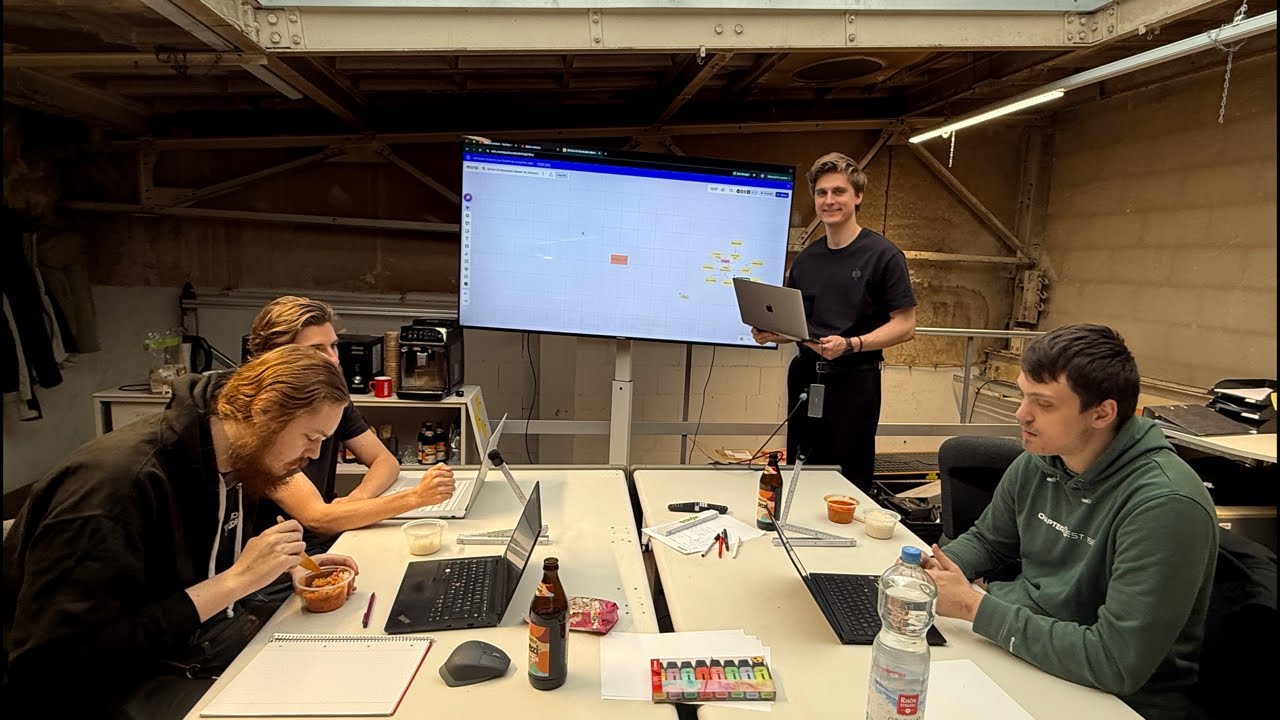](https://www.youtube.com/live/UlbnSVIhfLI?si=ZTotC5B7gd87tUim)
|
||||
*Video: Live stream of software dev meeting*
|
||||
- [ ] Interfacing with Electron/Server
|
||||
|
||||
- [ ] SocketIO
|
||||
- Machine Namespace
|
||||
- Main Namespace
|
||||
- [ ] REST
|
||||
- Machine Mutations
|
||||
- Write Device Identification
|
||||
|
||||
- Server
|
||||
|
||||
- [x] [Threading](./docs/control-loop.md)
|
||||
- [x] [Logging](./docs/logging.md)
|
||||
- [ ] Control Loop Setup
|
||||
- Control Loop Thread
|
||||
- [ ] realtime
|
||||
- Maindevice
|
||||
- Group
|
||||
- Extracting Device Identifications
|
||||
- Identifying Groups
|
||||
- Validating Machines
|
||||
- Run Control Loop
|
||||
- [x] [Control Loop](./docs/control-loop.md)
|
||||
- [x] [Machine/Device Identification](./docs/identification.md)
|
||||
- [ ] Machines
|
||||
- When to create a new Machine?
|
||||
- Versioning
|
||||
- Code sharing
|
||||
- Creating/Validating a Machine
|
||||
- Validation
|
||||
- Configuration
|
||||
- [ ] Machine Implementation Guide
|
||||
- Link: How to create a Device
|
||||
- Link: How to create an Actor
|
||||
- Link: How to create a Machine
|
||||
- API (SocketIO + REST)
|
||||
- Creation/Validation Logic
|
||||
- Optional/Mandatory Devices
|
||||
- Validate Devices
|
||||
- Business Logic
|
||||
- Link: How to create Machine Abstraction (Like Traverse/Puller/...)
|
||||
- Forward `act` in winder.
|
||||
|
||||
- [ ] Control Core
|
||||
|
||||
- [x] [Actors](./docs/actors.md)
|
||||
- [ ] SocketIO
|
||||
- Namespaces & Caching
|
||||
- Joining leaving namespaces
|
||||
- NamespaceId
|
||||
- Caching
|
||||
- Serverside Caching
|
||||
- Clientside Caching
|
||||
- [ ] REST
|
||||
|
||||
- [x] Ethercat HAL
|
||||
|
||||
- [x] [Devices](./docs/devices.md)
|
||||
- [x] [Configuration (CoE)](./docs/coe.md)
|
||||
- [x] [IO](./docs/io.md)
|
||||
- [x] [PDO](./docs/pdo.md)
|
||||
|
||||
- [x] [Ethercat Basics](./docs/ethercat-basics.md)
|
||||
|
||||
- [x] [NixOS Operating System](./docs/nixos/README.md)
|
||||
@@ -15,7 +15,7 @@ if [[ "$1" == "release" ]]; then
|
||||
cargo build --release
|
||||
else
|
||||
echo "Building Debug Code"
|
||||
cargo build $FEATURE --features development-build
|
||||
cargo build $FEATURE
|
||||
fi
|
||||
|
||||
# Only setcap if not building with mock-machine
|
||||
|
||||
@@ -1,67 +0,0 @@
|
||||
#!/usr/bin/env bash
|
||||
set -euo pipefail
|
||||
|
||||
BUILD_DIR="${BUILD_DIR:-target}"
|
||||
CSV_FILE="${CSV_FILE:-compile_metrics.csv}"
|
||||
DEFAULT_PKG="server"
|
||||
|
||||
if [ "$#" -eq 0 ]; then
|
||||
set -- cargo build
|
||||
fi
|
||||
|
||||
if [ "${1:-}" = "cargo" ] && [ "${2:-}" = "build" ]; then
|
||||
cargo clean
|
||||
BUILD_CMD=(cargo rustc -p "$DEFAULT_PKG")
|
||||
shift 2
|
||||
BUILD_CMD+=("$@")
|
||||
BUILD_CMD+=(-- --emit=llvm-ir -C debuginfo=0)
|
||||
else
|
||||
BUILD_CMD=("$@")
|
||||
fi
|
||||
|
||||
compile_start_ns=$(date +%s%N)
|
||||
"${BUILD_CMD[@]}"
|
||||
compile_end_ns=$(date +%s%N)
|
||||
compile_ms=$(( (compile_end_ns - compile_start_ns) / 1000000 ))
|
||||
|
||||
if [ -d "$BUILD_DIR" ]; then
|
||||
llvm_ir_lines=$(
|
||||
find "$BUILD_DIR" -type f -name '*.ll' -print0 \
|
||||
| xargs -0 cat \
|
||||
| wc -l
|
||||
)
|
||||
else
|
||||
llvm_ir_lines=0
|
||||
fi
|
||||
|
||||
bin_path=""
|
||||
|
||||
if [ -n "${BINARY_PATH:-}" ] && [ -f "$BINARY_PATH" ]; then
|
||||
bin_path="$BINARY_PATH"
|
||||
elif [ -f "./target/release/server" ]; then
|
||||
bin_path="./target/release/server"
|
||||
elif [ -f "./target/debug/server" ]; then
|
||||
bin_path="./target/debug/server"
|
||||
elif [ -f "./server/target/release/server" ]; then
|
||||
bin_path="./server/target/release/server"
|
||||
elif [ -f "./server/target/debug/server" ]; then
|
||||
bin_path="./server/target/debug/server"
|
||||
fi
|
||||
|
||||
if [ -n "$bin_path" ]; then
|
||||
binary_size_bytes=$(stat -c '%s' "$bin_path")
|
||||
else
|
||||
binary_size_bytes=0
|
||||
fi
|
||||
|
||||
finished_timestamp_ms=$(($(date +%s%N) / 1000000))
|
||||
finished_datetime=$(date -Iseconds)
|
||||
|
||||
if [ ! -f "$CSV_FILE" ]; then
|
||||
echo "datetime,finished_timestamp_ms,compile_ms,llvm_ir_lines,binary_size_bytes" > "$CSV_FILE"
|
||||
fi
|
||||
|
||||
echo "${finished_datetime},${finished_timestamp_ms},${compile_ms},${llvm_ir_lines},${binary_size_bytes}" \
|
||||
>> "$CSV_FILE"
|
||||
|
||||
echo "Metrics recorded in $CSV_FILE"
|
||||
@@ -12,16 +12,18 @@ anyhow = "1.0.100"
|
||||
axum = "0.8.6"
|
||||
|
||||
ethercat_hal = { path = "../ethercat-hal" }
|
||||
units = { path = "../units" }
|
||||
ethercrab = "0.6"
|
||||
interfaces = "0.0.9"
|
||||
serde = "1.0.219"
|
||||
serde_json = "1.0.143"
|
||||
serialport = "4.7.3"
|
||||
smol = "2.0.2"
|
||||
socketioxide = "0.17.2"
|
||||
uom = { version = "0.36.0", default-features = false, features = ["f64"] }
|
||||
bitvec = { version = "1.0.1", features = ["alloc"] }
|
||||
crc = "3.3.0"
|
||||
tracing = "0.1.44"
|
||||
serial = "0.4.0"
|
||||
tracing = "0.1.41"
|
||||
erased-serde = "0.4.8"
|
||||
core_affinity = "0.8.3"
|
||||
control_core_derive = { version = "0.1.0", path = "../control-core-derive" }
|
||||
|
||||
@@ -1,6 +1,6 @@
|
||||
use std::time::Instant;
|
||||
|
||||
use units::{
|
||||
use uom::si::{
|
||||
angular_acceleration::radian_per_second_squared,
|
||||
angular_velocity::radian_per_second,
|
||||
f64::{AngularAcceleration, AngularVelocity},
|
||||
|
||||
@@ -1,6 +1,6 @@
|
||||
use std::time::Instant;
|
||||
|
||||
use units::{
|
||||
use uom::si::{
|
||||
acceleration::meter_per_second_squared,
|
||||
f64::{Acceleration, Velocity},
|
||||
velocity::meter_per_second,
|
||||
|
||||
@@ -1,6 +1,6 @@
|
||||
use std::time::Instant;
|
||||
|
||||
use units::{
|
||||
use uom::si::{
|
||||
angle::radian,
|
||||
angular_acceleration::radian_per_second_squared,
|
||||
angular_velocity::radian_per_second,
|
||||
@@ -199,8 +199,8 @@ impl AngularAccelerationPositionController {
|
||||
/// # Example
|
||||
/// ```ignore
|
||||
/// use control_core::controllers::second_degree_motion::angular_acceleration_position_controller::AngularAccelerationPositionController;
|
||||
/// use units::f64::Angle;
|
||||
/// use units::angle::degree;
|
||||
/// use uom::si::f64::Angle;
|
||||
/// use uom::si::angle::degree;
|
||||
///
|
||||
/// let mut controller = AngularAccelerationPositionController::new_simple(
|
||||
/// Some(Angle::new::<degree>(180.0)),
|
||||
|
||||
@@ -1,6 +1,6 @@
|
||||
use std::time::Instant;
|
||||
|
||||
use units::{
|
||||
use uom::si::{
|
||||
angular_acceleration::radian_per_second_squared,
|
||||
angular_jerk::radian_per_second_cubed,
|
||||
angular_velocity::radian_per_second,
|
||||
@@ -23,7 +23,7 @@ use super::jerk_speed_controller::JerkSpeedController;
|
||||
///
|
||||
/// # Example
|
||||
/// ```ignore
|
||||
/// use units::{
|
||||
/// use uom::si::{
|
||||
/// angular_velocity::revolution_per_minute,
|
||||
/// angular_acceleration::revolution_per_minute_per_second,
|
||||
/// angular_jerk::revolution_per_minute_per_second_squared,
|
||||
@@ -65,7 +65,7 @@ impl AngularJerkSpeedController {
|
||||
///
|
||||
/// # Example
|
||||
/// ```ignore
|
||||
/// use units::{
|
||||
/// use uom::si::{
|
||||
/// angular_velocity::revolution_per_minute,
|
||||
/// angular_acceleration::revolution_per_minute_per_second,
|
||||
/// angular_jerk::revolution_per_minute_per_second_squared,
|
||||
@@ -127,7 +127,7 @@ impl AngularJerkSpeedController {
|
||||
///
|
||||
/// # Example
|
||||
/// ```ignore
|
||||
/// use units::{
|
||||
/// use uom::si::{
|
||||
/// angular_velocity::revolution_per_minute,
|
||||
/// angular_acceleration::revolution_per_minute_per_second,
|
||||
/// angular_jerk::revolution_per_minute_per_second_squared,
|
||||
@@ -185,7 +185,7 @@ impl AngularJerkSpeedController {
|
||||
/// # Example
|
||||
/// ```ignore
|
||||
/// use std::time::Instant;
|
||||
/// use units::{angular_velocity::revolution_per_minute, f64::AngularVelocity};
|
||||
/// use uom::si::{angular_velocity::revolution_per_minute, f64::AngularVelocity};
|
||||
///
|
||||
/// let mut controller = AngularJerkSpeedController::new_simple(/* ... */);
|
||||
/// let target = AngularVelocity::new::<revolution_per_minute>(1500.0);
|
||||
|
||||
@@ -1,6 +1,6 @@
|
||||
use std::time::Instant;
|
||||
|
||||
use units::{
|
||||
use uom::si::{
|
||||
acceleration::meter_per_second_squared,
|
||||
f64::{Acceleration, Length, Velocity},
|
||||
length::meter,
|
||||
@@ -22,8 +22,8 @@ use super::acceleration_position_controller::{
|
||||
///
|
||||
/// # Example
|
||||
/// ```ignore
|
||||
/// use units::{length::meter, velocity::meter_per_second, acceleration::meter_per_second_squared};
|
||||
/// use units::f64::{Length, Velocity, Acceleration};
|
||||
/// use uom::si::{length::meter, velocity::meter_per_second, acceleration::meter_per_second_squared};
|
||||
/// use uom::si::f64::{Length, Velocity, Acceleration};
|
||||
///
|
||||
/// let position_limit = Length::new::<meter>(10.0);
|
||||
/// let max_speed = Velocity::new::<meter_per_second>(2.0);
|
||||
@@ -101,8 +101,8 @@ impl LinearAccelerationPositionController {
|
||||
///
|
||||
/// # Example
|
||||
/// ```ignore
|
||||
/// use units::{length::meter, velocity::meter_per_second, acceleration::meter_per_second_squared};
|
||||
/// use units::f64::{Length, Velocity, Acceleration};
|
||||
/// use uom::si::{length::meter, velocity::meter_per_second, acceleration::meter_per_second_squared};
|
||||
/// use uom::si::f64::{Length, Velocity, Acceleration};
|
||||
///
|
||||
/// let position_limit = Length::new::<meter>(5.0); // Creates [-5.0, +5.0] meter range
|
||||
/// let max_speed = Velocity::new::<meter_per_second>(1.0); // Creates [-1.0, +1.0] m/s range
|
||||
@@ -150,7 +150,7 @@ impl LinearAccelerationPositionController {
|
||||
/// # Example
|
||||
/// ```ignore
|
||||
/// use std::time::Instant;
|
||||
/// use units::{length::meter, f64::Length};
|
||||
/// use uom::si::{length::meter, f64::Length};
|
||||
///
|
||||
/// let mut controller = LinearAccelerationPositionController::new_simple(
|
||||
/// Some(Length::new::<meter>(10.0)),
|
||||
@@ -375,7 +375,7 @@ impl LinearAccelerationPositionController {
|
||||
///
|
||||
/// # Example
|
||||
/// ```ignore
|
||||
/// use units::{length::meter, velocity::meter_per_second, f64::{Length, Velocity}};
|
||||
/// use uom::si::{length::meter, velocity::meter_per_second, f64::{Length, Velocity}};
|
||||
///
|
||||
/// let new_position = Length::new::<meter>(0.0);
|
||||
///
|
||||
|
||||
@@ -1,6 +1,6 @@
|
||||
use std::time::Instant;
|
||||
|
||||
use units::{
|
||||
use uom::si::{
|
||||
acceleration::meter_per_second_squared,
|
||||
f64::{Acceleration, Jerk, Velocity},
|
||||
jerk::meter_per_second_cubed,
|
||||
@@ -23,7 +23,7 @@ use super::jerk_speed_controller::JerkSpeedController;
|
||||
///
|
||||
/// # Example
|
||||
/// ```ignore
|
||||
/// use units::{
|
||||
/// use uom::si::{
|
||||
/// velocity::meter_per_second,
|
||||
/// acceleration::meter_per_second_squared,
|
||||
/// jerk::meter_per_second_cubed,
|
||||
@@ -65,7 +65,7 @@ impl LinearJerkSpeedController {
|
||||
///
|
||||
/// # Example
|
||||
/// ```ignore
|
||||
/// use units::{
|
||||
/// use uom::si::{
|
||||
/// velocity::meter_per_second,
|
||||
/// acceleration::meter_per_second_squared,
|
||||
/// jerk::meter_per_second_cubed,
|
||||
@@ -127,7 +127,7 @@ impl LinearJerkSpeedController {
|
||||
///
|
||||
/// # Example
|
||||
/// ```ignore
|
||||
/// use units::{
|
||||
/// use uom::si::{
|
||||
/// velocity::meter_per_second,
|
||||
/// acceleration::meter_per_second_squared,
|
||||
/// jerk::meter_per_second_cubed,
|
||||
|
||||
@@ -1,4 +1,4 @@
|
||||
use units::{angle::radian, f64::Angle};
|
||||
use uom::si::{angle::radian, f64::Angle};
|
||||
|
||||
#[derive(Debug, Clone, Copy, PartialEq, Eq)]
|
||||
pub struct AngleConverter {
|
||||
|
||||
@@ -1,4 +1,4 @@
|
||||
use units::{
|
||||
use uom::si::{
|
||||
angle::revolution,
|
||||
angular_acceleration::radian_per_second_squared,
|
||||
angular_velocity::revolution_per_second,
|
||||
@@ -90,7 +90,7 @@ mod tests {
|
||||
use super::*;
|
||||
use approx::assert_relative_eq;
|
||||
use std::f64::EPSILON;
|
||||
use units::{
|
||||
use uom::si::{
|
||||
angle::degree, angular_acceleration::degree_per_second_squared,
|
||||
angular_velocity::degree_per_second,
|
||||
};
|
||||
|
||||
@@ -14,14 +14,14 @@
|
||||
//!
|
||||
//! ```rust
|
||||
//! use control_core::converters::circular_converter::CircularConverter;
|
||||
//! use units::{f64::{Length, Velocity}, length::meter, velocity::meter_per_second};
|
||||
//! use uom::si::{f64::{Length, Velocity}, length::meter, velocity::meter_per_second};
|
||||
//!
|
||||
//! let converter = CircularConverter::from_radius(Length::new::<meter>(0.1));
|
||||
//! let velocity = Velocity::new::<meter_per_second>(1.0);
|
||||
//! let angular_velocity = converter.linear_to_angular_velocity(velocity);
|
||||
//! ```
|
||||
|
||||
use units::{
|
||||
use uom::si::{
|
||||
acceleration::meter_per_second_squared,
|
||||
angle::radian,
|
||||
angular_acceleration::radian_per_second_squared,
|
||||
@@ -199,7 +199,7 @@ impl CircularConverter {
|
||||
#[cfg(test)]
|
||||
mod tests {
|
||||
use super::*;
|
||||
use units::length::centimeter;
|
||||
use uom::si::length::centimeter;
|
||||
|
||||
#[test]
|
||||
fn test_constructors() {
|
||||
|
||||
@@ -1,4 +1,4 @@
|
||||
use units::{
|
||||
use uom::si::{
|
||||
angle::revolution,
|
||||
angular_velocity::revolution_per_second,
|
||||
f64::{Acceleration, Angle, AngularAcceleration, AngularVelocity, Length, Velocity},
|
||||
@@ -251,7 +251,7 @@ mod tests {
|
||||
use super::*;
|
||||
use approx::assert_relative_eq;
|
||||
use std::f64::EPSILON;
|
||||
use units::{
|
||||
use uom::si::{
|
||||
acceleration::meter_per_second_squared, angular_acceleration::radian_per_second_squared,
|
||||
length::meter, velocity::meter_per_second,
|
||||
};
|
||||
|
||||
@@ -1,144 +1,3 @@
|
||||
use std::fmt::Display;
|
||||
|
||||
use ethercat_hal::devices::wago_750_354::WAGO_750_354_IDENTITY_A;
|
||||
use ethercat_hal::devices::wago_modules::ip20_ec_di8_do8::IP20_EC_DI8_DO8_IDENTITY;
|
||||
use serde::Deserialize;
|
||||
use serde::Serialize;
|
||||
|
||||
/// Identifies a spacifi machine
|
||||
#[derive(Debug, Clone, Serialize, Deserialize, PartialEq, Eq, Hash)]
|
||||
pub struct MachineIdentificationUnique {
|
||||
pub machine_identification: MachineIdentification,
|
||||
pub serial: u16,
|
||||
}
|
||||
|
||||
impl MachineIdentificationUnique {
|
||||
/// Check if values are non-zero
|
||||
pub const fn is_valid(&self) -> bool {
|
||||
self.machine_identification.is_valid() && self.serial != 0
|
||||
}
|
||||
}
|
||||
|
||||
impl Display for MachineIdentificationUnique {
|
||||
fn fmt(&self, f: &mut std::fmt::Formatter<'_>) -> std::fmt::Result {
|
||||
write!(
|
||||
f,
|
||||
"{}/{}/{}",
|
||||
self.machine_identification.vendor, self.machine_identification.machine, self.serial
|
||||
)
|
||||
}
|
||||
}
|
||||
|
||||
/// Identifies a machine
|
||||
#[derive(Debug, Clone, Serialize, Deserialize, PartialEq, Eq, Hash)]
|
||||
pub struct MachineIdentification {
|
||||
pub vendor: u16,
|
||||
pub machine: u16,
|
||||
}
|
||||
|
||||
impl MachineIdentification {
|
||||
/// Check if values are non-zero
|
||||
pub const fn is_valid(&self) -> bool {
|
||||
self.vendor != 0 && self.machine != 0
|
||||
}
|
||||
|
||||
pub fn vendor_str(&self) -> String {
|
||||
match self.vendor {
|
||||
x if x == VENDOR_QITECH => "QiTech".to_string(),
|
||||
_ => "N/A".to_string(),
|
||||
}
|
||||
}
|
||||
|
||||
pub fn slug(&self) -> String {
|
||||
match self.machine {
|
||||
x if x == MACHINE_WINDER_V1 => "winder_v1".to_string(),
|
||||
x if x == MACHINE_EXTRUDER_V1 => "extruder_v1".to_string(),
|
||||
x if x == MACHINE_LASER_V1 => "laser_v1".to_string(),
|
||||
x if x == MACHINE_MOCK => "mock".to_string(),
|
||||
x if x == MACHINE_AQUAPATH_V1 => "aquapath_v1".to_string(),
|
||||
x if x == MACHINE_BUFFER_V1 => "buffer_v1".to_string(),
|
||||
x if x == MACHINE_EXTRUDER_V2 => "extruder_v2".to_string(),
|
||||
x if x == MACHINE_WAGO_POWER_V1 => "wago_power_v1".to_string(),
|
||||
x if x == TEST_MACHINE => "test_machine".to_string(),
|
||||
x if x == IP20_TEST_MACHINE => "ip20_test_machine".to_string(),
|
||||
x if x == ANALOG_INPUT_TEST_MACHINE => "analog_input_test_machine".to_string(),
|
||||
x if x == WAGO_AI_TEST_MACHINE => "wago_ai_test_machine".to_string(),
|
||||
_ => unreachable!("Unknown machine id"),
|
||||
}
|
||||
}
|
||||
}
|
||||
|
||||
#[derive(Debug, Clone, Serialize, Deserialize, PartialEq, Eq)]
|
||||
pub struct DeviceMachineIdentification {
|
||||
pub machine_identification_unique: MachineIdentificationUnique,
|
||||
pub role: u16,
|
||||
}
|
||||
|
||||
impl DeviceMachineIdentification {
|
||||
/// Check if values are non-zero
|
||||
pub const fn is_valid(&self) -> bool {
|
||||
self.machine_identification_unique.is_valid()
|
||||
&& self
|
||||
.machine_identification_unique
|
||||
.machine_identification
|
||||
.machine
|
||||
!= 0
|
||||
}
|
||||
}
|
||||
|
||||
#[derive(Debug, Clone, Serialize, Deserialize, PartialEq, Eq)]
|
||||
pub struct DeviceIdentification {
|
||||
pub device_machine_identification: Option<DeviceMachineIdentification>,
|
||||
pub device_hardware_identification: DeviceHardwareIdentification,
|
||||
}
|
||||
|
||||
impl From<DeviceIdentificationIdentified> for DeviceIdentification {
|
||||
fn from(value: DeviceIdentificationIdentified) -> Self {
|
||||
Self {
|
||||
device_machine_identification: Some(value.device_machine_identification),
|
||||
device_hardware_identification: value.device_hardware_identification,
|
||||
}
|
||||
}
|
||||
}
|
||||
|
||||
#[derive(Debug, Clone, Serialize, Deserialize, PartialEq, Eq)]
|
||||
pub struct DeviceIdentificationIdentified {
|
||||
pub device_machine_identification: DeviceMachineIdentification,
|
||||
pub device_hardware_identification: DeviceHardwareIdentification,
|
||||
}
|
||||
|
||||
impl TryFrom<DeviceIdentification> for DeviceIdentificationIdentified {
|
||||
type Error = anyhow::Error;
|
||||
|
||||
fn try_from(value: DeviceIdentification) -> Result<Self, Self::Error> {
|
||||
let device_machine_identification =
|
||||
value.device_machine_identification.ok_or(anyhow::anyhow!(
|
||||
"[{}::DeviceIdentificationIdentified::try_from] No device machine identification",
|
||||
module_path!()
|
||||
))?;
|
||||
|
||||
Ok(Self {
|
||||
device_machine_identification,
|
||||
device_hardware_identification: value.device_hardware_identification,
|
||||
})
|
||||
}
|
||||
}
|
||||
|
||||
#[derive(Debug, Clone, Serialize, Deserialize, PartialEq, Eq)]
|
||||
pub enum DeviceHardwareIdentification {
|
||||
Ethercat(DeviceHardwareIdentificationEthercat),
|
||||
Serial(DeviceHardwareIdentificationSerial),
|
||||
}
|
||||
|
||||
#[derive(Debug, Clone, Serialize, Deserialize, PartialEq, Eq)]
|
||||
pub struct DeviceHardwareIdentificationEthercat {
|
||||
pub subdevice_index: usize,
|
||||
}
|
||||
#[derive(Debug, Clone, Serialize, Deserialize, PartialEq, Eq)]
|
||||
pub struct DeviceHardwareIdentificationSerial {
|
||||
pub path: String,
|
||||
}
|
||||
|
||||
use anyhow::Error;
|
||||
use anyhow::anyhow;
|
||||
use ethercat_hal::devices::ek1100::EK1100_IDENTITY_A;
|
||||
@@ -174,19 +33,9 @@ use ethercat_hal::helpers::ethercrab_types::{
|
||||
use ethercrab::MainDevice;
|
||||
use ethercrab::SubDeviceIdentity;
|
||||
|
||||
use crate::ANALOG_INPUT_TEST_MACHINE;
|
||||
use crate::IP20_TEST_MACHINE;
|
||||
use crate::MACHINE_AQUAPATH_V1;
|
||||
use crate::MACHINE_BUFFER_V1;
|
||||
use crate::MACHINE_EXTRUDER_V1;
|
||||
use crate::MACHINE_EXTRUDER_V2;
|
||||
use crate::MACHINE_LASER_V1;
|
||||
use crate::MACHINE_MOCK;
|
||||
use crate::MACHINE_WAGO_POWER_V1;
|
||||
use crate::MACHINE_WINDER_V1;
|
||||
use crate::TEST_MACHINE;
|
||||
use crate::VENDOR_QITECH;
|
||||
use crate::WAGO_AI_TEST_MACHINE;
|
||||
use crate::machines::identification::DeviceMachineIdentification;
|
||||
use crate::machines::identification::MachineIdentification;
|
||||
use crate::machines::identification::MachineIdentificationUnique;
|
||||
|
||||
#[derive(Debug)]
|
||||
pub struct MachineIdentificationAddresses {
|
||||
@@ -246,7 +95,7 @@ pub async fn machine_device_identification<'maindevice>(
|
||||
let addresses = match get_identification_addresses(&subdevice.identity(), subdevice.name()) {
|
||||
Ok(x) => x,
|
||||
Err(e) => {
|
||||
// u16dump(subdevice, maindevice, 0, 128).await?;
|
||||
u16dump(subdevice, maindevice, 0, 128).await?;
|
||||
return Err(e);
|
||||
}
|
||||
};
|
||||
@@ -386,8 +235,6 @@ pub fn get_identification_addresses(
|
||||
let identity_tuple = subdevice_identity_to_tuple(subdevice_identity);
|
||||
|
||||
Ok(match identity_tuple {
|
||||
WAGO_750_354_IDENTITY_A => MachineIdentificationAddresses::default(),
|
||||
IP20_EC_DI8_DO8_IDENTITY => MachineIdentificationAddresses::default(),
|
||||
EK1100_IDENTITY_A => MachineIdentificationAddresses::default(),
|
||||
EL1002_IDENTITY_A => MachineIdentificationAddresses::default(),
|
||||
EL1008_IDENTITY_A => MachineIdentificationAddresses::default(),
|
||||
@@ -426,7 +273,61 @@ pub fn get_identification_addresses(
|
||||
})
|
||||
}
|
||||
|
||||
async fn u16dump<'maindevice>(
|
||||
subdevice: &'maindevice EthercrabSubDevicePreoperational<'maindevice>,
|
||||
maindevice: &MainDevice<'maindevice>,
|
||||
start_byte: u16,
|
||||
end_byte: u16,
|
||||
) -> Result<(), Error> {
|
||||
let mut words: Vec<u16> = Vec::new();
|
||||
for word in start_byte..end_byte {
|
||||
words.push(subdevice.eeprom_read(maindevice, word).await?);
|
||||
}
|
||||
|
||||
println!(
|
||||
"EEPROM dump for {} from 0x{:04x} to 0x{:04x}",
|
||||
subdevice.name(),
|
||||
start_byte / 2,
|
||||
end_byte / 2
|
||||
);
|
||||
|
||||
u16print(start_byte, end_byte, words);
|
||||
|
||||
Ok(())
|
||||
}
|
||||
|
||||
fn u16print(start_byte: u16, end_byte: u16, data: Vec<u16>) {
|
||||
let table_start_word = start_byte & 0xfff0;
|
||||
let table_end_word = (end_byte & 0xfff0_u16) + 0x10_u16;
|
||||
|
||||
let rows = (table_end_word - table_start_word) >> 4;
|
||||
|
||||
for row in 0..rows {
|
||||
print!("0x{:04x} | ", (table_start_word + row * 0x10) / 2);
|
||||
for word in 0..8 {
|
||||
let word_address = row * 8 + word;
|
||||
if word_address < start_byte {
|
||||
print!(" ");
|
||||
} else {
|
||||
let i = (word_address - start_byte) as usize;
|
||||
if i > data.len() - 1 {
|
||||
print!(" ");
|
||||
} else {
|
||||
print!("{:04x} ", data[i]);
|
||||
}
|
||||
}
|
||||
}
|
||||
println!();
|
||||
}
|
||||
}
|
||||
|
||||
#[cfg(test)]
|
||||
mod tests {
|
||||
use super::*;
|
||||
|
||||
#[test]
|
||||
fn test_hexprint() {
|
||||
let data = vec![0x0000, 0x1ced];
|
||||
u16print(0x01, 0x40, data);
|
||||
}
|
||||
}
|
||||
@@ -1,9 +1,10 @@
|
||||
use std::{process::Command, sync::Arc, time::Duration};
|
||||
|
||||
use ethercrab::{
|
||||
MainDevice, MainDeviceConfig, PduStorage, Timeouts,
|
||||
std::{ethercat_now, tx_rx_task},
|
||||
};
|
||||
use interfaces::Interface;
|
||||
use std::{process::Command, sync::Arc, time::Duration};
|
||||
|
||||
// Constants for EtherCAT configuration
|
||||
const IFACE_DISCOVERY_MAX_SUBDEVICES: usize = 16; // Must be power of 2 > 1
|
||||
@@ -91,6 +92,9 @@ pub async fn discover_ethercat_interface() -> Result<String, anyhow::Error> {
|
||||
let mut interface: Option<&str> = None;
|
||||
|
||||
for i in 0..interfaces.len() {
|
||||
// Avoid NetworkManager hangups
|
||||
set_interface_managed(&interfaces[i].name, false);
|
||||
|
||||
match test_interface(&interfaces[i].name) {
|
||||
Ok(_) => {
|
||||
// if interface found with ethercat Exit early, we expect only one interface with ethercat
|
||||
@@ -103,7 +107,7 @@ pub async fn discover_ethercat_interface() -> Result<String, anyhow::Error> {
|
||||
|
||||
for i in 0..interfaces.len() {
|
||||
if interface.is_some() && interface.unwrap() == &interfaces[i].name {
|
||||
set_interface_managed(&interfaces[i].name, false);
|
||||
continue;
|
||||
} else {
|
||||
set_interface_managed(&interfaces[i].name, true);
|
||||
}
|
||||
|
||||
@@ -1 +1,2 @@
|
||||
pub mod eeprom_identification;
|
||||
pub mod interface_discovery;
|
||||
@@ -1,65 +0,0 @@
|
||||
use std::process::Command;
|
||||
|
||||
use anyhow::Result;
|
||||
use interfaces::Interface;
|
||||
|
||||
pub mod modbus_tcp_discovery;
|
||||
|
||||
/// Returns true if the given network interface is Ethernet.
|
||||
/// Prevents testing wlan,loopback and other non ethernet devices
|
||||
fn is_ethernet(interface: &str) -> std::io::Result<bool> {
|
||||
#[cfg(target_os = "linux")]
|
||||
{
|
||||
let base_path = format!("/sys/class/net/{}", interface);
|
||||
let type_path = std::path::Path::new(&base_path).join("type");
|
||||
let iface_type = std::fs::read_to_string(&type_path)?.trim().to_string();
|
||||
// 1 means Ethernet
|
||||
let reports_as_ethernet = iface_type == "1";
|
||||
// Double-check that it's not a wireless interface
|
||||
let uevent_path = std::path::Path::new(&base_path).join("uevent");
|
||||
let uevent = std::fs::read_to_string(&uevent_path).unwrap_or_default();
|
||||
// If "DEVTYPE=wlan" appears, it's lying
|
||||
let actually_wifi = uevent.contains("DEVTYPE=wlan");
|
||||
Ok(reports_as_ethernet && !actually_wifi)
|
||||
}
|
||||
#[cfg(not(target_os = "linux"))]
|
||||
return Ok(true);
|
||||
}
|
||||
|
||||
pub fn get_interfaces() -> Result<Vec<Interface>> {
|
||||
let vec = Interface::get_all()
|
||||
.map_err(|e| anyhow::anyhow!("Failed to get network interfaces: {}", e))?
|
||||
.into_iter()
|
||||
.filter(|iface| {
|
||||
iface.is_up()
|
||||
&& iface.is_running()
|
||||
&& !iface.is_loopback()
|
||||
&& is_ethernet(&iface.name).unwrap_or(false)
|
||||
&& !iface.name.starts_with("bridge")
|
||||
&& !iface.name.starts_with("utun") // Exclude tunnel interfaces
|
||||
&& !iface.name.starts_with("awdl") // Exclude Apple Wireless Direct Link
|
||||
&& !iface.name.starts_with("anpi") // Exclude Apple Network Privacy Interface
|
||||
&& !iface.name.starts_with("llw") // Exclude Apple low-latency WLAN
|
||||
})
|
||||
.collect::<Vec<_>>();
|
||||
Ok(vec)
|
||||
}
|
||||
|
||||
/// Sets a network interface to unmanaged by NetworkManager.
|
||||
/// Returns true if the command succeeded.
|
||||
pub fn set_interface_managed(interface: &str, managed: bool) -> bool {
|
||||
let managed_str = match managed {
|
||||
true => "yes",
|
||||
false => "no",
|
||||
};
|
||||
tracing::info!(
|
||||
"set_interface_managed for {} managed was set to: {}",
|
||||
interface,
|
||||
managed_str
|
||||
);
|
||||
let status = Command::new("nmcli")
|
||||
.args(["dev", "set", interface, "managed", managed_str])
|
||||
.status();
|
||||
|
||||
matches!(status, Ok(s) if s.success())
|
||||
}
|
||||
@@ -1,78 +0,0 @@
|
||||
use crate::ethernet::get_interfaces;
|
||||
use crate::{futures::FutureIteratorExt, modbus::tcp::ModbusTcpDevice};
|
||||
use anyhow::{Result, bail};
|
||||
use interfaces::Interface;
|
||||
use std::cmp::min;
|
||||
use std::net::{IpAddr, Ipv4Addr, SocketAddr};
|
||||
|
||||
pub struct ModbusTcpProbe {
|
||||
pub addr: SocketAddr,
|
||||
pub serial: u16,
|
||||
}
|
||||
|
||||
pub async fn probe_modbus_tcp() -> Vec<ModbusTcpProbe> {
|
||||
let interfaces = match get_interfaces() {
|
||||
Ok(x) => x,
|
||||
Err(_) => return vec![],
|
||||
};
|
||||
|
||||
interfaces
|
||||
.into_iter()
|
||||
.map(probe_modbus_tcp_addresses)
|
||||
.join_all()
|
||||
.await
|
||||
.into_iter()
|
||||
.flatten()
|
||||
.collect()
|
||||
}
|
||||
|
||||
async fn probe_modbus_tcp_addresses(interface: Interface) -> Vec<ModbusTcpProbe> {
|
||||
let out: Vec<ModbusTcpProbe> = interface
|
||||
.addresses
|
||||
.iter()
|
||||
.filter_map(|addr| {
|
||||
let a = addr.addr.map(|a| a.ip());
|
||||
let m = addr.mask.map(|a| a.ip());
|
||||
|
||||
match (a, m) {
|
||||
(Some(IpAddr::V4(addr)), Some(IpAddr::V4(mask))) => Some((addr, mask)),
|
||||
_ => None,
|
||||
}
|
||||
})
|
||||
.flat_map(|(addr, mask)| {
|
||||
let a = u32::from(addr);
|
||||
let m = u32::from(mask);
|
||||
let network = a & m;
|
||||
|
||||
let prefix = min(24, m.count_ones()); // mask → prefix length
|
||||
let size = 1u32 << (32 - prefix); // number of addresses
|
||||
|
||||
(0..size).map(move |i| SocketAddr::new(Ipv4Addr::from(network + i).into(), 502))
|
||||
})
|
||||
.map(|addr| smol::spawn(ping_modbus_device(addr)))
|
||||
.join_all()
|
||||
.await
|
||||
.into_iter()
|
||||
.filter_map(|x| x.ok())
|
||||
.collect();
|
||||
|
||||
out
|
||||
}
|
||||
|
||||
async fn ping_modbus_device(addr: SocketAddr) -> Result<ModbusTcpProbe> {
|
||||
let mut device = ModbusTcpDevice::new(addr).await?;
|
||||
|
||||
let module_number1 = device.get_u32(0x2).await?;
|
||||
let module_number2 = device.get_u32(0x4).await?;
|
||||
|
||||
if module_number1 != 0x2787_2144 || module_number2 != 0x0000_0000 {
|
||||
bail!("Unknown modbus tcp device!");
|
||||
}
|
||||
|
||||
let serial = device.get_u32(0x000A).await?;
|
||||
|
||||
Ok(ModbusTcpProbe {
|
||||
addr,
|
||||
serial: serial as u16,
|
||||
})
|
||||
}
|
||||
@@ -1,26 +0,0 @@
|
||||
use core::future::Future;
|
||||
|
||||
// Extension trait for iterators of futures
|
||||
pub trait FutureIteratorExt<F>: Iterator<Item = F> + Sized
|
||||
where
|
||||
F: Future,
|
||||
{
|
||||
/// Await all futures and return their outputs
|
||||
fn join_all(self) -> impl Future<Output = Vec<F::Output>>;
|
||||
}
|
||||
|
||||
impl<I, F> FutureIteratorExt<F> for I
|
||||
where
|
||||
I: Iterator<Item = F> + Sized,
|
||||
F: Future,
|
||||
{
|
||||
async fn join_all(self) -> Vec<F::Output> {
|
||||
let mut out = Vec::new();
|
||||
|
||||
for fut in self {
|
||||
out.push(fut.await);
|
||||
}
|
||||
|
||||
out
|
||||
}
|
||||
}
|
||||
@@ -2,15 +2,19 @@ pub mod controllers;
|
||||
pub mod converters;
|
||||
pub mod downcast;
|
||||
pub mod ethercat;
|
||||
pub mod ethernet;
|
||||
pub mod futures;
|
||||
pub mod helpers;
|
||||
pub mod irq_handling;
|
||||
pub mod machines;
|
||||
pub mod modbus;
|
||||
pub mod realtime;
|
||||
pub mod rest;
|
||||
pub mod serial;
|
||||
pub mod socketio;
|
||||
pub mod transmission;
|
||||
pub mod uom_extensions;
|
||||
|
||||
#[cfg(feature = "video-streaming")]
|
||||
pub mod video_streaming;
|
||||
|
||||
#[macro_use]
|
||||
extern crate uom;
|
||||
@@ -0,0 +1,27 @@
|
||||
use serde_json::Value;
|
||||
use smol::lock::Mutex;
|
||||
use std::sync::Arc;
|
||||
|
||||
use crate::socketio::namespace::Namespace;
|
||||
|
||||
pub trait MachineApi {
|
||||
fn api_mutate(&mut self, value: Value) -> Result<(), anyhow::Error>;
|
||||
fn api_event_namespace(&mut self) -> Arc<Mutex<Namespace>>;
|
||||
|
||||
/// Returns a list of available video stream identifiers for this machine
|
||||
#[cfg(feature = "video-streaming")]
|
||||
fn api_video_streams(&self) -> Vec<String> {
|
||||
Vec::new()
|
||||
}
|
||||
|
||||
/// Get a video stream receiver for the specified stream ID
|
||||
/// Returns None if the stream doesn't exist
|
||||
#[cfg(feature = "video-streaming")]
|
||||
fn api_get_video_stream(
|
||||
&mut self,
|
||||
stream_id: &str,
|
||||
) -> Option<tokio::sync::broadcast::Receiver<Vec<u8>>> {
|
||||
let _ = stream_id;
|
||||
None
|
||||
}
|
||||
}
|
||||
@@ -0,0 +1,208 @@
|
||||
use crate::downcast::Downcast;
|
||||
use crate::machines::identification::MachineIdentificationUnique;
|
||||
use crate::machines::manager::MachineManager;
|
||||
use crate::socketio::{event::GenericEvent, namespace::Namespace};
|
||||
use serde::Serialize;
|
||||
use smol::block_on;
|
||||
use smol::lock::RwLock;
|
||||
use std::sync::Arc;
|
||||
use std::sync::Weak;
|
||||
|
||||
use super::Machine;
|
||||
use anyhow::anyhow;
|
||||
use smol::{channel::Sender, lock::Mutex};
|
||||
use socketioxide::extract::SocketRef;
|
||||
|
||||
#[derive(Debug)]
|
||||
pub enum MachineConnection<M: Machine + ?Sized>
|
||||
where
|
||||
Self: Sized,
|
||||
{
|
||||
Error(anyhow::Error),
|
||||
Disconnected,
|
||||
Connected(Arc<Mutex<M>>),
|
||||
}
|
||||
|
||||
#[derive(Debug)]
|
||||
pub struct MachineSlot<M: Machine + ?Sized>
|
||||
where
|
||||
Self: Sized,
|
||||
{
|
||||
pub machine_connection: MachineConnection<M>,
|
||||
pub namespace: Arc<Mutex<Namespace>>,
|
||||
}
|
||||
|
||||
pub type MachineConnectionGeneric = MachineConnection<dyn Machine>;
|
||||
|
||||
pub type MachineSlotGeneric = MachineSlot<dyn Machine>;
|
||||
|
||||
impl<M: Machine> Clone for MachineConnection<M> {
|
||||
fn clone(&self) -> Self {
|
||||
match self {
|
||||
Self::Connected(m) => Self::Connected(m.clone()),
|
||||
Self::Error(e) => Self::Error(anyhow!(e.to_string())),
|
||||
Self::Disconnected => Self::Disconnected,
|
||||
}
|
||||
}
|
||||
}
|
||||
|
||||
impl<M: Machine + ?Sized> MachineConnection<M> {
|
||||
pub fn to_error(&self) -> Option<anyhow::Error> {
|
||||
match self {
|
||||
MachineConnection::Error(err) => Some(anyhow!(err.to_string())),
|
||||
Self::Disconnected => Some(anyhow!("Machine is disconnected")),
|
||||
_ => None,
|
||||
}
|
||||
}
|
||||
|
||||
pub fn to_machine(&self) -> Option<Arc<Mutex<M>>> {
|
||||
match self {
|
||||
Self::Connected(machine) => Some(machine.clone()),
|
||||
_ => None,
|
||||
}
|
||||
}
|
||||
}
|
||||
|
||||
impl<M: Machine + ?Sized> MachineSlot<M> {
|
||||
pub fn new(socket_queue_tx: Sender<(SocketRef, Arc<GenericEvent>)>) -> Self {
|
||||
let namespace = Namespace::new(socket_queue_tx);
|
||||
Self {
|
||||
machine_connection: MachineConnection::Disconnected,
|
||||
namespace: Arc::new(Mutex::new(namespace)),
|
||||
}
|
||||
}
|
||||
|
||||
pub const fn is_connected(&self) -> bool {
|
||||
matches!(self.machine_connection, MachineConnection::Connected(_))
|
||||
}
|
||||
}
|
||||
|
||||
pub trait CrossConnectableMachine<
|
||||
F: CrossConnectableMachine<F, T>,
|
||||
T: CrossConnectableMachine<T, F>,
|
||||
>: Machine
|
||||
{
|
||||
fn get_cross_connection(&mut self) -> &mut MachineCrossConnection<F, T>;
|
||||
}
|
||||
|
||||
#[derive(Debug)]
|
||||
pub struct MachineCrossConnection<
|
||||
F: CrossConnectableMachine<F, T>,
|
||||
T: CrossConnectableMachine<T, F>,
|
||||
> {
|
||||
machine_manager: Weak<RwLock<MachineManager>>,
|
||||
machine_identification_unique: MachineIdentificationUnique,
|
||||
connected_machine: Weak<Mutex<MachineSlot<T>>>,
|
||||
_make_compiler_happy: std::marker::PhantomData<F>, // This marks tells the typechecker, that we
|
||||
// need F in our type arguemnts. We are ok with
|
||||
// it being used only in a fake field. Without
|
||||
// F being fixed, we would not be anble to implement
|
||||
// reverse connecting and disconnecting properly,
|
||||
// as the type on the other side would decay
|
||||
// to an unknown type. See also https://github.com/qitechgmbh/control/pull/625#discussion_r2379566315
|
||||
}
|
||||
|
||||
#[derive(Serialize, Debug, Clone)]
|
||||
pub struct MachineCrossConnectionState {
|
||||
/// Connected Machine
|
||||
pub machine_identification_unique: Option<MachineIdentificationUnique>,
|
||||
pub is_available: bool,
|
||||
}
|
||||
|
||||
impl<F: CrossConnectableMachine<F, T>, T: CrossConnectableMachine<T, F>>
|
||||
MachineCrossConnection<F, T>
|
||||
{
|
||||
pub fn new(
|
||||
manager: Weak<RwLock<MachineManager>>,
|
||||
machine_identification_unique: &MachineIdentificationUnique,
|
||||
) -> Self {
|
||||
Self {
|
||||
machine_manager: manager,
|
||||
connected_machine: Weak::new(),
|
||||
machine_identification_unique: machine_identification_unique.clone(),
|
||||
_make_compiler_happy: std::marker::PhantomData,
|
||||
}
|
||||
}
|
||||
|
||||
pub fn set_connected_machine(
|
||||
&mut self,
|
||||
machine_identification_unique: &MachineIdentificationUnique,
|
||||
) {
|
||||
if let Some(machine_manager) = self.machine_manager.upgrade() {
|
||||
let machine_manager = block_on(machine_manager.read());
|
||||
|
||||
let slot: Arc<Mutex<MachineSlotGeneric>> =
|
||||
match machine_manager.get(&machine_identification_unique) {
|
||||
Some(c) => c,
|
||||
None => return,
|
||||
};
|
||||
|
||||
let slot: Arc<Mutex<MachineSlot<T>>> = match Downcast::downcast(&slot) {
|
||||
Ok(s) => s,
|
||||
Err(_) => return,
|
||||
};
|
||||
|
||||
self.connected_machine = Arc::downgrade(&slot);
|
||||
} else {
|
||||
panic!("The machine manager has died, cannot do anything at this point");
|
||||
}
|
||||
}
|
||||
|
||||
pub fn reverse_connect(&self) {
|
||||
if let Some(slot) = self.connected_machine.upgrade() {
|
||||
let slot = &mut slot.lock_blocking();
|
||||
|
||||
if let MachineConnection::Connected(machine) = &slot.machine_connection {
|
||||
let mut machine = machine.lock_blocking();
|
||||
let cross_connection = machine.get_cross_connection();
|
||||
|
||||
if !cross_connection.is_connected() {
|
||||
cross_connection.set_connected_machine(&self.machine_identification_unique);
|
||||
}
|
||||
};
|
||||
}
|
||||
}
|
||||
|
||||
pub fn disconnect(&mut self) {
|
||||
self.connected_machine = Weak::new();
|
||||
}
|
||||
|
||||
pub fn reverse_disconnect(&mut self) {
|
||||
if let Some(slot) = self.connected_machine.upgrade() {
|
||||
let slot = slot.lock_blocking();
|
||||
|
||||
if let MachineConnection::Connected(machine) = &slot.machine_connection {
|
||||
let mut machine = machine.lock_blocking();
|
||||
let cross_connection = machine.get_cross_connection();
|
||||
cross_connection.disconnect();
|
||||
};
|
||||
}
|
||||
}
|
||||
|
||||
pub fn is_connected(&self) -> bool {
|
||||
let arc = self.connected_machine.upgrade();
|
||||
arc.is_some()
|
||||
}
|
||||
|
||||
pub fn to_state(&self) -> MachineCrossConnectionState {
|
||||
if let Some(slot) = self.connected_machine.upgrade() {
|
||||
let connection = &slot.lock_blocking().machine_connection;
|
||||
|
||||
if let MachineConnection::Connected(machine) = connection {
|
||||
let machine = machine.lock_blocking();
|
||||
|
||||
return MachineCrossConnectionState {
|
||||
machine_identification_unique: Some(
|
||||
machine.get_machine_identification_unique(),
|
||||
),
|
||||
is_available: true,
|
||||
};
|
||||
}
|
||||
}
|
||||
|
||||
MachineCrossConnectionState {
|
||||
machine_identification_unique: None,
|
||||
is_available: false,
|
||||
}
|
||||
}
|
||||
}
|
||||
@@ -0,0 +1,113 @@
|
||||
use std::fmt::Display;
|
||||
|
||||
use serde::Deserialize;
|
||||
use serde::Serialize;
|
||||
|
||||
/// Identifies a spacifi machine
|
||||
#[derive(Debug, Clone, Serialize, Deserialize, PartialEq, Eq, Hash)]
|
||||
pub struct MachineIdentificationUnique {
|
||||
pub machine_identification: MachineIdentification,
|
||||
pub serial: u16,
|
||||
}
|
||||
|
||||
impl MachineIdentificationUnique {
|
||||
/// Check if values are non-zero
|
||||
pub const fn is_valid(&self) -> bool {
|
||||
self.machine_identification.is_valid() && self.serial != 0
|
||||
}
|
||||
}
|
||||
|
||||
impl Display for MachineIdentificationUnique {
|
||||
fn fmt(&self, f: &mut std::fmt::Formatter<'_>) -> std::fmt::Result {
|
||||
write!(
|
||||
f,
|
||||
"{}/{}/{}",
|
||||
self.machine_identification.vendor, self.machine_identification.machine, self.serial
|
||||
)
|
||||
}
|
||||
}
|
||||
|
||||
/// Identifies a machine
|
||||
#[derive(Debug, Clone, Serialize, Deserialize, PartialEq, Eq, Hash)]
|
||||
pub struct MachineIdentification {
|
||||
pub vendor: u16,
|
||||
pub machine: u16,
|
||||
}
|
||||
|
||||
impl MachineIdentification {
|
||||
/// Check if values are non-zero
|
||||
pub const fn is_valid(&self) -> bool {
|
||||
self.vendor != 0 && self.machine != 0
|
||||
}
|
||||
}
|
||||
|
||||
#[derive(Debug, Clone, Serialize, Deserialize, PartialEq, Eq)]
|
||||
pub struct DeviceMachineIdentification {
|
||||
pub machine_identification_unique: MachineIdentificationUnique,
|
||||
pub role: u16,
|
||||
}
|
||||
|
||||
impl DeviceMachineIdentification {
|
||||
/// Check if values are non-zero
|
||||
pub const fn is_valid(&self) -> bool {
|
||||
self.machine_identification_unique.is_valid()
|
||||
&& self
|
||||
.machine_identification_unique
|
||||
.machine_identification
|
||||
.machine
|
||||
!= 0
|
||||
}
|
||||
}
|
||||
|
||||
#[derive(Debug, Clone, Serialize, Deserialize, PartialEq, Eq)]
|
||||
pub struct DeviceIdentification {
|
||||
pub device_machine_identification: Option<DeviceMachineIdentification>,
|
||||
pub device_hardware_identification: DeviceHardwareIdentification,
|
||||
}
|
||||
|
||||
impl From<DeviceIdentificationIdentified> for DeviceIdentification {
|
||||
fn from(value: DeviceIdentificationIdentified) -> Self {
|
||||
Self {
|
||||
device_machine_identification: Some(value.device_machine_identification),
|
||||
device_hardware_identification: value.device_hardware_identification,
|
||||
}
|
||||
}
|
||||
}
|
||||
|
||||
#[derive(Debug, Clone, Serialize, Deserialize, PartialEq, Eq)]
|
||||
pub struct DeviceIdentificationIdentified {
|
||||
pub device_machine_identification: DeviceMachineIdentification,
|
||||
pub device_hardware_identification: DeviceHardwareIdentification,
|
||||
}
|
||||
|
||||
impl TryFrom<DeviceIdentification> for DeviceIdentificationIdentified {
|
||||
type Error = anyhow::Error;
|
||||
|
||||
fn try_from(value: DeviceIdentification) -> Result<Self, Self::Error> {
|
||||
let device_machine_identification =
|
||||
value.device_machine_identification.ok_or(anyhow::anyhow!(
|
||||
"[{}::DeviceIdentificationIdentified::try_from] No device machine identification",
|
||||
module_path!()
|
||||
))?;
|
||||
|
||||
Ok(Self {
|
||||
device_machine_identification,
|
||||
device_hardware_identification: value.device_hardware_identification,
|
||||
})
|
||||
}
|
||||
}
|
||||
|
||||
#[derive(Debug, Clone, Serialize, Deserialize, PartialEq, Eq)]
|
||||
pub enum DeviceHardwareIdentification {
|
||||
Ethercat(DeviceHardwareIdentificationEthercat),
|
||||
Serial(DeviceHardwareIdentificationSerial),
|
||||
}
|
||||
|
||||
#[derive(Debug, Clone, Serialize, Deserialize, PartialEq, Eq)]
|
||||
pub struct DeviceHardwareIdentificationEthercat {
|
||||
pub subdevice_index: usize,
|
||||
}
|
||||
#[derive(Debug, Clone, Serialize, Deserialize, PartialEq, Eq)]
|
||||
pub struct DeviceHardwareIdentificationSerial {
|
||||
pub path: String,
|
||||
}
|
||||
@@ -0,0 +1,297 @@
|
||||
use super::{
|
||||
Machine,
|
||||
identification::{DeviceIdentification, DeviceIdentificationIdentified},
|
||||
new::MachineNewHardwareSerial,
|
||||
registry::MachineRegistry,
|
||||
};
|
||||
use smol::{
|
||||
channel::Sender,
|
||||
lock::{Mutex, RwLock},
|
||||
};
|
||||
use socketioxide::extract::SocketRef;
|
||||
|
||||
use crate::{
|
||||
machines::{
|
||||
connection::{
|
||||
MachineConnection, MachineConnectionGeneric, MachineSlot, MachineSlotGeneric,
|
||||
},
|
||||
identification::MachineIdentificationUnique,
|
||||
new::{MachineNewHardware, MachineNewHardwareEthercat, MachineNewParams},
|
||||
},
|
||||
serial::SerialDevice,
|
||||
socketio::event::GenericEvent,
|
||||
};
|
||||
use std::{
|
||||
collections::HashMap,
|
||||
sync::{Arc, Weak},
|
||||
};
|
||||
|
||||
#[derive(Debug)]
|
||||
pub struct MachineManager {
|
||||
pub ethercat_machines: HashMap<MachineIdentificationUnique, Arc<Mutex<MachineSlotGeneric>>>,
|
||||
pub serial_machines: HashMap<MachineIdentificationUnique, Arc<Mutex<MachineSlotGeneric>>>,
|
||||
}
|
||||
|
||||
impl Default for MachineManager {
|
||||
fn default() -> Self {
|
||||
Self::new()
|
||||
}
|
||||
}
|
||||
|
||||
impl MachineManager {
|
||||
pub fn new() -> Self {
|
||||
Self {
|
||||
ethercat_machines: HashMap::new(),
|
||||
serial_machines: HashMap::new(),
|
||||
}
|
||||
}
|
||||
|
||||
pub fn set_ethercat_devices<const MAX_SUBDEVICES: usize, const MAX_PDI: usize>(
|
||||
&mut self,
|
||||
device_identifications: &Vec<DeviceIdentification>,
|
||||
machine_registry: &MachineRegistry,
|
||||
hardware: &MachineNewHardwareEthercat,
|
||||
socket_queue_tx: Sender<(SocketRef, Arc<GenericEvent>)>,
|
||||
machine_manager: Weak<RwLock<Self>>,
|
||||
) {
|
||||
// group devices by machine device identification
|
||||
let device_grouping_result = group_devices_by_identification(device_identifications);
|
||||
|
||||
tracing::info!(
|
||||
"Device Groups {}",
|
||||
device_grouping_result.device_groups.len()
|
||||
);
|
||||
|
||||
let machine_new_hardware = MachineNewHardware::Ethercat(hardware);
|
||||
|
||||
// iterate over all identified device groups but ignore unaffected machines
|
||||
for device_group in device_grouping_result.device_groups.iter() {
|
||||
// get the machine identification
|
||||
let machine_identification_unique: MachineIdentificationUnique =
|
||||
match device_group.first() {
|
||||
Some(device_identification) => device_identification
|
||||
.device_machine_identification
|
||||
.machine_identification_unique
|
||||
.clone(),
|
||||
None => continue, // Skip this group if empty
|
||||
};
|
||||
|
||||
let slot =
|
||||
self.get_or_create_slot(socket_queue_tx.clone(), machine_identification_unique);
|
||||
let mut slot = slot.lock_blocking();
|
||||
|
||||
// create the machine
|
||||
let new_machine = machine_registry.new_machine(&MachineNewParams {
|
||||
device_group,
|
||||
hardware: &machine_new_hardware,
|
||||
socket_queue_tx: socket_queue_tx.clone(),
|
||||
machine_manager: machine_manager.clone(),
|
||||
namespace: slot.namespace.clone(),
|
||||
});
|
||||
|
||||
slot.machine_connection = match new_machine {
|
||||
Err(err) => MachineConnectionGeneric::Error(err),
|
||||
Ok(machine) => MachineConnectionGeneric::Connected(machine),
|
||||
};
|
||||
}
|
||||
}
|
||||
|
||||
fn get_or_create_slot(
|
||||
&mut self,
|
||||
socket_queue_tx: Sender<(SocketRef, Arc<GenericEvent>)>,
|
||||
machine_identification: MachineIdentificationUnique,
|
||||
) -> Arc<Mutex<MachineSlotGeneric>> {
|
||||
if let Some(slot) = self.get(&machine_identification) {
|
||||
return slot;
|
||||
}
|
||||
|
||||
let slot = Arc::new(Mutex::new(MachineSlot::new(socket_queue_tx)));
|
||||
self.ethercat_machines
|
||||
.insert(machine_identification, slot.clone());
|
||||
|
||||
return slot;
|
||||
}
|
||||
|
||||
pub fn get(
|
||||
&self,
|
||||
machine_identification: &MachineIdentificationUnique,
|
||||
) -> Option<Arc<Mutex<MachineSlotGeneric>>> {
|
||||
self.ethercat_machines
|
||||
.get(machine_identification)
|
||||
.or_else(|| self.serial_machines.get(machine_identification))
|
||||
.map(|x| x.clone())
|
||||
}
|
||||
|
||||
pub fn add_serial_device(
|
||||
&mut self,
|
||||
device_identification: &DeviceIdentification,
|
||||
device: Arc<RwLock<dyn SerialDevice>>,
|
||||
machine_registry: &MachineRegistry,
|
||||
socket_queue_tx: Sender<(SocketRef, Arc<GenericEvent>)>,
|
||||
machine_manager: Weak<RwLock<Self>>,
|
||||
) {
|
||||
let hardware = MachineNewHardwareSerial { device };
|
||||
|
||||
let device_identification_identified: DeviceIdentificationIdentified =
|
||||
device_identification
|
||||
.clone()
|
||||
.try_into()
|
||||
.expect("Serial devices always have machine identification");
|
||||
|
||||
let machine_identification: MachineIdentificationUnique = device_identification_identified
|
||||
.device_machine_identification
|
||||
.machine_identification_unique
|
||||
.clone();
|
||||
|
||||
let slot = self.get_or_create_slot(socket_queue_tx.clone(), machine_identification);
|
||||
let mut slot = slot.lock_blocking();
|
||||
|
||||
let new_machine = machine_registry.new_machine(&MachineNewParams {
|
||||
device_group: &vec![device_identification_identified.clone()],
|
||||
hardware: &MachineNewHardware::Serial(&hardware),
|
||||
socket_queue_tx,
|
||||
machine_manager: machine_manager.clone(),
|
||||
namespace: slot.namespace.clone(),
|
||||
});
|
||||
|
||||
slot.machine_connection = match new_machine {
|
||||
Err(err) => MachineConnectionGeneric::Error(err),
|
||||
Ok(machine) => MachineConnectionGeneric::Connected(machine),
|
||||
};
|
||||
|
||||
tracing::info!("Adding serial machine {:?}", slot);
|
||||
}
|
||||
|
||||
pub fn remove_serial_device(&mut self, device_identification: &DeviceIdentification) {
|
||||
let device_identification_identified: DeviceIdentificationIdentified =
|
||||
device_identification
|
||||
.clone()
|
||||
.try_into()
|
||||
.expect("Serial devices always have machine identification");
|
||||
|
||||
tracing::info!(
|
||||
"Removing serial machine {:?}",
|
||||
device_identification_identified
|
||||
);
|
||||
|
||||
let machine_identification_unique = &device_identification_identified
|
||||
.device_machine_identification
|
||||
.machine_identification_unique;
|
||||
|
||||
if let Some(slot) = self.serial_machines.get(machine_identification_unique) {
|
||||
let mut slot = slot.lock_blocking();
|
||||
slot.machine_connection = MachineConnection::Disconnected;
|
||||
}
|
||||
}
|
||||
|
||||
pub fn get_ethercat_weak(
|
||||
&self,
|
||||
machine_identification: &MachineIdentificationUnique,
|
||||
) -> Option<Weak<Mutex<dyn Machine>>> {
|
||||
self.get_weak(&self.ethercat_machines, machine_identification)
|
||||
}
|
||||
|
||||
pub fn get_serial_weak(
|
||||
&self,
|
||||
machine_identification: &MachineIdentificationUnique,
|
||||
) -> Option<Weak<Mutex<dyn Machine>>> {
|
||||
self.get_weak(&self.serial_machines, machine_identification)
|
||||
}
|
||||
|
||||
fn get_weak(
|
||||
&self,
|
||||
machines: &HashMap<MachineIdentificationUnique, Arc<Mutex<MachineSlotGeneric>>>,
|
||||
machine_identification: &MachineIdentificationUnique,
|
||||
) -> Option<Weak<Mutex<dyn Machine>>> {
|
||||
let slot = machines.get(machine_identification).clone();
|
||||
|
||||
return slot.and_then(|slot| {
|
||||
let connection = &slot.lock_blocking().machine_connection;
|
||||
match connection {
|
||||
MachineConnectionGeneric::Error(_) => None,
|
||||
MachineConnectionGeneric::Disconnected => None,
|
||||
MachineConnectionGeneric::Connected(machine) => Some(Arc::downgrade(&machine)),
|
||||
}
|
||||
});
|
||||
}
|
||||
}
|
||||
|
||||
/// Groups devices by machine identification
|
||||
///
|
||||
/// Returns a DeviceGroupingResult containing:
|
||||
/// - device_groups: a vector of devices grouped by machine identification
|
||||
/// - unidentified_devices: a vector of devices that could not be identified
|
||||
pub fn group_devices_by_identification(
|
||||
device_identifications: &Vec<DeviceIdentification>,
|
||||
) -> DeviceGroupingResult {
|
||||
let mut device_groups: Vec<Vec<DeviceIdentificationIdentified>> = Vec::new();
|
||||
let mut unidentified_devices: Vec<DeviceIdentification> = Vec::new();
|
||||
|
||||
for device_identification in device_identifications {
|
||||
// if vendor or serial or machine is 0, it is not a valid machine device
|
||||
if let Some(device_machine_identification) =
|
||||
device_identification.device_machine_identification.as_ref()
|
||||
{
|
||||
if !device_machine_identification.is_valid() {
|
||||
unidentified_devices.push(device_identification.clone());
|
||||
|
||||
continue;
|
||||
}
|
||||
} else {
|
||||
unidentified_devices.push(device_identification.clone());
|
||||
continue;
|
||||
}
|
||||
|
||||
// scan over all deice groups
|
||||
// get the first DeviceMachineIdentification
|
||||
// compare and append to the group
|
||||
let mut found = false;
|
||||
for check_group in device_groups.iter_mut() {
|
||||
// get first device in group
|
||||
let first_device = check_group.first().expect("group to not be empty");
|
||||
let first_device_machine_identification = &first_device
|
||||
.device_machine_identification
|
||||
.machine_identification_unique;
|
||||
|
||||
// chek if it has machine identification
|
||||
if let Some(device_machine_identification) =
|
||||
device_identification.device_machine_identification.as_ref()
|
||||
{
|
||||
// compare with the current device
|
||||
if first_device_machine_identification
|
||||
== &device_machine_identification.machine_identification_unique
|
||||
{
|
||||
let device_identification_identified = device_identification
|
||||
.clone()
|
||||
.try_into()
|
||||
.expect("should have Some(DeviceMachineIdentification)");
|
||||
check_group.push(device_identification_identified);
|
||||
found = true;
|
||||
break;
|
||||
}
|
||||
}
|
||||
}
|
||||
|
||||
if !found {
|
||||
let device_identification_identified = device_identification
|
||||
.clone()
|
||||
.try_into()
|
||||
.expect("should have Some(DeviceMachineIdentification)");
|
||||
device_groups.push(vec![device_identification_identified]);
|
||||
}
|
||||
}
|
||||
|
||||
DeviceGroupingResult {
|
||||
device_groups,
|
||||
unidentified_devices,
|
||||
}
|
||||
}
|
||||
|
||||
/// Structure to hold the result of grouping devices by identification
|
||||
#[derive(Debug)]
|
||||
pub struct DeviceGroupingResult {
|
||||
/// Devices grouped by machine identification
|
||||
pub device_groups: Vec<Vec<DeviceIdentificationIdentified>>,
|
||||
/// Devices that could not be identified
|
||||
pub unidentified_devices: Vec<DeviceIdentification>,
|
||||
}
|
||||
@@ -0,0 +1,84 @@
|
||||
use std::collections::HashMap;
|
||||
use std::sync::Arc;
|
||||
|
||||
use smol::lock::Mutex;
|
||||
|
||||
use crate::machines::connection::MachineSlotGeneric;
|
||||
|
||||
use super::{identification::MachineIdentificationUnique, manager::MachineManager};
|
||||
|
||||
pub enum MachineManagerIter<'a> {
|
||||
EthercatMachines {
|
||||
iter: std::collections::hash_map::Iter<
|
||||
'a,
|
||||
MachineIdentificationUnique,
|
||||
Arc<Mutex<MachineSlotGeneric>>,
|
||||
>,
|
||||
},
|
||||
SerialMachines {
|
||||
iter: std::collections::hash_map::Iter<
|
||||
'a,
|
||||
MachineIdentificationUnique,
|
||||
Arc<Mutex<MachineSlotGeneric>>,
|
||||
>,
|
||||
},
|
||||
Done,
|
||||
}
|
||||
|
||||
pub struct MachineManagerIterator<'a> {
|
||||
iter: MachineManagerIter<'a>,
|
||||
serial_machines: &'a HashMap<MachineIdentificationUnique, Arc<Mutex<MachineSlotGeneric>>>,
|
||||
}
|
||||
|
||||
impl<'a> Iterator for MachineManagerIterator<'a> {
|
||||
type Item = (
|
||||
&'a MachineIdentificationUnique,
|
||||
&'a Arc<Mutex<MachineSlotGeneric>>,
|
||||
);
|
||||
|
||||
fn next(&mut self) -> Option<Self::Item> {
|
||||
loop {
|
||||
match &mut self.iter {
|
||||
MachineManagerIter::EthercatMachines { iter } => {
|
||||
// Try to get the next item from ethercat_machines
|
||||
if let Some(item) = iter.next() {
|
||||
return Some(item);
|
||||
} else {
|
||||
// If ethercat_machines is exhausted, move to serial_machines
|
||||
self.iter = MachineManagerIter::SerialMachines {
|
||||
iter: self.serial_machines.iter(),
|
||||
};
|
||||
// Continue to the next iteration of the loop
|
||||
continue;
|
||||
}
|
||||
}
|
||||
MachineManagerIter::SerialMachines { iter } => {
|
||||
// Return the next item from serial_machines or None if exhausted
|
||||
if let Some(item) = iter.next() {
|
||||
return Some(item);
|
||||
} else {
|
||||
// If serial_machines is also exhausted, we're done
|
||||
self.iter = MachineManagerIter::Done;
|
||||
return None;
|
||||
}
|
||||
}
|
||||
MachineManagerIter::Done => {
|
||||
// We've exhausted both collections
|
||||
return None;
|
||||
}
|
||||
}
|
||||
}
|
||||
}
|
||||
}
|
||||
|
||||
impl MachineManager {
|
||||
// Returns an iterator over all machines (both ethercat and serial)
|
||||
pub fn iter(&self) -> MachineManagerIterator<'_> {
|
||||
MachineManagerIterator {
|
||||
iter: MachineManagerIter::EthercatMachines {
|
||||
iter: self.ethercat_machines.iter(),
|
||||
},
|
||||
serial_machines: &self.serial_machines,
|
||||
}
|
||||
}
|
||||
}
|
||||
@@ -0,0 +1,23 @@
|
||||
use new::MachineNewTrait;
|
||||
use std::any::Any;
|
||||
use std::fmt::Debug;
|
||||
|
||||
use crate::machines::{
|
||||
api::MachineApi, identification::MachineIdentificationUnique, new::MachineAct,
|
||||
};
|
||||
pub mod api;
|
||||
pub mod connection;
|
||||
pub mod identification;
|
||||
pub mod manager;
|
||||
pub mod manager_iter;
|
||||
pub mod new;
|
||||
pub mod registry;
|
||||
|
||||
pub trait Machine: MachineAct + MachineNewTrait + MachineApi + Any + Debug + Send + Sync {
|
||||
fn get_machine_identification_unique(&self) -> MachineIdentificationUnique;
|
||||
}
|
||||
|
||||
pub trait AnyGetters: Any {
|
||||
fn as_any(&self) -> &dyn Any;
|
||||
fn as_any_mut(&mut self) -> &mut dyn Any;
|
||||
}
|
||||
@@ -0,0 +1,279 @@
|
||||
use crate::{
|
||||
machines::{identification::MachineIdentificationUnique, manager::MachineManager},
|
||||
serial::SerialDevice,
|
||||
socketio::namespace::Namespace,
|
||||
};
|
||||
|
||||
use super::identification::DeviceIdentificationIdentified;
|
||||
use anyhow::Error;
|
||||
use ethercat_hal::{
|
||||
devices::EthercatDevice, helpers::ethercrab_types::EthercrabSubDevicePreoperational,
|
||||
};
|
||||
use ethercrab::{SubDevice, SubDeviceRef};
|
||||
use smol::{
|
||||
channel::Sender,
|
||||
lock::{Mutex, RwLock},
|
||||
};
|
||||
use socketioxide::extract::SocketRef;
|
||||
use std::{
|
||||
sync::{Arc, Weak},
|
||||
time::Instant,
|
||||
};
|
||||
|
||||
use crate::socketio::event::GenericEvent;
|
||||
|
||||
pub trait MachineNewTrait {
|
||||
fn new(params: &MachineNewParams<'_, '_, '_, '_, '_, '_, '_>) -> Result<Self, Error>
|
||||
where
|
||||
Self: Sized;
|
||||
}
|
||||
|
||||
pub trait MachineAct {
|
||||
fn act(&mut self, now: Instant);
|
||||
}
|
||||
|
||||
pub struct MachineNewParams<
|
||||
'maindevice,
|
||||
'subdevices,
|
||||
'device_identifications_identified,
|
||||
'ethercat_devices,
|
||||
'machine_new_hardware_etehrcat,
|
||||
'machine_new_hardware_serial,
|
||||
'machine_new_hardware,
|
||||
> where
|
||||
'maindevice: 'machine_new_hardware,
|
||||
'subdevices: 'machine_new_hardware,
|
||||
'ethercat_devices: 'machine_new_hardware,
|
||||
'machine_new_hardware_etehrcat: 'machine_new_hardware,
|
||||
{
|
||||
pub device_group: &'device_identifications_identified Vec<DeviceIdentificationIdentified>,
|
||||
pub hardware: &'machine_new_hardware MachineNewHardware<
|
||||
'maindevice,
|
||||
'subdevices,
|
||||
'ethercat_devices,
|
||||
'machine_new_hardware_etehrcat,
|
||||
'machine_new_hardware_serial,
|
||||
>,
|
||||
pub socket_queue_tx: Sender<(SocketRef, Arc<GenericEvent>)>,
|
||||
pub machine_manager: Weak<RwLock<MachineManager>>,
|
||||
|
||||
pub namespace: Arc<Mutex<Namespace>>,
|
||||
}
|
||||
|
||||
impl MachineNewParams<'_, '_, '_, '_, '_, '_, '_> {
|
||||
pub fn get_machine_identification_unique(&self) -> MachineIdentificationUnique {
|
||||
self.device_group
|
||||
.first()
|
||||
.expect("device group must have at least one device")
|
||||
.device_machine_identification
|
||||
.machine_identification_unique
|
||||
.clone()
|
||||
}
|
||||
}
|
||||
|
||||
pub enum MachineNewHardware<
|
||||
'maindevice,
|
||||
'subdevices,
|
||||
'ethercat_devices,
|
||||
'machine_new_hardware_etehrcat,
|
||||
'machine_new_hardware_serial,
|
||||
> where
|
||||
'maindevice: 'machine_new_hardware_etehrcat,
|
||||
'subdevices: 'machine_new_hardware_etehrcat,
|
||||
'ethercat_devices: 'machine_new_hardware_etehrcat,
|
||||
{
|
||||
Ethercat(
|
||||
&'machine_new_hardware_etehrcat MachineNewHardwareEthercat<
|
||||
'maindevice,
|
||||
'subdevices,
|
||||
'ethercat_devices,
|
||||
>,
|
||||
),
|
||||
Serial(&'machine_new_hardware_serial MachineNewHardwareSerial),
|
||||
}
|
||||
|
||||
pub struct MachineNewHardwareEthercat<'maindevice, 'subdevices, 'ethercat_devices> {
|
||||
pub subdevices:
|
||||
&'subdevices Vec<&'subdevices SubDeviceRef<'maindevice, &'subdevices SubDevice>>,
|
||||
pub ethercat_devices: &'ethercat_devices Vec<Arc<RwLock<dyn EthercatDevice>>>,
|
||||
}
|
||||
|
||||
pub struct MachineNewHardwareSerial {
|
||||
pub device: Arc<RwLock<dyn SerialDevice>>,
|
||||
}
|
||||
|
||||
// validates that all devices in the group have the same machine identification
|
||||
pub fn validate_same_machine_identification_unique(
|
||||
identified_device_group: &Vec<DeviceIdentificationIdentified>,
|
||||
) -> Result<(), Error> {
|
||||
let machine_identification_unique = &identified_device_group
|
||||
.first()
|
||||
.ok_or_else(|| {
|
||||
anyhow::anyhow!(
|
||||
"[{}::validate_same_machine_identification] No devices in group",
|
||||
module_path!()
|
||||
)
|
||||
})?
|
||||
.device_machine_identification
|
||||
.machine_identification_unique;
|
||||
for device in identified_device_group.iter() {
|
||||
if device
|
||||
.device_machine_identification
|
||||
.machine_identification_unique
|
||||
!= *machine_identification_unique
|
||||
{
|
||||
return Err(anyhow::anyhow!(
|
||||
"[{}::validate_same_machine_identification] Different machine identifications",
|
||||
module_path!()
|
||||
));
|
||||
}
|
||||
}
|
||||
Ok(())
|
||||
}
|
||||
|
||||
/// validates that every role is unique
|
||||
pub fn validate_no_role_dublicates(
|
||||
identified_device_group: &Vec<DeviceIdentificationIdentified>,
|
||||
) -> Result<(), Error> {
|
||||
let mut roles = vec![];
|
||||
for device in identified_device_group.iter() {
|
||||
if roles.contains(&device.device_machine_identification.role) {
|
||||
return Err(anyhow::anyhow!(
|
||||
"[{}::validate_no_role_dublicates] Role dublicate",
|
||||
module_path!(),
|
||||
));
|
||||
}
|
||||
roles.push(device.device_machine_identification.role);
|
||||
}
|
||||
Ok(())
|
||||
}
|
||||
|
||||
// Inside control_core::machines::new module:
|
||||
pub fn get_device_identification_by_role(
|
||||
identified_device_group: &Vec<DeviceIdentificationIdentified>,
|
||||
role: u16,
|
||||
) -> Result<&DeviceIdentificationIdentified, Error> {
|
||||
for device in identified_device_group.iter() {
|
||||
if device.device_machine_identification.role == role {
|
||||
return Ok(device);
|
||||
}
|
||||
}
|
||||
Err(anyhow::anyhow!(
|
||||
"[{}::get_device_identification_by_role] Role {} not found",
|
||||
module_path!(),
|
||||
role
|
||||
))
|
||||
}
|
||||
|
||||
pub fn get_device_by_index<'maindevice>(
|
||||
devices: &Vec<Arc<RwLock<dyn EthercatDevice>>>,
|
||||
subdevice_index: usize,
|
||||
) -> Result<Arc<RwLock<dyn EthercatDevice>>, Error> {
|
||||
Ok(devices
|
||||
.get(subdevice_index)
|
||||
.ok_or(anyhow::anyhow!(
|
||||
"[{}::get_device_by_index] Index {} out of bounds for devices",
|
||||
module_path!(),
|
||||
subdevice_index
|
||||
))?
|
||||
.clone())
|
||||
}
|
||||
|
||||
pub fn get_subdevice_by_index<'subdevices, 'maindevice>(
|
||||
subdevices: &'subdevices Vec<&EthercrabSubDevicePreoperational<'maindevice>>,
|
||||
subdevice_index: usize,
|
||||
) -> Result<&'subdevices EthercrabSubDevicePreoperational<'maindevice>, Error> {
|
||||
Ok(subdevices.get(subdevice_index).ok_or(anyhow::anyhow!(
|
||||
"Index {} out of bounds for subdevices",
|
||||
subdevice_index
|
||||
))?)
|
||||
}
|
||||
|
||||
pub fn get_ethercat_device_by_index<'maindevice>(
|
||||
ethercat_devices: &Vec<Arc<RwLock<dyn EthercatDevice>>>,
|
||||
subdevice_index: usize,
|
||||
) -> Result<Arc<RwLock<dyn EthercatDevice>>, Error> {
|
||||
Ok(ethercat_devices
|
||||
.get(subdevice_index)
|
||||
.ok_or(anyhow::anyhow!(
|
||||
"[{}::get_ethercat_device_by_index] Index {} out of bounds for ethercat devices",
|
||||
module_path!(),
|
||||
subdevice_index
|
||||
))?
|
||||
.clone())
|
||||
}
|
||||
|
||||
#[cfg(test)]
|
||||
mod tests {
|
||||
use crate::machines::identification::{
|
||||
DeviceHardwareIdentification, DeviceHardwareIdentificationEthercat,
|
||||
DeviceMachineIdentification, MachineIdentification, MachineIdentificationUnique,
|
||||
};
|
||||
|
||||
pub use super::*;
|
||||
|
||||
#[test]
|
||||
fn test_get_device_identification_by_role() {
|
||||
let device_identifications = vec![
|
||||
// role 0
|
||||
DeviceIdentificationIdentified {
|
||||
device_machine_identification: DeviceMachineIdentification {
|
||||
machine_identification_unique: MachineIdentificationUnique {
|
||||
machine_identification: MachineIdentification {
|
||||
vendor: 1,
|
||||
machine: 1,
|
||||
},
|
||||
serial: 1,
|
||||
},
|
||||
role: 0,
|
||||
},
|
||||
device_hardware_identification: DeviceHardwareIdentification::Ethercat(
|
||||
DeviceHardwareIdentificationEthercat { subdevice_index: 0 },
|
||||
),
|
||||
},
|
||||
// role 1
|
||||
DeviceIdentificationIdentified {
|
||||
device_machine_identification: DeviceMachineIdentification {
|
||||
machine_identification_unique: MachineIdentificationUnique {
|
||||
machine_identification: MachineIdentification {
|
||||
vendor: 2,
|
||||
machine: 2,
|
||||
},
|
||||
serial: 2,
|
||||
},
|
||||
role: 2,
|
||||
},
|
||||
device_hardware_identification: DeviceHardwareIdentification::Ethercat(
|
||||
DeviceHardwareIdentificationEthercat { subdevice_index: 1 },
|
||||
),
|
||||
},
|
||||
// role 2
|
||||
DeviceIdentificationIdentified {
|
||||
device_machine_identification: DeviceMachineIdentification {
|
||||
machine_identification_unique: MachineIdentificationUnique {
|
||||
machine_identification: MachineIdentification {
|
||||
vendor: 3,
|
||||
machine: 3,
|
||||
},
|
||||
serial: 3,
|
||||
},
|
||||
role: 1,
|
||||
},
|
||||
device_hardware_identification: DeviceHardwareIdentification::Ethercat(
|
||||
DeviceHardwareIdentificationEthercat { subdevice_index: 2 },
|
||||
),
|
||||
},
|
||||
];
|
||||
|
||||
// search for role 0
|
||||
let result = get_device_identification_by_role(&device_identifications, 0);
|
||||
assert_eq!(result.unwrap().device_machine_identification.role, 0,);
|
||||
|
||||
// search for role 1
|
||||
let result = get_device_identification_by_role(&device_identifications, 1);
|
||||
assert_eq!(result.unwrap().device_machine_identification.role, 1,);
|
||||
// search for role 2
|
||||
let result = get_device_identification_by_role(&device_identifications, 2);
|
||||
assert_eq!(result.unwrap().device_machine_identification.role, 2,);
|
||||
}
|
||||
}
|
||||
@@ -0,0 +1,74 @@
|
||||
use super::{Machine, identification::MachineIdentification, new::MachineNewParams};
|
||||
use anyhow::Error;
|
||||
use smol::lock::Mutex;
|
||||
use std::{any::TypeId, collections::HashMap, sync::Arc};
|
||||
|
||||
pub type MachineNewClosure =
|
||||
Box<dyn Fn(&MachineNewParams) -> Result<Arc<Mutex<dyn Machine>>, Error> + Send + Sync>;
|
||||
|
||||
pub struct MachineRegistry {
|
||||
type_map: HashMap<TypeId, (MachineIdentification, MachineNewClosure)>,
|
||||
}
|
||||
|
||||
impl Default for MachineRegistry {
|
||||
fn default() -> Self {
|
||||
Self::new()
|
||||
}
|
||||
}
|
||||
|
||||
impl MachineRegistry {
|
||||
pub fn new() -> Self {
|
||||
Self {
|
||||
type_map: HashMap::new(),
|
||||
}
|
||||
}
|
||||
|
||||
pub fn register<T: Machine + 'static>(
|
||||
&mut self,
|
||||
machine_identficiation: MachineIdentification,
|
||||
) {
|
||||
self.type_map.insert(
|
||||
TypeId::of::<T>(),
|
||||
(
|
||||
machine_identficiation.clone(),
|
||||
// create a machine construction closure
|
||||
Box::new(|machine_new_params| {
|
||||
Ok(Arc::new(Mutex::new(T::new(machine_new_params)?)))
|
||||
}),
|
||||
),
|
||||
);
|
||||
}
|
||||
|
||||
pub fn new_machine(
|
||||
&self,
|
||||
machine_new_params: &MachineNewParams,
|
||||
) -> Result<Arc<Mutex<dyn Machine>>, anyhow::Error> {
|
||||
// get machiine identification
|
||||
let device_identification =
|
||||
&machine_new_params
|
||||
.device_group
|
||||
.first()
|
||||
.ok_or(anyhow::anyhow!(
|
||||
"[{}::MachineConstructor::new_machine] No device in group",
|
||||
module_path!()
|
||||
))?;
|
||||
|
||||
// find machine new function by comparing MachineIdentification
|
||||
let (_, machine_new_closure) = self
|
||||
.type_map
|
||||
.values()
|
||||
.find(|(mi, _)| {
|
||||
mi == &device_identification
|
||||
.device_machine_identification
|
||||
.machine_identification_unique
|
||||
.machine_identification
|
||||
})
|
||||
.ok_or(anyhow::anyhow!(
|
||||
"[{}::MachineConstructor::new_machine] Machine not found",
|
||||
module_path!()
|
||||
))?;
|
||||
|
||||
// call machine new function by reference
|
||||
(machine_new_closure)(machine_new_params)
|
||||
}
|
||||
}
|
||||
@@ -1,5 +1,4 @@
|
||||
pub mod modbus_serial_interface;
|
||||
pub mod tcp;
|
||||
|
||||
use anyhow::Error;
|
||||
use crc::{CRC_16_MODBUS, Crc};
|
||||
|
||||
@@ -1,263 +0,0 @@
|
||||
use std::fmt::Debug;
|
||||
use std::io::ErrorKind;
|
||||
use std::net::SocketAddr;
|
||||
use std::time::Duration;
|
||||
|
||||
use anyhow::Context;
|
||||
use anyhow::Result;
|
||||
use anyhow::bail;
|
||||
use smol::Timer;
|
||||
use smol::future::FutureExt;
|
||||
use smol::io;
|
||||
use smol::io::AsyncReadExt;
|
||||
use smol::io::AsyncWriteExt;
|
||||
use smol::net::TcpStream;
|
||||
|
||||
const PROTOCOL_ID: u16 = 0;
|
||||
const UNIT_ID: u8 = 0;
|
||||
const READ_HOLDING_FUNCTION_CODE: u8 = 3;
|
||||
const WRITE_HOLDING_FUNCTION_CODE: u8 = 16;
|
||||
const READ_HOLDING_LENGTH: u16 = 6; // Unit ID 00 + Func Code 03 + Start Address XXXX + Quantity XXXX = 6 bytes
|
||||
const WRITE_HOLDING_LENGTH_WITHOUT_DATA: u16 = 7; // Unit ID 00 + Func Code 16 + Start Address XXXX + Quantity XXXX + Num Data Bytes XX = 7 bytes
|
||||
|
||||
struct Packet {
|
||||
buf: Vec<u8>,
|
||||
}
|
||||
|
||||
impl Packet {
|
||||
pub const fn new() -> Self {
|
||||
Self { buf: Vec::new() }
|
||||
}
|
||||
|
||||
pub fn add_u8(&mut self, x: u8) {
|
||||
self.buf.push(x);
|
||||
}
|
||||
|
||||
pub fn add_u16(&mut self, x: u16) {
|
||||
let buf = x.to_be_bytes();
|
||||
self.buf.push(buf[0]);
|
||||
self.buf.push(buf[1]);
|
||||
}
|
||||
|
||||
pub fn as_bytes(&self) -> &[u8] {
|
||||
&self.buf
|
||||
}
|
||||
}
|
||||
|
||||
pub struct ModbusTcpDevice {
|
||||
stream: TcpStream,
|
||||
transactions: u16,
|
||||
}
|
||||
|
||||
impl Debug for ModbusTcpDevice {
|
||||
fn fmt(&self, f: &mut std::fmt::Formatter<'_>) -> std::fmt::Result {
|
||||
match self.stream.peer_addr() {
|
||||
Ok(addr) => write!(f, "ModbusTcpDevice({:?})", addr),
|
||||
Err(_) => std::fmt::Result::Err(std::fmt::Error),
|
||||
}
|
||||
}
|
||||
}
|
||||
|
||||
impl ModbusTcpDevice {
|
||||
pub async fn new(addr: SocketAddr) -> Result<Self> {
|
||||
let timeout = async {
|
||||
Timer::after(Duration::from_millis(10)).await;
|
||||
Err(io::Error::from(ErrorKind::TimedOut))
|
||||
};
|
||||
|
||||
let stream = TcpStream::connect(addr)
|
||||
.or(timeout)
|
||||
.await
|
||||
.context("Could not connect to modbus device!")?;
|
||||
|
||||
Ok(Self {
|
||||
stream,
|
||||
transactions: 0,
|
||||
})
|
||||
}
|
||||
|
||||
async fn read_and_check_responce_header(&mut self, func_code: u8) -> Result<()> {
|
||||
if self.read_u16().await? != self.transactions {
|
||||
bail!("Modbus device sent unexpected transaction id!");
|
||||
}
|
||||
|
||||
if self.read_u16().await? != PROTOCOL_ID {
|
||||
bail!("Modbus device sent unexpected protocol id!");
|
||||
}
|
||||
|
||||
let length = self.read_u16().await?;
|
||||
if length < 2 {
|
||||
bail!("Modbus device will send too few bytes to understand the response!");
|
||||
}
|
||||
|
||||
if self.read_u8().await? != UNIT_ID {
|
||||
bail!("Modbus device sent unexpected unit id!");
|
||||
}
|
||||
|
||||
let func_code_res = self.read_u8().await?;
|
||||
if func_code != func_code_res {
|
||||
let error_code = self.read_u8().await?;
|
||||
bail!(
|
||||
"Modbus device sent unexpected function code 0x{:x}! It probably encountered an error. Error code: 0x{:x}",
|
||||
func_code_res,
|
||||
error_code
|
||||
);
|
||||
}
|
||||
|
||||
Ok(())
|
||||
}
|
||||
|
||||
async fn send_read_holding_request(&mut self, addr: u16, count: u16) -> Result<u16> {
|
||||
let mut packet = Packet::new();
|
||||
|
||||
self.transactions += 1;
|
||||
packet.add_u16(self.transactions);
|
||||
packet.add_u16(PROTOCOL_ID);
|
||||
packet.add_u16(READ_HOLDING_LENGTH);
|
||||
|
||||
packet.add_u8(UNIT_ID);
|
||||
packet.add_u8(READ_HOLDING_FUNCTION_CODE);
|
||||
|
||||
packet.add_u16(addr);
|
||||
packet.add_u16(count);
|
||||
|
||||
self.send(packet).await?;
|
||||
self.read_and_check_responce_header(READ_HOLDING_FUNCTION_CODE)
|
||||
.await?;
|
||||
|
||||
let num_data_bytes = self.read_u8().await? as u16;
|
||||
if count * 2 != num_data_bytes {
|
||||
bail!(
|
||||
"Modbus device wants to send only a portion of the requested range - UNIMPLEMENTED!"
|
||||
);
|
||||
}
|
||||
|
||||
Ok(num_data_bytes)
|
||||
}
|
||||
|
||||
pub async fn get_holding_registers(&mut self, addr: u16, count: u16) -> Result<Vec<u16>> {
|
||||
self.send_read_holding_request(addr, count).await?;
|
||||
|
||||
let mut res: Vec<u16> = Vec::new();
|
||||
while res.len() < count as usize {
|
||||
res.push(self.read_u16().await?);
|
||||
}
|
||||
|
||||
Ok(res)
|
||||
}
|
||||
|
||||
pub async fn set_holding_registers(&mut self, addr: u16, values: &[u16]) -> Result<()> {
|
||||
let count = values.len();
|
||||
let num_bytes = count * 2;
|
||||
assert!(
|
||||
count <= 128,
|
||||
"Cannot send that many bytes to modbus device in one go! Trying to send {} bytes of data.",
|
||||
num_bytes
|
||||
);
|
||||
|
||||
let mut packet = Packet::new();
|
||||
|
||||
self.transactions += 1;
|
||||
packet.add_u16(self.transactions);
|
||||
packet.add_u16(PROTOCOL_ID);
|
||||
packet.add_u16(WRITE_HOLDING_LENGTH_WITHOUT_DATA + num_bytes as u16);
|
||||
|
||||
packet.add_u8(UNIT_ID);
|
||||
packet.add_u8(WRITE_HOLDING_FUNCTION_CODE);
|
||||
|
||||
packet.add_u16(addr);
|
||||
packet.add_u16(count as u16);
|
||||
|
||||
packet.add_u8(num_bytes as u8);
|
||||
|
||||
for value in values {
|
||||
packet.add_u16(value.to_owned());
|
||||
}
|
||||
|
||||
self.send(packet).await?;
|
||||
self.read_and_check_responce_header(WRITE_HOLDING_FUNCTION_CODE)
|
||||
.await?;
|
||||
|
||||
if self.read_u16().await? != addr {
|
||||
bail!("Modbus device wrote to wrong register address!");
|
||||
}
|
||||
|
||||
if self.read_u16().await? != count as u16 {
|
||||
bail!("Modbus device wrote wrong number of registers!");
|
||||
}
|
||||
|
||||
Ok(())
|
||||
}
|
||||
|
||||
pub async fn get_string<const N: usize>(&mut self, addr: u16) -> Result<String> {
|
||||
assert!(N % 2 == 0, "Strings are always of even length!");
|
||||
assert!(N <= 256, "Cannot read long strings in a single swoop!");
|
||||
let count = N / 2;
|
||||
|
||||
self.send_read_holding_request(addr, count as u16).await?;
|
||||
let buf = self.read_bytes::<N>().await?;
|
||||
|
||||
let s = String::from_utf8_lossy(&buf);
|
||||
let s = match s.split_once('\0') {
|
||||
None => s.to_string(),
|
||||
Some((l, _)) => l.to_string(),
|
||||
};
|
||||
|
||||
Ok(s)
|
||||
}
|
||||
|
||||
pub async fn set_string<const N: usize>(&mut self, _addr: u16, s: &str) -> Result<()> {
|
||||
assert!(s.len() <= N, "String is too long to fit!");
|
||||
|
||||
todo!()
|
||||
}
|
||||
|
||||
pub async fn get_u16(&mut self, addr: u16) -> Result<u16> {
|
||||
let length = self.send_read_holding_request(addr, 1).await?;
|
||||
assert_eq!(
|
||||
length, 2,
|
||||
"Expected modbus device to send exactly 2 bytes of data!"
|
||||
);
|
||||
|
||||
self.read_u16().await
|
||||
}
|
||||
|
||||
pub async fn get_u32(&mut self, addr: u16) -> Result<u32> {
|
||||
let length = self.send_read_holding_request(addr, 2).await?;
|
||||
assert_eq!(
|
||||
length, 4,
|
||||
"Expected modbus device to send exactly 4 bytes of data!"
|
||||
);
|
||||
|
||||
let buf = self.read_bytes::<4>().await?;
|
||||
Ok(u32::from_be_bytes(buf))
|
||||
}
|
||||
|
||||
// We have to send the request in a single packet,
|
||||
// otherwise the device may fail to respond correctly.
|
||||
async fn send(&mut self, packet: Packet) -> Result<()> {
|
||||
self.stream
|
||||
.write_all(packet.as_bytes())
|
||||
.await
|
||||
.context("Could write to modbus device!")
|
||||
}
|
||||
|
||||
async fn read_u8(&mut self) -> Result<u8> {
|
||||
let buf = self.read_bytes::<1>().await?;
|
||||
Ok(u8::from_be_bytes(buf))
|
||||
}
|
||||
|
||||
async fn read_u16(&mut self) -> Result<u16> {
|
||||
let buf = self.read_bytes::<2>().await?;
|
||||
Ok(u16::from_be_bytes(buf))
|
||||
}
|
||||
|
||||
async fn read_bytes<const N: usize>(&mut self) -> Result<[u8; N]> {
|
||||
let mut buf = [0; N];
|
||||
self.stream
|
||||
.read_exact(&mut buf)
|
||||
.await
|
||||
.context("Could not read from modbus device!")?;
|
||||
Ok(buf)
|
||||
}
|
||||
}
|
||||
@@ -0,0 +1 @@
|
||||
pub mod mutation;
|
||||
@@ -2,7 +2,7 @@ use std::fmt::Debug;
|
||||
|
||||
use serde::Serialize;
|
||||
|
||||
use machines::machine_identification::MachineIdentificationUnique;
|
||||
use crate::machines::identification::MachineIdentificationUnique;
|
||||
|
||||
#[derive(Debug, Serialize, Clone)]
|
||||
pub struct MutationResponse {
|
||||
@@ -1,10 +1,14 @@
|
||||
/*use std::{any::Any, sync::Arc};
|
||||
use std::{any::Any, sync::Arc};
|
||||
|
||||
use smol::lock::RwLock;
|
||||
use smol::{channel::Sender, lock::RwLock};
|
||||
use std::fmt::Debug;
|
||||
|
||||
use crate::machines::identification::DeviceIdentification;
|
||||
use crate::{
|
||||
machines::identification::DeviceIdentification, serial::serial_detection::SerialDeviceRemoval,
|
||||
};
|
||||
|
||||
pub mod panic;
|
||||
pub mod registry;
|
||||
pub mod serial_detection;
|
||||
|
||||
pub trait SerialDevice: Any + Send + Sync + SerialDeviceNew + Debug {}
|
||||
@@ -23,11 +27,11 @@ pub trait SerialDeviceThread {
|
||||
|
||||
pub struct SerialDeviceNewParams {
|
||||
pub path: String,
|
||||
pub device_thread_panic_tx: Sender<SerialDeviceRemoval<String>>,
|
||||
}
|
||||
|
||||
#[derive(PartialEq, Eq, Clone, Debug, Hash)]
|
||||
#[derive(PartialEq, Eq, Clone, Debug)]
|
||||
pub struct SerialDeviceIdentification {
|
||||
pub vendor_id: u16,
|
||||
pub product_id: u16,
|
||||
}
|
||||
*/
|
||||
@@ -0,0 +1,53 @@
|
||||
use smol::channel::Sender;
|
||||
|
||||
use crate::serial::serial_detection::SerialDeviceRemoval;
|
||||
|
||||
/// Device-level panic handler for individual device crashes
|
||||
/// Sends device identifier and error information for cleanup
|
||||
/// Used by serial devices and other individual components that need to be removed on panic
|
||||
pub fn send_serial_device_panic<T>(
|
||||
device_identifier: T,
|
||||
thread_panic_tx: Sender<SerialDeviceRemoval<T>>,
|
||||
) where
|
||||
T: Send + Sync + Clone + 'static,
|
||||
{
|
||||
// Ensure backtrace is enabled for panics
|
||||
if std::env::var("RUST_BACKTRACE").is_err() {
|
||||
unsafe {
|
||||
std::env::set_var("RUST_BACKTRACE", "full");
|
||||
}
|
||||
}
|
||||
|
||||
std::panic::set_hook(Box::new(move |panic_info| {
|
||||
let thread_name = std::thread::current()
|
||||
.name()
|
||||
.unwrap_or("unnamed")
|
||||
.to_string();
|
||||
let location = panic_info.location().map_or("unknown".to_string(), |loc| {
|
||||
format!("{}:{}:{}", loc.file(), loc.line(), loc.column())
|
||||
});
|
||||
let message = panic_info
|
||||
.payload()
|
||||
.downcast_ref::<&str>()
|
||||
.unwrap_or(&"Box<dyn Any>")
|
||||
.to_string();
|
||||
|
||||
let panic_message = format!(
|
||||
"Device panicked in thread '{}' at {}: {}",
|
||||
thread_name, location, message
|
||||
);
|
||||
|
||||
// Send device panic info through channel
|
||||
smol::block_on(async {
|
||||
let _ = thread_panic_tx
|
||||
.send(SerialDeviceRemoval::Error(
|
||||
device_identifier.clone(),
|
||||
anyhow::anyhow!("{}", panic_message),
|
||||
))
|
||||
.await;
|
||||
});
|
||||
|
||||
// Note: We don't call old_hook to avoid duplicate logging
|
||||
// All logging is handled in the main thread when receiving panic details
|
||||
}));
|
||||
}
|
||||
@@ -1,14 +1,8 @@
|
||||
use lazy_static::lazy_static;
|
||||
|
||||
use super::SerialDeviceNewParams;
|
||||
use crate::{
|
||||
SerialDevice, SerialDeviceIdentification, machine_identification::DeviceIdentification,
|
||||
serial::devices::laser::Laser,
|
||||
machines::identification::DeviceIdentification,
|
||||
serial::{SerialDevice, SerialDeviceIdentification},
|
||||
};
|
||||
|
||||
#[cfg(feature = "mock-machine")]
|
||||
use crate::serial::devices::mock::MockSerialDevice;
|
||||
|
||||
use crate::SerialDeviceNewParams;
|
||||
use anyhow::{Error, Result};
|
||||
use smol::lock::RwLock;
|
||||
use std::{any::TypeId, collections::HashMap, sync::Arc};
|
||||
@@ -100,22 +94,3 @@ impl SerialDeviceRegistry {
|
||||
}
|
||||
}
|
||||
}
|
||||
|
||||
lazy_static! {
|
||||
pub static ref SERIAL_DEVICE_REGISTRY: SerialDeviceRegistry = {
|
||||
let mut sdr = SerialDeviceRegistry::new();
|
||||
sdr.register::<Laser>(SerialDeviceIdentification {
|
||||
vendor_id: 0x0403,
|
||||
product_id: 0x6001,
|
||||
});
|
||||
|
||||
// Register MockSerialDevice when mock-machine feature is enabled
|
||||
#[cfg(feature = "mock-machine")]
|
||||
sdr.register::<MockSerialDevice>(SerialDeviceIdentification {
|
||||
vendor_id: 0x0001, // VENDOR_QITECH
|
||||
product_id: 0x0007, // MACHINE_MOCK
|
||||
});
|
||||
|
||||
sdr
|
||||
};
|
||||
}
|
||||
@@ -7,70 +7,194 @@
|
||||
*/
|
||||
|
||||
use serialport::{SerialPortInfo, SerialPortType, UsbPortInfo};
|
||||
use std::collections::HashMap;
|
||||
use smol::{
|
||||
channel::{Receiver, Sender, unbounded},
|
||||
lock::RwLock,
|
||||
};
|
||||
use std::{collections::HashMap, sync::Arc};
|
||||
|
||||
use super::SerialDeviceIdentification;
|
||||
/// Handles scanning and caching of connected USB serial devices.
|
||||
pub struct SerialDetection {}
|
||||
use crate::{
|
||||
helpers::compare_lists::compare_lists, machines::identification::DeviceIdentification,
|
||||
};
|
||||
|
||||
impl SerialDetection {
|
||||
/// Returns all serial ports on the system (minus macOS "cu" noise).
|
||||
fn get_ports() -> Vec<SerialPortInfo> {
|
||||
match serialport::available_ports() {
|
||||
Ok(ports) => ports
|
||||
.into_iter()
|
||||
.filter(|port| !port.port_name.contains("cu"))
|
||||
.collect(),
|
||||
Err(_) => Vec::new(),
|
||||
use super::{
|
||||
SerialDevice, SerialDeviceIdentification, SerialDeviceNewParams, registry::SerialDeviceRegistry,
|
||||
};
|
||||
|
||||
pub enum SerialDeviceRemoval<T> {
|
||||
Disconnect(T),
|
||||
Error(T, anyhow::Error),
|
||||
}
|
||||
|
||||
pub struct SerialDetection<'serialdeviceregistry> {
|
||||
pub serial_device_registry: &'serialdeviceregistry SerialDeviceRegistry,
|
||||
pub ports: HashMap<
|
||||
String,
|
||||
(
|
||||
UsbPortInfo,
|
||||
DeviceIdentification,
|
||||
Arc<RwLock<dyn SerialDevice>>,
|
||||
),
|
||||
>,
|
||||
pub device_removal_signal_rx: Receiver<SerialDeviceRemoval<String>>,
|
||||
pub device_removal_signal_tx: Sender<SerialDeviceRemoval<String>>,
|
||||
}
|
||||
|
||||
impl<'serialdeviceregistry> SerialDetection<'serialdeviceregistry> {
|
||||
pub fn new(serial_device_registry: &'serialdeviceregistry SerialDeviceRegistry) -> Self {
|
||||
let (device_removal_signal_tx, device_removal_signal_rx) = unbounded();
|
||||
SerialDetection {
|
||||
serial_device_registry,
|
||||
ports: HashMap::new(),
|
||||
device_removal_signal_rx,
|
||||
device_removal_signal_tx,
|
||||
}
|
||||
}
|
||||
|
||||
/// Extracts only USB serial devices from the port list.
|
||||
fn extract_usb_serial_devices(port_list: Vec<SerialPortInfo>) -> HashMap<String, UsbPortInfo> {
|
||||
let mut map = HashMap::new();
|
||||
/*
|
||||
*@return: Option::None if there are no available ports on device
|
||||
*@return: Option::Some(Vec) with all available ports
|
||||
*
|
||||
*@description: detects all available ports and returns them as list
|
||||
*/
|
||||
fn get_ports() -> Vec<SerialPortInfo> {
|
||||
let all = match serialport::available_ports() {
|
||||
Ok(ports) => ports,
|
||||
Err(_) => return Vec::new(),
|
||||
};
|
||||
|
||||
// exclude ports that contai "cu" in their name
|
||||
all.into_iter()
|
||||
.filter(|port| !port.port_name.contains("cu"))
|
||||
.collect::<Vec<_>>()
|
||||
}
|
||||
|
||||
/* @param: port_list -> list of available ports
|
||||
*
|
||||
* @return: Vec<(String, UsbPortInfo)> -> list of ports with their names and usb information
|
||||
*
|
||||
* @description: This function extracts the USB serial devices from the given list of ports.
|
||||
*/
|
||||
fn extract_usb_serial_devices(
|
||||
&self,
|
||||
port_list: Vec<SerialPortInfo>,
|
||||
) -> Vec<(String, UsbPortInfo)> {
|
||||
let mut usb_ports: Vec<(String, UsbPortInfo)> = Vec::new();
|
||||
|
||||
for port in port_list {
|
||||
if let SerialPortType::UsbPort(usb_info) = port.port_type {
|
||||
map.insert(port.port_name, usb_info);
|
||||
if let SerialPortType::UsbPort(usb_info) = &port.port_type {
|
||||
usb_ports.push((port.port_name.to_string(), usb_info.clone()));
|
||||
};
|
||||
}
|
||||
|
||||
usb_ports
|
||||
}
|
||||
|
||||
pub async fn check_ports(&mut self) -> CheckPortsResult {
|
||||
// get available ports
|
||||
let ports = Self::get_ports();
|
||||
|
||||
// extract all ports that are usb ports
|
||||
let usb_ports = self.extract_usb_serial_devices(ports);
|
||||
|
||||
let last_usb_ports = self
|
||||
.ports
|
||||
.iter()
|
||||
.map(|last_usb_port| (last_usb_port.0.clone(), last_usb_port.1.0.clone()))
|
||||
.collect::<Vec<_>>();
|
||||
|
||||
let usb_ports_diff = compare_lists(&last_usb_ports, &usb_ports);
|
||||
|
||||
let mut result = CheckPortsResult {
|
||||
added: Vec::new(),
|
||||
removed: Vec::new(),
|
||||
};
|
||||
|
||||
// reamove ports
|
||||
for removed in usb_ports_diff.removed {
|
||||
if let Some((_, device_identification, _)) = self.ports.remove(&removed.0) {
|
||||
result.removed.push(device_identification);
|
||||
}
|
||||
|
||||
tracing::trace!("Removed port: {}", removed.0);
|
||||
}
|
||||
|
||||
// add new ports
|
||||
for added in usb_ports_diff.added {
|
||||
// add the port to the list
|
||||
let serial_device_identification = SerialDeviceIdentification {
|
||||
vendor_id: added.1.vid,
|
||||
product_id: added.1.pid,
|
||||
};
|
||||
|
||||
let device_result = self.serial_device_registry.new_serial_device(
|
||||
&SerialDeviceNewParams {
|
||||
path: added.0.clone(),
|
||||
device_thread_panic_tx: self.device_removal_signal_tx.clone(),
|
||||
},
|
||||
&serial_device_identification,
|
||||
);
|
||||
|
||||
// only if created device driver sucessfully
|
||||
if let Ok((device_identification, device)) = device_result {
|
||||
// add the device to the ports list
|
||||
self.ports.insert(
|
||||
added.0.clone(),
|
||||
(
|
||||
added.1.clone(),
|
||||
device_identification.clone(),
|
||||
device.clone(),
|
||||
),
|
||||
);
|
||||
|
||||
// add to result list
|
||||
result.added.push((device_identification, device.clone()));
|
||||
|
||||
tracing::trace!("Added port: {}", added.0);
|
||||
}
|
||||
}
|
||||
map
|
||||
|
||||
result
|
||||
}
|
||||
|
||||
/// Scans for connected USB serial devices and updates the internal map.
|
||||
/// Returns a clone of the map for quick access.
|
||||
pub fn detect_devices() -> HashMap<String, UsbPortInfo> {
|
||||
let ports = Self::get_ports();
|
||||
let usb_devices = Self::extract_usb_serial_devices(ports);
|
||||
usb_devices
|
||||
}
|
||||
pub async fn check_remove_signals(&mut self) -> Vec<DeviceIdentification> {
|
||||
let mut removed_signals: Vec<DeviceIdentification> = Vec::new();
|
||||
|
||||
pub fn device_port_exists(device_path: &str) -> bool {
|
||||
let ports = Self::get_ports();
|
||||
return ports.iter().any(|p| p.port_name == device_path);
|
||||
}
|
||||
let mut add_removal_signal = |path: &String| {
|
||||
if let Some(info) = self.ports.get(path) {
|
||||
removed_signals.push(info.1.clone());
|
||||
};
|
||||
self.ports.remove(path);
|
||||
};
|
||||
|
||||
pub fn device_id_exists(sdevid: SerialDeviceIdentification) -> bool {
|
||||
let ports = Self::get_ports();
|
||||
for port in ports {
|
||||
if let SerialPortType::UsbPort(usb_info) = port.port_type {
|
||||
if usb_info.vid == sdevid.vendor_id && usb_info.pid == sdevid.product_id {
|
||||
return true;
|
||||
}
|
||||
if self.device_removal_signal_rx.is_empty() {
|
||||
return removed_signals;
|
||||
}
|
||||
|
||||
let removal = self
|
||||
.device_removal_signal_rx
|
||||
.recv()
|
||||
.await
|
||||
.expect("Failed to receive removal signals");
|
||||
|
||||
match removal {
|
||||
SerialDeviceRemoval::Disconnect(path) => {
|
||||
add_removal_signal(&path);
|
||||
tracing::trace!("Removed serial device after disconnect: {:?}", path);
|
||||
}
|
||||
|
||||
SerialDeviceRemoval::Error(path, error) => {
|
||||
add_removal_signal(&path);
|
||||
tracing::error!("Removed erroring serial device: {:?}: {}", path, error);
|
||||
}
|
||||
}
|
||||
return false;
|
||||
}
|
||||
|
||||
pub fn get_path_by_id(
|
||||
sdevid: SerialDeviceIdentification,
|
||||
map: HashMap<String, UsbPortInfo>,
|
||||
) -> Option<String> {
|
||||
for (port, usbport) in map.iter() {
|
||||
if usbport.vid == sdevid.vendor_id && usbport.pid == sdevid.product_id {
|
||||
return Some(port.clone());
|
||||
}
|
||||
}
|
||||
return None;
|
||||
removed_signals
|
||||
}
|
||||
}
|
||||
|
||||
#[derive(Debug)]
|
||||
pub struct CheckPortsResult {
|
||||
pub added: Vec<(DeviceIdentification, Arc<RwLock<dyn SerialDevice>>)>,
|
||||
pub removed: Vec<DeviceIdentification>,
|
||||
}
|
||||
@@ -1,2 +1,3 @@
|
||||
pub mod event;
|
||||
pub mod namespace;
|
||||
pub mod namespace_id;
|
||||
@@ -4,7 +4,7 @@ use socketioxide::extract::SocketRef;
|
||||
use std::{collections::HashMap, sync::Arc, time::Duration};
|
||||
use tracing::instrument;
|
||||
|
||||
#[derive(Debug, Clone)]
|
||||
#[derive(Debug)]
|
||||
pub struct Namespace {
|
||||
pub sockets: Vec<SocketRef>,
|
||||
pub events: HashMap<String, Vec<Arc<GenericEvent>>>,
|
||||
@@ -118,6 +118,7 @@ impl Namespace {
|
||||
) {
|
||||
// cache the event
|
||||
self.cache(event.clone(), buffer_fn);
|
||||
|
||||
// emit the event - inlined from emit function
|
||||
// Send to global queue for each socket in the namespace
|
||||
for socket in self.sockets.clone() {
|
||||
@@ -167,7 +168,7 @@ impl Namespace {
|
||||
|
||||
impl Drop for Namespace {
|
||||
fn drop(&mut self) {
|
||||
//self.disconnect_all();
|
||||
self.disconnect_all();
|
||||
}
|
||||
}
|
||||
|
||||
|
||||
@@ -3,7 +3,7 @@ use serde::{Deserialize, Deserializer, Serialize, Serializer};
|
||||
use std::fmt;
|
||||
use std::str::FromStr;
|
||||
|
||||
use machines::machine_identification::{MachineIdentification, MachineIdentificationUnique};
|
||||
use crate::machines::identification::{MachineIdentification, MachineIdentificationUnique};
|
||||
|
||||
#[derive(Debug, PartialEq, Eq, Hash, Clone)]
|
||||
pub enum NamespaceId {
|
||||
@@ -1,4 +1,4 @@
|
||||
use units::{
|
||||
use uom::si::{
|
||||
angle::radian,
|
||||
angular_velocity::radian_per_second,
|
||||
f64::{Angle, AngularVelocity, Length, Velocity},
|
||||
|
||||
@@ -0,0 +1,7 @@
|
||||
unit! {
|
||||
system: uom::si;
|
||||
quantity: uom::si::acceleration;
|
||||
|
||||
@meter_per_minute_per_second: 0.016_666_666_666_666_67; "m/min/s", "meters per minute per second",
|
||||
"meters per minute per second";
|
||||
}
|
||||
@@ -0,0 +1,7 @@
|
||||
unit! {
|
||||
system: uom::si;
|
||||
quantity: uom::si::angular_acceleration;
|
||||
|
||||
@revolution_per_minute_per_second: 0.104_719_755_119_659_77; "rev/min/s", "revolutions per minute per second",
|
||||
"revolutions per minute per second";
|
||||
}
|
||||
@@ -0,0 +1,7 @@
|
||||
unit! {
|
||||
system: uom::si;
|
||||
quantity: uom::si::angular_jerk;
|
||||
|
||||
@revolution_per_minute_per_second_squared: 0.104_719_755_119_659_77; "rev/min/s²", "revolution per minute per second squared",
|
||||
"revolution per minute per second squared";
|
||||
}
|
||||
@@ -0,0 +1,7 @@
|
||||
unit! {
|
||||
system: uom::si;
|
||||
quantity: uom::si::jerk;
|
||||
|
||||
@meter_per_minute_per_second_squared: 0.016_666_666_666_666_666_67; "m/min/s²", "meters per minute per second squared",
|
||||
"meters per minute per second squared";
|
||||
}
|
||||
@@ -0,0 +1,5 @@
|
||||
pub mod acceleration;
|
||||
pub mod angular_acceleration;
|
||||
pub mod angular_jerk;
|
||||
pub mod jerk;
|
||||
pub mod velocity;
|
||||
@@ -0,0 +1,7 @@
|
||||
unit! {
|
||||
system: uom::si;
|
||||
quantity: uom::si::velocity;
|
||||
|
||||
@meter_per_minute: 0.016_666_666_666_666_67; "m/min", "meters per minute",
|
||||
"meters per minute";
|
||||
}
|
||||

|
Before Width: | Height: | Size: 29 KiB |

|
Before Width: | Height: | Size: 4.2 MiB |

|
Before Width: | Height: | Size: 557 KiB |

|
Before Width: | Height: | Size: 110 KiB |

|
Before Width: | Height: | Size: 108 KiB |

|
Before Width: | Height: | Size: 51 KiB |

|
Before Width: | Height: | Size: 102 KiB |

|
Before Width: | Height: | Size: 4.2 MiB |

|
Before Width: | Height: | Size: 212 KiB |

|
Before Width: | Height: | Size: 1.4 MiB |

|
Before Width: | Height: | Size: 2.1 MiB |

|
Before Width: | Height: | Size: 32 KiB |

|
Before Width: | Height: | Size: 68 KiB |

|
Before Width: | Height: | Size: 6.6 MiB |

|
Before Width: | Height: | Size: 72 KiB |

|
Before Width: | Height: | Size: 5.2 MiB |

|
Before Width: | Height: | Size: 4.3 MiB |

|
Before Width: | Height: | Size: 28 KiB |

|
Before Width: | Height: | Size: 29 KiB |

|
Before Width: | Height: | Size: 37 KiB |

|
Before Width: | Height: | Size: 5.9 MiB |

|
Before Width: | Height: | Size: 203 KiB |

|
Before Width: | Height: | Size: 74 KiB |

|
Before Width: | Height: | Size: 83 KiB |

|
Before Width: | Height: | Size: 5.4 MiB |

|
Before Width: | Height: | Size: 5.9 MiB |

|
Before Width: | Height: | Size: 1.3 MiB |

|
Before Width: | Height: | Size: 2.2 MiB |

|
Before Width: | Height: | Size: 66 KiB |

|
Before Width: | Height: | Size: 2.3 MiB |

|
Before Width: | Height: | Size: 2.0 MiB |

|
Before Width: | Height: | Size: 2.1 MiB |

|
Before Width: | Height: | Size: 30 KiB |

|
Before Width: | Height: | Size: 47 KiB |

|
Before Width: | Height: | Size: 40 KiB |

|
Before Width: | Height: | Size: 2.4 MiB |

|
Before Width: | Height: | Size: 2.3 MiB |

|
Before Width: | Height: | Size: 2.5 MiB |

|
Before Width: | Height: | Size: 206 KiB |

|
Before Width: | Height: | Size: 38 KiB |

|
Before Width: | Height: | Size: 39 KiB |

|
Before Width: | Height: | Size: 55 KiB |

|
Before Width: | Height: | Size: 74 KiB |
@@ -1,139 +0,0 @@
|
||||
# XTREM Communication Protocol
|
||||
|
||||
**Version:** 3.007
|
||||
**Device:** XTREM / XTREM-S Weighing Module
|
||||
**Standard:** OIML R76:2006 / EN45501:2015 compliant
|
||||
|
||||
---
|
||||
|
||||
## Overview
|
||||
|
||||
The **XTREM communication protocol** allows a terminal or host controller to exchange data and commands with the XTREM weighing module.
|
||||
The device transmits and receives ASCII-coded frames over a serial interface (RS232, RS485, Wi-Fi, or Ethernet, depending on configuration).
|
||||
|
||||
Since we are using the Ethernet interface we need to provide some kind of DHCP to assign an IP - Address to each XTREM Device.
|
||||
They then may be addressed via a **broadcast** IP (e.g.: 192.168.4.255/24).
|
||||
A **Unicast** communication is applied through the device ID inside the XTREM Frame.
|
||||
|
||||
---
|
||||
|
||||
## Frame Structure
|
||||
|
||||
Each message—both query and response—has the same format:
|
||||
|
||||
```
|
||||
STX ID_O ID_D F D_ADDRESS D_L DATA LRC ETX
|
||||
```
|
||||
|
||||
| Field | Description | Length (bytes) |
|
||||
| :------------ | :------------------------------------------------ | :------------: |
|
||||
| **STX** | Start of message (ASCII `02h`) | 1 |
|
||||
| **ID_O** | Sender address (2 ASCII hex chars) | 2 |
|
||||
| **ID_D** | Destination address (2 ASCII hex chars) | 2 |
|
||||
| **F** | Function code (`R`, `W`, `E`, etc.) | 1 |
|
||||
| **D_ADDRESS** | Data address (register, 4 ASCII hex chars) | 4 |
|
||||
| **D_L** | Data length (2 ASCII hex chars) | 2 |
|
||||
| **DATA** | Optional data field | Variable |
|
||||
| **LRC** | Longitudinal Redundancy Check (2 ASCII hex chars) | 2 |
|
||||
| **ETX** | End of message (ASCII `03h`) | 1 |
|
||||
|
||||
In the default configuration the Frame also requires a CRLF at the end.
|
||||
|
||||
**Example:**
|
||||
|
||||
```
|
||||
STX ‘1’ ‘7’ ‘0’ ‘1’ ‘R’ ‘0’ ‘1’ ‘0’ ‘1’ ‘0’ ‘0’ LRC ETX CR LF
|
||||
```
|
||||
|
||||
---
|
||||
|
||||
## Function Codes
|
||||
|
||||
| Function | ASCII | Hex | Description |
|
||||
| :------- | :---- | :---| :-------------- |
|
||||
| **R** | R | 52h | Read request |
|
||||
| **r** | r | 72h | Read response |
|
||||
| **W** | W | 57h | Write request |
|
||||
| **w** | w | 77h | Write response |
|
||||
| **E** | E | 45h | Execute command |
|
||||
| **e** | e | 65h | Execute response|
|
||||
|
||||
### Write response codes
|
||||
|
||||
* `'0'` – OK
|
||||
* `'1'` – Write denied (sealed)
|
||||
* `'2'` – Read-only register
|
||||
* `'3'` – Invalid value / out of range
|
||||
|
||||
### Execute response codes
|
||||
|
||||
* `'0'` – Executed successfully
|
||||
* `'1'` – Blocked by seal switch
|
||||
|
||||
---
|
||||
|
||||
## LRC Calculation
|
||||
|
||||
The **Longitudinal Redundancy Check** is a one-byte XOR of all message bytes, excluding:
|
||||
|
||||
* `STX`
|
||||
* `ETX`
|
||||
* The LRC itself
|
||||
|
||||
Example C function:
|
||||
|
||||
```c
|
||||
unsigned char LRC(unsigned char* s) {
|
||||
unsigned char lrc = 0;
|
||||
while (*s) {
|
||||
lrc ^= *(s++);
|
||||
}
|
||||
return lrc;
|
||||
}
|
||||
```
|
||||
|
||||
Example Rust function:
|
||||
```rust
|
||||
pub fn compute_lrc(data: &[u8]) -> u8 {
|
||||
data.iter().fold(0u8, |acc, &b| acc ^ b)
|
||||
}
|
||||
|
||||
```
|
||||
|
||||
---
|
||||
|
||||
## Key Data Registers
|
||||
|
||||
| Address (hex) | Description | Type | Notes |
|
||||
| :------------ | :------------------------- | :--: | :------------------------------------ |
|
||||
| **0000h** | Serial number | R | Factory-set |
|
||||
| **0001h** | Device ID | RW | Network address |
|
||||
| **0007h** | Hardware version | R | Read-only |
|
||||
| **0008h** | Software version | R | Read-only |
|
||||
| **0009h** | Sealing switch status | R | `0=UNLOCK`, `1=LOCK` |
|
||||
| **0010h** | Baud rate | RW | `0–4` → 9600–115200 baud |
|
||||
| **0013h** | Stream mode output rate | RW | Time in ms |
|
||||
| **0100h** | Device state | R | Status bits (power, Wi-Fi, ADC, etc.) |
|
||||
| **0101h** | Weight value | R | Gross weight |
|
||||
| **0102h** | Tare value | RE | Read/Execute |
|
||||
| **0103h** | Net weight | R | Gross − Tare |
|
||||
| **0110h** | ADC counts (instant) | R | Raw ADC data |
|
||||
| **0111h** | ADC counts (filtered) | R | Post-filter data |
|
||||
| **1010h** | Stop stream mode | E | Execute |
|
||||
| **1011h** | Start stream mode (weight) | E | Continuous output |
|
||||
| **9999h** | Device reset | E | Software reset |
|
||||
| **EEEEh** | Factory reset | E | Restores defaults |
|
||||
|
||||
---
|
||||
|
||||
## Post-Factory Reset Configuration
|
||||
|
||||
After performing a factory reset, several registers must be configured to ensure proper operation of the device.
|
||||
|
||||
Note: The unit may remain set to 'g' after a factory reset, but the values received may be in 'kg' depending on the device configuration.
|
||||
|
||||
The following registers should be reviewed and set as required:
|
||||
1. **Address: 0022 | Max (Max1) (scale maximum capacity)**
|
||||
The default value for this register may vary between devices (e.g., 60000 or 6000). Set this value to 6000 to ensure correct operation.
|
||||
2. **Address: 0023 | e (e1) (scale interval)**
|
||||
3. **Address: 0026 | Decimal position**
|
||||
@@ -82,93 +82,3 @@ git push
|
||||
# Recommended Editor Setup
|
||||
|
||||
We recommend you to use an Editor with rust-analyzer support like VSCode to speed up development and detect errors before compiling.
|
||||
|
||||
# Minimal Hardware Examples
|
||||
|
||||
To get started with actual hardware, check out these step-by-step tutorials:
|
||||
|
||||
- **[LED Control with EL2004](./minimal-example-el2004.md)** - Digital output control, the simplest possible hardware setup
|
||||
- **[Analog Input with EL3021](./minimal-example-el3021.md)** - Reading analog current measurements
|
||||
- **[Stepper Motor Control with EL7031-0030](./minimal-example-el7031-motor.md)** - Complete motor control integration with velocity control
|
||||
|
||||
These examples provide complete hardware wiring diagrams and software setup instructions.
|
||||
|
||||
|
||||
# More Docs
|
||||
|
||||
- [x] [Architecture & Data Flow](./docs/architecture-overview.md)
|
||||
|
||||
- [x] Example Winder V2
|
||||
|
||||
- [ ] Electron
|
||||
|
||||
- Folder Structure
|
||||
- Routing with TanStack Router
|
||||
- Design with Tailwind & Shadcn
|
||||
- ...
|
||||
|
||||
- [ ] Interfacing with Electron/Server
|
||||
|
||||
- [ ] SocketIO
|
||||
- Machine Namespace
|
||||
- Main Namespace
|
||||
- [ ] REST
|
||||
- Machine Mutations
|
||||
- Write Device Identification
|
||||
|
||||
- Server
|
||||
|
||||
- [x] [Threading](./docs/control-loop.md)
|
||||
- [x] [Logging](./docs/logging.md)
|
||||
- [ ] Control Loop Setup
|
||||
- Control Loop Thread
|
||||
- [ ] realtime
|
||||
- Maindevice
|
||||
- Group
|
||||
- Extracting Device Identifications
|
||||
- Identifying Groups
|
||||
- Validating Machines
|
||||
- Run Control Loop
|
||||
- [x] [Control Loop](./docs/control-loop.md)
|
||||
- [x] [Machine/Device Identification](./docs/identification.md)
|
||||
- [ ] Machines
|
||||
- When to create a new Machine?
|
||||
- Versioning
|
||||
- Code sharing
|
||||
- Creating/Validating a Machine
|
||||
- Validation
|
||||
- Configuration
|
||||
- [ ] Machine Implementation Guide
|
||||
- Link: How to create a Device
|
||||
- Link: How to create an Actor
|
||||
- Link: How to create a Machine
|
||||
- API (SocketIO + REST)
|
||||
- Creation/Validation Logic
|
||||
- Optional/Mandatory Devices
|
||||
- Validate Devices
|
||||
- Business Logic
|
||||
- Link: How to create Machine Abstraction (Like Traverse/Puller/...)
|
||||
- Forward `act` in winder.
|
||||
|
||||
- [ ] Control Core
|
||||
|
||||
- [x] [Actors](./docs/actors.md)
|
||||
- [ ] SocketIO
|
||||
- Namespaces & Caching
|
||||
- Joining leaving namespaces
|
||||
- NamespaceId
|
||||
- Caching
|
||||
- Serverside Caching
|
||||
- Clientside Caching
|
||||
- [ ] REST
|
||||
|
||||
- [x] Ethercat HAL
|
||||
|
||||
- [x] [Devices](./docs/devices.md)
|
||||
- [x] [Configuration (CoE)](./docs/coe.md)
|
||||
- [x] [IO](./docs/io.md)
|
||||
- [x] [PDO](./docs/pdo.md)
|
||||
|
||||
- [x] [Ethercat Basics](./docs/ethercat-basics.md)
|
||||
|
||||
- [x] [NixOS Operating System](./docs/nixos/README.md)
|
||||
@@ -1,224 +0,0 @@
|
||||
# Minimal Example — LED Control on the EL2004
|
||||
A complete hardware + software walkthrough
|
||||
|
||||
---
|
||||
|
||||
## Table of Contents
|
||||
1. [Introduction](#1-introduction)
|
||||
2. [Requirements](#2-requirements)
|
||||
3. [Hardware Setup](#3-hardware-setup)
|
||||
4. [Software Setup](#4-software-setup)
|
||||
5. [Demo](#5-demo)
|
||||
6. [References](#6-references)
|
||||
7. [Acknowledgements](#7-acknowledgements)
|
||||
|
||||
---
|
||||
|
||||
## 1. Introduction
|
||||
|
||||
The EL2004 LED Toggle Example is a minimal demonstration showing how to control digital outputs on a **Beckhoff EL2004 EtherCAT terminal** using the QiTech machine framework.
|
||||
It represents the simplest possible hardware interaction in the system:
|
||||
**toggling LED outputs using the QiTech Control Dashboard.**
|
||||
|
||||
---
|
||||
|
||||
## 2. Requirements
|
||||
|
||||
### Hardware
|
||||
- Beckhoff **EL2004 EtherCAT Terminal** (4-channel digital output)
|
||||
- Beckhoff **EK1100 EtherCAT Coupler**
|
||||
- **24 V DC power supply** (AC/DC adapter + DC hollow plug)
|
||||
- Jumper / bridge wires (0.5–1.5 mm² recommended)
|
||||
- A **Linux PC** (Ubuntu/Debian recommended)
|
||||
- Standard Ethernet cable
|
||||
- Flat screwdriver
|
||||
|
||||
### Software
|
||||
*(Installation steps in Section 4)*
|
||||
- Rust toolchain
|
||||
- Node.js + npm
|
||||
- Git
|
||||
- QiTech Control repository
|
||||
- EtherCAT HAL (included inside repo)
|
||||
|
||||
---
|
||||
|
||||
## 3. Hardware Setup
|
||||
|
||||
### 3.1 Schematic
|
||||
|
||||

|
||||
|
||||
---
|
||||
|
||||
### 3.2 EK1100 Wiring
|
||||
|
||||
This wiring configuration powers the EL2004 and prepares it for LED control.
|
||||
It is not the only possible wiring but is the **simplest functional setup**.
|
||||
|
||||
#### ⚠️ Safety Warning
|
||||
Always disconnect power before wiring.
|
||||
Working on live EtherCAT terminals can cause serious damage or electrical shock.
|
||||
|
||||
---
|
||||
|
||||
#### 3.2.1 Safe Wiring Procedure (Beckhoff Recommended)
|
||||
|
||||
1. Insert a screwdriver **straight** into the square release hole.
|
||||
2. Insert the stripped wire into the round opening.
|
||||
3. Remove the screwdriver — the spring clamp locks the wire.
|
||||
|
||||

|
||||
|
||||
---
|
||||
|
||||
#### 3.2.2 Wiring Steps (Used in This Example)
|
||||
|
||||
We supply power using a **DC hollow-plug adapter**, like this one:
|
||||
https://www.amazon.de/dp/B093FTFZ8Q
|
||||
|
||||
Perform the following wiring on the EK1100:
|
||||
|
||||
1. Red wire **(+24 V)** → Terminal **2**
|
||||
2. Black wire **(0 V)** → Terminal **3**
|
||||
3. Jumper wire from **Terminal 1 → Terminal 6**
|
||||
4. Jumper wire from **Terminal 5 → Terminal 7**
|
||||
|
||||
After wiring, your module should look like **Figure 1**.
|
||||
|
||||
---
|
||||
|
||||
#### **Figure 1 — EK1100 Minimal Wiring**
|
||||
<img src="../assets/ek1100.jpeg" width="400">
|
||||
|
||||
|
||||
---
|
||||
|
||||
### 3.3 EL2004 Integration
|
||||
|
||||
Slide the EL2004 onto the **right side of the EK1100** until it locks.
|
||||
The EtherCAT E-Bus and power contacts connect automatically — **no wiring required**.
|
||||
|
||||
#### **Figure 2 — EL2004 Terminal**
|
||||
<img src="../assets/el2004.jpeg" width="400">
|
||||
|
||||
---
|
||||
|
||||
### 3.4 Final Assembled Setup
|
||||
|
||||
#### **Figure 3 — EK1100 + EL2004 Connected**
|
||||
<img src="../assets/complete.jpeg" width="400">
|
||||
|
||||
---
|
||||
|
||||
### 3.5 Power & Ethernet
|
||||
|
||||
#### Power
|
||||
Connect the 24 V adapter to the hollow plug used earlier.
|
||||
**Example AC/DC Adapter (Figure 4):**
|
||||
|
||||
<img src="../assets/adapter.jpeg" width="400">
|
||||
|
||||
|
||||
#### Ethernet
|
||||
Use a standard LAN cable to connect your PC → EK1100.
|
||||
The final powered up and connected setup should look like this:
|
||||
|
||||
<img src="../assets/power.jpeg" width="400">
|
||||
|
||||
---
|
||||
|
||||
## 4. Software Setup
|
||||
|
||||
### 4.1 Installing on Ubuntu/Debian
|
||||
|
||||
Paste this into your terminal:
|
||||
|
||||
```bash
|
||||
# Press Enter when prompted
|
||||
curl --proto '=https' --tlsv1.2 -sSf https://sh.rustup.rs | sh
|
||||
|
||||
sudo apt update
|
||||
sudo apt install -y npm nodejs git
|
||||
|
||||
git clone git@github.com:qitechgmbh/control.git
|
||||
cd control/electron
|
||||
npm install
|
||||
```
|
||||
### 4.2 Running the Backend
|
||||
```bash
|
||||
./cargo_run_linux.sh
|
||||
```
|
||||
This script:
|
||||
|
||||
- Builds the backend
|
||||
|
||||
- Grants required system capabilities (raw sockets)
|
||||
|
||||
- Starts EtherCAT communication
|
||||
|
||||
Ensure the EK1100 is connected.
|
||||
|
||||
### 4.3 Running the Frontend
|
||||
```bash
|
||||
cd electron
|
||||
npm run start
|
||||
```
|
||||
This launches the QiTech Control dashboard.
|
||||
|
||||
## 5. Demo
|
||||
|
||||
### 5.1 Assigning Devices in the Dashboard
|
||||
|
||||
Once the backend + frontend are running, you should see:
|
||||
|
||||
- EK1100 Coupler
|
||||
|
||||
- EL2004 Digital Output Terminal
|
||||

|
||||
|
||||
Steps:
|
||||
|
||||
- Click Assign on the EK1100
|
||||
|
||||
- Select TestMachine V1
|
||||
|
||||

|
||||
|
||||
|
||||
- Enter a serial number (use the same for EK1100 + EL2004)
|
||||
|
||||

|
||||
|
||||
- Click Write
|
||||
|
||||
- Repeat for the EL2004
|
||||
|
||||
### 5.2 Testing LED Control
|
||||
Navigate to:
|
||||
|
||||
Machines → TestMachine
|
||||

|
||||
You will see this interface:
|
||||
|
||||

|
||||
|
||||
**You can now toggle the four digital outputs of the EL2004.**
|
||||
|
||||
## 6. References
|
||||
|
||||
This guide incorporates information from official Beckhoff documentation.
|
||||
All diagrams, product names, and figures belong to Beckhoff Automation GmbH & Co. KG and are used here solely for educational purposes.
|
||||
|
||||
Referenced Manuals
|
||||
|
||||
[Beckhoff EK1100 Documentation](https://download.beckhoff.com/download/Document/io/ethercat-terminals/ek110x_ek15xx_en.pdf)
|
||||
|
||||
[Beckhoff EL2004 Documentation](https://download.beckhoff.com/download/Document/io/ethercat-terminals/el20xx_el2124_de.pdf)
|
||||
|
||||
## 7. Acknowledgements
|
||||
|
||||
This tutorial is inspired by the clarity and educational quality of Beckhoff manuals.
|
||||
All wiring illustrations and hardware descriptions in this guide are provided for demonstration purposes only and do not replace official Beckhoff installation guidelines.
|
||||
|
||||
Special thanks to the QiTech engineering team for providing the backend architecture, EtherCAT HAL abstraction, and the TestMachine framework that makes this example possible.
|
||||