Compare commits
| Author | SHA1 | Date | |
|---|---|---|---|
 just-some-entity |
18171290b8 | ||
|
just_some_entity
|
6885d992f9 | ||
|
Christian
|
e9adc61821 | ||
|
Christian
|
1915aaa3f4 | ||
|
kraemr
|
ce570f69bf | ||
|
kraemr
|
6e8b69f976 | ||
|
kraemr
|
5b2c6d1110 | ||
|
Oshgnacknak
|
14dbbb6145 | ||
|
kraemr
|
9b9a1e3ff9 | ||
|
Christian
|
48b5d26edc | ||
|
Christian
|
7ecbcc519c | ||
|
Christian
|
732f89caef | ||
|
Christian
|
7e29db5f50 | ||
|
Oshgnacknak
|
8beddf95ac | ||
|
Oshgnacknak
|
8867a19d90 | ||
|
Oshgnacknak
|
81f2ab61d7 | ||
|
Oshgnacknak
|
8d1ce9ac61 | ||
|
Oshgnacknak
|
2c13d7844c | ||
|
Oshgnacknak
|
28dd994ef5 |
No files matched your search
@@ -0,0 +1,3 @@
|
||||
.png filter=lfs diff=lfs merge=lfs -text
|
||||
.jpg filter=lfs diff=lfs merge=lfs -text
|
||||
.jpeg filter=lfs diff=lfs merge=lfs -text
|
||||
@@ -1,40 +0,0 @@
|
||||
---
|
||||
name: Bug report
|
||||
about: Create a report to help us improve
|
||||
title: 'BUG: '
|
||||
labels: ''
|
||||
assignees: ''
|
||||
|
||||
---
|
||||
|
||||
**Describe the bug**
|
||||
A clear and concise description of what the bug is.
|
||||
|
||||
**To Reproduce**
|
||||
Steps to reproduce the behavior:
|
||||
1. Navigate to '...'
|
||||
2. Select/Press '....'
|
||||
3. Execute operation '....'
|
||||
4. See error
|
||||
|
||||
**Expected behavior**
|
||||
A clear and concise description of what you expected to happen.
|
||||
|
||||
**Screenshots/Photos**
|
||||
If applicable, add screenshots from the HMI display or photos of the machine screen to help explain your problem.
|
||||
|
||||
**Machine Information (please complete the following):**
|
||||
- Machine Type: [Winder2, Laser, Aquapath...]
|
||||
- Control Software Version: [e.g. 2.4.1]
|
||||
- Settings: [e.g. Different Gear Ratios, PID Settings, …]
|
||||
|
||||
**Device Information (if issue occurs on external device):**
|
||||
- Device Type: [e.g. Tablet, PLC, Remote Control Panel]
|
||||
- OS: [e.g. Windows 10, Linux, etc.]
|
||||
- Connection Type: [e.g. Ethernet, USB]
|
||||
|
||||
**Error Messages/Codes**
|
||||
If applicable, provide exact error codes or messages displayed or found in the troubleshooting terminal.
|
||||
|
||||
**Additional context**
|
||||
Add any other context about the problem here (e.g., recent software updates, environmental factors).
|
||||
@@ -1,33 +0,0 @@
|
||||
---
|
||||
name: Feature request
|
||||
about: Suggest an idea for this project
|
||||
title: 'Feat: '
|
||||
labels: ''
|
||||
assignees: ''
|
||||
|
||||
---
|
||||
|
||||
**Is your feature request related to a problem? Please describe.**
|
||||
A clear and concise description of what the problem is. Ex. During operation, I'm always frustrated when [...]
|
||||
|
||||
**Describe the solution you'd like**
|
||||
A clear and concise description of what you want to happen.
|
||||
|
||||
**Describe alternatives you've considered**
|
||||
A clear and concise description of any alternative solutions, workarounds, or features you've considered.
|
||||
|
||||
**Use Case/Application:**
|
||||
- Machine Type(s): [e.g. All machines, Winder, Aquapath, ...]
|
||||
- Frequency of Use: [e.g. Daily, During setup, Occasionally]
|
||||
|
||||
**Expected Benefits:**
|
||||
- Efficiency Improvement: [e.g. Reduces setup time by X minutes, Eliminates manual steps]
|
||||
- Safety Enhancement: [e.g. Prevents operator error, Adds safety checks]
|
||||
- Production Impact: [e.g. Increases throughput, Reduces downtime, Improves quality]
|
||||
- User Experience: [e.g. Simplifies workflow, Reduces training time]
|
||||
|
||||
**Mockups/Sketches**
|
||||
If applicable, add sketches, mockups, or photos showing how the feature would appear on the HMI display or integrate with the machine.
|
||||
|
||||
**Additional context**
|
||||
Add any other context, industry standards, or examples from other control systems about the feature request here.
|
||||
@@ -1,14 +0,0 @@
|
||||
## What does this PR do / add / change?
|
||||
|
||||
<!-- Describe the purpose of this PR. What problem does it solve or what feature does it add? -->
|
||||
|
||||
## Screenshots
|
||||
|
||||
<!-- Include screenshots for any UI changes. Remove this section if not applicable. -->
|
||||
|
||||
## Checklist before opening the pr
|
||||
|
||||
- [ ] Tested locally
|
||||
- [ ] Tested on the machine (if hardware interaction is involved)
|
||||
- [ ] No format errors (`cargo fmt` / `npm run format`)
|
||||
- [ ] No build errors (`cargo build` / `npm run build`)
|
||||
@@ -8,9 +8,6 @@ on:
|
||||
branches:
|
||||
- master
|
||||
|
||||
permissions:
|
||||
contents: read
|
||||
|
||||
defaults:
|
||||
run:
|
||||
working-directory: electron
|
||||
|
||||
@@ -1,213 +0,0 @@
|
||||
name: Stale Assigned Issue Check
|
||||
|
||||
on:
|
||||
schedule:
|
||||
# Run every Sunday at 9:00 AM UTC
|
||||
- cron: '0 9 * * 0'
|
||||
workflow_dispatch: # Allow manual triggering for testing
|
||||
|
||||
jobs:
|
||||
check-stale-issues:
|
||||
runs-on: ubuntu-latest
|
||||
permissions:
|
||||
contents: read
|
||||
issues: write
|
||||
pull-requests: read
|
||||
|
||||
steps:
|
||||
- name: Check assigned issues for status updates
|
||||
uses: actions/github-script@v7
|
||||
with:
|
||||
script: |
|
||||
const ONE_WEEK_MS = 7 * 24 * 60 * 60 * 1000;
|
||||
const now = new Date();
|
||||
|
||||
// Helper function to check rate limits
|
||||
async function checkRateLimit() {
|
||||
try {
|
||||
const { data: rateLimit } = await github.rest.rateLimit.get();
|
||||
const remaining = rateLimit.resources.core.remaining;
|
||||
const reset = new Date(rateLimit.resources.core.reset * 1000);
|
||||
console.log(`Rate limit: ${remaining} requests remaining (resets at ${reset.toISOString()})`);
|
||||
return remaining > 10; // Stop if fewer than 10 requests remaining
|
||||
} catch (error) {
|
||||
console.log(`Could not check rate limit: ${error.message}`);
|
||||
return true; // Continue on error
|
||||
}
|
||||
}
|
||||
|
||||
// Get all open issues
|
||||
const issues = await github.paginate(github.rest.issues.listForRepo, {
|
||||
owner: context.repo.owner,
|
||||
repo: context.repo.repo,
|
||||
state: 'open',
|
||||
per_page: 100
|
||||
});
|
||||
|
||||
console.log(`Found ${issues.length} open issues`);
|
||||
|
||||
// Helper function to check if issue has linked PRs using GraphQL
|
||||
async function hasLinkedPRs(issueNumber) {
|
||||
try {
|
||||
const query = `
|
||||
query($owner: String!, $repo: String!, $issueNumber: Int!) {
|
||||
repository(owner: $owner, name: $repo) {
|
||||
issue(number: $issueNumber) {
|
||||
timelineItems(first: 100, itemTypes: CONNECTED_EVENT) {
|
||||
nodes {
|
||||
... on ConnectedEvent {
|
||||
subject {
|
||||
... on PullRequest {
|
||||
number
|
||||
state
|
||||
}
|
||||
}
|
||||
}
|
||||
}
|
||||
}
|
||||
}
|
||||
}
|
||||
}
|
||||
`;
|
||||
|
||||
const result = await github.graphql(query, {
|
||||
owner: context.repo.owner,
|
||||
repo: context.repo.repo,
|
||||
issueNumber: issueNumber
|
||||
});
|
||||
|
||||
const linkedPRs = result.repository.issue.timelineItems.nodes
|
||||
.filter(node => node.subject && node.subject.state === 'OPEN')
|
||||
.map(node => node.subject.number);
|
||||
|
||||
return linkedPRs.length > 0;
|
||||
} catch (error) {
|
||||
console.log(`Could not check linked PRs for issue #${issueNumber}: ${error.message}`);
|
||||
return false; // Assume no linked PRs on error to avoid false positives
|
||||
}
|
||||
}
|
||||
|
||||
let processedCount = 0;
|
||||
let commentedCount = 0;
|
||||
let errorCount = 0;
|
||||
|
||||
for (const issue of issues) {
|
||||
try {
|
||||
// Check rate limit periodically
|
||||
if (processedCount % 10 === 0 && !(await checkRateLimit())) {
|
||||
console.log('Rate limit nearly exhausted, stopping to avoid hitting limit');
|
||||
break;
|
||||
}
|
||||
|
||||
// Skip pull requests (they appear in issues list too)
|
||||
if (issue.pull_request) {
|
||||
continue;
|
||||
}
|
||||
|
||||
// Skip if not assigned
|
||||
if (!issue.assignees || issue.assignees.length === 0) {
|
||||
console.log(`Issue #${issue.number}: Not assigned, skipping`);
|
||||
continue;
|
||||
}
|
||||
|
||||
console.log(`Checking issue #${issue.number}: ${issue.title}`);
|
||||
processedCount++;
|
||||
|
||||
// Check if issue has linked PRs
|
||||
const hasOpenLinkedPR = await hasLinkedPRs(issue.number);
|
||||
|
||||
if (hasOpenLinkedPR) {
|
||||
console.log(`Issue #${issue.number}: Has linked open PR, skipping`);
|
||||
continue;
|
||||
}
|
||||
|
||||
// Get all comments on the issue
|
||||
let comments = [];
|
||||
try {
|
||||
comments = await github.paginate(github.rest.issues.listComments, {
|
||||
owner: context.repo.owner,
|
||||
repo: context.repo.repo,
|
||||
issue_number: issue.number,
|
||||
per_page: 100
|
||||
});
|
||||
} catch (commentError) {
|
||||
console.error(`Issue #${issue.number}: Could not fetch comments - ${commentError.message}`);
|
||||
errorCount++;
|
||||
continue;
|
||||
}
|
||||
|
||||
// Find the most recent comment or update
|
||||
let lastActivity = new Date(issue.created_at);
|
||||
|
||||
if (issue.updated_at) {
|
||||
lastActivity = new Date(issue.updated_at);
|
||||
}
|
||||
|
||||
if (comments.length > 0) {
|
||||
const lastComment = comments[comments.length - 1];
|
||||
const lastCommentDate = new Date(lastComment.created_at);
|
||||
if (lastCommentDate > lastActivity) {
|
||||
lastActivity = lastCommentDate;
|
||||
}
|
||||
}
|
||||
|
||||
// Check if last activity was more than a week ago
|
||||
const daysSinceActivity = Math.floor((now - lastActivity) / (1000 * 60 * 60 * 24));
|
||||
|
||||
if (daysSinceActivity >= 7) {
|
||||
console.log(`Issue #${issue.number}: No activity for ${daysSinceActivity} days`);
|
||||
|
||||
// Check if we already posted a status request in the last 7 days
|
||||
const recentComments = comments.filter(comment => {
|
||||
const commentDate = new Date(comment.created_at);
|
||||
return (now - commentDate) < ONE_WEEK_MS;
|
||||
});
|
||||
|
||||
const alreadyAsked = recentComments.some(comment =>
|
||||
comment.user.type === 'Bot' &&
|
||||
comment.body.includes('status update')
|
||||
);
|
||||
|
||||
if (alreadyAsked) {
|
||||
console.log(`Issue #${issue.number}: Already requested status this week, skipping`);
|
||||
continue;
|
||||
}
|
||||
|
||||
// Post a status request comment
|
||||
try {
|
||||
const assigneeNames = issue.assignees.map(a => `@${a.login}`).join(', ');
|
||||
await github.rest.issues.createComment({
|
||||
owner: context.repo.owner,
|
||||
repo: context.repo.repo,
|
||||
issue_number: issue.number,
|
||||
body: `Hi ${assigneeNames}! 👋\n\n` +
|
||||
`This issue has been assigned to you for ${daysSinceActivity} days with no recent activity or linked pull requests.\n\n` +
|
||||
`Could you please provide a status update? If you're:\n` +
|
||||
`- ✅ Working on it: Let us know your progress\n` +
|
||||
`- 🔄 Need help: Tag someone or describe what's blocking you\n` +
|
||||
`- 🚫 No longer working on it: Let us know so we can reassign\n\n` +
|
||||
`Thank you!`
|
||||
});
|
||||
|
||||
console.log(`Issue #${issue.number}: Posted status request comment`);
|
||||
commentedCount++;
|
||||
} catch (commentError) {
|
||||
console.error(`Issue #${issue.number}: Could not post comment - ${commentError.message}`);
|
||||
errorCount++;
|
||||
// Continue to next issue
|
||||
}
|
||||
} else {
|
||||
console.log(`Issue #${issue.number}: Activity ${daysSinceActivity} days ago, still fresh`);
|
||||
}
|
||||
} catch (error) {
|
||||
console.error(`Issue #${issue.number}: Error processing - ${error.message}`);
|
||||
errorCount++;
|
||||
// Continue to next issue instead of failing the entire workflow
|
||||
continue;
|
||||
}
|
||||
}
|
||||
|
||||
console.log(`\nStale issue check complete!`);
|
||||
console.log(`Processed: ${processedCount} issues`);
|
||||
console.log(`Commented on: ${commentedCount} issues`);
|
||||
console.log(`Errors: ${errorCount}`);
|
||||
@@ -8,9 +8,6 @@ on:
|
||||
branches:
|
||||
- master
|
||||
|
||||
permissions:
|
||||
contents: read
|
||||
|
||||
env:
|
||||
NIX_PATH: nixpkgs=channel:nixos-25.05
|
||||
|
||||
|
||||
@@ -12,9 +12,6 @@ env:
|
||||
CARGO_TERM_COLOR: always
|
||||
RUST_VERSION: "1.86"
|
||||
|
||||
permissions:
|
||||
contents: read
|
||||
|
||||
jobs:
|
||||
build:
|
||||
runs-on: ubuntu-latest
|
||||
|
||||
@@ -1,80 +0,0 @@
|
||||
name: Update npm deps hash
|
||||
|
||||
on:
|
||||
pull_request:
|
||||
paths:
|
||||
- 'electron/package-lock.json'
|
||||
- 'electron/package.json'
|
||||
workflow_dispatch:
|
||||
|
||||
env:
|
||||
NIX_PATH: nixpkgs=channel:nixos-25.05
|
||||
|
||||
permissions:
|
||||
contents: write
|
||||
pull-requests: write
|
||||
actions: write
|
||||
|
||||
jobs:
|
||||
update-hash:
|
||||
runs-on: ubuntu-latest
|
||||
if: github.event.pull_request.head.repo.full_name == github.repository
|
||||
|
||||
steps:
|
||||
- name: Check out repository
|
||||
uses: actions/checkout@v4
|
||||
with:
|
||||
ref: ${{ github.head_ref }}
|
||||
token: ${{ secrets.GITHUB_TOKEN }}
|
||||
|
||||
- name: Install Nix
|
||||
uses: nixbuild/nix-quick-install-action@v34
|
||||
with:
|
||||
nix_conf: |
|
||||
keep-env-derivations = true
|
||||
keep-outputs = true
|
||||
|
||||
- name: Calculate new npm deps hash
|
||||
id: calc-hash
|
||||
run: |
|
||||
# Calculate the hash using nix run with nixpkgs
|
||||
NEW_HASH=$(nix run 'nixpkgs#prefetch-npm-deps' electron/package-lock.json)
|
||||
echo "hash=$NEW_HASH" >> $GITHUB_OUTPUT
|
||||
echo "Calculated hash: $NEW_HASH"
|
||||
|
||||
- name: Update npmDepsHash in electron.nix
|
||||
run: |
|
||||
NEW_HASH="${{ steps.calc-hash.outputs.hash }}"
|
||||
sed -i "s|npmDepsHash = \".*\";|npmDepsHash = \"$NEW_HASH\";|" nixos/packages/electron.nix
|
||||
|
||||
- name: Check if hash changed
|
||||
id: check-changes
|
||||
run: |
|
||||
if git diff --quiet nixos/packages/electron.nix; then
|
||||
echo "changed=false" >> $GITHUB_OUTPUT
|
||||
echo "No changes needed - hash is already correct"
|
||||
else
|
||||
echo "changed=true" >> $GITHUB_OUTPUT
|
||||
echo "Hash updated in electron.nix"
|
||||
fi
|
||||
|
||||
- name: Commit and push if changed
|
||||
if: steps.check-changes.outputs.changed == 'true'
|
||||
run: |
|
||||
git config --local user.email "github-actions[bot]@users.noreply.github.com"
|
||||
git config --local user.name "github-actions[bot]"
|
||||
git add nixos/packages/electron.nix
|
||||
git commit -m "chore: update npmDepsHash to ${{ steps.calc-hash.outputs.hash }}"
|
||||
git push
|
||||
|
||||
- name: Comment on PR
|
||||
if: steps.check-changes.outputs.changed == 'true'
|
||||
uses: actions/github-script@v7
|
||||
with:
|
||||
script: |
|
||||
github.rest.issues.createComment({
|
||||
issue_number: context.issue.number,
|
||||
owner: context.repo.owner,
|
||||
repo: context.repo.repo,
|
||||
body: 'Automatically updated `npmDepsHash` to `${{ steps.calc-hash.outputs.hash }}`\n\n**Next step:** Trigger the checks by pushing an empty commit:\n```bash\ngit commit --allow-empty -m "trigger ci" && git push\n```'
|
||||
})
|
||||
@@ -1,11 +1,10 @@
|
||||
target/
|
||||
dist/
|
||||
.DS_Store
|
||||
Cargo.lock
|
||||
dhat-heap.json
|
||||
build.sh
|
||||
shell.nix
|
||||
node_modules/
|
||||
runtime_metrics.csv
|
||||
compile_metrics.csv
|
||||
.idea/
|
||||
electron/dist-electron/
|
||||
compile_metrics.csv
|
||||
@@ -1,15 +1,3 @@
|
||||
# `2.14.1`
|
||||
_26.01.2026_
|
||||
|
||||
## Laser
|
||||
-[#1079](https://github.com/qitechgmbh/control/pull/1079) Fixed Overflowing of buffer for Graphs causing crashes
|
||||
|
||||
# `2.14.0`
|
||||
_22.01.2026_
|
||||
|
||||
## General
|
||||
- [#1040](https://github.com/qitechgmbh/control/pull/1040) Added API for reading Machine Data
|
||||
|
||||
# `2.13.0`
|
||||
_07.01.2026_
|
||||
|
||||
@@ -17,6 +5,7 @@ _07.01.2026_
|
||||
- [#925](https://github.com/qitechgmbh/control/pull/925) Switch to Setup when selected machine is disconnected
|
||||
- [#937](https://github.com/qitechgmbh/control/pull/937) Added minimal Support for WAGO
|
||||
- [#945](https://github.com/qitechgmbh/control/pull/945) Improvements for On-Screen Keyboard usage in Ethercat Setup Page
|
||||
- []
|
||||
|
||||
## Extruder V3
|
||||
- [#930](https://github.com/qitechgmbh/control/pull/930) Added Extruder V3
|
||||
|
||||
@@ -204,7 +204,7 @@ checksum = "9035ad2d096bed7955a320ee7e2230574d28fd3c3a0f186cbea1ff3c7eed5dbb"
|
||||
dependencies = [
|
||||
"proc-macro2",
|
||||
"quote",
|
||||
"syn 2.0.114",
|
||||
"syn 2.0.111",
|
||||
]
|
||||
|
||||
[[package]]
|
||||
@@ -221,7 +221,7 @@ checksum = "99e1aca718ea7b89985790c94aad72d77533063fe00bc497bb79a7c2dae6a661"
|
||||
dependencies = [
|
||||
"proc-macro2",
|
||||
"quote",
|
||||
"syn 2.0.114",
|
||||
"syn 2.0.111",
|
||||
]
|
||||
|
||||
[[package]]
|
||||
@@ -232,9 +232,9 @@ checksum = "c08606f8c3cbf4ce6ec8e28fb0014a2c086708fe954eaa885384a6165172e7e8"
|
||||
|
||||
[[package]]
|
||||
name = "axum"
|
||||
version = "0.8.8"
|
||||
version = "0.8.7"
|
||||
source = "registry+https://github.com/rust-lang/crates.io-index"
|
||||
checksum = "8b52af3cb4058c895d37317bb27508dccc8e5f2d39454016b297bf4a400597b8"
|
||||
checksum = "5b098575ebe77cb6d14fc7f32749631a6e44edbef6b796f89b020e99ba20d425"
|
||||
dependencies = [
|
||||
"axum-core",
|
||||
"axum-macros",
|
||||
@@ -291,7 +291,7 @@ checksum = "604fde5e028fea851ce1d8570bbdc034bec850d157f7569d10f347d06808c05c"
|
||||
dependencies = [
|
||||
"proc-macro2",
|
||||
"quote",
|
||||
"syn 2.0.114",
|
||||
"syn 2.0.111",
|
||||
]
|
||||
|
||||
[[package]]
|
||||
@@ -390,9 +390,9 @@ checksum = "1fd0f2584146f6f2ef48085050886acf353beff7305ebd1ae69500e27c67f64b"
|
||||
|
||||
[[package]]
|
||||
name = "bytes"
|
||||
version = "1.11.1"
|
||||
version = "1.11.0"
|
||||
source = "registry+https://github.com/rust-lang/crates.io-index"
|
||||
checksum = "1e748733b7cbc798e1434b6ac524f0c1ff2ab456fe201501e6497c8417a4fc33"
|
||||
checksum = "b35204fbdc0b3f4446b89fc1ac2cf84a8a68971995d0bf2e925ec7cd960f9cb3"
|
||||
dependencies = [
|
||||
"serde",
|
||||
]
|
||||
@@ -539,7 +539,7 @@ version = "0.1.0"
|
||||
dependencies = [
|
||||
"proc-macro2",
|
||||
"quote",
|
||||
"syn 2.0.114",
|
||||
"syn 2.0.111",
|
||||
]
|
||||
|
||||
[[package]]
|
||||
@@ -682,7 +682,7 @@ dependencies = [
|
||||
"deluxe-macros",
|
||||
"once_cell",
|
||||
"proc-macro2",
|
||||
"syn 2.0.114",
|
||||
"syn 2.0.111",
|
||||
]
|
||||
|
||||
[[package]]
|
||||
@@ -695,7 +695,7 @@ dependencies = [
|
||||
"proc-macro2",
|
||||
"quote",
|
||||
"strsim",
|
||||
"syn 2.0.114",
|
||||
"syn 2.0.111",
|
||||
]
|
||||
|
||||
[[package]]
|
||||
@@ -710,7 +710,7 @@ dependencies = [
|
||||
"proc-macro-crate",
|
||||
"proc-macro2",
|
||||
"quote",
|
||||
"syn 2.0.114",
|
||||
"syn 2.0.111",
|
||||
]
|
||||
|
||||
[[package]]
|
||||
@@ -721,7 +721,7 @@ checksum = "1e567bd82dcff979e4b03460c307b3cdc9e96fde3d73bed1496d2bc75d9dd62a"
|
||||
dependencies = [
|
||||
"proc-macro2",
|
||||
"quote",
|
||||
"syn 2.0.114",
|
||||
"syn 2.0.111",
|
||||
]
|
||||
|
||||
[[package]]
|
||||
@@ -962,13 +962,14 @@ dependencies = [
|
||||
"deluxe",
|
||||
"proc-macro2",
|
||||
"quote",
|
||||
"syn 2.0.114",
|
||||
"syn 2.0.111",
|
||||
]
|
||||
|
||||
[[package]]
|
||||
name = "ethercrab"
|
||||
version = "0.6.0"
|
||||
source = "git+https://github.com/v-morlock/ethercrab?branch=main#d297d13389d85a4edb4e69cc98f9dd7f12626cac"
|
||||
source = "registry+https://github.com/rust-lang/crates.io-index"
|
||||
checksum = "fbb13becfa15713adb09b27fdb74468b827cdc78aa99aea638a89c1b0db3ce94"
|
||||
dependencies = [
|
||||
"async-io",
|
||||
"atomic-waker",
|
||||
@@ -997,7 +998,8 @@ dependencies = [
|
||||
[[package]]
|
||||
name = "ethercrab-wire"
|
||||
version = "0.2.0"
|
||||
source = "git+https://github.com/v-morlock/ethercrab?branch=main#d297d13389d85a4edb4e69cc98f9dd7f12626cac"
|
||||
source = "registry+https://github.com/rust-lang/crates.io-index"
|
||||
checksum = "d15828cb020fb44c92ca67e1ee3c122c9621c2e00d383d066e488f0619023ba2"
|
||||
dependencies = [
|
||||
"ethercrab-wire-derive",
|
||||
"heapless",
|
||||
@@ -1006,19 +1008,20 @@ dependencies = [
|
||||
[[package]]
|
||||
name = "ethercrab-wire-derive"
|
||||
version = "0.2.0"
|
||||
source = "git+https://github.com/v-morlock/ethercrab?branch=main#d297d13389d85a4edb4e69cc98f9dd7f12626cac"
|
||||
source = "registry+https://github.com/rust-lang/crates.io-index"
|
||||
checksum = "0e790b8011211ed70babfcacbd4277b91ee21402ad5ba6a2c293db02e2f12919"
|
||||
dependencies = [
|
||||
"criterion",
|
||||
"proc-macro2",
|
||||
"quote",
|
||||
"syn 2.0.114",
|
||||
"syn 2.0.111",
|
||||
]
|
||||
|
||||
[[package]]
|
||||
name = "euclid"
|
||||
version = "0.22.13"
|
||||
version = "0.22.11"
|
||||
source = "registry+https://github.com/rust-lang/crates.io-index"
|
||||
checksum = "df61bf483e837f88d5c2291dcf55c67be7e676b3a51acc48db3a7b163b91ed63"
|
||||
checksum = "ad9cdb4b747e485a12abb0e6566612956c7a1bafa3bdb8d682c5b6d403589e48"
|
||||
dependencies = [
|
||||
"num-traits",
|
||||
]
|
||||
@@ -1875,7 +1878,7 @@ dependencies = [
|
||||
"pest_meta",
|
||||
"proc-macro2",
|
||||
"quote",
|
||||
"syn 2.0.114",
|
||||
"syn 2.0.111",
|
||||
]
|
||||
|
||||
[[package]]
|
||||
@@ -1905,7 +1908,7 @@ checksum = "6e918e4ff8c4549eb882f14b3a4bc8c8bc93de829416eacf579f1207a8fbf861"
|
||||
dependencies = [
|
||||
"proc-macro2",
|
||||
"quote",
|
||||
"syn 2.0.114",
|
||||
"syn 2.0.111",
|
||||
]
|
||||
|
||||
[[package]]
|
||||
@@ -2218,7 +2221,7 @@ checksum = "22f968c5ea23d555e670b449c1c5e7b2fc399fdaec1d304a17cd48e288abc107"
|
||||
dependencies = [
|
||||
"proc-macro2",
|
||||
"quote",
|
||||
"syn 2.0.114",
|
||||
"syn 2.0.111",
|
||||
]
|
||||
|
||||
[[package]]
|
||||
@@ -2248,20 +2251,20 @@ checksum = "d540f220d3187173da220f885ab66608367b6574e925011a9353e4badda91d79"
|
||||
dependencies = [
|
||||
"proc-macro2",
|
||||
"quote",
|
||||
"syn 2.0.114",
|
||||
"syn 2.0.111",
|
||||
]
|
||||
|
||||
[[package]]
|
||||
name = "serde_json"
|
||||
version = "1.0.149"
|
||||
version = "1.0.145"
|
||||
source = "registry+https://github.com/rust-lang/crates.io-index"
|
||||
checksum = "83fc039473c5595ace860d8c4fafa220ff474b3fc6bfdb4293327f1a37e94d86"
|
||||
checksum = "402a6f66d8c709116cf22f558eab210f5a50187f702eb4d7e5ef38d9a7f1c79c"
|
||||
dependencies = [
|
||||
"itoa",
|
||||
"memchr",
|
||||
"ryu",
|
||||
"serde",
|
||||
"serde_core",
|
||||
"zmij",
|
||||
]
|
||||
|
||||
[[package]]
|
||||
@@ -2329,7 +2332,6 @@ dependencies = [
|
||||
"smol",
|
||||
"socketioxide",
|
||||
"spin_sleep",
|
||||
"ta",
|
||||
"textplots",
|
||||
"tokio",
|
||||
"tower-http",
|
||||
@@ -2571,9 +2573,9 @@ dependencies = [
|
||||
|
||||
[[package]]
|
||||
name = "syn"
|
||||
version = "2.0.114"
|
||||
version = "2.0.111"
|
||||
source = "registry+https://github.com/rust-lang/crates.io-index"
|
||||
checksum = "d4d107df263a3013ef9b1879b0df87d706ff80f65a86ea879bd9c31f9b307c2a"
|
||||
checksum = "390cc9a294ab71bdb1aa2e99d13be9c753cd2d7bd6560c77118597410c4d2e87"
|
||||
dependencies = [
|
||||
"proc-macro2",
|
||||
"quote",
|
||||
@@ -2586,12 +2588,6 @@ version = "1.0.2"
|
||||
source = "registry+https://github.com/rust-lang/crates.io-index"
|
||||
checksum = "0bf256ce5efdfa370213c1dabab5935a12e49f2c58d15e9eac2870d3b4f27263"
|
||||
|
||||
[[package]]
|
||||
name = "ta"
|
||||
version = "0.5.0"
|
||||
source = "registry+https://github.com/rust-lang/crates.io-index"
|
||||
checksum = "609409d472a0a7d8d4dd9e19891bbdef546b9dce670c3057d0e02192dc541226"
|
||||
|
||||
[[package]]
|
||||
name = "tap"
|
||||
version = "1.0.1"
|
||||
@@ -2625,7 +2621,7 @@ checksum = "3ff15c8ecd7de3849db632e14d18d2571fa09dfc5ed93479bc4485c7a517c913"
|
||||
dependencies = [
|
||||
"proc-macro2",
|
||||
"quote",
|
||||
"syn 2.0.114",
|
||||
"syn 2.0.111",
|
||||
]
|
||||
|
||||
[[package]]
|
||||
@@ -2685,7 +2681,7 @@ checksum = "af407857209536a95c8e56f8231ef2c2e2aff839b22e07a1ffcbc617e9db9fa5"
|
||||
dependencies = [
|
||||
"proc-macro2",
|
||||
"quote",
|
||||
"syn 2.0.114",
|
||||
"syn 2.0.111",
|
||||
]
|
||||
|
||||
[[package]]
|
||||
@@ -2847,7 +2843,7 @@ checksum = "7490cfa5ec963746568740651ac6781f701c9c5ea257c58e057f3ba8cf69e8da"
|
||||
dependencies = [
|
||||
"proc-macro2",
|
||||
"quote",
|
||||
"syn 2.0.114",
|
||||
"syn 2.0.111",
|
||||
]
|
||||
|
||||
[[package]]
|
||||
@@ -2884,9 +2880,9 @@ dependencies = [
|
||||
|
||||
[[package]]
|
||||
name = "tracing-subscriber"
|
||||
version = "0.3.22"
|
||||
version = "0.3.20"
|
||||
source = "registry+https://github.com/rust-lang/crates.io-index"
|
||||
checksum = "2f30143827ddab0d256fd843b7a66d164e9f271cfa0dde49142c5ca0ca291f1e"
|
||||
checksum = "2054a14f5307d601f88daf0553e1cbf472acc4f2c51afab632431cdcd72124d5"
|
||||
dependencies = [
|
||||
"chrono",
|
||||
"matchers",
|
||||
@@ -3078,7 +3074,7 @@ dependencies = [
|
||||
"bumpalo",
|
||||
"proc-macro2",
|
||||
"quote",
|
||||
"syn 2.0.114",
|
||||
"syn 2.0.111",
|
||||
"wasm-bindgen-shared",
|
||||
]
|
||||
|
||||
@@ -3143,7 +3139,7 @@ checksum = "053e2e040ab57b9dc951b72c264860db7eb3b0200ba345b4e4c3b14f67855ddf"
|
||||
dependencies = [
|
||||
"proc-macro2",
|
||||
"quote",
|
||||
"syn 2.0.114",
|
||||
"syn 2.0.111",
|
||||
]
|
||||
|
||||
[[package]]
|
||||
@@ -3154,7 +3150,7 @@ checksum = "3f316c4a2570ba26bbec722032c4099d8c8bc095efccdc15688708623367e358"
|
||||
dependencies = [
|
||||
"proc-macro2",
|
||||
"quote",
|
||||
"syn 2.0.114",
|
||||
"syn 2.0.111",
|
||||
]
|
||||
|
||||
[[package]]
|
||||
@@ -3430,11 +3426,5 @@ checksum = "88d2b8d9c68ad2b9e4340d7832716a4d21a22a1154777ad56ea55c51a9cf3831"
|
||||
dependencies = [
|
||||
"proc-macro2",
|
||||
"quote",
|
||||
"syn 2.0.114",
|
||||
"syn 2.0.111",
|
||||
]
|
||||
|
||||
[[package]]
|
||||
name = "zmij"
|
||||
version = "1.0.19"
|
||||
source = "registry+https://github.com/rust-lang/crates.io-index"
|
||||
checksum = "3ff05f8caa9038894637571ae6b9e29466c1f4f829d26c9b28f869a29cbe3445"
|
||||
@@ -2,76 +2,167 @@
|
||||
|
||||
# QiTech Control
|
||||
|
||||
QiTech Control is an open-source framework designed to bring modern software development practices to certified industrial hardware.
|
||||
QiTech Control is an open-source framework designed to bring modern software paradigms to certified industrial hardware.
|
||||
|
||||
It frees developers from proprietary, license-heavy PLC ecosystems and rigid "point-and-click" workflows that are no longer adequate for today's complex automation challenges.
|
||||
|
||||
QiTech Control combines the modularity and reliability of standard EtherCAT terminals (e.g., WAGO, Beckhoff) with the power of a modern Rust & React stack.
|
||||
|
||||
## Documentation
|
||||
|
||||
**[View Full Documentation Wiki](https://github.com/qitechgmbh/control/wiki)**
|
||||
[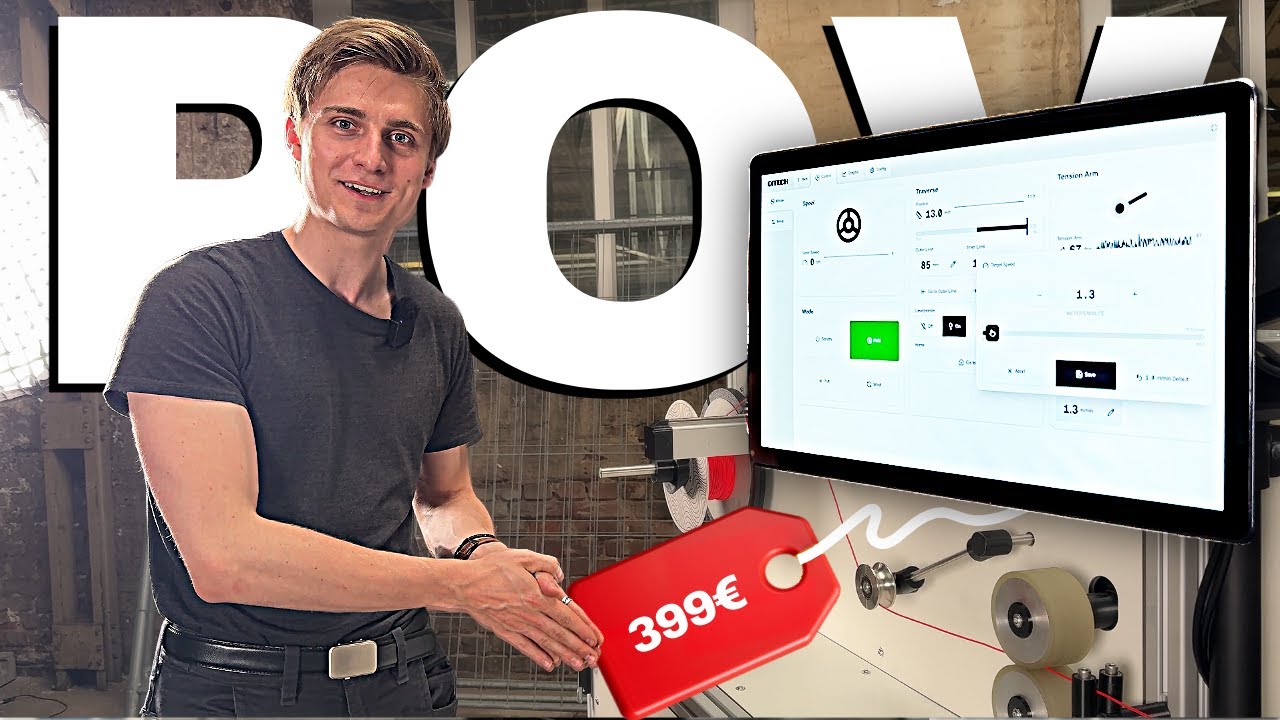](https://www.youtube.com/watch?v=KI3YeBwfV-s)
|
||||
*Click here to watch a video demo of our software.*
|
||||
|
||||
- [Getting Started](https://github.com/qitechgmbh/control/wiki/Getting-Started)
|
||||
- [Architecture Overview](https://github.com/qitechgmbh/control/wiki/Architecture-Overview)
|
||||
- [EtherCAT Basics](https://github.com/qitechgmbh/control/wiki/Ethercat-Basics)
|
||||
- [Device Examples](https://github.com/qitechgmbh/control/wiki/Hardware-Examples)
|
||||
- [REST API Reference](https://github.com/qitechgmbh/control/wiki/Rest-Api)
|
||||
[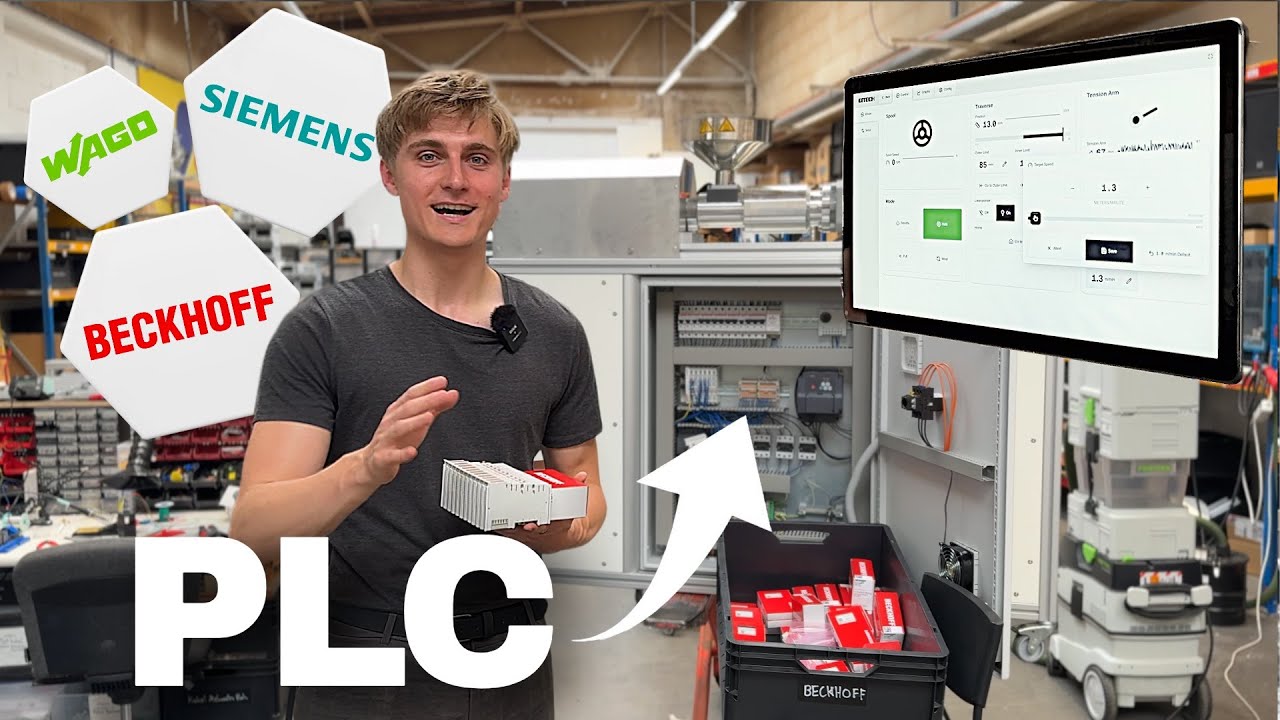](https://youtu.be/55egCAkQgyM)
|
||||
*Click here to watch a full explainer Video of our Software.*
|
||||
|
||||
## Videos
|
||||
# Repo Structure
|
||||
|
||||
| Software Demo | Full Explainer |
|
||||
|---------------|----------------|
|
||||
| [](https://www.youtube.com/watch?v=KI3YeBwfV-s)<br/>*Watch a demo of the control software in action* | [](https://youtu.be/55egCAkQgyM)<br/>*Watch a complete overview of QiTech Control* |
|
||||
Frontend
|
||||
|
||||
## Repository Structure
|
||||
- `/electron`: Frontend code for the control software built with React and Electron.
|
||||
|
||||
- **`/electron`** - React + Electron frontend
|
||||
- **`/server`** - Rust backend implementing machine logic
|
||||
- **`/ethercat-hal`** - Hardware abstraction layer for EtherCAT devices
|
||||
- **`/control-core`** - Core control logic
|
||||
- **`/nixos`** - Custom Linux OS with realtime kernel
|
||||
Backend
|
||||
|
||||
## Technology Stack
|
||||
- `/server`: Glue between Beckhoff and Electron. Implements machine logic.
|
||||
- `/ethercat-hal`: Hardware abstraction layer for Beckhoff (and possibly other EtherCat) devices and protocols.
|
||||
- `/ethercat-hal-derive`: Macros for `ethercat-hal`
|
||||
- `/control-core`: Core control logic for the server.
|
||||
|
||||
**Backend:** Rust with [Ethercrab](https://github.com/ethercrab-rs/ethercrab) for EtherCAT, [SocketIO](https://socket.io/) for real-time communication, [axum](https://docs.rs/axum/latest/axum/) for REST API
|
||||
Operating System
|
||||
|
||||
**Frontend:** [Electron](https://www.electronjs.org/) + [React](https://react.dev/) with [Shadcn](https://ui.shadcn.com/) components and [Tailwind](https://tailwindcss.com/) styling
|
||||
- `/nixos`: Custom Linux with realtime kernel & preconfigured for touchscreens.
|
||||
|
||||
Other
|
||||
|
||||
- `/docs`: Documentation for the project.
|
||||
|
||||
# Technology Choices
|
||||
|
||||
## Backend
|
||||
|
||||
To interface with Beckhoff and other EtherCAT devices we need an EtherCAT master software. Possibilities are [PySOEM](https://github.com/bnjmnp/pysoem) (Python), [SOEM](https://github.com/OpenEtherCATsociety/SOEM) (C) and [Ethercrab](https://github.com/ethercrab-rs/ethercrab) (Rust). For realtime operation only C and Rust are suitable. We chose Rust because of safety and confidence in the written code.
|
||||
|
||||
[SocketIO](https://socket.io/) was chosen for performant event driven communication from the backend to the server. But we still use REST with [axum](https://docs.rs/axum/latest/axum/) for the communication thet benefits from the request/response model.
|
||||
|
||||
We use [Smol](https://github.com/smol-rs/smol) for EtherCAT IO in the control loop for it's performance and [Tokio](https://tokio.rs/) for server IO because of it's ecosystem and maturity.
|
||||
|
||||
## Frontend
|
||||
|
||||
We could combine the code of the frontend and backend using [Doxius](https://dioxuslabs.com/) but it lacks good Linux support. We chose [Electron](https://www.electronjs.org/) with [React](https://react.dev/) for it's maturity and ecosystem. For the UI we use [Shadcn](https://ui.shadcn.com/) components and [Tailwind](https://tailwindcss.com/) for styling. For routing we use [TanStack Router](https://tanstack.com/router/v1).
|
||||
|
||||
# Dev Setup
|
||||
|
||||
[Developer Documentation](./docs/developer-docs/)
|
||||
|
||||
## Backend
|
||||
|
||||
- Rust stable 1.86^ toolchain (install via [rustup](https://rustup.rs/))
|
||||
- `rust-analyzer` extension for VSCode
|
||||
- Set your interface in `server/src/ethercat/init.rs` like `en10`
|
||||
- Connect a Beckhoff EK1100 to your interface
|
||||
- run `cd server && cargo run` to start the server (localhost:3001)
|
||||
|
||||
## Frontend
|
||||
|
||||
- nodejs and npm installed
|
||||
- run `cd electron && npm i && npm run start` to start the frontend
|
||||
|
||||
# Machines
|
||||
|
||||
| Machine Type | Version | Release Date | Description | Change to Previous Version | Vendor ID | Machine ID | Implemented | Docs |
|
||||
| ------------ | ------- | ------------ | --------------------------- | ------------------------------------------------------ | -------------------------- | ---------- | ----------- | ------------------------------- |
|
||||
| Winder | V1 | ??? | Winding Filaments & Similar | - | 1 (Qitech Industries GmbH) | 1 | Reserved | - |
|
||||
| Winder | V2 | 2025 | Winding Filaments & Similar | Reengineered Traverse | 1 (Qitech Industries GmbH) | 2 | Yes | [](./docs/machines/winder-1.md) |
|
||||
| Extruder | V1 | ??? | Single Screw Extruder | - | 1 (Qitech Industries GmbH) | 3 | Reserved | - |
|
||||
| Extruder | V2 | 2025 | Single Screw Extruder | PT100 Thermometers, Optional Additional Heating Zone 4 | 1 (Qitech Industries GmbH) | 4 | Yes | |
|
||||
| Waterway | V1 | 2025 | Filament Water Cooling | - | 1 (Qitech Industries GmbH) | 5 | In Progress | |
|
||||
| Laser | V1 | ??? | Diameter Measuring Laser | - | 1 (Qitech Industries GmbH) | 6 | Yes | |
|
||||
| Mock | - | ??? | Mock Machine for Testing | - | 1 (Qitech Industries GmbH) | 7 | Yes | - |
|
||||
|
||||
# Minimal Hardware Examples
|
||||
|
||||
For complete step-by-step tutorials on setting up your first hardware, including wiring diagrams and software configuration, see the [Getting Started Guide](./docs/developer-docs/getting-started.md#minimal-hardware-examples).
|
||||
|
||||
Available examples:
|
||||
- **LED Control with EL2004** - Digital output control (simplest setup)
|
||||
- **Analog Input with EL3021** - Reading analog current measurements
|
||||
|
||||
|
||||
## Hardware Examples
|
||||
# More Docs
|
||||
|
||||
QiTech Control supports a wide range of EtherCAT hardware from WAGO and Beckhoff. We provide complete step-by-step tutorials with wiring diagrams and software configuration for many common modules.
|
||||
- [x] [Architecture & Data Flow](./docs/architecture-overview.md)
|
||||
|
||||
**[View all hardware examples and tutorials on the wiki](https://github.com/qitechgmbh/control/wiki/Hardware-Examples)**
|
||||
- [x] Example Winder V2
|
||||
|
||||
Quick links to popular examples:
|
||||
- [EL2004 - LED Control](https://github.com/qitechgmbh/control/wiki/Minimal-Example-El2004) (simplest setup for beginners)
|
||||
- [EL3021 - Analog Input](https://github.com/qitechgmbh/control/wiki/Minimal-Example-El3021)
|
||||
- [EL7031 - Stepper Motor Control](https://github.com/qitechgmbh/control/wiki/Minimal-Example-El7031-Motor)
|
||||
- [WAGO 750-402 - Digital Input](https://github.com/qitechgmbh/control/wiki/Minimal-Example-Wago750-402)
|
||||
- [WAGO 750-455 - Analog Input](https://github.com/qitechgmbh/control/wiki/Minimal-Example-Wago-750-455)
|
||||
- [ ] Electron
|
||||
|
||||
## QiTech Machines
|
||||
- Folder Structure
|
||||
- Routing with TanStack Router
|
||||
- Design with Tailwind & Shadcn
|
||||
- ...
|
||||
|
||||
QiTech Control powers 10+ production machines for filament extrusion, winding, measurement, and material processing.
|
||||
- [ ] Interfacing with Electron/Server
|
||||
|
||||
**[View complete machine catalog on the wiki](https://github.com/qitechgmbh/control/wiki/QiTech-Machines)**
|
||||
- [ ] SocketIO
|
||||
- Machine Namespace
|
||||
- Main Namespace
|
||||
- [ ] REST
|
||||
- Machine Mutations
|
||||
- Write Device Identification
|
||||
|
||||
- Server
|
||||
|
||||
## Contributing
|
||||
- [x] [Threading](./docs/control-loop.md)
|
||||
- [x] [Logging](./docs/logging.md)
|
||||
- [ ] Control Loop Setup
|
||||
- Control Loop Thread
|
||||
- [ ] realtime
|
||||
- Maindevice
|
||||
- Group
|
||||
- Extracting Device Identifications
|
||||
- Identifying Groups
|
||||
- Validating Machines
|
||||
- Run Control Loop
|
||||
- [x] [Control Loop](./docs/control-loop.md)
|
||||
- [x] [Machine/Device Identification](./docs/identification.md)
|
||||
- [ ] Machines
|
||||
- When to create a new Machine?
|
||||
- Versioning
|
||||
- Code sharing
|
||||
- Creating/Validating a Machine
|
||||
- Validation
|
||||
- Configuration
|
||||
- [ ] Machine Implementation Guide
|
||||
- Link: How to create a Device
|
||||
- Link: How to create an Actor
|
||||
- Link: How to create a Machine
|
||||
- API (SocketIO + REST)
|
||||
- Creation/Validation Logic
|
||||
- Optional/Mandatory Devices
|
||||
- Validate Devices
|
||||
- Business Logic
|
||||
- Link: How to create Machine Abstraction (Like Traverse/Puller/...)
|
||||
- Forward `act` in winder.
|
||||
|
||||
This is an open-source project. Contributions are welcome! Please see the [wiki](https://github.com/qitechgmbh/control/wiki) for development guidelines.
|
||||
- [ ] Control Core
|
||||
|
||||
- [x] [Actors](./docs/actors.md)
|
||||
- [ ] SocketIO
|
||||
- Namespaces & Caching
|
||||
- Joining leaving namespaces
|
||||
- NamespaceId
|
||||
- Caching
|
||||
- Serverside Caching
|
||||
- Clientside Caching
|
||||
- [ ] REST
|
||||
|
||||
- [x] Ethercat HAL
|
||||
|
||||
## Additional Videos
|
||||
- [x] [Devices](./docs/devices.md)
|
||||
- [x] [Configuration (CoE)](./docs/coe.md)
|
||||
- [x] [IO](./docs/io.md)
|
||||
- [x] [PDO](./docs/pdo.md)
|
||||
|
||||
| Episode Highlights | |
|
||||
|--------------------|--------------------|
|
||||
| [](https://www.youtube.com/watch?v=U2wNN6sF4to&t=163s)<br/>**Day in the Software Team**<br/>*Behind the scenes with Robin and how the team ships control software.* | [](https://www.youtube.com/watch?v=R5WGAY3WRWA&t=1s)<br/>**Software Stack Day**<br/>*A fast tour through the tools, stack, and daily workflow.* |
|
||||
| [](https://www.youtube.com/watch?v=xyaHwxXguw4&t=32s)<br/>**First Client**<br/>*A milestone week building the first real client project.* | [](https://www.youtube.com/watch?v=moI7z2PVdF4)<br/>**Steelworks Week**<br/>*A deep-dive week on a demanding steelworks order.* |
|
||||
- [x] [Ethercat Basics](./docs/ethercat-basics.md)
|
||||
|
||||
## License
|
||||
|
||||
See [LICENSE](LICENSE) file for details.
|
||||
- [x] [NixOS Operating System](./docs/nixos/README.md)
|
||||
@@ -9,11 +9,11 @@ workspace = true
|
||||
[dependencies]
|
||||
anyhow = "1.0.100"
|
||||
|
||||
axum = "0.8.8"
|
||||
axum = "0.8.6"
|
||||
|
||||
ethercat_hal = { path = "../ethercat-hal" }
|
||||
units = { path = "../units" }
|
||||
ethercrab = { git = "https://github.com/v-morlock/ethercrab", branch = "main" }
|
||||
ethercrab = "0.6"
|
||||
interfaces = "0.0.9"
|
||||
serde = "1.0.219"
|
||||
serialport = "4.7.3"
|
||||
|
||||
@@ -1,24 +0,0 @@
|
||||
#!/bin/sh
|
||||
|
||||
# Generate 18 random alphanumeric characters base64 encode It
|
||||
password=$(head -c 18 /dev/urandom | base64)
|
||||
|
||||
echo "Basic Authentication; user=machine password=$password"
|
||||
echo $password > /tmp/machine_password
|
||||
|
||||
caddy_hash=$(caddy hash-password --plaintext $password)
|
||||
|
||||
echo "(machine_basic_auth) {
|
||||
basic_auth {
|
||||
machine $caddy_hash
|
||||
}
|
||||
}" | sudo tee /var/lib/caddy/auth_snippet.conf
|
||||
|
||||
# Transfer ownership to caddy user
|
||||
sudo chown caddy:caddy /var/lib/caddy/auth_snippet.conf
|
||||
|
||||
# Tigther permissions (Only readable by root or caddy user)
|
||||
sudo chmod 600 /var/lib/caddy/auth_snippet.conf
|
||||
|
||||
sudo systemctl restart caddy.service
|
||||
|
||||

|
Before Width: | Height: | Size: 2.3 MiB |

|
Before Width: | Height: | Size: 29 KiB |

|
Before Width: | Height: | Size: 1.4 MiB |

|
Before Width: | Height: | Size: 2.1 MiB |

|
Before Width: | Height: | Size: 2.2 MiB |

|
Before Width: | Height: | Size: 687 KiB |

|
Before Width: | Height: | Size: 32 KiB |

|
Before Width: | Height: | Size: 68 KiB |

|
Before Width: | Height: | Size: 6.6 MiB |

|
Before Width: | Height: | Size: 72 KiB |

|
Before Width: | Height: | Size: 5.2 MiB |

|
Before Width: | Height: | Size: 4.3 MiB |

|
Before Width: | Height: | Size: 28 KiB |

|
Before Width: | Height: | Size: 29 KiB |

|
Before Width: | Height: | Size: 37 KiB |

|
Before Width: | Height: | Size: 5.9 MiB |

|
Before Width: | Height: | Size: 203 KiB |

|
Before Width: | Height: | Size: 74 KiB |

|
Before Width: | Height: | Size: 83 KiB |

|
Before Width: | Height: | Size: 5.4 MiB |

|
Before Width: | Height: | Size: 5.9 MiB |

|
Before Width: | Height: | Size: 2.1 MiB |

|
Before Width: | Height: | Size: 41 KiB |

|
Before Width: | Height: | Size: 41 KiB |

|
Before Width: | Height: | Size: 64 KiB |

|
Before Width: | Height: | Size: 4.6 MiB |

|
Before Width: | Height: | Size: 4.2 MiB |

|
Before Width: | Height: | Size: 4.3 MiB |

|
Before Width: | Height: | Size: 2.1 MiB |

|
Before Width: | Height: | Size: 30 KiB |

|
Before Width: | Height: | Size: 45 KiB |

|
Before Width: | Height: | Size: 2.4 MiB |

|
Before Width: | Height: | Size: 2.3 MiB |

|
Before Width: | Height: | Size: 985 KiB |

|
Before Width: | Height: | Size: 55 KiB |
@@ -1,931 +0,0 @@
|
||||
# Wago Stepper Controller - Developer Documentation
|
||||
|
||||
**Models:** 750-671 & 750-672
|
||||
**Last Updated:** February 2026
|
||||
|
||||
## Table of Contents
|
||||
|
||||
1. [Overview](#overview)
|
||||
2. [Hardware Quick Reference](#hardware-quick-reference)
|
||||
3. [Architecture & Code Organization](#architecture--code-organization)
|
||||
4. [Control & Status Bytes](#control--status-bytes)
|
||||
5. [Implementation Details](#implementation-details)
|
||||
6. [Prescalers & Calculations](#prescalers--calculations)
|
||||
7. [Common Pitfalls & Debug Tips](#common-pitfalls--debug-tips)
|
||||
|
||||
---
|
||||
|
||||
## Overview
|
||||
|
||||
The Wago Stepper Controllers (750-671 and 750-672) drive stepper motors via EtherCAT. This documentation focuses on **velocity/speed control mode** implementation.
|
||||
|
||||
### Key Differences Between Models
|
||||
|
||||
| Feature | 750-671 | 750-672 |
|
||||
| --------------- | ------------------------------------------ | ------------------------------------ |
|
||||
| Max Voltage | 50 VDC | 70 VDC |
|
||||
| Max Current | 5 A | 7.5 A |
|
||||
| Speed Control | Via Application Selector in config | Via Control Byte C1 command |
|
||||
| Control Byte C1 | Different bit layout (M_Speed_Control bit) | Command field (0x18 = Speed Control) |
|
||||
|
||||
**For 750-671:** Must set `Application_Selector = 2` and `PWM_Period = 0` in WAGO I/O CHECK before using speed control.
|
||||
|
||||
**For 750-672:** Speed control is selected directly via command in Control Byte C1 (no config needed).
|
||||
|
||||
### Process Image
|
||||
|
||||
Both models use **12 bytes bidirectional** (96 bits each way):
|
||||
|
||||
```
|
||||
Input (TxPDO - Controller → PLC):
|
||||
[0] S0 (status)
|
||||
[1] Reserved
|
||||
[2-3] Actual Velocity (i16)
|
||||
[4-5] Reserved
|
||||
[6-8] Actual Position (24-bit: L, M, H)
|
||||
[9] S3 (digital inputs, warnings)
|
||||
[10] S2 (busy, error, on_speed, etc.)
|
||||
[11] S1 (acknowledgments)
|
||||
|
||||
Output (RxPDO - PLC → Controller):
|
||||
[0] C0 (control)
|
||||
[1] Reserved
|
||||
[2-3] Target Velocity (i16, clamped to ±25000)
|
||||
[4-5] Acceleration (u16)
|
||||
[6-8] Position (24-bit: L, M, H)
|
||||
[9] C3 (position/reset control)
|
||||
[10] C2 (prescalers, error quit)
|
||||
[11] C1 (main control: enable, start, mode)
|
||||
```
|
||||
|
||||
---
|
||||
|
||||
## Hardware Quick Reference
|
||||
|
||||
### Connections
|
||||
|
||||
| Pin | Name | Purpose |
|
||||
|-----|------|---------|
|
||||
| DI1+ | Digital Input 1 | Enable input (connect to 24V or control via software) |
|
||||
| DI2+ | Digital Input 2 | Referencing input |
|
||||
| DI- | Ground | Reference potential for DI1/DI2 |
|
||||
| A1, A2 | Motor Winding A | Connect to motor phase A |
|
||||
| B1, B2 | Motor Winding B | Connect to motor phase B |
|
||||
|
||||
### Status LEDs
|
||||
|
||||
- **LED H:** Shows error codes via blink patterns (see Wago manual section 3.3 for error codes)
|
||||
- Other LEDs show Ready, Enable, Busy states (see manual section 2.1.2.3)
|
||||
|
||||
---
|
||||
|
||||
## Architecture & Code Organization
|
||||
|
||||
### File Structure
|
||||
|
||||
```
|
||||
devices/
|
||||
wago_modules/
|
||||
wago_750_672.rs # Device struct, EtherCAT interface
|
||||
|
||||
io/
|
||||
stepper_velocity_wago_750_672.rs # High-level wrapper & byte helpers
|
||||
```
|
||||
|
||||
### Key Components
|
||||
|
||||
#### 1. `Wago750_672` Struct (EtherCAT Device)
|
||||
|
||||
Located in `devices/wago_modules/wago_750_672.rs`
|
||||
|
||||
```rust
|
||||
pub struct Wago750_672 {
|
||||
is_used: bool,
|
||||
tx_bit_offset: usize, // Input data offset
|
||||
rx_bit_offset: usize, // Output data offset
|
||||
pub rxpdo: Wago750_672RxPdo, // Data we send
|
||||
pub txpdo: Wago750_672TxPdo, // Data we receive
|
||||
module: Option<Module>,
|
||||
pub state: InitState,
|
||||
pub initialized: bool,
|
||||
}
|
||||
```
|
||||
|
||||
**Responsibilities:**
|
||||
- Implements EtherCAT device traits
|
||||
- Handles bit-level I/O with process image
|
||||
- Runs state machine in `input()` method
|
||||
- Thread-safe (used via `Arc<RwLock<>>`)
|
||||
|
||||
#### 2. `StepperVelocityWago750672` Wrapper
|
||||
|
||||
Located in `io/stepper_velocity_wago_750_672.rs`
|
||||
|
||||
```rust
|
||||
pub struct StepperVelocityWago750672 {
|
||||
pub device: Arc<RwLock<Wago750_672>>,
|
||||
pub state: InitState,
|
||||
pub target_velocity: i16,
|
||||
pub target_acceleration: u16,
|
||||
pub enabled: bool,
|
||||
pub freq_range_sel: u8,
|
||||
pub acc_range_sel: u8,
|
||||
}
|
||||
```
|
||||
|
||||
**Responsibilities:**
|
||||
- Provides high-level API (`set_velocity()`, `set_enabled()`)
|
||||
- Manages prescaler settings
|
||||
- Abstracts away state machine complexity
|
||||
|
||||
### Why Two Layers?
|
||||
|
||||
1. **`Wago750_672`:** Low-level EtherCAT device that handles cycle-by-cycle I/O
|
||||
2. **`StepperVelocityWago750672`:** High-level wrapper for application logic
|
||||
|
||||
This separation allows:
|
||||
- EtherCAT device to run in tight real-time loop
|
||||
- Application code to use simple API without worrying about cycles/acknowledgments
|
||||
- Easy testing of each layer independently
|
||||
|
||||
---
|
||||
|
||||
## Control & Status Bytes
|
||||
|
||||
### Design Pattern: Type-Safe Byte Construction
|
||||
|
||||
Instead of hardcoding hex values like `0x1B`, we use builder pattern with enums:
|
||||
|
||||
```rust
|
||||
// ❌ BAD - magic numbers, error-prone
|
||||
dev.rxpdo.c1 = 0x1B;
|
||||
|
||||
// ✅ GOOD - explicit, self-documenting
|
||||
let c1 = ControlByteC1::new()
|
||||
.with_flag(C1Flag::Enable)
|
||||
.with_flag(C1Flag::Stop2N)
|
||||
.with_command(C1Command::SpeedControl)
|
||||
.bits();
|
||||
dev.rxpdo.c1 = c1;
|
||||
```
|
||||
|
||||
### Wago 750-672 Control Bytes
|
||||
|
||||
#### Control Byte C1 (Offset 11) - Main Control
|
||||
|
||||
```rust
|
||||
pub struct ControlByteC1(u8);
|
||||
|
||||
pub enum C1Flag {
|
||||
Enable = 0b0000_0001, // Bit 0: Must be 1 to enable
|
||||
Stop2N = 0b0000_0010, // Bit 1: Must be 1 for normal operation
|
||||
Start = 0b0000_0100, // Bit 2: Rising edge triggers action
|
||||
}
|
||||
|
||||
pub enum C1Command {
|
||||
Idle = 0b0000_0000, // Bits 3-7: Operating mode
|
||||
SinglePosition = 0b0000_1000,
|
||||
RunProgram = 0b0001_0000,
|
||||
SpeedControl = 0b0001_1000, // ← We use this
|
||||
Reference = 0b0010_0000,
|
||||
JogMode = 0b0010_1000,
|
||||
Mailbox = 0b0011_0000,
|
||||
}
|
||||
```
|
||||
|
||||
**Implementation:**
|
||||
|
||||
```rust
|
||||
impl ControlByteC1 {
|
||||
pub const fn new() -> Self {
|
||||
Self(0)
|
||||
}
|
||||
|
||||
pub const fn with_flag(mut self, flag: C1Flag) -> Self {
|
||||
self.0 |= flag as u8; // OR in the bit
|
||||
self
|
||||
}
|
||||
|
||||
pub const fn with_command(mut self, cmd: C1Command) -> Self {
|
||||
self.0 = (self.0 & 0b0000_0111) | (cmd as u8); // Mask lower 3 bits, set upper 5
|
||||
self
|
||||
}
|
||||
|
||||
pub const fn bits(self) -> u8 {
|
||||
self.0
|
||||
}
|
||||
}
|
||||
```
|
||||
|
||||
**Key Points:**
|
||||
- `const fn` allows compile-time evaluation
|
||||
- Chainable builder pattern
|
||||
- Command overwrites bits 3-7 while preserving 0-2
|
||||
- Flags are additive (multiple can be set)
|
||||
|
||||
#### Control Byte C2 (Offset 10) - Prescalers & Error Handling
|
||||
|
||||
```rust
|
||||
pub struct ControlByteC2(u8);
|
||||
|
||||
pub enum C2Flag {
|
||||
FreqRangeSelL = 0b0000_0001, // Bit 0: Freq prescaler LSB
|
||||
FreqRangeSelH = 0b0000_0010, // Bit 1: Freq prescaler MSB
|
||||
AccRangeSelL = 0b0000_0100, // Bit 2: Acc prescaler LSB
|
||||
AccRangeSelH = 0b0000_1000, // Bit 3: Acc prescaler MSB
|
||||
PreCalc = 0b0100_0000, // Bit 6: Pre-calculation
|
||||
ErrorQuit = 0b1000_0000, // Bit 7: Acknowledge error
|
||||
}
|
||||
|
||||
impl ControlByteC2 {
|
||||
pub const fn with_freq_range(mut self, sel: u8) -> Self {
|
||||
self.0 = (self.0 & 0b1111_1100) | (sel & 0b0000_0011);
|
||||
self
|
||||
}
|
||||
|
||||
pub const fn with_acc_range(mut self, sel: u8) -> Self {
|
||||
self.0 = (self.0 & 0b1111_0011) | ((sel & 0b0000_0011) << 2);
|
||||
self
|
||||
}
|
||||
}
|
||||
```
|
||||
|
||||
**Critical:** Prescalers can only be changed when controller is **disabled** (before Enable state).
|
||||
|
||||
#### Control Byte C3 (Offset 9) - Position & Reset
|
||||
|
||||
```rust
|
||||
pub struct ControlByteC3(u8);
|
||||
|
||||
pub enum C3Flag {
|
||||
SetActualPos = 0b0000_0001, // Bit 0: Set current position
|
||||
DirectionPos = 0b0000_0010, // Bit 2: Force positive direction
|
||||
DirectionNeg = 0b0000_0100, // Bit 3: Force negative direction
|
||||
ResetQuit = 0b1000_0000, // Bit 7: Acknowledge reset
|
||||
}
|
||||
```
|
||||
|
||||
### Status Bytes (Read-Only)
|
||||
|
||||
#### Status Byte S1 (Offset 11) - Acknowledgments
|
||||
|
||||
```rust
|
||||
pub struct StatusByteS1(u8);
|
||||
|
||||
pub enum S1Flag {
|
||||
Ready = 0b0000_0001, // Bit 0: Acknowledges Enable
|
||||
Stop2NAck = 0b0000_0010, // Bit 1: Acknowledges Stop2_N
|
||||
StartAck = 0b0000_0100, // Bit 2: Acknowledges Start
|
||||
}
|
||||
// Bits 3-7: Mirrors C1 command when acknowledged
|
||||
|
||||
impl StatusByteS1 {
|
||||
pub const fn has_flag(self, flag: S1Flag) -> bool {
|
||||
(self.0 & flag as u8) != 0
|
||||
}
|
||||
}
|
||||
```
|
||||
|
||||
**Usage Pattern:**
|
||||
```rust
|
||||
// Wait for acknowledgment
|
||||
if self.txpdo.s1 == c1 {
|
||||
// All bits acknowledged, proceed
|
||||
}
|
||||
```
|
||||
|
||||
#### Status Byte S2 (Offset 10) - Operation Status
|
||||
|
||||
```rust
|
||||
pub struct StatusByteS2(u8);
|
||||
|
||||
pub enum S2Flag {
|
||||
OnTarget = 0b0000_0001, // Bit 0: Position reached (positioning mode)
|
||||
Busy = 0b0000_0010, // Bit 1: Executing command
|
||||
StandStill = 0b0000_0100, // Bit 2: Motor not moving
|
||||
OnSpeed = 0b0000_1000, // Bit 3: Target velocity reached
|
||||
Direction = 0b0001_0000, // Bit 4: Rotation direction (0=neg, 1=pos)
|
||||
ReferenceOk = 0b0010_0000, // Bit 5: Referencing complete
|
||||
PreCalcAck = 0b0100_0000, // Bit 6: Pre-calc acknowledged
|
||||
Error = 0b1000_0000, // Bit 7: Error occurred (check LED H)
|
||||
}
|
||||
```
|
||||
|
||||
**Critical for velocity control:** Monitor `OnSpeed` bit to know when target velocity is reached.
|
||||
|
||||
#### Status Byte S3 (Offset 9) - Digital Inputs & Warnings
|
||||
|
||||
```rust
|
||||
pub struct StatusByteS3(u8);
|
||||
|
||||
pub enum S3Flag {
|
||||
Input1 = 0b0000_0001, // Bits 0-5: Digital input states
|
||||
Input2 = 0b0000_0010,
|
||||
Input3 = 0b0000_0100,
|
||||
Input4 = 0b0000_1000,
|
||||
Input5 = 0b0001_0000,
|
||||
Input6 = 0b0010_0000,
|
||||
Warning = 0b0100_0000, // Bit 6: Warning condition
|
||||
Reset = 0b1000_0000, // Bit 7: Reset requested
|
||||
}
|
||||
```
|
||||
|
||||
---
|
||||
|
||||
## Implementation Details
|
||||
|
||||
### Critical Initialization Sequence
|
||||
|
||||
⚠️ **This sequence MUST be followed exactly or the controller won't work:**
|
||||
|
||||
1. **Set non-zero acceleration** (before enabling)
|
||||
2. **Set Enable + Stop2_N** (wait for ack)
|
||||
3. **Set operating mode** (0x18 for speed control, wait for ack)
|
||||
4. **Issue Start pulse** (set to 1, wait for ack, set to 0, wait for ack clear)
|
||||
5. **Running** (repeat step 4 every time velocity changes)
|
||||
|
||||
### State Machine (Why It Exists)
|
||||
|
||||
The state machine exists because **acknowledgments happen in different EtherCAT cycles**. You can't just set everything in one cycle.
|
||||
|
||||
```rust
|
||||
#[derive(Debug, Clone)]
|
||||
pub enum InitState {
|
||||
Off, // Controller disabled
|
||||
Enable, // Setting Enable + Stop2_N, waiting for ack
|
||||
SetMode, // Setting speed control mode, waiting for ack
|
||||
StartPulseStart, // Setting Start bit, waiting for ack
|
||||
StartPulseEnd, // Clearing Start bit, waiting for ack clear
|
||||
Running, // Normal operation
|
||||
ErrorQuit, // Handling error
|
||||
ResetQuit, // Handling reset
|
||||
}
|
||||
```
|
||||
|
||||
### State Machine Implementation
|
||||
|
||||
Located in `Wago750_672::input()` method (runs every EtherCAT cycle):
|
||||
|
||||
```rust
|
||||
fn input(&mut self, input: &BitSlice) -> Result<(), anyhow::Error> {
|
||||
// 1. Read process image from controller
|
||||
let base = self.tx_bit_offset;
|
||||
let mut b = [0u8; 12];
|
||||
for i in 0..12 {
|
||||
b[i] = input[base + i * 8..base + (i + 1) * 8].load_le();
|
||||
}
|
||||
|
||||
self.txpdo = Wago750_672TxPdo {
|
||||
s0: b[0],
|
||||
actual_velocity: i16::from_le_bytes([b[2], b[3]]),
|
||||
position_l: b[6],
|
||||
position_m: b[7],
|
||||
position_h: b[8],
|
||||
s3: b[9],
|
||||
s2: b[10],
|
||||
s1: b[11],
|
||||
};
|
||||
|
||||
// 2. State machine logic
|
||||
match self.state {
|
||||
InitState::Off => {
|
||||
self.initialized = false;
|
||||
// Do nothing until external enable request
|
||||
}
|
||||
|
||||
InitState::Enable => {
|
||||
// Build C1 byte with Enable and Stop2_N
|
||||
let c1 = ControlByteC1::new()
|
||||
.with_flag(C1Flag::Enable)
|
||||
.with_flag(C1Flag::Stop2N)
|
||||
.bits();
|
||||
self.rxpdo.c1 = c1;
|
||||
|
||||
// Wait for acknowledgment
|
||||
if self.txpdo.s1 == c1 {
|
||||
self.state = InitState::SetMode;
|
||||
}
|
||||
}
|
||||
|
||||
InitState::SetMode => {
|
||||
// Add speed control command
|
||||
let c1 = ControlByteC1::new()
|
||||
.with_flag(C1Flag::Enable)
|
||||
.with_flag(C1Flag::Stop2N)
|
||||
.with_command(C1Command::SpeedControl)
|
||||
.bits();
|
||||
self.rxpdo.c1 = c1;
|
||||
|
||||
// Wait for mode acknowledgment
|
||||
if self.txpdo.s1 == c1 {
|
||||
self.initialized = true;
|
||||
self.state = InitState::StartPulseStart;
|
||||
}
|
||||
}
|
||||
|
||||
InitState::StartPulseStart => {
|
||||
// Set Start bit
|
||||
let c1 = ControlByteC1::new()
|
||||
.with_flag(C1Flag::Enable)
|
||||
.with_flag(C1Flag::Stop2N)
|
||||
.with_flag(C1Flag::Start) // ← Rising edge
|
||||
.with_command(C1Command::SpeedControl)
|
||||
.bits();
|
||||
self.rxpdo.c1 = c1;
|
||||
|
||||
// Wait for Start acknowledgment
|
||||
if self.txpdo.s1 == c1 {
|
||||
self.state = InitState::StartPulseEnd;
|
||||
}
|
||||
}
|
||||
|
||||
InitState::StartPulseEnd => {
|
||||
// Clear Start bit
|
||||
let c1 = ControlByteC1::new()
|
||||
.with_flag(C1Flag::Enable)
|
||||
.with_flag(C1Flag::Stop2N)
|
||||
.with_command(C1Command::SpeedControl)
|
||||
.bits();
|
||||
self.rxpdo.c1 = c1;
|
||||
|
||||
// Wait for acknowledgment to clear
|
||||
if self.txpdo.s1 == c1 {
|
||||
self.state = InitState::Running;
|
||||
}
|
||||
}
|
||||
|
||||
InitState::Running => {
|
||||
// Monitor for errors and resets
|
||||
let c2_error_mask = ControlByteC2::new().with_flag(C2Flag::ErrorQuit).bits();
|
||||
let c3_reset_mask = ControlByteC3::new().with_flag(C3Flag::ResetQuit).bits();
|
||||
|
||||
if self.txpdo.s2 & c2_error_mask != 0 {
|
||||
self.state = InitState::ErrorQuit;
|
||||
} else if self.txpdo.s3 & c3_reset_mask != 0 {
|
||||
self.state = InitState::ResetQuit;
|
||||
}
|
||||
}
|
||||
|
||||
InitState::ErrorQuit => {
|
||||
// Set Error_Quit bit to acknowledge
|
||||
self.rxpdo.c2 |= ControlByteC2::new().with_flag(C2Flag::ErrorQuit).bits();
|
||||
tracing::error!("Stepper Controller Errored. Trying to reenable...");
|
||||
self.state = InitState::Enable; // Restart initialization
|
||||
}
|
||||
|
||||
InitState::ResetQuit => {
|
||||
// Set Reset_Quit bit to acknowledge
|
||||
self.rxpdo.c3 |= ControlByteC3::new().with_flag(C3Flag::ResetQuit).bits();
|
||||
tracing::error!("Stepper Controller Reset. Trying to reenable...");
|
||||
self.state = InitState::Enable; // Restart initialization
|
||||
}
|
||||
}
|
||||
|
||||
Ok(())
|
||||
}
|
||||
```
|
||||
|
||||
**Key Implementation Notes:**
|
||||
|
||||
1. **State changes happen AFTER acknowledgment:** We wait for `self.txpdo.s1 == c1` before moving to next state
|
||||
2. **Enable and Stop2_N stay high:** They're included in every C1 byte after Enable state
|
||||
3. **Start pulse is a rising edge:** Must go 1 → 0, not just stay at 1
|
||||
4. **Error recovery:** Automatically attempts to re-enable on error/reset
|
||||
|
||||
### High-Level API Implementation
|
||||
|
||||
Located in `StepperVelocityWago750672`:
|
||||
|
||||
```rust
|
||||
pub fn set_enabled(&mut self, enabled: bool) {
|
||||
// Prevent redundant enables
|
||||
if self.enabled && enabled {
|
||||
return;
|
||||
}
|
||||
|
||||
// Safety check: acceleration must be non-zero
|
||||
if self.get_target_acceleration() == 0 {
|
||||
return;
|
||||
}
|
||||
|
||||
self.enabled = enabled;
|
||||
if enabled {
|
||||
self.change_init_state(InitState::Enable);
|
||||
} else {
|
||||
self.change_init_state(InitState::Off);
|
||||
self.write_control_byte(ControlByte::C1, 0b00000000);
|
||||
}
|
||||
}
|
||||
|
||||
pub fn set_velocity(&mut self, velocity: i16) {
|
||||
self.target_velocity = velocity;
|
||||
|
||||
let mut dev = block_on(self.device.write());
|
||||
|
||||
// Clamp to valid range
|
||||
dev.rxpdo.velocity = velocity.clamp(-25000, 25000);
|
||||
|
||||
// Trigger Start pulse if already initialized
|
||||
if dev.initialized {
|
||||
dev.state = InitState::StartPulseStart;
|
||||
}
|
||||
}
|
||||
|
||||
pub fn set_acceleration(&mut self, acceleration: u16) {
|
||||
self.target_acceleration = acceleration;
|
||||
|
||||
let mut dev = block_on(self.device.write());
|
||||
dev.rxpdo.acceleration = acceleration;
|
||||
}
|
||||
```
|
||||
|
||||
**Why the wrapper?**
|
||||
- Application code doesn't need to know about state machine
|
||||
- Handles common errors (zero acceleration check)
|
||||
- Thread-safe access to device
|
||||
- Clamping and validation in one place
|
||||
|
||||
### Changing Velocity at Runtime
|
||||
|
||||
⚠️ **Critical:** Must issue a **new Start pulse** for every velocity change:
|
||||
|
||||
```rust
|
||||
// User calls this
|
||||
stepper.set_velocity(15000);
|
||||
|
||||
// Internally, set_velocity() does:
|
||||
dev.rxpdo.velocity = 15000;
|
||||
if dev.initialized {
|
||||
dev.state = InitState::StartPulseStart; // ← Triggers new pulse
|
||||
}
|
||||
|
||||
// State machine then handles:
|
||||
// StartPulseStart → StartPulseEnd → Running
|
||||
// (Takes 2-3 EtherCAT cycles)
|
||||
```
|
||||
|
||||
**Common mistake:** Setting velocity without triggering Start pulse - motor won't change speed.
|
||||
|
||||
---
|
||||
|
||||
## Prescalers & Calculations
|
||||
|
||||
Prescalers scale the velocity and acceleration values. They **can only be changed when disabled**.
|
||||
|
||||
### Frequency Prescaler (Bits 0-1 of C2)
|
||||
|
||||
Controls velocity scaling:
|
||||
|
||||
| Freq_Range_Sel | Prescaler | Max Frequency | Resolution |
|
||||
|----------------|-----------|---------------|------------|
|
||||
| 00 | 200 (default) | 10 kHz | Configurable |
|
||||
| 01 | 80 | 25 kHz | 1 Hz |
|
||||
| 10 | 20 | 100 kHz | 20 Hz |
|
||||
| 11 | 4 | 500 kHz | 20 Hz |
|
||||
|
||||
**Formula:**
|
||||
```
|
||||
Output Frequency (fp) = Velocity × 80 / Freq_Prescaler [Hz]
|
||||
```
|
||||
|
||||
**Example:**
|
||||
```rust
|
||||
// Freq_Range_Sel = 01 (prescaler = 80)
|
||||
// Velocity = 10000
|
||||
// Output: 10000 × 80 / 80 = 10000 Hz
|
||||
|
||||
stepper.set_freq_range_sel(1); // Must be done BEFORE enable
|
||||
stepper.set_velocity(10000);
|
||||
```
|
||||
|
||||
### Acceleration Prescaler (Bits 2-3 of C2)
|
||||
|
||||
Controls acceleration scaling:
|
||||
|
||||
| Acc_Range_Sel | Multiplier | Time to Max Speed |
|
||||
|---------------|------------|-------------------|
|
||||
| 00 | 8 (default) | 7600 ms |
|
||||
| 01 | 80 | 760 ms |
|
||||
| 10 | 800 | 76 ms |
|
||||
| 11 | 8000 | 7.6 ms |
|
||||
|
||||
**Formula:**
|
||||
```
|
||||
Acceleration (a) = Acceleration_Value × Acc_Multiplier / Freq_Prescaler [Hz/s]
|
||||
```
|
||||
|
||||
**Example:**
|
||||
```rust
|
||||
// Acc_Range_Sel = 01 (multiplier = 80)
|
||||
// Freq_Range_Sel = 01 (prescaler = 80)
|
||||
// Acceleration_Value = 10000
|
||||
// Output: 10000 × 80 / 80 = 10000 Hz/s
|
||||
|
||||
stepper.set_acc_range_sel(1); // Must be done BEFORE enable
|
||||
stepper.set_acceleration(10000);
|
||||
```
|
||||
|
||||
### Setting Prescalers (Implementation)
|
||||
|
||||
```rust
|
||||
pub fn set_freq_range_sel(&mut self, factor: u8) {
|
||||
// Safety checks
|
||||
if self.enabled || factor > 3 {
|
||||
return; // Can't change while enabled
|
||||
}
|
||||
|
||||
self.freq_range_sel = factor;
|
||||
|
||||
let mut dev = block_on(self.device.write());
|
||||
let c2 = ControlByteC2::from_bits(dev.rxpdo.c2)
|
||||
.with_freq_range(factor)
|
||||
.bits();
|
||||
dev.rxpdo.c2 = c2;
|
||||
}
|
||||
|
||||
pub fn set_acc_range_sel(&mut self, factor: u8) {
|
||||
if self.enabled || factor > 3 {
|
||||
return;
|
||||
}
|
||||
|
||||
self.acc_range_sel = factor;
|
||||
|
||||
let mut dev = block_on(self.device.write());
|
||||
let c2 = ControlByteC2::from_bits(dev.rxpdo.c2)
|
||||
.with_acc_range(factor)
|
||||
.bits();
|
||||
dev.rxpdo.c2 = c2;
|
||||
}
|
||||
```
|
||||
|
||||
**Usage:**
|
||||
```rust
|
||||
let mut stepper = StepperVelocityWago750672::new(device);
|
||||
|
||||
// Set prescalers FIRST (before enabling)
|
||||
stepper.set_freq_range_sel(1);
|
||||
stepper.set_acc_range_sel(1);
|
||||
stepper.set_acceleration(10000);
|
||||
|
||||
// Then enable
|
||||
stepper.set_enabled(true);
|
||||
|
||||
// Now can set velocity
|
||||
stepper.set_velocity(15000);
|
||||
```
|
||||
|
||||
---
|
||||
|
||||
## Common Pitfalls & Debug Tips
|
||||
|
||||
### 1. Controller Won't Enable
|
||||
|
||||
**Symptoms:**
|
||||
- State stuck in `Enable`
|
||||
- `initialized` never becomes true
|
||||
- Motor doesn't move
|
||||
|
||||
**Debug checklist:**
|
||||
```rust
|
||||
// Check acceleration is non-zero
|
||||
println!("Acceleration: {}", dev.rxpdo.acceleration); // Must be > 0
|
||||
|
||||
// Check DI1 if hardware enable is configured
|
||||
println!("DI1 state: {}", (dev.txpdo.s3 & 0x01) != 0); // Should be 1
|
||||
|
||||
// Check status byte acknowledgment
|
||||
println!("C1: {:#010b}", dev.rxpdo.c1);
|
||||
println!("S1: {:#010b}", dev.txpdo.s1); // Should match C1
|
||||
```
|
||||
|
||||
**Common causes:**
|
||||
```rust
|
||||
// ❌ Forgot to set acceleration
|
||||
stepper.set_acceleration(0); // Won't enable!
|
||||
|
||||
// ✅ Always set non-zero acceleration
|
||||
stepper.set_acceleration(10000);
|
||||
stepper.set_enabled(true);
|
||||
```
|
||||
|
||||
### 2. Velocity Won't Change
|
||||
|
||||
**Symptoms:**
|
||||
- Motor running but won't change speed
|
||||
- `set_velocity()` called but no effect
|
||||
|
||||
**Debug:**
|
||||
```rust
|
||||
// Check initialized flag
|
||||
println!("Initialized: {}", dev.initialized);
|
||||
|
||||
// Check state after velocity change
|
||||
println!("State: {:?}", dev.state); // Should become StartPulseStart
|
||||
|
||||
// Manually trigger Start pulse (bypass wrapper)
|
||||
dev.state = InitState::StartPulseStart;
|
||||
```
|
||||
|
||||
**Common causes:**
|
||||
```rust
|
||||
// ❌ Setting velocity before initialization
|
||||
stepper.set_velocity(10000); // Controller not ready yet
|
||||
|
||||
// ✅ Check initialized first
|
||||
if stepper.device.read().initialized {
|
||||
stepper.set_velocity(10000);
|
||||
}
|
||||
```
|
||||
|
||||
### 3. Prescaler Not Working
|
||||
|
||||
**Symptoms:**
|
||||
- Velocity calculation seems wrong
|
||||
- Can't reach expected frequency
|
||||
|
||||
**Debug:**
|
||||
```rust
|
||||
// Check prescalers were set BEFORE enabling
|
||||
println!("Freq prescaler: {}", stepper.freq_range_sel);
|
||||
println!("Acc prescaler: {}", stepper.acc_range_sel);
|
||||
println!("Enabled: {}", stepper.enabled);
|
||||
|
||||
// Check C2 byte
|
||||
let dev = stepper.device.read();
|
||||
println!("C2: {:#010b}", dev.rxpdo.c2);
|
||||
// Bits 0-1: freq, Bits 2-3: acc
|
||||
```
|
||||
|
||||
**Common causes:**
|
||||
```rust
|
||||
// ❌ Setting prescaler after enable
|
||||
stepper.set_enabled(true);
|
||||
stepper.set_freq_range_sel(1); // Too late! Ignored.
|
||||
|
||||
// ✅ Set prescalers FIRST
|
||||
stepper.set_freq_range_sel(1);
|
||||
stepper.set_acc_range_sel(1);
|
||||
stepper.set_enabled(true);
|
||||
```
|
||||
|
||||
### 4. State Machine Stuck
|
||||
|
||||
**Symptoms:**
|
||||
- State doesn't progress
|
||||
- Acknowledgments not received
|
||||
|
||||
**Debug:**
|
||||
```rust
|
||||
// Add logging to state machine
|
||||
match self.state {
|
||||
InitState::Enable => {
|
||||
println!("Enable state: C1={:#010b}, S1={:#010b}", self.rxpdo.c1, self.txpdo.s1);
|
||||
// ...
|
||||
}
|
||||
}
|
||||
|
||||
// Check EtherCAT communication
|
||||
// - Is cycle running?
|
||||
// - Are other devices working?
|
||||
// - Check bus topology
|
||||
```
|
||||
|
||||
### 5. Error Bit Set
|
||||
|
||||
**Symptoms:**
|
||||
- Error bit (S2 bit 7) is 1
|
||||
- LED H blinking
|
||||
- Controller stops
|
||||
|
||||
**Debug:**
|
||||
```rust
|
||||
// Check error state
|
||||
let s2 = StatusByteS2::from_bits(dev.txpdo.s2);
|
||||
if s2.has_flag(S2Flag::Error) {
|
||||
println!("ERROR DETECTED");
|
||||
|
||||
// Count LED H blinks for error code
|
||||
// See Wago manual section 3.3
|
||||
|
||||
// Check other status flags for clues
|
||||
println!("Busy: {}", s2.has_flag(S2Flag::Busy));
|
||||
println!("StandStill: {}", s2.has_flag(S2Flag::StandStill));
|
||||
}
|
||||
```
|
||||
|
||||
**Common error codes:**
|
||||
- **2 blinks:** Overcurrent
|
||||
- **3 blinks:** Position error
|
||||
- **4 blinks:** Encoder fault
|
||||
- See Wago manual for complete list
|
||||
|
||||
---
|
||||
|
||||
### Supporting Wago 750-671
|
||||
|
||||
The 750-671 uses different C1 bit layout:
|
||||
|
||||
1. **Create separate enum:**
|
||||
```rust
|
||||
// For 750-671
|
||||
pub enum C1Flag671 {
|
||||
Enable = 0b0000_0001, // Bit 0
|
||||
Stop2N = 0b0000_0010, // Bit 1
|
||||
Start = 0b0000_0100, // Bit 2
|
||||
MSpeedControl = 0b0000_1000, // Bit 3 (instead of command field)
|
||||
MProgram = 0b0001_0000, // Bit 4
|
||||
MReference = 0b0010_0000, // Bit 5
|
||||
MJog = 0b0100_0000, // Bit 6
|
||||
MDriveByMBX = 0b1000_0000, // Bit 7
|
||||
}
|
||||
```
|
||||
|
||||
---
|
||||
|
||||
## Quick Reference Card
|
||||
|
||||
### Initialization Checklist
|
||||
```rust
|
||||
// 1. Create and configure
|
||||
let stepper = StepperVelocityWago750672::new(device);
|
||||
|
||||
// 2. Set prescalers (optional, before enable)
|
||||
stepper.set_freq_range_sel(1); // 0-3
|
||||
stepper.set_acc_range_sel(1); // 0-3
|
||||
|
||||
// 3. Set non-zero acceleration (REQUIRED)
|
||||
stepper.set_acceleration(10000);
|
||||
|
||||
// 4. Enable
|
||||
stepper.set_enabled(true);
|
||||
|
||||
// 5. Set velocity (after initialized)
|
||||
stepper.set_velocity(15000); // ±25000 max
|
||||
```
|
||||
|
||||
### Key Constants
|
||||
```rust
|
||||
const SPEED_CONTROL_CMD: u8 = 0x18; // C1 command for 750-672
|
||||
const MAX_VELOCITY: i16 = 25000;
|
||||
const MIN_VELOCITY: i16 = -25000;
|
||||
const DEFAULT_ACCELERATION: u16 = 10000;
|
||||
```
|
||||
|
||||
### Critical Rules
|
||||
1. ⚠️ **Never enable with zero acceleration**
|
||||
2. ⚠️ **Always wait for acknowledgments**
|
||||
3. ⚠️ **Issue Start pulse for every velocity change**
|
||||
4. ⚠️ **Prescalers can only be changed when disabled**
|
||||
5. ⚠️ **Keep Enable and Stop2_N high during operation**
|
||||
|
||||
### Common Bit Patterns
|
||||
```rust
|
||||
// Enable + Stop2_N
|
||||
0b0000_0011
|
||||
|
||||
// Enable + Stop2_N + Speed Control
|
||||
0b0001_1011
|
||||
|
||||
// Enable + Stop2_N + Speed Control + Start
|
||||
0b0001_1111
|
||||
```
|
||||
|
||||
### Debug Commands
|
||||
```bash
|
||||
# View byte values
|
||||
println!("C1: {:#010b}", dev.rxpdo.c1);
|
||||
println!("S1: {:#010b}", dev.txpdo.s1);
|
||||
|
||||
# Check specific flags
|
||||
let s2 = StatusByteS2::from_bits(dev.txpdo.s2);
|
||||
println!("Error: {}", s2.has_flag(S2Flag::Error));
|
||||
println!("OnSpeed: {}", s2.has_flag(S2Flag::OnSpeed));
|
||||
|
||||
# Monitor state
|
||||
println!("State: {:?}", dev.state);
|
||||
println!("Initialized: {}", dev.initialized);
|
||||
```
|
||||
|
||||
---
|
||||
|
||||
## Additional Resources
|
||||
|
||||
- **Wago Manual:** Section 2.1.2.3 (LEDs), 3.3 (Error Codes)
|
||||
- **WAGO I/O CHECK:** Configuration software for 750-671 application selector
|
||||
- **EtherCAT Specification:** www.ethercat.org
|
||||
- **Code Location:**
|
||||
- Device: `devices/wago_modules/wago_750_672.rs`
|
||||
- Wrapper: `io/stepper_velocity_wago_750_672.rs`
|
||||
|
||||
---
|
||||
|
||||
## Changelog
|
||||
|
||||
| Version | Date | Changes |
|
||||
| ------- | ------- | ------------------------------------------- |
|
||||
| 1.0 | 2025 | Initial implementation with state machine |
|
||||
| 2.0 | 2026-02 | Added comprehensive developer documentation |
|
||||
|
||||
---
|
||||
|
||||
**Need help?** Check the troubleshooting section or add debug logging using the template above.
|
||||
@@ -89,86 +89,5 @@ To get started with actual hardware, check out these step-by-step tutorials:
|
||||
|
||||
- **[LED Control with EL2004](./minimal-example-el2004.md)** - Digital output control, the simplest possible hardware setup
|
||||
- **[Analog Input with EL3021](./minimal-example-el3021.md)** - Reading analog current measurements
|
||||
- **[Stepper Motor Control with EL7031-0030](./minimal-example-el7031-motor.md)** - Complete motor control integration with velocity control
|
||||
|
||||
These examples provide complete hardware wiring diagrams and software setup instructions.
|
||||
|
||||
|
||||
# More Docs
|
||||
|
||||
- [x] [Architecture & Data Flow](./docs/architecture-overview.md)
|
||||
|
||||
- [x] Example Winder V2
|
||||
|
||||
- [ ] Electron
|
||||
|
||||
- Folder Structure
|
||||
- Routing with TanStack Router
|
||||
- Design with Tailwind & Shadcn
|
||||
- ...
|
||||
|
||||
- [ ] Interfacing with Electron/Server
|
||||
|
||||
- [ ] SocketIO
|
||||
- Machine Namespace
|
||||
- Main Namespace
|
||||
- [ ] REST
|
||||
- Machine Mutations
|
||||
- Write Device Identification
|
||||
|
||||
- Server
|
||||
|
||||
- [x] [Threading](./docs/control-loop.md)
|
||||
- [x] [Logging](./docs/logging.md)
|
||||
- [ ] Control Loop Setup
|
||||
- Control Loop Thread
|
||||
- [ ] realtime
|
||||
- Maindevice
|
||||
- Group
|
||||
- Extracting Device Identifications
|
||||
- Identifying Groups
|
||||
- Validating Machines
|
||||
- Run Control Loop
|
||||
- [x] [Control Loop](./docs/control-loop.md)
|
||||
- [x] [Machine/Device Identification](./docs/identification.md)
|
||||
- [ ] Machines
|
||||
- When to create a new Machine?
|
||||
- Versioning
|
||||
- Code sharing
|
||||
- Creating/Validating a Machine
|
||||
- Validation
|
||||
- Configuration
|
||||
- [ ] Machine Implementation Guide
|
||||
- Link: How to create a Device
|
||||
- Link: How to create an Actor
|
||||
- Link: How to create a Machine
|
||||
- API (SocketIO + REST)
|
||||
- Creation/Validation Logic
|
||||
- Optional/Mandatory Devices
|
||||
- Validate Devices
|
||||
- Business Logic
|
||||
- Link: How to create Machine Abstraction (Like Traverse/Puller/...)
|
||||
- Forward `act` in winder.
|
||||
|
||||
- [ ] Control Core
|
||||
|
||||
- [x] [Actors](./docs/actors.md)
|
||||
- [ ] SocketIO
|
||||
- Namespaces & Caching
|
||||
- Joining leaving namespaces
|
||||
- NamespaceId
|
||||
- Caching
|
||||
- Serverside Caching
|
||||
- Clientside Caching
|
||||
- [ ] REST
|
||||
|
||||
- [x] Ethercat HAL
|
||||
|
||||
- [x] [Devices](./docs/devices.md)
|
||||
- [x] [Configuration (CoE)](./docs/coe.md)
|
||||
- [x] [IO](./docs/io.md)
|
||||
- [x] [PDO](./docs/pdo.md)
|
||||
|
||||
- [x] [Ethercat Basics](./docs/ethercat-basics.md)
|
||||
|
||||
- [x] [NixOS Operating System](./docs/nixos/README.md)
|
||||
@@ -1,236 +0,0 @@
|
||||
# Minimal Example — Beckhoff EL7031-0030 Stepper Motor Integration
|
||||
A complete hardware + software walkthrough
|
||||
|
||||
---
|
||||
|
||||
## Table of Contents
|
||||
1. [Introduction](#1-introduction)
|
||||
2. [Requirements](#2-requirements)
|
||||
3. [Hardware Setup](#3-hardware-setup)
|
||||
- [3.2 EK1100 Wiring](#32-ek1100-wiring)
|
||||
- [3.2.1 Safe Wiring Procedure](#321-safe-wiring-procedure-beckhoff-recommended)
|
||||
- [3.2.2 Wiring (EL7031-0030)](#322-wiring-el7031-0030)
|
||||
- [3.3 Safety Warning](#33--safety-warning)
|
||||
4. [Software Setup](#4-software-setup)
|
||||
- [4.1 Installing on Linux](#41-installing-on-linux-this-depends-on-your-distro)
|
||||
- [4.2 Running the Backend](#42-running-the-backend)
|
||||
- [4.3 Running the Frontend](#43-running-the-frontend)
|
||||
5. [Demo](#5-demo)
|
||||
- [5.1 Assigning Devices in the Dashboard](#51-assigning-devices-in-the-dashboard)
|
||||
6. [Documentation](#6-documentation)
|
||||
7. [Software Architecture](#7-software-architecture)
|
||||
|
||||
---
|
||||
|
||||
## 1. Introduction
|
||||
|
||||
This project documents the successful integration of a **Beckhoff EL7031-0030 Stepper Motor Terminal** into the QiTech control software stack.
|
||||
The goal was to control a 24V stepper motor via EtherCAT using a custom Rust backend and a React/Electron frontend.
|
||||
|
||||
---
|
||||
|
||||
## 2. Requirements
|
||||
|
||||
### Software
|
||||
- Rust toolchain
|
||||
- Node.js + npm
|
||||
- Git
|
||||
- QiTech Control repository
|
||||
- EtherCAT HAL (included inside repo)
|
||||
|
||||
### Hardware
|
||||
- **EtherCAT Master:** Linux PC
|
||||
- **Bus Coupler:** EtherCAT Beckhoff EK1100
|
||||
- **Stepper Driver:** Beckhoff EL7031-0030 (THIS IS DIFFERENT FROM EL7031)
|
||||
- **Motor:** Standard 4-wire Stepper Motor
|
||||
- **Power Supply:** 24V DC
|
||||
- **Ethernet Cable:** Standard Ethernet cable
|
||||
- **Wiring Tools:** Screwdriver, wires
|
||||
|
||||
---
|
||||
|
||||
## 3. Hardware Setup
|
||||
|
||||
### 3.2 EK1100 Wiring
|
||||
|
||||
This wiring configuration powers the EL7031-0030.
|
||||
It is not the only possible wiring but is the **simplest functional setup**.
|
||||
|
||||
#### ⚠️ Safety Warning
|
||||
Always disconnect power before wiring.
|
||||
Working on live EtherCAT terminals can cause serious damage or electrical shock.
|
||||
|
||||
---
|
||||
|
||||
#### 3.2.1 Safe Wiring Procedure (Beckhoff Recommended)
|
||||
|
||||
1. Insert a screwdriver **straight** into the square release hole.
|
||||
2. Insert the stripped wire into the round opening.
|
||||
3. Remove the screwdriver — the spring clamp locks the wire.
|
||||
|
||||

|
||||
|
||||
---
|
||||
|
||||
We supply power using a **DC hollow-plug adapter**, like this one:
|
||||
https://www.amazon.de/dp/B093FTFZ8Q
|
||||
|
||||
Perform the following wiring on the EK1100:
|
||||
|
||||
1. Red wire **(+24 V)** → Terminal **2**
|
||||
2. Black wire **(0 V)** → Terminal **3**
|
||||
3. Jumper wire from **Terminal 1 → Terminal 6**
|
||||
4. Jumper wire from **Terminal 5 → Terminal 7**
|
||||
|
||||
After wiring, your module should look like **Figure 1**.
|
||||
|
||||
---
|
||||
|
||||
#### **Figure 1 — EK1100 Minimal Wiring**
|
||||
<img src="../assets/ek1100.jpeg" width="400">
|
||||
|
||||
---
|
||||
|
||||
#### **Figure 2 — EL7031-0030 Terminal**
|
||||
|
||||
<img src="../assets/EL7031_0030.jpg" width="300">
|
||||
|
||||
Slide the EL7031-0030 onto the right side of the EK1100 until it locks.
|
||||
The EtherCAT E-Bus and power contacts connect automatically — **no wiring required**.
|
||||
|
||||
---
|
||||
|
||||
#### **Figure 3 — Motor**
|
||||
<img src="../assets/motor.jpg" width="300">
|
||||
|
||||
---
|
||||
|
||||
#### **Figure 4 — Motor Wiring**
|
||||
<img src="../assets/motor_wiring.jpg" width="300">
|
||||
|
||||
Now the motor is wired via the pins 4, 5, 12, 13 on the EL7031-0030.
|
||||
|
||||
---
|
||||
|
||||
#### **Figure 5 — EL7031 Integration Connected**
|
||||
|
||||
<img src="../assets/EL7031_0030_connected.jpg" width="400">
|
||||
|
||||
That's what the pin should look like.
|
||||
|
||||
---
|
||||
|
||||
### 3.2.2 Wiring (EL7031-0030)
|
||||
|
||||
**Crucial:** The EL7031 requires two power sources: E-Bus (side contacts) for logic, and Front Terminal (6 & 14) for motor power.
|
||||
|
||||
| Terminal Point | Function | Cable Color (Example) |
|
||||
| :------------- | :--------------- | :-------------------- |
|
||||
| **4** | Motor Coil A1 | Red |
|
||||
| **12** | Motor Coil A2 | Blue |
|
||||
| **5** | Motor Coil B1 | Green |
|
||||
| **13** | Motor Coil B2 | Black |
|
||||
| **6** | **Power +24V** | PSU Red (+) |
|
||||
| **14** | **Power 0V/GND** | PSU Black (-) |
|
||||
|
||||
---
|
||||
|
||||
### 3.3 ⚠️ Safety Warning
|
||||
|
||||
- **Mandatory Power Supply:** Without 24V connected to **Pin 6 (+24V)** and **Pin 14 (GND)**, the terminal will remain in `PREOP` state or show a "Warning" LED (No Power). The motor will **not** move without this external supply.
|
||||
|
||||
#### Risk of Destruction (Short Circuit):
|
||||
- **Never** connect the 24V Power Supply to the Motor Output pins (**4, 5, 12, 13**). This will instantly destroy the terminal (causing pins 12 & 13 to glow red/burn).
|
||||
- Ensure strict separation: **Pins 4/5/12/13 are for the MOTOR ONLY**.
|
||||
- **Pins 6/14 are for POWER ONLY**.
|
||||
|
||||
Also, see the documentation of the EtherCAT terminal ([EL7031-0030](https://download.beckhoff.com/download/document/io/ethercat-terminals/el7031-0030de.pdf)) for the different power modes (page 46 ff.)
|
||||
|
||||
---
|
||||
|
||||
## 4. Software Setup
|
||||
|
||||
### 4.1 Installing on Linux (this depends on your distro)
|
||||
|
||||
Paste this into your terminal:
|
||||
|
||||
```bash
|
||||
# Press Enter when prompted
|
||||
curl --proto '=https' --tlsv1.2 -sSf https://sh.rustup.rs | sh
|
||||
|
||||
sudo apt update
|
||||
sudo apt install -y npm nodejs git
|
||||
|
||||
git clone git@github.com:qitechgmbh/control.git
|
||||
cd control/electron
|
||||
npm install
|
||||
```
|
||||
|
||||
### 4.2 Running the Backend
|
||||
|
||||
```bash
|
||||
./cargo_run_linux.sh
|
||||
```
|
||||
|
||||
This script:
|
||||
- Builds the backend
|
||||
- Grants required system capabilities (raw sockets)
|
||||
- Starts EtherCAT communication
|
||||
|
||||
### 4.3 Running the Frontend
|
||||
|
||||
```bash
|
||||
# move to the control directory
|
||||
cd electron
|
||||
npm run start
|
||||
```
|
||||
|
||||
This launches the QiTech Control dashboard.
|
||||
|
||||
---
|
||||
|
||||
## 5. Demo
|
||||
|
||||
### 5.1 Assigning Devices in the Dashboard
|
||||
|
||||
Once the backend + frontend are running, you should see:
|
||||
|
||||

|
||||
|
||||
Make sure that under "Assign" → "Machine Assignment"
|
||||
the correct serial number is selected (each device should have the same one, here it is 1).
|
||||
Under "Machine" select your new Machine however you named it (I named it "TestMotor V1"), else it will detect that there is something connected to it but the connection won't work.
|
||||
|
||||

|
||||
|
||||
**NOW THE MOTOR SHOULD TURN!**
|
||||
|
||||
In the interface "TestMotor" on the left side, you can now control the motor (its state and its speed).
|
||||
|
||||

|
||||
|
||||
---
|
||||
|
||||
## 6. Documentation
|
||||
|
||||
Use the official documentation of the EL7031-0030 for more information:
|
||||
[Beckhoff EL7031-0030 Documentation](https://download.beckhoff.com/download/document/io/ethercat-terminals/el7031-0030de.pdf)
|
||||
|
||||
---
|
||||
|
||||
## 7. Software Architecture
|
||||
|
||||
### Backend (Rust)
|
||||
Located in [machines/src/motor_test_machine/](/machines/src/motor_test_machine/).
|
||||
|
||||
1. **`mod.rs`**: Defines the `MotorTestMachine` struct and holds the state (driver wrapper, enabled state, target velocity).
|
||||
2. **`api.rs`**: Handles incoming JSON commands from the frontend (Enable/Disable, Set Velocity) via WebSockets/SocketIO.
|
||||
3. **`act.rs`**: The real-time control loop. It updates the `StepperVelocityEL70x1` driver wrapper in every cycle based on the current state.
|
||||
4. **`new.rs`**: Initializes the hardware.
|
||||
|
||||
### Frontend (TypeScript/React)
|
||||
Located in [electron/src/machines/motor_test_machine/](/electron/src/machines/motor_test_machine/) and [electron/src/routes/routes.tsx](/electron/src/routes/routes.tsx).
|
||||
|
||||
1. **`useTestMotor.ts`**: Custom hook managing the optimistic state and communication with the backend.
|
||||
2. **`TestMotorControlPage.tsx`**: The UI using QiTech UI components (`ControlCard`, `EditValue`, `SelectionGroupBoolean`) to match the look and feel of the Winder2.
|
||||
3. **Routing**: Integrated into `routes.tsx` using TanStack Router, ensuring the machine appears in the sidebar and navigation works correctly.
|
||||
@@ -1,196 +0,0 @@
|
||||
# Minimal Example — Analog Input Wago 750-455
|
||||
|
||||
## Table of Contents
|
||||
1. [Introduction](#1-introduction)
|
||||
2. [Requirements](#2-requirements)
|
||||
3. [Hardware Setup](#3-hardware-setup)
|
||||
4. [Software Setup](#4-software-setup)
|
||||
5. [Demo](#5-demo)
|
||||
6. [References](#6-references)
|
||||
|
||||
## 1. Introduction
|
||||
The Wago 750-455 Analog Input example demonstrates how to measure analog current on a **Wago 750-455 EtherCAT module** using the QiTech machine framework. This module provides 4 independent analog input channels that can read 4-20mA signals.
|
||||
|
||||
## 2. Requirements
|
||||
|
||||
### Hardware
|
||||
- **Wago 750-354 EtherCAT Coupler**
|
||||
- **Wago 750-602 Power Supply** (24V VDC)
|
||||
- **Wago 750-455 EtherCAT Module** (4-channel analog input, 4-20mA)
|
||||
- **Wago 750-600 End Module**
|
||||
- **24 V DC power supply** for the Wago system
|
||||
- **Adjustable DC power supply** (or any other means of producing 4-20mA DC @ <10V)
|
||||
- Jumper / bridge wires (0.5–1.5 mm² recommended)
|
||||
- A **Linux PC** (Ubuntu/Debian recommended)
|
||||
- Standard Ethernet cable
|
||||
- Flat screwdriver
|
||||
|
||||
### Software
|
||||
*(Installation steps in Section 4)*
|
||||
- Rust toolchain
|
||||
- Node.js + npm
|
||||
- Git
|
||||
- QiTech Control repository
|
||||
- EtherCAT HAL (included inside repo)
|
||||
|
||||
## 3. Hardware Setup
|
||||
|
||||
### 3.1 Overview
|
||||
The Wago 750-455 is a 4-channel analog input module that measures current signals in the 4-20mA range. Each channel has its own input terminals and can operate independently.
|
||||
|
||||
#### ⚠️ Safety Warning
|
||||
Always disconnect power before wiring.
|
||||
Working on live EtherCAT modules can cause serious damage or electrical shock.
|
||||
|
||||
### 3.2 Wiring Procedure
|
||||
|
||||
#### 3.2.1 Safe Wiring (Wago Spring Clamp)
|
||||
1. Insert a screwdriver **straight** into the square release hole.
|
||||
2. Insert the stripped wire into the round opening.
|
||||
3. Remove the screwdriver — the spring clamp locks the wire.
|
||||
|
||||

|
||||
|
||||
---
|
||||
|
||||
### 3.3 Wago 750-455 Module Wiring
|
||||
|
||||
The Wago 750-455 has 4 analog input channels. Each channel requires two terminals:
|
||||
|
||||
**Channel 1 (AI1):**
|
||||
- Terminal 1: ⊕ (Positive input)
|
||||
- Terminal 2: ⊖ (Negative input/Ground)
|
||||
|
||||
**Channel 2 (AI2):**
|
||||
- Terminal 3: ⊕ (Positive input)
|
||||
- Terminal 4: ⊖ (Negative input/Ground)
|
||||
|
||||
**Channel 3 (AI3):**
|
||||
- Terminal 5: ⊕ (Positive input)
|
||||
- Terminal 6: ⊖ (Negative input/Ground)
|
||||
|
||||
**Channel 4 (AI4):**
|
||||
- Terminal 7: ⊕ (Positive input)
|
||||
- Terminal 8: ⊖ (Negative input/Ground)
|
||||
|
||||
For this minimal example, we'll connect at least one channel to an adjustable power supply:
|
||||
|
||||
1. Wire adjustable power supply ⊕ to **Terminal 1** (Channel 1 positive)
|
||||
2. Wire adjustable power supply ⊖ to **Terminal 2** (Channel 1 negative)
|
||||
|
||||
*Repeat for additional channels as needed.*
|
||||
|
||||
---
|
||||
|
||||
### 3.4 Wago I/O System Integration
|
||||
|
||||
The Wago 750-455 module plugs into a Wago fieldbus system. Consult your specific Wago controller/coupler documentation for:
|
||||
- Power supply requirements
|
||||
- Network configuration
|
||||
- Module placement in the I/O rack
|
||||
|
||||
The module automatically connects to the backplane for EtherCAT communication and power.
|
||||
|
||||
---
|
||||
|
||||
### 3.5 Power & Ethernet
|
||||
|
||||
#### Power
|
||||
Ensure your Wago system has adequate 24V DC power connected per manufacturer specifications.
|
||||
|
||||
#### Ethernet
|
||||
Connect your PC to the Wago controller/coupler using a standard Ethernet cable.
|
||||
|
||||
---
|
||||
|
||||
## 4. Software Setup
|
||||
|
||||
### 4.1 Installing on Ubuntu/Debian
|
||||
|
||||
Paste this into your terminal:
|
||||
|
||||
```bash
|
||||
# Press Enter when prompted
|
||||
curl --proto '=https' --tlsv1.2 -sSf https://sh.rustup.rs | sh
|
||||
|
||||
sudo apt update
|
||||
sudo apt install -y npm nodejs git
|
||||
|
||||
git clone git@github.com:qitechgmbh/control.git
|
||||
cd control/electron
|
||||
npm install
|
||||
```
|
||||
|
||||
### 4.2 Running the Backend
|
||||
|
||||
```bash
|
||||
./cargo_run_linux.sh
|
||||
```
|
||||
|
||||
This script:
|
||||
- Builds the backend
|
||||
- Grants required system capabilities (raw sockets)
|
||||
- Starts EtherCAT communication
|
||||
|
||||
Ensure the Wago controller is connected and powered.
|
||||
|
||||
### 4.3 Running the Frontend
|
||||
|
||||
```bash
|
||||
cd electron
|
||||
npm run start
|
||||
```
|
||||
|
||||
This launches the QiTech Control dashboard.
|
||||
|
||||
---
|
||||
|
||||
## 5. Demo
|
||||
|
||||
### 5.1 Assigning Devices in the Dashboard
|
||||
|
||||
Once both backend and frontend are running:
|
||||
|
||||
1. Navigate to **Setup → EtherCAT** page
|
||||
2. You should see your Wago controller and the 750-455 module listed
|
||||
3. Select the Device called 750-354 and assign the Wago AI Test V1 Machine, set the Serial to 1 and set the device role to 0 (Wago Bus Coupler)
|
||||
4. Press write thn restart the backend to load the changes
|
||||
|
||||
### 5.2 Testing Analog Input
|
||||
|
||||
1. Set your adjustable power supply to output a current in the 4-20mA range
|
||||
2. In the dashboard, navigate to the monitoring view
|
||||
3. Observe the analog input value for the connected channel(s)
|
||||
|
||||
### 5.3 Channel Specifications
|
||||
|
||||
The Wago 750-455 provides:
|
||||
- **Input Range:** 4-20mA
|
||||
- **Wiring Error Detection:** Built-in detection for open/short circuit conditions
|
||||
- **4 Independent Channels:** Each can be read separately
|
||||
|
||||
### 5.4 Error Detection
|
||||
|
||||
The module includes wiring error detection. If you see a wiring error flag:
|
||||
- Check that your current source is within the 4-20mA range
|
||||
- Verify all wire connections are secure
|
||||
- Ensure the current loop is properly closed
|
||||
|
||||
---
|
||||
|
||||
## 6. References
|
||||
|
||||
### Wago Documentation
|
||||
- [Wago 750-455 Product Page](https://www.wago.com/de-en/io-systems/4-channel-analog-input/p/750-455)
|
||||
- Wago I/O System manual
|
||||
- EtherCAT configuration guide for Wago systems
|
||||
|
||||
### QiTech Control
|
||||
- [Architecture Overview](../architecture-overview.md)
|
||||
- [EtherCAT Basics](../ethercat-basics.md)
|
||||
- [Device Documentation](../devices.md)
|
||||
- [Getting Started Guide](getting-started.md)
|
||||
|
||||
### Related Examples
|
||||
- [Minimal Example — EL3021](minimal-example-el3021.md) (Single channel analog input)
|
||||
- [Minimal Example — EL2004](minimal-example-el2004.md) (Digital output)
|
||||
@@ -1,240 +0,0 @@
|
||||
# Minimal Example — LED Control on the WAGO750-402
|
||||
A complete hardware + software walkthrough
|
||||
|
||||
---
|
||||
|
||||
## Table of Contents
|
||||
1. [Introduction](#1-introduction)
|
||||
2. [Requirements](#2-requirements)
|
||||
3. [Hardware Setup](#3-hardware-setup)
|
||||
4. [Software Setup](#4-software-setup)
|
||||
5. [Demo](#5-demo)
|
||||
6. [References](#6-references)
|
||||
|
||||
---
|
||||
|
||||
## 1. Introduction
|
||||
The WAGO 750-402 Display Example is a minimal demonstation showing how to display the digital inputs on a WAGO 750-402 EtherCAT terminal using the QiTech machine framework.
|
||||
It represents the simplest possible hardware interaction in the system:
|
||||
Displaying the Digital Inputs using the QiTech Control Dashboard.
|
||||
## 2. Requirements
|
||||
|
||||
### Hardware
|
||||
- WAGO **2787-2144 EtherCAT**
|
||||
- WAGO **750-354 EtherCAT Coupler**
|
||||
- WAGO **750-602 EtherCAT Power Terminal**
|
||||
- WAGO **750-402 EtherCAT Terminal** (4.channle digital input)
|
||||
- WAGO **750-600 EtherCAT Endmodule**
|
||||
- WAGO **852-1322 Ethernet-Switch**
|
||||
- **24V DC Lab power supply**(AC/DC adapter)
|
||||
- A **Linux PC** (Ubuntu/Debian recommended)
|
||||
- Standard Ethernet cable
|
||||
- Flat screwdriver
|
||||
|
||||
|
||||
|
||||
---
|
||||
|
||||
### Software
|
||||
*(Installation steps in Section 4)*
|
||||
|
||||
- Rust tollchain
|
||||
- Node-js + npm
|
||||
- Git
|
||||
- QiTech Control repository
|
||||
- EtherCAT HAL *(include inside repo)*
|
||||
|
||||
## 3. Hardware Setup
|
||||
|
||||
### 3.1 Schematic
|
||||
|
||||

|
||||
|
||||
---
|
||||
|
||||
#### ⚠️ Safety Warning
|
||||
Always disconnect power before wiring.
|
||||
Working on live EtherCAT terminals can cause serious damage or electrical shock.
|
||||
|
||||
### 3.2.1 Safe Wiring Procedure (Beckhoff Recommended)
|
||||
1. Insert a screwdriver **straight** into the square release hole.
|
||||
2. Insert the stripped wire into the round opening.
|
||||
3. Remove the screwdriver — the spring clamp locks the wire.
|
||||
|
||||

|
||||
|
||||
---
|
||||
|
||||
### 3.2.2 Wiring Steps (Used in This Example)
|
||||
|
||||
We supply power to the other devices by using the **750-602 EtherCAT Power Terminal**
|
||||
|
||||
Perform the following wiring on the Ethernet-Switch:
|
||||
|
||||
1. Red wire (+24V) → PWR+
|
||||
2. Black wire (0V) → RPS-
|
||||
|
||||
#### **Figure 1 —**
|
||||
<img src="../assets/WAGO750_402_switch.JPG" width="400">
|
||||
|
||||
---
|
||||
|
||||
### 3.3 WAGO Wiring the Coupler
|
||||
|
||||
Wire the **750-354 EtherCAT Coupler** to the power supply
|
||||
1. red wire (+24V)
|
||||
2. yellow (0V)
|
||||
|
||||
#### **Figure 2 —**
|
||||
<img src="../assets/WAGO750_402_coupler.JPG" width="400">
|
||||
|
||||
---
|
||||
|
||||
### 3.4 750-602 EtherCAT Power Terminal Integration
|
||||
|
||||
Slide the **750-602 EtherCAT Power Terminal** onto the **right side of the 750-354 Coupler** until it locks.
|
||||
|
||||
Next We need to wire the EtherCat Power Terminal
|
||||
|
||||
Perform the next wiring Steps:
|
||||
|
||||
1. Green wire (Ground) → **Terminal4**
|
||||
2. Red wire (+24V) from **750-602 EtherCAT Power Terminal** → **Terminal 2**
|
||||
3. Black wire(0V) from **750-602 EtherCAT Power Terminal** → **Terminal 3**
|
||||
4. Red wire (+24V) from **750-354 EtherCAT Coupler** → **Terminal 6**
|
||||
5. Yellow wire (0V) from **750-354 EtherCAT Coupler** → **Terminal 7**
|
||||
|
||||
#### **Figure 3 — Wiring**
|
||||
<img src="../assets/WAGO750_402_power_terminal.JPG" width="400">
|
||||
|
||||
---
|
||||
|
||||
## 3.5 750-402 EtherCAT Terminal Integration
|
||||
|
||||
Slide the **750-402 EtherCAT Terminal** onto to **right side of the 750-602 EtherCAT Power Terminal** until it locks.
|
||||
|
||||
Wire from the **24V DC Lab Adapter** → **Terminal 1**
|
||||
|
||||
#### **Figure 4 — Wiring**
|
||||
<img src="../assets/WAGO750_402_terminal.JPG" width="400">
|
||||
|
||||
## 3.6 750-600 Final Assemly
|
||||
|
||||
Slide the **750-600 EtherCAT Endmodule** onto to **right side of the 7750-402 EtherCAT Terminal** until it locks.
|
||||
|
||||
No wiring is required
|
||||
|
||||
#### **Figure 5 — 750-402 + 750-600 Connected**
|
||||
<img src="../assets/WAGO750_402_end_modul.JPG" width="400">
|
||||
|
||||
## 3.7 Power & Etherneet
|
||||
|
||||
### Power
|
||||
|
||||
Connect the 2787-2144 power supply to the power outlet
|
||||
|
||||
### Ehternet
|
||||
|
||||
Use a standard LAN cable to connect to your PC → **852-1322 Ethernet-Switch**
|
||||
|
||||
And another from **852-1322 Ethernet-Switch** → **750-354 EtherCAT Coupler**
|
||||
|
||||
#### **Figure 6 — Ethernet**
|
||||
<img src="../assets/WAGO750_402_ethernet.JPG" width="400">
|
||||
|
||||
## 4. Software Setup
|
||||
|
||||
### 4.1 Installing on Ubuntu/Debian
|
||||
Paste this into your terminal:
|
||||
|
||||
```bash
|
||||
# Press Enter when prompted
|
||||
curl --proto '=https' --tlsv1.2 -sSf https://sh.rustup.rs | sh
|
||||
|
||||
sudo apt update
|
||||
sudo apt install -y npm nodejs git
|
||||
|
||||
git clone git@github.com:qitechgmbh/control.git
|
||||
cd control/electron
|
||||
npm install
|
||||
```
|
||||
### 4.2 Running the Backend
|
||||
```bash
|
||||
./cargo_run_linux.sh
|
||||
```
|
||||
This script:
|
||||
|
||||
- Builds the backend
|
||||
|
||||
- Grants required system capabilities (raw sockets)
|
||||
|
||||
- Starts EtherCAT communication
|
||||
|
||||
Ensure the WAGO750-402 is connected.
|
||||
|
||||
### 4.3 Running the Frontend
|
||||
```bash
|
||||
cd electron
|
||||
npm run start
|
||||
```
|
||||
|
||||
This launches the QiTech Control dashboard.
|
||||
|
||||
## 5. Demo
|
||||
|
||||
### 5.1 Assigning Devices in the Dashboard
|
||||
|
||||
Once the backend + frontend are running, you should see:
|
||||
|
||||
- WAGO750-354 (Coupler)
|
||||
|
||||
- wago module (Digital Input Terminal)
|
||||
|
||||

|
||||
|
||||
Steps:
|
||||
|
||||
- Click Assign on the wago module
|
||||
|
||||
- Select Digital Input Machine V1
|
||||
|
||||

|
||||
|
||||
|
||||
- Enter a serial number except for 0
|
||||
|
||||

|
||||
|
||||
- Click Write
|
||||
|
||||
### 5.2 Diyplaying LED
|
||||
Navigate to:
|
||||
|
||||
Machines → DigitalInputMachine
|
||||
|
||||

|
||||
|
||||
You will see this interface:
|
||||
|
||||

|
||||
|
||||
Now you can apply a Voltage of the Range of 15V-30V (+24V recommended) from the DC lab power supply to the Terminal.
|
||||
The Terminal can read the digital input, which is signaled by the LED on the Terminal and should be displayed in the Control software.
|
||||
|
||||
In our example it lights up the first LED
|
||||
|
||||

|
||||
|
||||
## 6. References
|
||||
This guide incorporates information from official WAGO documentation.
|
||||
All diagrams, product names, and figures belong to Beckhoff Automation GmbH & Co. KG and are used here solely for educational purposes.
|
||||
|
||||
Referenced Manuals
|
||||
|
||||
[WAGO 750-402 Documentation](https://www.wago.com/de/io-systeme/4-kanal-digitaleingang/p/750-402#downloads)
|
||||
|
||||
[WAGO 750-354 Documentation](https://www.wago.com/de/io-systeme/feldbuskoppler-ethercat/p/750-354#details)
|
||||
|
||||
[WAGO 750-602 Documentation](https://www.wago.com/de/io-systeme/potentialeinspeisung/p/750-602#details)
|
||||
|
||||
[WAGO 750-354 Documentation](https://www.wago.com/de/io-systeme/endmodul/p/750-600#details)
|
||||
@@ -136,7 +136,7 @@ A slave recognizes message data as one message when a **3.5 character long no-da
|
||||
|
||||
# Inverter settings
|
||||
|
||||
## Motor Constants for ExtruderV2:
|
||||
## Motor Constants
|
||||
|
||||
The following is a table that shows which Registers need to be set on the Inverter for the safe operation of the Motor.
|
||||
|
||||
@@ -151,22 +151,6 @@ The following is a table that shows which Registers need to be set on the Invert
|
||||
| `3` | Base frequency | 5000 (50 Hz) |
|
||||
| `19` | Base frequency voltage | 400 (Volt) |
|
||||
|
||||
|
||||
## Motor Constants for ExtruderV3:
|
||||
|
||||
The following is a table that shows which Registers need to be set on the Inverter for the safe operation of the Motor.
|
||||
|
||||
| Parameter number (Pr) | Name | Value |
|
||||
| --------------------- | ---------------------------- | ------------- |
|
||||
| `71` | Applied Motor | 0 |
|
||||
| `80` | Motor Capacity | 22 (2.2 kw) |
|
||||
| `96` | Auto tuning setting/status | 1 |
|
||||
| `1` | Max Frequency | 5000 |
|
||||
| `2` | Min Frequency | 0 |
|
||||
| `9` | Electronic Thermal O/L Relay | 4.40 (Ampere) |
|
||||
| `3` | Base frequency | 5000 (50 Hz) |
|
||||
| `19` | Base frequency voltage | 400 (Volt) |
|
||||
|
||||
## All Settings needed for the Inverter Communication/Operation with Extruder
|
||||
|
||||
The Following settings are required to get the inverter Communication and Operation working properly
|
||||
|
||||
@@ -10,15 +10,9 @@ The Qitech Control Panel exposes a small HTTP interface for discovering machines
|
||||
|
||||
## Authentication
|
||||
|
||||
The panel does **not** perform HTTP authentication. The expected security model is **network-level isolation**: anything that can send packets to the panel’s Ethernet interface is treated as trusted. This matches common security assumptions in EtherCAT-style control networks. It is therefore suggested to run the entire production line in isolated operation.
|
||||
The panel does **not** perform HTTP authentication. The expected security model is **network-level isolation**: anything that can send packets to the panel’s Ethernet interface is treated as trusted. This matches common security assumptions in EtherCAT-style control networks.
|
||||
|
||||
The panel is configured to administer its own subnet `10.10.10.0/24` via DHCP, while Wi-Fi can be used for upstream internet connectivity. To let the outside world communicate with the production line, a router should be placed at the network bondary bridging the production line's subnet and the rest of the network. The router can run in **client/bridge mode** on the line's subnet and expose the panel's API via **port forwading** or through a **reverse proxy** where one can add authentication, logging, rate limiting, etc.
|
||||
|
||||
The following graphic depicts the suggested network topology for a single production line. Many lines could potentially share the same router.
|
||||
|
||||
<p align="center">
|
||||
<img width="769" height="528" alt="Suggested network topology" src="./assets/subnet.png" />
|
||||
</p>
|
||||
The panel is configured to administer its own subnet `10.10.10.0/24` via DHCP, while Wi-Fi can be used for upstream internet connectivity (if configured). If you need authentication or access from outside the isolated subnet, place a router/device in **client/bridge mode** on the panel network and expose the panel through a **reverse proxy** where you can add authentication, logging, rate limiting, etc.
|
||||
|
||||
If DNS is available on the subnet, you may be able to resolve `qitech.control`; otherwise use the static address `10.10.10.1`.
|
||||
|
||||
|
||||
@@ -1,8 +1,8 @@
|
||||
{
|
||||
"name": "qitech-control-electron",
|
||||
"productName": "QiTech Control",
|
||||
"version": "2.4.1",
|
||||
"description": "Next Generation Machine Interface ",
|
||||
"version": "1.0.0",
|
||||
"description": "",
|
||||
"main": ".vite/build/main.js",
|
||||
"private": true,
|
||||
"scripts": {
|
||||
@@ -34,9 +34,9 @@
|
||||
"@types/react": "^19.1.16",
|
||||
"@types/react-dom": "^19.0.4",
|
||||
"@types/react-virtualized": "^9.22.2",
|
||||
"electron": "^40.6.1",
|
||||
"electron": "^37.3.1",
|
||||
"electron-playwright-helpers": "^1.7.1",
|
||||
"eslint": "^9.39.2",
|
||||
"eslint": "^9.20.1",
|
||||
"eslint-config-prettier": "^10.1.2",
|
||||
"eslint-plugin-prettier": "^5.5.4",
|
||||
"eslint-plugin-react": "^7.37.4",
|
||||
@@ -53,7 +53,7 @@
|
||||
"vite": "^6.4.1",
|
||||
"vite-plugin-electron": "^0.29.0",
|
||||
"vite-plugin-electron-renderer": "^0.14.6",
|
||||
"vitest": "^4.0.18"
|
||||
"vitest": "^3.0.6"
|
||||
},
|
||||
"dependencies": {
|
||||
"@hookform/resolvers": "^5.2.2",
|
||||
@@ -88,12 +88,12 @@
|
||||
"react": "^19.0.0",
|
||||
"react-dom": "^19.0.0",
|
||||
"react-hook-form": "^7.57.0",
|
||||
"react-i18next": "^16.5.4",
|
||||
"react-i18next": "^15.4.1",
|
||||
"react-markdown": "^10.1.0",
|
||||
"react-virtualized": "^9.22.6",
|
||||
"rehype-raw": "^7.0.0",
|
||||
"remark-gfm": "^4.0.1",
|
||||
"socket.io-client": "^4.8.3",
|
||||
"socket.io-client": "^4.8.1",
|
||||
"socket.io-msgpack-parser": "^3.0.2",
|
||||
"sonner": "^2.0.1",
|
||||
"tailwind-merge": "^3.0.1",
|
||||
@@ -102,6 +102,6 @@
|
||||
"xlsx": "https://cdn.sheetjs.com/xlsx-0.20.3/xlsx-0.20.3.tgz",
|
||||
"zod": "^4.3.5",
|
||||
"zod-validation-error": "^5.0.0",
|
||||
"zustand": "^5.0.11"
|
||||
"zustand": "^5.0.8"
|
||||
}
|
||||
}
|
||||
@@ -8,11 +8,15 @@ import { router } from "./routes/router";
|
||||
import { RouterProvider } from "@tanstack/react-router";
|
||||
import { Toaster } from "./components/ui/sonner";
|
||||
import { enableMapSet } from "immer";
|
||||
import { useGlobalLogStreaming } from "./hooks/useGlobalLogStreaming";
|
||||
import { GlobalLaserToastManager } from "./setup/GlobalLaserToastManager";
|
||||
|
||||
export default function App() {
|
||||
const { i18n } = useTranslation();
|
||||
|
||||
// Start global log streaming
|
||||
useGlobalLogStreaming();
|
||||
|
||||
useEffect(() => {
|
||||
syncThemeWithLocal();
|
||||
updateAppLanguage(i18n);
|
||||
|
||||
@@ -20,7 +20,6 @@ import { TouchButton } from "../touch/TouchButton";
|
||||
import { seriesToUPlotData } from "@/lib/timeseries";
|
||||
import { ControlCard } from "@/control/ControlCard";
|
||||
import { getAllTimeSeries } from "./createChart";
|
||||
import { TargetDashOverlay } from "./TargetDashOverlay";
|
||||
|
||||
// Collects lines connected to visible series for rendering
|
||||
const getVisibleLines = (data: any, visibleSeries: boolean[]) => {
|
||||
@@ -596,18 +595,10 @@ export function BigGraph({
|
||||
|
||||
<div className="flex-1 overflow-hidden rounded-b-3xl pt-4">
|
||||
<div
|
||||
className={`relative h-full w-full overflow-hidden transition-opacity duration-100`}
|
||||
ref={containerRef}
|
||||
className={`h-full w-full overflow-hidden transition-opacity duration-100`}
|
||||
style={{ backgroundColor: colors.background }}
|
||||
>
|
||||
<div ref={containerRef} className="h-full w-full overflow-hidden" />
|
||||
<TargetDashOverlay
|
||||
uplotRef={uplotRef}
|
||||
newData={newData}
|
||||
config={enhancedConfig}
|
||||
selectedTimeWindow={selectedTimeWindow}
|
||||
isLiveMode={isLiveMode}
|
||||
/>
|
||||
</div>
|
||||
/>
|
||||
</div>
|
||||
</div>
|
||||
</div>
|
||||
|
||||
@@ -80,7 +80,7 @@ export function GraphControls({
|
||||
)}
|
||||
|
||||
<TouchButton
|
||||
onClick={() => onSwitchToHistorical("button")}
|
||||
onClick={onSwitchToHistorical}
|
||||
variant="outline"
|
||||
className={`h-auto px-3 py-3 text-base font-medium transition-colors ${
|
||||
!isLiveMode
|
||||
@@ -197,7 +197,7 @@ export function FloatingControlPanel({
|
||||
)}
|
||||
|
||||
<TouchButton
|
||||
onClick={() => onSwitchToHistorical("button")}
|
||||
onClick={onSwitchToHistorical}
|
||||
variant="outline"
|
||||
className={`h-auto px-3 py-3 text-base font-medium transition-colors ${
|
||||
!isLiveMode
|
||||
|
||||
@@ -1,411 +0,0 @@
|
||||
import React, { useEffect, useMemo, useState, useId } from "react";
|
||||
import uPlot from "uplot";
|
||||
import { BigGraphProps, GraphConfig } from "./types";
|
||||
import { getAllTimeSeries } from "./createChart";
|
||||
|
||||
type OverlayLine = {
|
||||
key: string;
|
||||
color: string;
|
||||
width: number;
|
||||
dash: number[];
|
||||
d: string;
|
||||
};
|
||||
|
||||
type ClipRect = {
|
||||
x: number;
|
||||
y: number;
|
||||
width: number;
|
||||
height: number;
|
||||
};
|
||||
|
||||
function findFirstGe(arr: number[], value: number): number {
|
||||
let lo = 0;
|
||||
let hi = arr.length - 1;
|
||||
let ans = arr.length;
|
||||
|
||||
while (lo <= hi) {
|
||||
const mid = (lo + hi) >> 1;
|
||||
if (arr[mid] >= value) {
|
||||
ans = mid;
|
||||
hi = mid - 1;
|
||||
} else {
|
||||
lo = mid + 1;
|
||||
}
|
||||
}
|
||||
|
||||
return ans;
|
||||
}
|
||||
|
||||
function findLastLe(arr: number[], value: number): number {
|
||||
let lo = 0;
|
||||
let hi = arr.length - 1;
|
||||
let ans = -1;
|
||||
|
||||
while (lo <= hi) {
|
||||
const mid = (lo + hi) >> 1;
|
||||
if (arr[mid] <= value) {
|
||||
ans = mid;
|
||||
lo = mid + 1;
|
||||
} else {
|
||||
hi = mid - 1;
|
||||
}
|
||||
}
|
||||
|
||||
return ans;
|
||||
}
|
||||
|
||||
function buildSteppedPath(
|
||||
u: uPlot,
|
||||
xData: number[],
|
||||
yData: Array<number | null>,
|
||||
): string {
|
||||
const xMin = u.scales.x?.min;
|
||||
const xMax = u.scales.x?.max;
|
||||
|
||||
if (xData.length < 2 || xMin === undefined || xMax === undefined) {
|
||||
return "";
|
||||
}
|
||||
|
||||
const firstVisibleIdx = Math.max(0, findFirstGe(xData, xMin) - 1);
|
||||
const lastVisibleIdx = Math.min(
|
||||
xData.length - 1,
|
||||
findLastLe(xData, xMax) + 1,
|
||||
);
|
||||
|
||||
if (lastVisibleIdx < firstVisibleIdx) {
|
||||
return "";
|
||||
}
|
||||
|
||||
const parts: string[] = [];
|
||||
let started = false;
|
||||
let prevX = 0;
|
||||
let prevY = 0;
|
||||
|
||||
for (let i = firstVisibleIdx; i <= lastVisibleIdx; i++) {
|
||||
const value = yData[i];
|
||||
if (value === null || value === undefined) continue;
|
||||
|
||||
const x = u.valToPos(xData[i], "x", true);
|
||||
const y = u.valToPos(value, "y", true);
|
||||
|
||||
if (!started) {
|
||||
parts.push(`M ${x} ${y}`);
|
||||
started = true;
|
||||
prevX = x;
|
||||
prevY = y;
|
||||
continue;
|
||||
}
|
||||
|
||||
if (x !== prevX) {
|
||||
parts.push(`L ${x} ${prevY}`);
|
||||
}
|
||||
if (y !== prevY) {
|
||||
parts.push(`L ${x} ${y}`);
|
||||
}
|
||||
|
||||
prevX = x;
|
||||
prevY = y;
|
||||
}
|
||||
|
||||
return parts.join(" ");
|
||||
}
|
||||
|
||||
function buildFlatLatestValuePath(
|
||||
u: uPlot,
|
||||
yData: Array<number | null>,
|
||||
): string {
|
||||
let latestValue: number | null = null;
|
||||
|
||||
for (let i = yData.length - 1; i >= 0; i--) {
|
||||
const value = yData[i];
|
||||
if (value !== null && value !== undefined) {
|
||||
latestValue = value;
|
||||
break;
|
||||
}
|
||||
}
|
||||
|
||||
if (latestValue === null) {
|
||||
return "";
|
||||
}
|
||||
|
||||
const y = u.valToPos(latestValue, "y", true);
|
||||
const left = u.bbox.left;
|
||||
const right = u.bbox.left + u.bbox.width;
|
||||
|
||||
return `M ${left} ${y} L ${right} ${y}`;
|
||||
}
|
||||
|
||||
function getHistoricalDashTargets(
|
||||
data: BigGraphProps["newData"],
|
||||
config: GraphConfig,
|
||||
): Array<{
|
||||
dataIndex: number;
|
||||
dash: number[];
|
||||
color: string;
|
||||
width: number;
|
||||
}> {
|
||||
const allOriginalSeries = getAllTimeSeries(data);
|
||||
const firstConfigLineDataIndex = 1 + allOriginalSeries.length;
|
||||
let visibleLineIndex = 0;
|
||||
|
||||
const targets: Array<{
|
||||
dataIndex: number;
|
||||
dash: number[];
|
||||
color: string;
|
||||
width: number;
|
||||
}> = [];
|
||||
|
||||
config.lines?.forEach((line) => {
|
||||
if (line.show === false) return;
|
||||
|
||||
const dash = line.dash ?? (line.type === "threshold" ? [5, 5] : undefined);
|
||||
const isHistoricalDashedTarget = !!line.targetSeries && !!dash?.length;
|
||||
|
||||
if (isHistoricalDashedTarget) {
|
||||
targets.push({
|
||||
dataIndex: firstConfigLineDataIndex + visibleLineIndex,
|
||||
dash: dash!,
|
||||
color: line.color,
|
||||
width: line.width ?? 1,
|
||||
});
|
||||
}
|
||||
|
||||
visibleLineIndex++;
|
||||
});
|
||||
|
||||
return targets;
|
||||
}
|
||||
|
||||
function areDashArraysEqual(a: number[], b: number[]): boolean {
|
||||
if (a.length !== b.length) return false;
|
||||
for (let i = 0; i < a.length; i++) {
|
||||
if (a[i] !== b[i]) return false;
|
||||
}
|
||||
return true;
|
||||
}
|
||||
|
||||
function areOverlayLinesEqual(a: OverlayLine[], b: OverlayLine[]): boolean {
|
||||
if (a.length !== b.length) return false;
|
||||
for (let i = 0; i < a.length; i++) {
|
||||
if (
|
||||
a[i].key !== b[i].key ||
|
||||
a[i].color !== b[i].color ||
|
||||
a[i].width !== b[i].width ||
|
||||
a[i].d !== b[i].d ||
|
||||
!areDashArraysEqual(a[i].dash, b[i].dash)
|
||||
) {
|
||||
return false;
|
||||
}
|
||||
}
|
||||
return true;
|
||||
}
|
||||
|
||||
function isSameClipRect(a: ClipRect | null, b: ClipRect): boolean {
|
||||
return (
|
||||
!!a &&
|
||||
a.x === b.x &&
|
||||
a.y === b.y &&
|
||||
a.width === b.width &&
|
||||
a.height === b.height
|
||||
);
|
||||
}
|
||||
|
||||
export function TargetDashOverlay({
|
||||
uplotRef,
|
||||
newData,
|
||||
config,
|
||||
selectedTimeWindow,
|
||||
isLiveMode,
|
||||
}: {
|
||||
uplotRef: React.RefObject<uPlot | null>;
|
||||
newData: BigGraphProps["newData"];
|
||||
config: GraphConfig;
|
||||
selectedTimeWindow: number | "all";
|
||||
isLiveMode: boolean;
|
||||
}) {
|
||||
const targetMeta = useMemo(
|
||||
() => getHistoricalDashTargets(newData, config),
|
||||
[newData, config],
|
||||
);
|
||||
const clipPathId = useId().replace(/:/g, "");
|
||||
|
||||
const [lines, setLines] = useState<OverlayLine[]>([]);
|
||||
const [clipRect, setClipRect] = useState<ClipRect | null>(null);
|
||||
|
||||
useEffect(() => {
|
||||
if (targetMeta.length === 0) {
|
||||
setLines([]);
|
||||
setClipRect(null);
|
||||
}
|
||||
}, [targetMeta]);
|
||||
|
||||
useEffect(() => {
|
||||
let rafId: number | null = null;
|
||||
let bootstrapRafId: number | null = null;
|
||||
let recalcScheduled = false;
|
||||
let hooksAttached = false;
|
||||
const removeHookFns: Array<() => void> = [];
|
||||
let resizeObserver: ResizeObserver | null = null;
|
||||
|
||||
const recalc = () => {
|
||||
recalcScheduled = false;
|
||||
const u = uplotRef.current;
|
||||
if (!u || targetMeta.length === 0) {
|
||||
return;
|
||||
}
|
||||
|
||||
const xData = u.data[0] as number[] | undefined;
|
||||
if (!xData || xData.length < 2) {
|
||||
return;
|
||||
}
|
||||
|
||||
const nextLines = targetMeta
|
||||
.map((meta, index) => {
|
||||
const yData = u.data[meta.dataIndex] as
|
||||
| Array<number | null>
|
||||
| undefined;
|
||||
if (!yData || yData.length < 2) return null;
|
||||
|
||||
const useFlatShortWindowPath =
|
||||
isLiveMode &&
|
||||
selectedTimeWindow !== "all" &&
|
||||
selectedTimeWindow <= 60_000;
|
||||
|
||||
const d = useFlatShortWindowPath
|
||||
? buildFlatLatestValuePath(u, yData)
|
||||
: buildSteppedPath(u, xData, yData);
|
||||
if (!d) return null;
|
||||
|
||||
return {
|
||||
key: `${meta.dataIndex}-${index}`,
|
||||
color: meta.color,
|
||||
width: meta.width,
|
||||
dash: meta.dash,
|
||||
d,
|
||||
} as OverlayLine;
|
||||
})
|
||||
.filter((line): line is OverlayLine => !!line);
|
||||
|
||||
if (nextLines.length > 0) {
|
||||
setLines((prev) =>
|
||||
areOverlayLinesEqual(prev, nextLines) ? prev : nextLines,
|
||||
);
|
||||
const nextClipRect: ClipRect = {
|
||||
x: u.bbox.left,
|
||||
y: u.bbox.top,
|
||||
width: u.bbox.width,
|
||||
height: u.bbox.height,
|
||||
};
|
||||
setClipRect((prev) =>
|
||||
isSameClipRect(prev, nextClipRect) ? prev : nextClipRect,
|
||||
);
|
||||
}
|
||||
};
|
||||
|
||||
const scheduleRecalc = () => {
|
||||
if (recalcScheduled) return;
|
||||
recalcScheduled = true;
|
||||
rafId = window.requestAnimationFrame(recalc);
|
||||
};
|
||||
|
||||
scheduleRecalc();
|
||||
|
||||
if (targetMeta.length === 0) {
|
||||
return;
|
||||
}
|
||||
|
||||
const addHook = (u: any, hookName: string, fn: () => void) => {
|
||||
const hooks = u.hooks?.[hookName];
|
||||
if (!Array.isArray(hooks)) return;
|
||||
hooks.push(fn);
|
||||
removeHookFns.push(() => {
|
||||
const idx = hooks.indexOf(fn);
|
||||
if (idx >= 0) hooks.splice(idx, 1);
|
||||
});
|
||||
};
|
||||
|
||||
const onWindowResize = () => scheduleRecalc();
|
||||
window.addEventListener("resize", onWindowResize);
|
||||
|
||||
const attachHooks = (): boolean => {
|
||||
if (hooksAttached) return true;
|
||||
const u = uplotRef.current as any;
|
||||
if (!u) return false;
|
||||
|
||||
addHook(u, "draw", scheduleRecalc);
|
||||
addHook(u, "setScale", scheduleRecalc);
|
||||
addHook(u, "setData", scheduleRecalc);
|
||||
|
||||
const rootElement = u.root as HTMLElement | undefined;
|
||||
if (rootElement && typeof ResizeObserver !== "undefined") {
|
||||
resizeObserver = new ResizeObserver(() => scheduleRecalc());
|
||||
resizeObserver.observe(rootElement);
|
||||
}
|
||||
|
||||
hooksAttached = true;
|
||||
scheduleRecalc();
|
||||
return true;
|
||||
};
|
||||
|
||||
if (!attachHooks()) {
|
||||
const tryAttach = () => {
|
||||
if (attachHooks()) return;
|
||||
bootstrapRafId = window.requestAnimationFrame(tryAttach);
|
||||
};
|
||||
bootstrapRafId = window.requestAnimationFrame(tryAttach);
|
||||
}
|
||||
|
||||
return () => {
|
||||
if (rafId !== null) {
|
||||
window.cancelAnimationFrame(rafId);
|
||||
}
|
||||
if (bootstrapRafId !== null) {
|
||||
window.cancelAnimationFrame(bootstrapRafId);
|
||||
}
|
||||
removeHookFns.forEach((fn) => fn());
|
||||
window.removeEventListener("resize", onWindowResize);
|
||||
resizeObserver?.disconnect();
|
||||
};
|
||||
}, [uplotRef, targetMeta, isLiveMode, selectedTimeWindow]);
|
||||
|
||||
if (lines.length === 0) {
|
||||
return null;
|
||||
}
|
||||
|
||||
return (
|
||||
<svg
|
||||
className="pointer-events-none absolute inset-0 h-full w-full"
|
||||
aria-hidden
|
||||
>
|
||||
{clipRect && (
|
||||
<defs>
|
||||
<clipPath id={clipPathId}>
|
||||
<rect
|
||||
x={clipRect.x}
|
||||
y={clipRect.y}
|
||||
width={clipRect.width}
|
||||
height={clipRect.height}
|
||||
/>
|
||||
</clipPath>
|
||||
</defs>
|
||||
)}
|
||||
|
||||
<g clipPath={clipRect ? `url(#${clipPathId})` : undefined}>
|
||||
{lines.map((line) => {
|
||||
return (
|
||||
<path
|
||||
key={line.key}
|
||||
d={line.d}
|
||||
fill="none"
|
||||
stroke={line.color}
|
||||
strokeWidth={line.width}
|
||||
strokeLinecap="butt"
|
||||
strokeDasharray={line.dash.join(" ")}
|
||||
strokeDashoffset={0}
|
||||
/>
|
||||
);
|
||||
})}
|
||||
</g>
|
||||
</svg>
|
||||
);
|
||||
}
|
||||
@@ -5,10 +5,8 @@ import {
|
||||
AnimationRefs,
|
||||
AnimationState,
|
||||
BigGraphProps,
|
||||
GraphLine,
|
||||
SeriesData,
|
||||
} from "./types";
|
||||
import { alignTargetSeriesToTimestamps } from "@/lib/timeseries";
|
||||
|
||||
export function useAnimationRefs(): AnimationRefs {
|
||||
const animationFrameRef = useRef<number | null>(null);
|
||||
@@ -52,9 +50,7 @@ export function buildUPlotData(
|
||||
values: number[],
|
||||
realPointsCount: number | undefined,
|
||||
realPointsCountRef: React.RefObject<number>,
|
||||
config: {
|
||||
lines?: Array<Partial<GraphLine> & { show?: boolean; value: number }>;
|
||||
},
|
||||
config: { lines?: Array<{ show?: boolean; value: number }> },
|
||||
allSeriesData?: number[][],
|
||||
): uPlot.AlignedData {
|
||||
const uData: uPlot.AlignedData = [timestamps];
|
||||
@@ -76,14 +72,7 @@ export function buildUPlotData(
|
||||
// Add config lines
|
||||
config.lines?.forEach((line) => {
|
||||
if (line.show !== false) {
|
||||
const lineData = line.targetSeries
|
||||
? alignTargetSeriesToTimestamps(
|
||||
line.targetSeries,
|
||||
timestamps,
|
||||
line.value,
|
||||
)
|
||||
: timestamps.map(() => line.value);
|
||||
uData.push(lineData);
|
||||
uData.push(timestamps.map(() => line.value));
|
||||
}
|
||||
});
|
||||
|
||||
@@ -99,9 +88,7 @@ export function animateNewPoint(
|
||||
viewMode: string,
|
||||
selectedTimeWindow: number | "all",
|
||||
startTimeRef: React.RefObject<number | null>,
|
||||
config: {
|
||||
lines?: Array<Partial<GraphLine> & { show?: boolean; value: number }>;
|
||||
},
|
||||
config: { lines?: Array<{ show?: boolean; value: number }> },
|
||||
updateYAxisScale: (xMin?: number, xMax?: number) => void, // Updated signature
|
||||
getAllSeriesData?: () => number[][],
|
||||
): void {
|
||||
|
||||
@@ -1,9 +1,5 @@
|
||||
import uPlot from "uplot";
|
||||
import {
|
||||
seriesToUPlotData,
|
||||
TimeSeries,
|
||||
alignTargetSeriesToTimestamps,
|
||||
} from "@/lib/timeseries";
|
||||
import { seriesToUPlotData, TimeSeries } from "@/lib/timeseries";
|
||||
import {
|
||||
createEventHandlers,
|
||||
attachEventHandlers,
|
||||
@@ -63,13 +59,7 @@ export function createChart({
|
||||
// Add config lines data
|
||||
config.lines?.forEach((line) => {
|
||||
if (line.show !== false) {
|
||||
const lineData = line.targetSeries
|
||||
? alignTargetSeriesToTimestamps(
|
||||
line.targetSeries,
|
||||
timestamps,
|
||||
line.value,
|
||||
)
|
||||
: new Array(timestamps.length).fill(line.value);
|
||||
const lineData = new Array(timestamps.length).fill(line.value);
|
||||
uPlotData.push(lineData as any);
|
||||
}
|
||||
});
|
||||
@@ -179,16 +169,11 @@ export function createChart({
|
||||
// Add config lines
|
||||
config.lines?.forEach((line) => {
|
||||
if (line.show !== false) {
|
||||
const dash =
|
||||
line.dash ?? (line.type === "threshold" ? [5, 5] : undefined);
|
||||
const isHistoricalDashedTarget = !!line.targetSeries && !!dash?.length;
|
||||
|
||||
seriesConfig.push({
|
||||
label: line.label,
|
||||
// Historical dashed targets are rendered in an SVG overlay.
|
||||
stroke: isHistoricalDashedTarget ? "rgba(0,0,0,0)" : line.color,
|
||||
stroke: line.color,
|
||||
width: line.width ?? 1,
|
||||
dash: isHistoricalDashedTarget ? undefined : dash,
|
||||
dash: line.dash ?? (line.type === "threshold" ? [5, 5] : undefined),
|
||||
show: true,
|
||||
points: { show: false },
|
||||
});
|
||||
@@ -527,9 +512,7 @@ export function createChart({
|
||||
values: [...primaryValues],
|
||||
};
|
||||
|
||||
return () => {
|
||||
cleanup();
|
||||
};
|
||||
return cleanup;
|
||||
}
|
||||
|
||||
// Helper function to get all valid TimeSeries from DataSeries
|
||||
|
||||
@@ -3,12 +3,7 @@ import { useRef, useCallback } from "react";
|
||||
import uPlot from "uplot";
|
||||
import { seriesToUPlotData } from "@/lib/timeseries";
|
||||
import { getPrimarySeriesData, stopAnimations } from "./animation";
|
||||
import {
|
||||
BigGraphProps,
|
||||
HistoricalModeHandlers,
|
||||
AnimationRefs,
|
||||
SwitchOrigin,
|
||||
} from "./types";
|
||||
import { BigGraphProps, HistoricalModeHandlers, AnimationRefs } from "./types";
|
||||
|
||||
export function useHistoricalMode({
|
||||
newData,
|
||||
@@ -125,43 +120,12 @@ export function useHistoricalMode({
|
||||
);
|
||||
|
||||
// Switch to historical mode
|
||||
const switchToHistoricalMode = useCallback(
|
||||
(origin?: SwitchOrigin) => {
|
||||
isInHistoricalModeRef.current = true;
|
||||
|
||||
// Preserve current scale
|
||||
if (origin === "gesture") {
|
||||
try {
|
||||
if (uplotRef.current) {
|
||||
const xScale = uplotRef.current.scales.x;
|
||||
const yScale = uplotRef.current.scales.y;
|
||||
manualScaleRef.current = {
|
||||
x: {
|
||||
min: xScale?.min ?? 0,
|
||||
max: xScale?.max ?? 0,
|
||||
},
|
||||
y: {
|
||||
min: yScale?.min ?? 0,
|
||||
max: yScale?.max ?? 1,
|
||||
},
|
||||
};
|
||||
}
|
||||
} catch (err) {
|
||||
console.warn(
|
||||
"Error preserving chart scales when switching to historical mode:",
|
||||
err,
|
||||
);
|
||||
}
|
||||
} else {
|
||||
manualScaleRef.current = null;
|
||||
}
|
||||
|
||||
captureHistoricalFreezeTimestamp();
|
||||
stopAnimations(animationRefs);
|
||||
lastProcessedCountRef.current = 0; // Reset processed count
|
||||
},
|
||||
[captureHistoricalFreezeTimestamp, animationRefs, lastProcessedCountRef],
|
||||
);
|
||||
const switchToHistoricalMode = useCallback(() => {
|
||||
isInHistoricalModeRef.current = true;
|
||||
captureHistoricalFreezeTimestamp();
|
||||
stopAnimations(animationRefs);
|
||||
lastProcessedCountRef.current = 0; // Reset processed count
|
||||
}, [captureHistoricalFreezeTimestamp, animationRefs, lastProcessedCountRef]);
|
||||
|
||||
// Switch back to live mode
|
||||
const switchToLiveMode = useCallback(() => {
|
||||
|
||||
@@ -3,8 +3,6 @@ import { Unit } from "@/control/units";
|
||||
import { TimeSeries } from "@/lib/timeseries";
|
||||
import { RefObject } from "react";
|
||||
|
||||
export type SwitchOrigin = "button" | "gesture";
|
||||
|
||||
// Prop-based sync types
|
||||
export type PropGraphSync = {
|
||||
timeWindow: number | "all";
|
||||
@@ -13,7 +11,6 @@ export type PropGraphSync = {
|
||||
xRange?: { min: number; max: number };
|
||||
historicalFreezeTimestamp?: number | null;
|
||||
showFromTimestamp?: number | null;
|
||||
historicalSwitchOrigin: SwitchOrigin;
|
||||
onTimeWindowChange?: (graphId: string, timeWindow: number | "all") => void;
|
||||
onViewModeChange?: (
|
||||
graphId: string,
|
||||
@@ -30,7 +27,6 @@ export type PropGraphSync = {
|
||||
export type GraphLine = {
|
||||
type: "threshold" | "target";
|
||||
value: number;
|
||||
targetSeries?: TimeSeries;
|
||||
color: string;
|
||||
label?: string;
|
||||
width?: number;
|
||||
@@ -87,7 +83,7 @@ export type ControlProps = {
|
||||
isLiveMode: boolean;
|
||||
onTimeWindowChange: (timeWindow: number | "all") => void;
|
||||
onSwitchToLive: () => void;
|
||||
onSwitchToHistorical: (origin: SwitchOrigin) => void;
|
||||
onSwitchToHistorical: () => void;
|
||||
onExport?: () => void;
|
||||
timeWindowOptions?: TimeWindowOption[];
|
||||
showFromTimestamp?: number | null;
|
||||
@@ -104,7 +100,7 @@ export interface HistoricalModeHandlers {
|
||||
captureHistoricalFreezeTimestamp: () => number;
|
||||
getHistoricalEndTimestamp: () => number;
|
||||
handleHistoricalTimeWindow: (timeWindow: number | "all") => void;
|
||||
switchToHistoricalMode: (origin?: SwitchOrigin) => void;
|
||||
switchToHistoricalMode: () => void;
|
||||
switchToLiveMode: () => void;
|
||||
}
|
||||
|
||||
|
||||
@@ -175,7 +175,7 @@ export function useBigGraphEffects({
|
||||
const newIsLiveMode = syncGraph.isLiveMode;
|
||||
|
||||
if (lastState.isLiveMode && !newIsLiveMode) {
|
||||
historicalMode.switchToHistoricalMode(syncGraph.historicalSwitchOrigin);
|
||||
historicalMode.switchToHistoricalMode();
|
||||
} else if (!lastState.isLiveMode && newIsLiveMode) {
|
||||
historicalMode.switchToLiveMode();
|
||||
|
||||
|
||||
@@ -1,5 +1,5 @@
|
||||
import { useState, useCallback, useRef } from "react";
|
||||
import { PropGraphSync, SwitchOrigin } from "./types";
|
||||
import { PropGraphSync } from "./types";
|
||||
import { GraphExportData, exportGraphsToExcel } from "./excelExport";
|
||||
import { useGraphSettingsStore } from "@/stores/graphSettingsStore";
|
||||
|
||||
@@ -19,7 +19,6 @@ export function useGraphSync(exportGroupId?: string) {
|
||||
null,
|
||||
);
|
||||
|
||||
const historicalSwitchOriginRef = useRef<SwitchOrigin>("gesture");
|
||||
const historicalFreezeTimestampRef = useRef<number | null>(null);
|
||||
const graphDataRef = useRef<Map<string, () => GraphExportData | null>>(
|
||||
new Map(),
|
||||
@@ -66,7 +65,6 @@ export function useGraphSync(exportGroupId?: string) {
|
||||
showFromTimestamp?: number | null;
|
||||
clearHistoricalFreeze?: boolean;
|
||||
setHistoricalFreeze?: boolean;
|
||||
historicalSwitchOrigin?: SwitchOrigin;
|
||||
},
|
||||
requestId?: number,
|
||||
) => {
|
||||
@@ -106,10 +104,6 @@ export function useGraphSync(exportGroupId?: string) {
|
||||
historicalFreezeTimestampRef.current = Date.now();
|
||||
}
|
||||
|
||||
if (updates.historicalSwitchOrigin !== undefined) {
|
||||
historicalSwitchOriginRef.current = updates.historicalSwitchOrigin;
|
||||
}
|
||||
|
||||
clearChangeSource();
|
||||
});
|
||||
},
|
||||
@@ -170,7 +164,6 @@ export function useGraphSync(exportGroupId?: string) {
|
||||
viewMode: "manual",
|
||||
isLiveMode: false,
|
||||
setHistoricalFreeze: historicalFreezeTimestampRef.current === null,
|
||||
historicalSwitchOrigin: "gesture",
|
||||
});
|
||||
},
|
||||
[updateSyncState],
|
||||
@@ -217,7 +210,6 @@ export function useGraphSync(exportGroupId?: string) {
|
||||
isLiveMode: false,
|
||||
viewMode: "manual",
|
||||
setHistoricalFreeze: true,
|
||||
historicalSwitchOrigin: "button",
|
||||
});
|
||||
}, [updateSyncState]);
|
||||
|
||||
@@ -250,7 +242,6 @@ export function useGraphSync(exportGroupId?: string) {
|
||||
xRange,
|
||||
historicalFreezeTimestamp: historicalFreezeTimestampRef.current,
|
||||
showFromTimestamp,
|
||||
historicalSwitchOrigin: historicalSwitchOriginRef.current,
|
||||
onTimeWindowChange: handleTimeWindowChange,
|
||||
onViewModeChange: handleViewModeChange,
|
||||
onZoomChange: handleZoomChangeThrottled,
|
||||
|
||||
@@ -1,3 +1,5 @@
|
||||
export const TROUBLESHOOT_REBOOT_HMI = "troubleshoot:reboot-hmi";
|
||||
export const TROUBLESHOOT_RESTART_BACKEND = "troubleshoot:restart-backend";
|
||||
export const TROUBLESHOOT_EXPORT_LOGS = "troubleshoot:export-logs";
|
||||
export const TROUBLESHOOT_START_LOG_STREAM = "troubleshoot:start-log-stream";
|
||||
export const TROUBLESHOOT_STOP_LOG_STREAM = "troubleshoot:stop-log-stream";
|
||||
export const TROUBLESHOOT_LOG_DATA = "troubleshoot:log-data";
|
||||
@@ -1,7 +1,9 @@
|
||||
import {
|
||||
TROUBLESHOOT_REBOOT_HMI,
|
||||
TROUBLESHOOT_RESTART_BACKEND,
|
||||
TROUBLESHOOT_EXPORT_LOGS,
|
||||
TROUBLESHOOT_START_LOG_STREAM,
|
||||
TROUBLESHOOT_STOP_LOG_STREAM,
|
||||
TROUBLESHOOT_LOG_DATA,
|
||||
} from "./troubleshoot-channels";
|
||||
|
||||
export function exposeTroubleshootContext() {
|
||||
@@ -9,6 +11,11 @@ export function exposeTroubleshootContext() {
|
||||
contextBridge.exposeInMainWorld("troubleshoot", {
|
||||
rebootHmi: () => ipcRenderer.invoke(TROUBLESHOOT_REBOOT_HMI),
|
||||
restartBackend: () => ipcRenderer.invoke(TROUBLESHOOT_RESTART_BACKEND),
|
||||
exportLogs: () => ipcRenderer.invoke(TROUBLESHOOT_EXPORT_LOGS),
|
||||
startLogStream: () => ipcRenderer.invoke(TROUBLESHOOT_START_LOG_STREAM),
|
||||
stopLogStream: () => ipcRenderer.invoke(TROUBLESHOOT_STOP_LOG_STREAM),
|
||||
onLogData: (callback: (log: string) => void) =>
|
||||
ipcRenderer.on(TROUBLESHOOT_LOG_DATA, (_event, log: string) => {
|
||||
callback(log);
|
||||
}),
|
||||
});
|
||||
}
|
||||
@@ -1,13 +1,14 @@
|
||||
import { ipcMain, dialog } from "electron";
|
||||
import { spawn, exec, ChildProcess } from "child_process";
|
||||
import { ipcMain } from "electron";
|
||||
import { spawn, ChildProcess } from "child_process";
|
||||
import {
|
||||
TROUBLESHOOT_REBOOT_HMI,
|
||||
TROUBLESHOOT_RESTART_BACKEND,
|
||||
TROUBLESHOOT_EXPORT_LOGS,
|
||||
TROUBLESHOOT_START_LOG_STREAM,
|
||||
TROUBLESHOOT_STOP_LOG_STREAM,
|
||||
TROUBLESHOOT_LOG_DATA,
|
||||
} from "./troubleshoot-channels";
|
||||
|
||||
import fs from "fs";
|
||||
import path from "path";
|
||||
let logStreamProcess: ChildProcess | null = null;
|
||||
|
||||
export function addTroubleshootEventListeners() {
|
||||
ipcMain.handle(TROUBLESHOOT_REBOOT_HMI, async () => {
|
||||
@@ -59,45 +60,62 @@ export function addTroubleshootEventListeners() {
|
||||
}
|
||||
});
|
||||
|
||||
ipcMain.handle(TROUBLESHOOT_EXPORT_LOGS, async () => {
|
||||
ipcMain.handle(TROUBLESHOOT_START_LOG_STREAM, async (event) => {
|
||||
try {
|
||||
const now = new Date();
|
||||
const datePart = now.toISOString().split("T")[0]; // YYYY-MM-DD
|
||||
const timePart = now.toTimeString().split(" ")[0].replace(/:/g, "-"); // HH-mm-ss
|
||||
const fileName = `journal_${datePart}_${timePart}.log`;
|
||||
|
||||
// 1. Open a Save Dialog so the user can choose the location
|
||||
const { canceled, filePath } = await dialog.showSaveDialog({
|
||||
title: "Export System Logs",
|
||||
defaultPath: fileName,
|
||||
filters: [{ name: "Log Files", extensions: ["log"] }],
|
||||
});
|
||||
|
||||
if (canceled || !filePath) {
|
||||
return { success: false, error: "Export cancelled by user" };
|
||||
// Stop any existing log stream
|
||||
if (logStreamProcess) {
|
||||
logStreamProcess.kill();
|
||||
logStreamProcess = null;
|
||||
}
|
||||
|
||||
// 2. Wrap the exec in a typed Promise to match the backend restart pattern
|
||||
// This resolves the TS2794 error by explicitly defining the return type
|
||||
return await new Promise<{ success: boolean; error?: string }>(
|
||||
(resolve) => {
|
||||
// Note: journalctl -xb usually requires sudo or journal group membership
|
||||
exec(`journalctl -xb > "${filePath}"`, (error, stdout, stderr) => {
|
||||
if (error) {
|
||||
console.error("Exec error:", error);
|
||||
resolve({
|
||||
success: false,
|
||||
error: error instanceof Error ? error.message : String(error),
|
||||
});
|
||||
return;
|
||||
}
|
||||
|
||||
resolve({ success: true });
|
||||
});
|
||||
logStreamProcess = spawn(
|
||||
"journalctl",
|
||||
["-u", "qitech-control-server", "-n", "10000", "-f"],
|
||||
{
|
||||
shell: true,
|
||||
},
|
||||
);
|
||||
|
||||
logStreamProcess.stdout?.on("data", (data) => {
|
||||
const logLine = data.toString();
|
||||
event.sender.send(TROUBLESHOOT_LOG_DATA, logLine);
|
||||
});
|
||||
|
||||
logStreamProcess.stderr?.on("data", (data) => {
|
||||
const logLine = data.toString();
|
||||
event.sender.send(TROUBLESHOOT_LOG_DATA, logLine);
|
||||
});
|
||||
|
||||
logStreamProcess.on("close", (code) => {
|
||||
console.log(`Log stream process exited with code ${code}`);
|
||||
logStreamProcess = null;
|
||||
});
|
||||
|
||||
logStreamProcess.on("error", (error) => {
|
||||
console.error("Log stream process error:", error);
|
||||
logStreamProcess = null;
|
||||
});
|
||||
|
||||
return { success: true };
|
||||
} catch (error) {
|
||||
console.error("Failed to export logs: ", error);
|
||||
console.error("Failed to start log stream:", error);
|
||||
return {
|
||||
success: false,
|
||||
error: error instanceof Error ? error.message : String(error),
|
||||
};
|
||||
}
|
||||
});
|
||||
|
||||
ipcMain.handle(TROUBLESHOOT_STOP_LOG_STREAM, async () => {
|
||||
try {
|
||||
if (logStreamProcess) {
|
||||
logStreamProcess.kill();
|
||||
logStreamProcess = null;
|
||||
console.log("Log stream stopped");
|
||||
}
|
||||
return { success: true };
|
||||
} catch (error) {
|
||||
console.error("Failed to stop log stream:", error);
|
||||
return {
|
||||
success: false,
|
||||
error: error instanceof Error ? error.message : String(error),
|
||||
|
||||
@@ -39,12 +39,12 @@ export async function restartBackend(): Promise<{
|
||||
}
|
||||
}
|
||||
|
||||
export async function exportLogs(): Promise<{
|
||||
export async function startLogStream(): Promise<{
|
||||
success: boolean;
|
||||
error?: string;
|
||||
}> {
|
||||
try {
|
||||
return await window.troubleshoot.exportLogs();
|
||||
return await window.troubleshoot.startLogStream();
|
||||
} catch (error) {
|
||||
return {
|
||||
success: false,
|
||||
@@ -53,6 +53,35 @@ export async function exportLogs(): Promise<{
|
||||
}
|
||||
}
|
||||
|
||||
export async function stopLogStream(): Promise<{
|
||||
success: boolean;
|
||||
error?: string;
|
||||
}> {
|
||||
try {
|
||||
return await window.troubleshoot.stopLogStream();
|
||||
} catch (error) {
|
||||
return {
|
||||
success: false,
|
||||
error: error instanceof Error ? error.message : String(error),
|
||||
};
|
||||
}
|
||||
}
|
||||
|
||||
/**
|
||||
* Setup log data streaming with callback
|
||||
* @param onLogData Callback function to handle incoming log data
|
||||
*/
|
||||
export function setupLogDataListener(onLogData: (log: string) => void): void {
|
||||
window.troubleshoot.onLogData(onLogData);
|
||||
}
|
||||
|
||||
/**
|
||||
* Cleanup log data listener
|
||||
*/
|
||||
export function cleanupLogDataListener(): void {
|
||||
window.troubleshoot.onLogData(() => {});
|
||||
}
|
||||
|
||||
/**
|
||||
* Combined function to restart backend and show appropriate toast messages
|
||||
*/
|
||||
@@ -70,10 +99,10 @@ export async function restartBackendWithToast(): Promise<boolean> {
|
||||
|
||||
/**
|
||||
* Combined function to reboot HMI and show appropriate toast messages
|
||||
* ?????? How would you see this?
|
||||
*/
|
||||
export async function rebootHmiWithToast(): Promise<boolean> {
|
||||
const result = await rebootHmi();
|
||||
|
||||
if (result.success) {
|
||||
return true;
|
||||
} else {
|
||||
|
||||
@@ -0,0 +1,78 @@
|
||||
import { useEffect } from "react";
|
||||
import { useLogsStore } from "@/stores/logsStore";
|
||||
import {
|
||||
startLogStream,
|
||||
stopLogStream,
|
||||
setupLogDataListener,
|
||||
isTroubleshootAvailable,
|
||||
} from "@/helpers/troubleshoot_helpers";
|
||||
|
||||
/**
|
||||
* Hook to manage global log streaming
|
||||
* This should be used once at the app level to start log streaming
|
||||
*/
|
||||
export function useGlobalLogStreaming() {
|
||||
const { isStreaming, addLogEntry, setStreaming } = useLogsStore();
|
||||
|
||||
useEffect(() => {
|
||||
// Only proceed if troubleshoot context is available
|
||||
if (!isTroubleshootAvailable()) {
|
||||
return;
|
||||
}
|
||||
|
||||
if (!isStreaming) {
|
||||
startLogStreamHelper();
|
||||
}
|
||||
|
||||
// Setup log data listener
|
||||
const handleLogData = (logData: string) => {
|
||||
// Parse systemd journal log format
|
||||
const lines = logData.split("\n").filter((line) => line.trim());
|
||||
|
||||
lines.forEach((line) => {
|
||||
if (line.trim()) {
|
||||
// Simple log level detection
|
||||
let level: "info" | "warn" | "error" | "debug" = "info";
|
||||
if (line.includes("ERROR") || line.includes("error")) level = "error";
|
||||
else if (line.includes("WARN") || line.includes("warn"))
|
||||
level = "warn";
|
||||
else if (line.includes("DEBUG") || line.includes("debug"))
|
||||
level = "debug";
|
||||
|
||||
addLogEntry({
|
||||
source: "qitech-control-server",
|
||||
level,
|
||||
message: line.trim(),
|
||||
raw: line,
|
||||
});
|
||||
}
|
||||
});
|
||||
};
|
||||
|
||||
// Setup log data listener using helper
|
||||
setupLogDataListener(handleLogData);
|
||||
|
||||
return () => {
|
||||
// Cleanup on unmount
|
||||
if (isStreaming && isTroubleshootAvailable()) {
|
||||
stopLogStream();
|
||||
setStreaming(false);
|
||||
}
|
||||
};
|
||||
}, [isStreaming, addLogEntry, setStreaming]);
|
||||
|
||||
const startLogStreamHelper = async () => {
|
||||
try {
|
||||
const result = await startLogStream();
|
||||
if (result.success) {
|
||||
setStreaming(true);
|
||||
} else {
|
||||
console.warn("Failed to start log stream:", result.error);
|
||||
}
|
||||
} catch (error) {
|
||||
console.warn("Failed to start log stream:", error);
|
||||
}
|
||||
};
|
||||
|
||||
return { isStreaming };
|
||||
}
|
||||
@@ -304,46 +304,3 @@ export function resetSeries(series: Series): void {
|
||||
series.lastTimestamp = 0;
|
||||
series.validCount = 0;
|
||||
}
|
||||
|
||||
/**
|
||||
* Aligns target series values with a given set of timestamps.
|
||||
* For each timestamp in dataTimestamps, finds the most recent target value
|
||||
* that was set before or at that timestamp (step function interpolation).
|
||||
*/
|
||||
export function alignTargetSeriesToTimestamps(
|
||||
targetSeries: TimeSeries,
|
||||
dataTimestamps: number[],
|
||||
fallbackValue: number,
|
||||
): number[] {
|
||||
if (dataTimestamps.length === 0) {
|
||||
return [];
|
||||
}
|
||||
|
||||
const [targetTimestamps, targetValues] = extractDataFromSeries(
|
||||
targetSeries.long,
|
||||
);
|
||||
|
||||
if (targetTimestamps.length === 0) {
|
||||
return new Array(dataTimestamps.length).fill(fallbackValue);
|
||||
}
|
||||
|
||||
const result: number[] = [];
|
||||
let targetIndex = 0;
|
||||
|
||||
for (const dataTs of dataTimestamps) {
|
||||
while (
|
||||
targetIndex < targetTimestamps.length - 1 &&
|
||||
targetTimestamps[targetIndex + 1] <= dataTs
|
||||
) {
|
||||
targetIndex++;
|
||||
}
|
||||
|
||||
if (targetTimestamps[targetIndex] > dataTs) {
|
||||
result.push(fallbackValue);
|
||||
} else {
|
||||
result.push(targetValues[targetIndex]);
|
||||
}
|
||||
}
|
||||
|
||||
return result;
|
||||
}
|
||||
@@ -12,9 +12,9 @@ import {
|
||||
useAnalogInputTestMachineNamespace,
|
||||
} from "./useAnalogInputTestMachineNamespace";
|
||||
import { toastError } from "@/components/Toast";
|
||||
import { MachineIdentificationUnique } from "../../types";
|
||||
import { MachineIdentificationUnique } from "../types";
|
||||
import { analogInputTestMachineSerialRoute } from "@/routes/routes";
|
||||
import { analogInputTestMachine } from "../../properties";
|
||||
import { analogInputTestMachine } from "../properties";
|
||||
import { useStateOptimistic } from "@/lib/useStateOptimistic";
|
||||
import { produce } from "immer";
|
||||
|
||||
@@ -6,9 +6,7 @@ import { TimeSeriesValueNumeric } from "@/control/TimeSeriesValue";
|
||||
import { useAquapath1 } from "./useAquapath";
|
||||
import { SelectionGroup } from "@/control/SelectionGroup";
|
||||
import { EditValue } from "@/control/EditValue";
|
||||
import { Badge } from "@/components/ui/badge";
|
||||
import { Label } from "@/control/Label";
|
||||
import { HeatingZone } from "../../extruder/HeatingZone";
|
||||
|
||||
export function Aquapath1ControlPage() {
|
||||
const {
|
||||
@@ -18,12 +16,8 @@ export function Aquapath1ControlPage() {
|
||||
back_flow,
|
||||
front_temperature,
|
||||
back_temperature,
|
||||
front_revolutions,
|
||||
back_revolutions,
|
||||
front_power,
|
||||
back_power,
|
||||
front_total_energy,
|
||||
back_total_energy,
|
||||
front_temp_reservoir,
|
||||
back_temp_reservoir,
|
||||
setAquapathMode,
|
||||
setFrontTemperature,
|
||||
setBackTemperature,
|
||||
@@ -35,55 +29,111 @@ export function Aquapath1ControlPage() {
|
||||
const backTargetTemperature =
|
||||
state?.temperature_states?.back.target_temperature ?? 0;
|
||||
|
||||
const frontCurrentTemperature =
|
||||
state?.temperature_states?.front.temperature ?? 0;
|
||||
const backCurrentTemperature =
|
||||
state?.temperature_states?.back.temperature ?? 0;
|
||||
|
||||
const frontCoolingBoundary =
|
||||
frontTargetTemperature + (state?.tolerance_states.front.cooling ?? 0);
|
||||
const frontHeatingBoundary =
|
||||
frontTargetTemperature - (state?.tolerance_states.front.heating ?? 0);
|
||||
const backCoolingBoundary =
|
||||
backTargetTemperature + (state?.tolerance_states.back.cooling ?? 0);
|
||||
const backHeatingBoundary =
|
||||
backTargetTemperature - (state?.tolerance_states.back.heating ?? 0);
|
||||
|
||||
const frontTargetFlow = state?.flow_states.front.should_flow ?? false;
|
||||
const backTargetFlow = state?.flow_states.back.should_flow ?? false;
|
||||
|
||||
return (
|
||||
<Page>
|
||||
<ControlGrid columns={2}>
|
||||
<ControlCard title="Reservoir 1">
|
||||
<div className="grid grid-rows-5 gap-4">
|
||||
<div className="flex flex-row">
|
||||
<ControlCard title="Flow Measurements">
|
||||
<div className="grid grid-cols-2 gap-6">
|
||||
<div className="flex flex-col gap-8">
|
||||
<TimeSeriesValueNumeric
|
||||
label="Flow"
|
||||
label="Flow 1"
|
||||
unit="l/min"
|
||||
timeseries={front_flow}
|
||||
renderValue={(value) => value.toFixed(1)}
|
||||
/>
|
||||
</div>
|
||||
|
||||
<div className="flex flex-row">
|
||||
<div className="flex flex-col gap-8">
|
||||
<TimeSeriesValueNumeric
|
||||
label="Temperature"
|
||||
label="Flow 2"
|
||||
unit="l/min"
|
||||
timeseries={back_flow}
|
||||
renderValue={(value) => value.toFixed(1)}
|
||||
/>
|
||||
</div>
|
||||
</div>
|
||||
|
||||
<div className="mt-8">
|
||||
<Label label="Pump 1">
|
||||
<SelectionGroup<"On" | "Off">
|
||||
value={frontTargetFlow ? "On" : "Off"}
|
||||
orientation="vertical"
|
||||
className="grid h-full grid-cols-2 gap-2"
|
||||
options={{
|
||||
Off: {
|
||||
children: "Off",
|
||||
icon: "lu:CirclePause",
|
||||
isActiveClassName: "bg-green-600",
|
||||
className: "h-full",
|
||||
},
|
||||
On: {
|
||||
children: "On",
|
||||
icon: "lu:CirclePlay",
|
||||
isActiveClassName: "bg-green-600",
|
||||
className: "h-full",
|
||||
},
|
||||
}}
|
||||
onChange={(value) => {
|
||||
if (value == "On") {
|
||||
setFrontFlow(true);
|
||||
} else {
|
||||
setFrontFlow(false);
|
||||
}
|
||||
}}
|
||||
/>
|
||||
</Label>
|
||||
|
||||
<Label label="Pump 2">
|
||||
<SelectionGroup<"On" | "Off">
|
||||
value={backTargetFlow ? "On" : "Off"}
|
||||
orientation="vertical"
|
||||
className="grid h-full grid-cols-2 gap-2"
|
||||
options={{
|
||||
Off: {
|
||||
children: "Off",
|
||||
icon: "lu:CirclePause",
|
||||
isActiveClassName: "bg-green-600",
|
||||
className: "h-full",
|
||||
},
|
||||
On: {
|
||||
children: "On",
|
||||
icon: "lu:CirclePlay",
|
||||
isActiveClassName: "bg-green-600",
|
||||
className: "h-full",
|
||||
},
|
||||
}}
|
||||
onChange={(value) => {
|
||||
if (value == "On") {
|
||||
setBackFlow(true);
|
||||
} else {
|
||||
setBackFlow(false);
|
||||
}
|
||||
}}
|
||||
/>
|
||||
</Label>
|
||||
</div>
|
||||
</ControlCard>
|
||||
|
||||
<ControlCard title="Temperature Measurements">
|
||||
<div className="grid grid-cols-2 gap-6">
|
||||
<div className="flex flex-col gap-8">
|
||||
<TimeSeriesValueNumeric
|
||||
label="Reservoir 1"
|
||||
unit="C"
|
||||
timeseries={front_temperature}
|
||||
renderValue={(value) => value.toFixed(1)}
|
||||
/>
|
||||
</div>
|
||||
|
||||
<div className="flex flex-row gap-4">
|
||||
<Label label="Set Target Temperature">
|
||||
<Label label="Set Reservoir 1 Target Temperature">
|
||||
<EditValue
|
||||
title="Set Target Temperature"
|
||||
min={0}
|
||||
title="Set Reservoir 1 Target Temperature"
|
||||
value={frontTargetTemperature}
|
||||
max={80}
|
||||
unit="C"
|
||||
step={0.1}
|
||||
min={0.0}
|
||||
max={80.0}
|
||||
renderValue={(value) => value.toFixed(1)}
|
||||
onChange={(val) => {
|
||||
setFrontTemperature(val);
|
||||
@@ -93,88 +143,23 @@ export function Aquapath1ControlPage() {
|
||||
}
|
||||
/>
|
||||
</Label>
|
||||
|
||||
{frontCurrentTemperature < frontHeatingBoundary &&
|
||||
(state?.flow_states.front.flow ?? 0) > 0 && (
|
||||
<Badge variant="default">
|
||||
Power: {front_power.current?.value} W<br />
|
||||
Total: {front_total_energy.current?.value} kWh
|
||||
</Badge>
|
||||
)}
|
||||
{frontCurrentTemperature > frontCoolingBoundary &&
|
||||
frontTargetFlow &&
|
||||
(state?.flow_states.front.flow ?? 0) && (
|
||||
<Badge variant="secondary">Cooling</Badge>
|
||||
)}
|
||||
</div>
|
||||
|
||||
<div className="flex flex-row">
|
||||
<div className="flex flex-col gap-8">
|
||||
<TimeSeriesValueNumeric
|
||||
label="Revolution Speed"
|
||||
unit="%"
|
||||
timeseries={front_revolutions}
|
||||
renderValue={(value) => value.toFixed(1)}
|
||||
/>
|
||||
</div>
|
||||
|
||||
<div className="flex flex-row">
|
||||
<Label label="Pump">
|
||||
<SelectionGroup<"On" | "Off">
|
||||
value={frontTargetFlow ? "On" : "Off"}
|
||||
orientation="vertical"
|
||||
className="grid h-full grid-cols-2 gap-2"
|
||||
options={{
|
||||
Off: {
|
||||
children: "Off",
|
||||
icon: "lu:CirclePause",
|
||||
isActiveClassName: "bg-green-600",
|
||||
className: "h-full",
|
||||
},
|
||||
On: {
|
||||
children: "On",
|
||||
icon: "lu:CirclePlay",
|
||||
isActiveClassName: "bg-green-600",
|
||||
className: "h-full",
|
||||
},
|
||||
}}
|
||||
onChange={(value) => {
|
||||
setFrontFlow(value == "On");
|
||||
}}
|
||||
/>
|
||||
</Label>
|
||||
</div>
|
||||
</div>
|
||||
</ControlCard>
|
||||
|
||||
<ControlCard title="Reservoir 2">
|
||||
<div className="grid grid-rows-4 gap-4">
|
||||
<div className="flex flex-row">
|
||||
<TimeSeriesValueNumeric
|
||||
label="Flow"
|
||||
unit="l/min"
|
||||
timeseries={back_flow}
|
||||
renderValue={(value) => value.toFixed(1)}
|
||||
/>
|
||||
</div>
|
||||
|
||||
<div className="flex flex-row">
|
||||
<TimeSeriesValueNumeric
|
||||
label="Temperature"
|
||||
label="Reservoir 2"
|
||||
unit="C"
|
||||
timeseries={back_temperature}
|
||||
renderValue={(value) => value.toFixed(1)}
|
||||
/>
|
||||
</div>
|
||||
|
||||
<div className="flex flex-row gap-4">
|
||||
<Label label="Set Target Temperature">
|
||||
<Label label="Set Reservoir 2 Target Temperature">
|
||||
<EditValue
|
||||
title="Set Target Temperature"
|
||||
min={0}
|
||||
title="Set Reservoir 2 Target Temperature"
|
||||
value={backTargetTemperature}
|
||||
max={80}
|
||||
unit="C"
|
||||
step={0.1}
|
||||
min={0.0}
|
||||
max={80.0}
|
||||
renderValue={(value) => value.toFixed(1)}
|
||||
onChange={(val) => {
|
||||
setBackTemperature(val);
|
||||
@@ -184,56 +169,6 @@ export function Aquapath1ControlPage() {
|
||||
}
|
||||
/>
|
||||
</Label>
|
||||
|
||||
{backCurrentTemperature < backHeatingBoundary &&
|
||||
backTargetFlow &&
|
||||
(state?.flow_states.front.flow ?? 0) && (
|
||||
<Badge variant="default">
|
||||
Power: {back_power.current?.value} W<br />
|
||||
Total: {back_total_energy.current?.value} kWh
|
||||
</Badge>
|
||||
)}
|
||||
{backCurrentTemperature > backCoolingBoundary &&
|
||||
frontTargetFlow &&
|
||||
(state?.flow_states.front.flow ?? 0) && (
|
||||
<Badge variant="secondary">Cooling</Badge>
|
||||
)}
|
||||
</div>
|
||||
|
||||
<div className="flex flex-row">
|
||||
<TimeSeriesValueNumeric
|
||||
label="Revolution Speed"
|
||||
unit="%"
|
||||
timeseries={back_revolutions}
|
||||
renderValue={(value) => value.toFixed(1)}
|
||||
/>
|
||||
</div>
|
||||
|
||||
<div className="flex flex-row">
|
||||
<Label label="Pump">
|
||||
<SelectionGroup<"On" | "Off">
|
||||
value={backTargetFlow ? "On" : "Off"}
|
||||
orientation="vertical"
|
||||
className="grid h-full grid-cols-2 gap-2"
|
||||
options={{
|
||||
Off: {
|
||||
children: "Off",
|
||||
icon: "lu:CirclePause",
|
||||
isActiveClassName: "bg-green-600",
|
||||
className: "h-full",
|
||||
},
|
||||
On: {
|
||||
children: "On",
|
||||
icon: "lu:CirclePlay",
|
||||
isActiveClassName: "bg-green-600",
|
||||
className: "h-full",
|
||||
},
|
||||
}}
|
||||
onChange={(value) => {
|
||||
setBackFlow(value == "On");
|
||||
}}
|
||||
/>
|
||||
</Label>
|
||||
</div>
|
||||
</div>
|
||||
</ControlCard>
|
||||
|
||||
@@ -18,13 +18,7 @@ export function Aquapath1Page() {
|
||||
link: "graph",
|
||||
title: "Graph",
|
||||
icon: "lu:ChartSpline",
|
||||
activeLink: "graph",
|
||||
},
|
||||
{
|
||||
link: "settings",
|
||||
title: "Config",
|
||||
icon: "lu:Settings",
|
||||
activeLink: "settings",
|
||||
activeLink: "graphs",
|
||||
},
|
||||
]}
|
||||
/>
|
||||
|
||||
@@ -1,121 +0,0 @@
|
||||
import { Page } from "@/components/Page";
|
||||
import { ControlCard } from "@/control/ControlCard";
|
||||
import { ControlGrid } from "@/control/ControlGrid";
|
||||
import { EditValue } from "@/control/EditValue";
|
||||
import { Label } from "@/control/Label";
|
||||
import { useAquapath1 } from "./useAquapath";
|
||||
import React from "react";
|
||||
|
||||
export function Aquapath1SettingsPage() {
|
||||
const {
|
||||
state,
|
||||
setFrontRevolutions,
|
||||
setBackRevolutions,
|
||||
setFrontHeatingTolerance,
|
||||
setFrontCoolingTolerance,
|
||||
setBackHeatingTolerance,
|
||||
setBackCoolingTolerance,
|
||||
} = useAquapath1();
|
||||
|
||||
return (
|
||||
<Page>
|
||||
<ControlGrid columns={2}>
|
||||
<ControlCard title="Front Fan Revolutions">
|
||||
<Label label="Set Max Revolution Speed">
|
||||
<EditValue
|
||||
title="Set Max Revolution Speed"
|
||||
min={0}
|
||||
value={state?.fan_states.front.revolutions}
|
||||
max={100}
|
||||
unit="%"
|
||||
renderValue={(value) => value.toFixed(1)}
|
||||
onChange={(val) => {
|
||||
setFrontRevolutions(val);
|
||||
}}
|
||||
/>
|
||||
</Label>
|
||||
</ControlCard>
|
||||
|
||||
<ControlCard title="Back Fan Revolutions">
|
||||
<Label label="Set Max Revolution Speed">
|
||||
<EditValue
|
||||
title="Set Max Revolution Speed"
|
||||
min={0}
|
||||
value={state?.fan_states.back.revolutions}
|
||||
max={100}
|
||||
unit="%"
|
||||
renderValue={(value) => value.toFixed(1)}
|
||||
onChange={(val) => {
|
||||
setBackRevolutions(val);
|
||||
}}
|
||||
/>
|
||||
</Label>
|
||||
</ControlCard>
|
||||
|
||||
<ControlCard title="Front Temperature Tolerances">
|
||||
<Label label="Set Heating Tolerance">
|
||||
<EditValue
|
||||
title="Set Heating Tolerance"
|
||||
min={0}
|
||||
value={state?.tolerance_states.front.heating}
|
||||
max={10}
|
||||
step={0.1}
|
||||
unit="C"
|
||||
renderValue={(value) => value.toFixed(1)}
|
||||
onChange={(val) => {
|
||||
setFrontHeatingTolerance(val);
|
||||
}}
|
||||
/>
|
||||
</Label>
|
||||
|
||||
<Label label="Set Cooling Tolerance">
|
||||
<EditValue
|
||||
title="Set Cooling Tolerance"
|
||||
min={0}
|
||||
value={state?.tolerance_states.front.cooling}
|
||||
max={10}
|
||||
step={0.1}
|
||||
unit="C"
|
||||
renderValue={(value) => value.toFixed(1)}
|
||||
onChange={(val) => {
|
||||
setFrontCoolingTolerance(val);
|
||||
}}
|
||||
/>
|
||||
</Label>
|
||||
</ControlCard>
|
||||
|
||||
<ControlCard title="Back Temperature Tolerances">
|
||||
<Label label="Set Heating Tolerance">
|
||||
<EditValue
|
||||
title="Set Heating Tolerance"
|
||||
min={0}
|
||||
value={state?.tolerance_states.back.heating}
|
||||
max={10}
|
||||
step={0.1}
|
||||
unit="C"
|
||||
renderValue={(value) => value.toFixed(1)}
|
||||
onChange={(val) => {
|
||||
setBackHeatingTolerance(val);
|
||||
}}
|
||||
/>
|
||||
</Label>
|
||||
|
||||
<Label label="Set Cooling Tolerance">
|
||||
<EditValue
|
||||
title="Set Cooling Tolerance"
|
||||
min={0}
|
||||
value={state?.tolerance_states.back.cooling}
|
||||
max={10}
|
||||
step={0.1}
|
||||
unit="C"
|
||||
renderValue={(value) => value.toFixed(1)}
|
||||
onChange={(val) => {
|
||||
setBackCoolingTolerance(val);
|
||||
}}
|
||||
/>
|
||||
</Label>
|
||||
</ControlCard>
|
||||
</ControlGrid>
|
||||
</Page>
|
||||
);
|
||||
}
|
||||
@@ -51,23 +51,6 @@ export const flowStatesSchema = z.object({
|
||||
back: flowStateSchema,
|
||||
});
|
||||
|
||||
export const fanStateSchema = z.object({
|
||||
revolutions: z.number(),
|
||||
max_revolutions: z.number(),
|
||||
});
|
||||
export const fanStatesSchema = z.object({
|
||||
back: fanStateSchema,
|
||||
front: fanStateSchema,
|
||||
});
|
||||
|
||||
export const toleranceStateSchema = z.object({
|
||||
heating: z.number(),
|
||||
cooling: z.number(),
|
||||
});
|
||||
export const toleranceStatesSchema = z.object({
|
||||
back: toleranceStateSchema,
|
||||
front: toleranceStateSchema,
|
||||
});
|
||||
/**
|
||||
* Live values event schema (time-series data)
|
||||
*/
|
||||
@@ -78,12 +61,6 @@ export const liveValuesEventDataSchema = z.object({
|
||||
back_temperature: z.number(),
|
||||
front_temp_reservoir: z.number(),
|
||||
back_temp_reservoir: z.number(),
|
||||
front_revolutions: z.number(),
|
||||
back_revolutions: z.number(),
|
||||
back_power: z.number(),
|
||||
front_power: z.number(),
|
||||
front_total_energy: z.number(),
|
||||
back_total_energy: z.number(),
|
||||
});
|
||||
|
||||
/**
|
||||
@@ -94,8 +71,6 @@ export const stateEventDataSchema = z.object({
|
||||
mode_state: modeStateSchema,
|
||||
flow_states: flowStatesSchema,
|
||||
temperature_states: tempStatesSchema,
|
||||
fan_states: fanStatesSchema,
|
||||
tolerance_states: toleranceStatesSchema,
|
||||
});
|
||||
|
||||
// ========== Event Schemas with Wrappers ==========
|
||||
@@ -121,15 +96,6 @@ export type Aquapath1NamespaceStore = {
|
||||
|
||||
front_temp_reservoir: TimeSeries;
|
||||
back_temp_reservoir: TimeSeries;
|
||||
|
||||
front_revolutions: TimeSeries;
|
||||
back_revolutions: TimeSeries;
|
||||
|
||||
front_power: TimeSeries;
|
||||
back_power: TimeSeries;
|
||||
|
||||
front_total_energy: TimeSeries;
|
||||
back_total_energy: TimeSeries;
|
||||
};
|
||||
|
||||
const { initialTimeSeries: front_temperature, insert: addTemperature1 } =
|
||||
@@ -142,18 +108,6 @@ const { initialTimeSeries: back_temp_reservoir, insert: addTempReserv2 } =
|
||||
createTimeSeries();
|
||||
const { initialTimeSeries: front_flow, insert: addFlow1 } = createTimeSeries();
|
||||
const { initialTimeSeries: back_flow, insert: addFlow2 } = createTimeSeries();
|
||||
const { initialTimeSeries: front_revolutions, insert: addFan1 } =
|
||||
createTimeSeries();
|
||||
const { initialTimeSeries: back_revolutions, insert: addFan2 } =
|
||||
createTimeSeries();
|
||||
const { initialTimeSeries: front_power, insert: addFrontPower } =
|
||||
createTimeSeries();
|
||||
const { initialTimeSeries: back_power, insert: addBackPower } =
|
||||
createTimeSeries();
|
||||
const { initialTimeSeries: front_total_energy, insert: addFrontEnergy } =
|
||||
createTimeSeries();
|
||||
const { initialTimeSeries: back_total_energy, insert: addBackEnergy } =
|
||||
createTimeSeries();
|
||||
|
||||
/**
|
||||
* Factory function to create a new Aquapath namespace store
|
||||
@@ -171,12 +125,6 @@ export const createAquapath1NamespaceStore =
|
||||
back_flow: back_flow,
|
||||
front_temp_reservoir: front_temp_reservoir,
|
||||
back_temp_reservoir: back_temp_reservoir,
|
||||
front_revolutions: front_revolutions,
|
||||
back_revolutions: back_revolutions,
|
||||
back_power: back_power,
|
||||
front_power: front_power,
|
||||
front_total_energy: front_total_energy,
|
||||
back_total_energy: back_total_energy,
|
||||
};
|
||||
});
|
||||
};
|
||||
@@ -244,30 +192,6 @@ export function aquapath1MessageHandler(
|
||||
value: liveValuesEvent.data.back_temp_reservoir,
|
||||
timestamp: event.ts,
|
||||
}),
|
||||
front_revolutions: addFan1(state.front_revolutions, {
|
||||
value: liveValuesEvent.data.front_revolutions,
|
||||
timestamp: event.ts,
|
||||
}),
|
||||
back_revolutions: addFan2(state.back_revolutions, {
|
||||
value: liveValuesEvent.data.back_revolutions,
|
||||
timestamp: event.ts,
|
||||
}),
|
||||
front_power: addFrontPower(state.front_power, {
|
||||
value: liveValuesEvent.data.front_power,
|
||||
timestamp: event.ts,
|
||||
}),
|
||||
back_power: addBackPower(state.back_power, {
|
||||
value: liveValuesEvent.data.back_power,
|
||||
timestamp: event.ts,
|
||||
}),
|
||||
front_total_energy: addFrontEnergy(state.front_total_energy, {
|
||||
value: liveValuesEvent.data.front_total_energy,
|
||||
timestamp: event.ts,
|
||||
}),
|
||||
back_total_energy: addBackEnergy(state.back_total_energy, {
|
||||
value: liveValuesEvent.data.back_total_energy,
|
||||
timestamp: event.ts,
|
||||
}),
|
||||
}));
|
||||
} else {
|
||||
handleUnhandledEventError(eventName);
|
||||
|
||||
@@ -42,18 +42,12 @@ export function useAquapath1() {
|
||||
const {
|
||||
state,
|
||||
defaultState,
|
||||
front_temperature,
|
||||
back_temperature,
|
||||
front_flow,
|
||||
back_flow,
|
||||
front_temp_reservoir,
|
||||
back_temp_reservoir,
|
||||
front_revolutions,
|
||||
back_revolutions,
|
||||
front_power,
|
||||
back_power,
|
||||
front_total_energy,
|
||||
back_total_energy,
|
||||
front_temperature: front_temperature,
|
||||
back_temperature: back_temperature,
|
||||
front_flow: front_flow,
|
||||
back_flow: back_flow,
|
||||
front_temp_reservoir: front_temp_reservoir,
|
||||
back_temp_reservoir: back_temp_reservoir,
|
||||
} = useAquapath1Namespace(machineIdentification);
|
||||
|
||||
// Single optimistic state for all state management
|
||||
@@ -131,89 +125,6 @@ export function useAquapath1() {
|
||||
);
|
||||
};
|
||||
|
||||
const setFrontRevolutions = (revolutions: number) => {
|
||||
updateStateOptimistically(
|
||||
(current) => {
|
||||
current.data.fan_states.back.revolutions = revolutions;
|
||||
},
|
||||
() => {
|
||||
requestFrontRevolutions({
|
||||
machine_identification_unique: machineIdentification,
|
||||
data: { SetFrontRevolutions: revolutions },
|
||||
});
|
||||
},
|
||||
);
|
||||
};
|
||||
|
||||
const setBackRevolutions = (revolutions: number) => {
|
||||
updateStateOptimistically(
|
||||
(current) => {
|
||||
current.data.fan_states.back.revolutions = revolutions;
|
||||
},
|
||||
() =>
|
||||
requestBackRevolutions({
|
||||
machine_identification_unique: machineIdentification,
|
||||
data: { SetBackRevolutions: revolutions },
|
||||
}),
|
||||
);
|
||||
};
|
||||
|
||||
const setFrontHeatingTolerance = (tolerance: number) => {
|
||||
updateStateOptimistically(
|
||||
(current) => {
|
||||
current.data.tolerance_states.front.heating = tolerance;
|
||||
},
|
||||
() => {
|
||||
requestFrontHeatingTolerance({
|
||||
machine_identification_unique: machineIdentification,
|
||||
data: { SetFrontHeatingTolerance: tolerance },
|
||||
});
|
||||
},
|
||||
);
|
||||
};
|
||||
|
||||
const setBackHeatingTolerance = (tolerance: number) => {
|
||||
updateStateOptimistically(
|
||||
(current) => {
|
||||
current.data.tolerance_states.back.heating = tolerance;
|
||||
},
|
||||
() => {
|
||||
requestBackHeatingTolerance({
|
||||
machine_identification_unique: machineIdentification,
|
||||
data: { SetBackHeatingTolerance: tolerance },
|
||||
});
|
||||
},
|
||||
);
|
||||
};
|
||||
|
||||
const setFrontCoolingTolerance = (tolerance: number) => {
|
||||
updateStateOptimistically(
|
||||
(current) => {
|
||||
current.data.tolerance_states.front.cooling = tolerance;
|
||||
},
|
||||
() => {
|
||||
requestFrontCoolingTolerance({
|
||||
machine_identification_unique: machineIdentification,
|
||||
data: { SetFrontCoolingTolerance: tolerance },
|
||||
});
|
||||
},
|
||||
);
|
||||
};
|
||||
|
||||
const setBackCoolingTolerance = (tolerance: number) => {
|
||||
updateStateOptimistically(
|
||||
(current) => {
|
||||
current.data.tolerance_states.back.cooling = tolerance;
|
||||
},
|
||||
() => {
|
||||
requestBackCoolingTolerance({
|
||||
machine_identification_unique: machineIdentification,
|
||||
data: { SetBackCoolingTolerance: tolerance },
|
||||
});
|
||||
},
|
||||
);
|
||||
};
|
||||
|
||||
// Mutation hooks
|
||||
const { request: requestAquapathMode } = useMachineMutation(
|
||||
z.object({ SetAquaPathMode: z.enum(["Standby", "Auto"]) }),
|
||||
@@ -230,25 +141,6 @@ export function useAquapath1() {
|
||||
const { request: requestBackFlow } = useMachineMutation(
|
||||
z.object({ SetBackFlow: z.boolean() }),
|
||||
);
|
||||
const { request: requestFrontRevolutions } = useMachineMutation(
|
||||
z.object({ SetFrontRevolutions: z.number() }),
|
||||
);
|
||||
const { request: requestBackRevolutions } = useMachineMutation(
|
||||
z.object({ SetBackRevolutions: z.number() }),
|
||||
);
|
||||
const { request: requestFrontHeatingTolerance } = useMachineMutation(
|
||||
z.object({ SetFrontHeatingTolerance: z.number() }),
|
||||
);
|
||||
const { request: requestFrontCoolingTolerance } = useMachineMutation(
|
||||
z.object({ SetFrontCoolingTolerance: z.number() }),
|
||||
);
|
||||
const { request: requestBackHeatingTolerance } = useMachineMutation(
|
||||
z.object({ SetBackHeatingTolerance: z.number() }),
|
||||
);
|
||||
const { request: requestBackCoolingTolerance } = useMachineMutation(
|
||||
z.object({ SetBackCoolingTolerance: z.number() }),
|
||||
);
|
||||
|
||||
// Helper function for optimistic updates using produce
|
||||
const updateStateOptimistically = (
|
||||
producer: (current: StateEvent) => void,
|
||||
@@ -273,23 +165,11 @@ export function useAquapath1() {
|
||||
back_temperature,
|
||||
front_temp_reservoir,
|
||||
back_temp_reservoir,
|
||||
front_revolutions,
|
||||
back_revolutions,
|
||||
front_power,
|
||||
back_power,
|
||||
front_total_energy,
|
||||
back_total_energy,
|
||||
|
||||
setAquapathMode,
|
||||
setFrontTemperature,
|
||||
setBackTemperature,
|
||||
setFrontFlow,
|
||||
setBackFlow,
|
||||
setFrontRevolutions,
|
||||
setBackRevolutions,
|
||||
setFrontHeatingTolerance,
|
||||
setBackHeatingTolerance,
|
||||
setFrontCoolingTolerance,
|
||||
setBackCoolingTolerance,
|
||||
};
|
||||
}
|
||||
@@ -0,0 +1,155 @@
|
||||
import { ControlCard } from "@/control/ControlCard";
|
||||
import { Page } from "@/components/Page";
|
||||
import React from "react";
|
||||
import { ControlGrid } from "@/control/ControlGrid";
|
||||
import { SelectionGroup } from "@/control/SelectionGroup";
|
||||
import { Label } from "@/control/Label";
|
||||
import { Badge } from "@/components/ui/badge";
|
||||
import { Button } from "@/components/ui/button";
|
||||
import { Input } from "@/components/ui/input";
|
||||
import { useBottleSorter } from "./useBottleSorter";
|
||||
|
||||
export function BottleSorterControlPage() {
|
||||
const {
|
||||
state,
|
||||
liveValues,
|
||||
setStepperSpeed,
|
||||
setStepperEnabled,
|
||||
pulseOutput,
|
||||
} = useBottleSorter();
|
||||
|
||||
const safeState = state ?? {
|
||||
outputs: [false, false, false, false, false, false, false, false],
|
||||
stepper_speed_mm_s: 0,
|
||||
stepper_enabled: false,
|
||||
};
|
||||
|
||||
const safeLiveValues = liveValues ?? {
|
||||
stepper_position: 0,
|
||||
};
|
||||
|
||||
const handleSpeedChange = (e: React.ChangeEvent<HTMLInputElement>) => {
|
||||
const value = parseFloat(e.target.value);
|
||||
if (!isNaN(value)) {
|
||||
setStepperSpeed(value);
|
||||
}
|
||||
};
|
||||
|
||||
return (
|
||||
<Page>
|
||||
<ControlGrid columns={2}>
|
||||
{/* Stepper Motor Control */}
|
||||
<ControlCard title="Stepper Motor Control">
|
||||
<div className="flex flex-col gap-4">
|
||||
<Label label="Speed (mm/s)">
|
||||
<Input
|
||||
type="number"
|
||||
value={safeState.stepper_speed_mm_s}
|
||||
onChange={handleSpeedChange}
|
||||
step="0.1"
|
||||
min="-100"
|
||||
max="100"
|
||||
/>
|
||||
</Label>
|
||||
|
||||
<Label label="Direction">
|
||||
<SelectionGroup<"Forward" | "Backward">
|
||||
value={safeState.stepper_speed_mm_s >= 0 ? "Forward" : "Backward"}
|
||||
orientation="horizontal"
|
||||
options={{
|
||||
Forward: {
|
||||
children: "Forward",
|
||||
icon: "lu:ArrowRight",
|
||||
isActiveClassName: "bg-blue-600",
|
||||
},
|
||||
Backward: {
|
||||
children: "Backward",
|
||||
icon: "lu:ArrowLeft",
|
||||
isActiveClassName: "bg-purple-600",
|
||||
},
|
||||
}}
|
||||
onChange={(value) =>
|
||||
setStepperSpeed(
|
||||
value === "Forward"
|
||||
? Math.abs(safeState.stepper_speed_mm_s)
|
||||
: -Math.abs(safeState.stepper_speed_mm_s),
|
||||
)
|
||||
}
|
||||
/>
|
||||
</Label>
|
||||
|
||||
<Label label="Motor State">
|
||||
<SelectionGroup<"Enabled" | "Disabled">
|
||||
value={safeState.stepper_enabled ? "Enabled" : "Disabled"}
|
||||
orientation="horizontal"
|
||||
options={{
|
||||
Disabled: {
|
||||
children: "Disabled",
|
||||
icon: "lu:CirclePause",
|
||||
isActiveClassName: "bg-red-600",
|
||||
},
|
||||
Enabled: {
|
||||
children: "Enabled",
|
||||
icon: "lu:CirclePlay",
|
||||
isActiveClassName: "bg-green-600",
|
||||
},
|
||||
}}
|
||||
onChange={(value) => setStepperEnabled(value === "Enabled")}
|
||||
/>
|
||||
</Label>
|
||||
</div>
|
||||
</ControlCard>
|
||||
|
||||
{/* Stepper Motor Status */}
|
||||
<ControlCard title="Stepper Motor Status">
|
||||
<div className="flex flex-col gap-4">
|
||||
<div className="flex items-center justify-between">
|
||||
<span className="text-sm font-medium">Current Position:</span>
|
||||
<Badge className="bg-blue-500">
|
||||
{safeLiveValues.stepper_position.toFixed(2)} mm
|
||||
</Badge>
|
||||
</div>
|
||||
<div className="flex items-center justify-between">
|
||||
<span className="text-sm font-medium">Target Speed:</span>
|
||||
<Badge className="bg-purple-500">
|
||||
{safeState.stepper_speed_mm_s.toFixed(2)} mm/s
|
||||
</Badge>
|
||||
</div>
|
||||
<div className="flex items-center justify-between">
|
||||
<span className="text-sm font-medium">Motor Status:</span>
|
||||
<Badge
|
||||
className={
|
||||
safeState.stepper_enabled ? "bg-green-600" : "bg-gray-500"
|
||||
}
|
||||
>
|
||||
{safeState.stepper_enabled ? "ENABLED" : "DISABLED"}
|
||||
</Badge>
|
||||
</div>
|
||||
</div>
|
||||
</ControlCard>
|
||||
|
||||
{/* Digital Output Pulse Controls */}
|
||||
<ControlCard title="Digital Output Pulse Controls" className="col-span-2">
|
||||
<div className="grid grid-cols-4 gap-4">
|
||||
{safeState.outputs.map((output, index) => (
|
||||
<div key={index} className="flex flex-col gap-2">
|
||||
<Label label={`Output ${index + 1}`}>
|
||||
<Button
|
||||
onClick={() => pulseOutput(index)}
|
||||
className={`w-full ${output ? "bg-green-600 hover:bg-green-700" : ""}`}
|
||||
variant={output ? "default" : "outline"}
|
||||
>
|
||||
{output ? "PULSING" : "PULSE"}
|
||||
</Button>
|
||||
</Label>
|
||||
</div>
|
||||
))}
|
||||
</div>
|
||||
<div className="mt-4 text-sm text-muted-foreground">
|
||||
Click a button to pulse the output for 100ms
|
||||
</div>
|
||||
</ControlCard>
|
||||
</ControlGrid>
|
||||
</Page>
|
||||
);
|
||||
}
|
||||
@@ -0,0 +1,21 @@
|
||||
import { Topbar } from "@/components/Topbar";
|
||||
import { bottleSorterSerialRoute } from "@/routes/routes";
|
||||
import React from "react";
|
||||
|
||||
export function BottleSorterPage(): React.JSX.Element {
|
||||
const { serial } = bottleSorterSerialRoute.useParams();
|
||||
|
||||
return (
|
||||
<Topbar
|
||||
pathname={`/_sidebar/machines/bottlesorter/${serial}`}
|
||||
items={[
|
||||
{
|
||||
link: "control",
|
||||
activeLink: "control",
|
||||
title: "Control",
|
||||
icon: "lu:ToggleLeft",
|
||||
},
|
||||
]}
|
||||
/>
|
||||
);
|
||||
}
|
||||
@@ -0,0 +1,91 @@
|
||||
import { StoreApi } from "zustand";
|
||||
import { create } from "zustand";
|
||||
import { z } from "zod";
|
||||
import {
|
||||
EventHandler,
|
||||
eventSchema,
|
||||
Event,
|
||||
handleUnhandledEventError,
|
||||
NamespaceId,
|
||||
createNamespaceHookImplementation,
|
||||
ThrottledStoreUpdater,
|
||||
} from "@/client/socketioStore";
|
||||
import { MachineIdentificationUnique } from "@/machines/types";
|
||||
|
||||
// ========== Event Schema ==========
|
||||
|
||||
export const stateEventDataSchema = z.object({
|
||||
outputs: z.array(z.boolean()).length(8),
|
||||
stepper_speed_mm_s: z.number(),
|
||||
stepper_enabled: z.boolean(),
|
||||
});
|
||||
|
||||
export const liveValuesEventDataSchema = z.object({
|
||||
stepper_position: z.number(),
|
||||
});
|
||||
|
||||
export const stateEventSchema = eventSchema(stateEventDataSchema);
|
||||
export const liveValuesEventSchema = eventSchema(liveValuesEventDataSchema);
|
||||
|
||||
export type StateEvent = z.infer<typeof stateEventDataSchema>;
|
||||
export type LiveValuesEvent = z.infer<typeof liveValuesEventDataSchema>;
|
||||
|
||||
// ========== Store ==========
|
||||
export type BottleSorterNamespaceStore = {
|
||||
state: StateEvent | null;
|
||||
liveValues: LiveValuesEvent | null;
|
||||
};
|
||||
|
||||
export const createBottleSorterNamespaceStore =
|
||||
(): StoreApi<BottleSorterNamespaceStore> =>
|
||||
create<BottleSorterNamespaceStore>(() => ({
|
||||
state: null,
|
||||
liveValues: null,
|
||||
}));
|
||||
|
||||
// ========== Message Handler ==========
|
||||
export function bottleSorterMessageHandler(
|
||||
store: StoreApi<BottleSorterNamespaceStore>,
|
||||
throttledUpdater: ThrottledStoreUpdater<BottleSorterNamespaceStore>,
|
||||
): EventHandler {
|
||||
return (event: Event<any>) => {
|
||||
const updateStore = (
|
||||
updater: (
|
||||
state: BottleSorterNamespaceStore,
|
||||
) => BottleSorterNamespaceStore,
|
||||
) => throttledUpdater.updateWith(updater);
|
||||
|
||||
try {
|
||||
if (event.name === "StateEvent") {
|
||||
const parsed = stateEventSchema.parse(event);
|
||||
updateStore((current) => ({ ...current, state: parsed.data }));
|
||||
} else if (event.name === "LiveValuesEvent") {
|
||||
const parsed = liveValuesEventSchema.parse(event);
|
||||
updateStore((current) => ({ ...current, liveValues: parsed.data }));
|
||||
} else {
|
||||
handleUnhandledEventError(event.name);
|
||||
}
|
||||
} catch (error) {
|
||||
console.error(`Error processing ${event.name}:`, error);
|
||||
throw error;
|
||||
}
|
||||
};
|
||||
}
|
||||
|
||||
// ========== Namespace Hook ==========
|
||||
const useBottleSorterNamespaceImplementation =
|
||||
createNamespaceHookImplementation<BottleSorterNamespaceStore>({
|
||||
createStore: createBottleSorterNamespaceStore,
|
||||
createEventHandler: bottleSorterMessageHandler,
|
||||
});
|
||||
|
||||
export function useBottleSorterNamespace(
|
||||
machine_identification_unique: MachineIdentificationUnique,
|
||||
): BottleSorterNamespaceStore {
|
||||
const namespaceId: NamespaceId = {
|
||||
type: "machine",
|
||||
machine_identification_unique,
|
||||
};
|
||||
|
||||
return useBottleSorterNamespaceImplementation(namespaceId);
|
||||
}
|
||||
@@ -1,18 +1,20 @@
|
||||
import { toastError } from "@/components/Toast";
|
||||
import { useStateOptimistic } from "@/lib/useStateOptimistic";
|
||||
import { testMachineStepperSerialRoute } from "@/routes/routes";
|
||||
import { bottleSorterSerialRoute } from "@/routes/routes";
|
||||
import { MachineIdentificationUnique } from "@/machines/types";
|
||||
import {
|
||||
useTestMachineStepperNamespace,
|
||||
useBottleSorterNamespace,
|
||||
StateEvent,
|
||||
} from "./testMachineStepperNamespace";
|
||||
LiveValuesEvent,
|
||||
} from "./bottleSorterNamespace";
|
||||
import { useMachineMutate } from "@/client/useClient";
|
||||
import { produce } from "immer";
|
||||
import { useEffect, useMemo } from "react";
|
||||
import { testmachinestepper } from "@/machines/properties";
|
||||
import { bottleSorter } from "@/machines/properties";
|
||||
import { z } from "zod";
|
||||
export function useTestMachineStepper() {
|
||||
const { serial: serialString } = testMachineStepperSerialRoute.useParams();
|
||||
|
||||
export function useBottleSorter() {
|
||||
const { serial: serialString } = bottleSorterSerialRoute.useParams();
|
||||
|
||||
// Memoize machine identification
|
||||
const machineIdentification: MachineIdentificationUnique = useMemo(() => {
|
||||
@@ -31,13 +33,15 @@ export function useTestMachineStepper() {
|
||||
}
|
||||
|
||||
return {
|
||||
machine_identification: testmachinestepper.machine_identification,
|
||||
machine_identification: bottleSorter.machine_identification,
|
||||
serial,
|
||||
};
|
||||
}, [serialString]);
|
||||
|
||||
// Namespace state from backend
|
||||
const { state } = useTestMachineStepperNamespace(machineIdentification);
|
||||
const { state, liveValues } = useBottleSorterNamespace(
|
||||
machineIdentification,
|
||||
);
|
||||
|
||||
// Optimistic state
|
||||
const stateOptimistic = useStateOptimistic<StateEvent>();
|
||||
@@ -64,63 +68,51 @@ export function useTestMachineStepper() {
|
||||
serverRequest?.();
|
||||
};
|
||||
|
||||
const setTargetSpeed = (target: number) => {
|
||||
const setStepperSpeed = (speed_mm_s: number) => {
|
||||
updateStateOptimistically(
|
||||
(current) => {
|
||||
current.target_speed = target;
|
||||
current.stepper_speed_mm_s = speed_mm_s;
|
||||
},
|
||||
() =>
|
||||
sendMutation({
|
||||
machine_identification_unique: machineIdentification,
|
||||
data: { action: "SetTargetSpeed", value: { target } },
|
||||
data: { action: "SetStepperSpeed", value: { speed_mm_s } },
|
||||
}),
|
||||
);
|
||||
};
|
||||
|
||||
const setEnabled = (enabled: boolean) => {
|
||||
const setStepperEnabled = (enabled: boolean) => {
|
||||
updateStateOptimistically(
|
||||
(current) => {
|
||||
current.enabled = enabled;
|
||||
current.stepper_enabled = enabled;
|
||||
},
|
||||
() =>
|
||||
sendMutation({
|
||||
machine_identification_unique: machineIdentification,
|
||||
data: { action: "SetEnabled", value: { enabled } },
|
||||
data: { action: "SetStepperEnabled", value: { enabled } },
|
||||
}),
|
||||
);
|
||||
};
|
||||
|
||||
const setFreq = (factor: number) => {
|
||||
const pulseOutput = (index: number) => {
|
||||
// Immediately pulse the output
|
||||
updateStateOptimistically(
|
||||
(current) => {
|
||||
current.freq = factor;
|
||||
current.outputs[index] = true;
|
||||
},
|
||||
() =>
|
||||
sendMutation({
|
||||
machine_identification_unique: machineIdentification,
|
||||
data: { action: "SetFreq", value: { factor } },
|
||||
}),
|
||||
);
|
||||
};
|
||||
|
||||
const setAccFreq = (factor: number) => {
|
||||
updateStateOptimistically(
|
||||
(current) => {
|
||||
current.acc_freq = factor;
|
||||
},
|
||||
() =>
|
||||
sendMutation({
|
||||
machine_identification_unique: machineIdentification,
|
||||
data: { action: "SetAccFreq", value: { factor } },
|
||||
data: { action: "PulseOutput", value: { index } },
|
||||
}),
|
||||
);
|
||||
};
|
||||
|
||||
return {
|
||||
state: stateOptimistic.value,
|
||||
setTargetSpeed,
|
||||
setEnabled,
|
||||
setFreq,
|
||||
setAccFreq,
|
||||
liveValues,
|
||||
setStepperSpeed,
|
||||
setStepperEnabled,
|
||||
pulseOutput,
|
||||
};
|
||||
}
|
||||
@@ -16,7 +16,6 @@ type Props = {
|
||||
min: number;
|
||||
max: number;
|
||||
onChangeTargetTemp?: (temperature: number) => void;
|
||||
targetTemperatureEnabled: boolean;
|
||||
};
|
||||
export function HeatingZone({
|
||||
title,
|
||||
@@ -26,7 +25,6 @@ export function HeatingZone({
|
||||
heatingTimeSeries,
|
||||
heatingPower,
|
||||
onChangeTargetTemp,
|
||||
targetTemperatureEnabled,
|
||||
}: Props) {
|
||||
const targetTemperature = heatingState?.target_temperature ?? 150;
|
||||
|
||||
@@ -43,20 +41,19 @@ export function HeatingZone({
|
||||
timeseries={heatingTimeSeries}
|
||||
/>
|
||||
</div>
|
||||
{targetTemperatureEnabled && (
|
||||
<Label label="Target Temperature">
|
||||
<EditValue
|
||||
value={targetTemperature}
|
||||
defaultValue={150}
|
||||
min={min}
|
||||
max={max}
|
||||
unit="C"
|
||||
title="Target Temperature"
|
||||
renderValue={(value) => roundToDecimals(value, 1)}
|
||||
onChange={onChangeTargetTemp}
|
||||
/>
|
||||
</Label>
|
||||
)}
|
||||
|
||||
<Label label="Target Temperature">
|
||||
<EditValue
|
||||
value={targetTemperature}
|
||||
defaultValue={150}
|
||||
min={min}
|
||||
max={max}
|
||||
unit="C"
|
||||
title="Target Temperature"
|
||||
renderValue={(value) => roundToDecimals(value, 1)}
|
||||
onChange={onChangeTargetTemp}
|
||||
/>
|
||||
</Label>
|
||||
</div>
|
||||
|
||||
<TimeSeriesValueNumeric
|
||||
@@ -68,7 +65,7 @@ export function HeatingZone({
|
||||
timeseries={heatingPower}
|
||||
/>
|
||||
|
||||
{heatingState?.wiring_error && targetTemperatureEnabled && (
|
||||
{heatingState?.wiring_error && (
|
||||
<StatusBadge variant="error">
|
||||
Cant Read Temperature! Check Temperature Sensor Wiring!
|
||||
</StatusBadge>
|
||||
|
||||
@@ -68,12 +68,10 @@ export function Extruder2ControlPage() {
|
||||
backTemperature.current?.value ?? 0,
|
||||
state?.heating_states.back.target_temperature ?? 1,
|
||||
);
|
||||
const nozzleReady =
|
||||
!state?.extruder_settings_state.nozzle_temperature_target_enabled ||
|
||||
isZoneReadyForExtrusion(
|
||||
nozzleTemperature.current?.value ?? 0,
|
||||
state?.heating_states.nozzle.target_temperature ?? 1,
|
||||
);
|
||||
const nozzleReady = isZoneReadyForExtrusion(
|
||||
nozzleTemperature.current?.value ?? 0,
|
||||
state?.heating_states.nozzle.target_temperature ?? 1,
|
||||
);
|
||||
|
||||
return frontReady && middleReady && backReady && nozzleReady;
|
||||
};
|
||||
@@ -89,7 +87,6 @@ export function Extruder2ControlPage() {
|
||||
onChangeTargetTemp={setFrontHeatingTemperature}
|
||||
min={0}
|
||||
max={300}
|
||||
targetTemperatureEnabled={true}
|
||||
/>
|
||||
<HeatingZone
|
||||
title={"Heating Middle"}
|
||||
@@ -99,7 +96,6 @@ export function Extruder2ControlPage() {
|
||||
onChangeTargetTemp={setMiddleHeatingTemperature}
|
||||
min={0}
|
||||
max={300}
|
||||
targetTemperatureEnabled={true}
|
||||
/>
|
||||
<HeatingZone
|
||||
title={"Heating Back"}
|
||||
@@ -109,7 +105,6 @@ export function Extruder2ControlPage() {
|
||||
onChangeTargetTemp={setBackHeatingTemperature}
|
||||
min={0}
|
||||
max={300}
|
||||
targetTemperatureEnabled={true}
|
||||
/>
|
||||
<HeatingZone
|
||||
title={"Heating Nozzle"}
|
||||
@@ -119,10 +114,6 @@ export function Extruder2ControlPage() {
|
||||
onChangeTargetTemp={setNozzleHeatingTemperature}
|
||||
min={0}
|
||||
max={300}
|
||||
targetTemperatureEnabled={
|
||||
state?.extruder_settings_state.nozzle_temperature_target_enabled ??
|
||||
true
|
||||
}
|
||||
/>
|
||||
<ControlCard className="bg-red" title="Screw Drive">
|
||||
{state?.inverter_status_state.overload_warning == true ? (
|
||||
|
||||
@@ -24,13 +24,6 @@ export function Extruder2GraphsPage() {
|
||||
motorCurrent,
|
||||
motorPower,
|
||||
combinedPower,
|
||||
// Target value history for graph target lines
|
||||
targetPressure,
|
||||
targetScrewRpm,
|
||||
targetNozzleTemperature,
|
||||
targetFrontTemperature,
|
||||
targetMiddleTemperature,
|
||||
targetBackTemperature,
|
||||
} = useExtruder2();
|
||||
|
||||
const syncHook = useGraphSync("extruder-graphs");
|
||||
@@ -56,7 +49,6 @@ export function Extruder2GraphsPage() {
|
||||
{
|
||||
type: "target" as const,
|
||||
value: state.heating_states.nozzle.target_temperature,
|
||||
targetSeries: targetNozzleTemperature,
|
||||
color: "#ef4444",
|
||||
show: true,
|
||||
},
|
||||
@@ -77,7 +69,6 @@ export function Extruder2GraphsPage() {
|
||||
{
|
||||
type: "target" as const,
|
||||
value: state.heating_states.front.target_temperature,
|
||||
targetSeries: targetFrontTemperature,
|
||||
color: "#f59e0b",
|
||||
show: true,
|
||||
},
|
||||
@@ -98,7 +89,6 @@ export function Extruder2GraphsPage() {
|
||||
{
|
||||
type: "target" as const,
|
||||
value: state.heating_states.middle.target_temperature,
|
||||
targetSeries: targetMiddleTemperature,
|
||||
color: "#8b5cf6",
|
||||
show: true,
|
||||
},
|
||||
@@ -119,7 +109,6 @@ export function Extruder2GraphsPage() {
|
||||
{
|
||||
type: "target" as const,
|
||||
value: state.heating_states.back.target_temperature,
|
||||
targetSeries: targetBackTemperature,
|
||||
color: "#3b82f6",
|
||||
show: true,
|
||||
},
|
||||
@@ -264,7 +253,6 @@ export function Extruder2GraphsPage() {
|
||||
{
|
||||
type: "target" as const,
|
||||
value: state.pressure_state.target_bar,
|
||||
targetSeries: targetPressure,
|
||||
color: "#3b82f6",
|
||||
show: true,
|
||||
},
|
||||
@@ -318,7 +306,6 @@ export function Extruder2GraphsPage() {
|
||||
{
|
||||
type: "target" as const,
|
||||
value: state.screw_state.target_rpm,
|
||||
targetSeries: targetScrewRpm,
|
||||
color: "#8b5cf6",
|
||||
show: true,
|
||||
},
|
||||
|
||||
@@ -20,7 +20,6 @@ export function Extruder2SettingsPage() {
|
||||
setPressurePidKi,
|
||||
setPressurePidKd,
|
||||
setTemperaturePidValue,
|
||||
setTemperatureTargetEnabled,
|
||||
} = useExtruder2();
|
||||
|
||||
const [showAdvanced, setShowAdvanced] = useState(false);
|
||||
@@ -69,16 +68,6 @@ export function Extruder2SettingsPage() {
|
||||
onChange={setExtruderPressureLimitEnabled}
|
||||
/>
|
||||
</Label>
|
||||
<Label label="Nozzle Temperature Target Enabled">
|
||||
<SelectionGroupBoolean
|
||||
value={
|
||||
state?.extruder_settings_state.nozzle_temperature_target_enabled
|
||||
}
|
||||
optionTrue={{ children: "Enabled" }}
|
||||
optionFalse={{ children: "Disabled" }}
|
||||
onChange={setTemperatureTargetEnabled}
|
||||
/>
|
||||
</Label>
|
||||
<Label label="Show Advanced PID Settings">
|
||||
<SelectionGroupBoolean
|
||||
value={showAdvanced}
|
||||
|
||||
@@ -109,7 +109,6 @@ export const heatingStatesSchema = z.object({
|
||||
export const extruderSettingsStateSchema = z.object({
|
||||
pressure_limit: z.number(),
|
||||
pressure_limit_enabled: z.boolean(),
|
||||
nozzle_temperature_target_enabled: z.boolean(),
|
||||
});
|
||||
|
||||
/**
|
||||
@@ -222,14 +221,6 @@ export type Extruder2NamespaceStore = {
|
||||
// Combined power consumption and energy
|
||||
combinedPower: TimeSeries;
|
||||
totalEnergyKWh: TimeSeries;
|
||||
|
||||
// Target value history (for graph target lines)
|
||||
targetPressure: TimeSeries;
|
||||
targetScrewRpm: TimeSeries;
|
||||
targetNozzleTemperature: TimeSeries;
|
||||
targetFrontTemperature: TimeSeries;
|
||||
targetMiddleTemperature: TimeSeries;
|
||||
targetBackTemperature: TimeSeries;
|
||||
};
|
||||
|
||||
const { initialTimeSeries: pressure, insert: addPressure } = createTimeSeries();
|
||||
@@ -262,28 +253,6 @@ const { initialTimeSeries: motorScrewRpm, insert: addMotorScrewRpm } =
|
||||
const { initialTimeSeries: motorPower, insert: addMotorPower } =
|
||||
createTimeSeries();
|
||||
|
||||
// Target value time series (for historical target lines on graphs)
|
||||
const { initialTimeSeries: targetPressure, insert: addTargetPressure } =
|
||||
createTimeSeries();
|
||||
const { initialTimeSeries: targetScrewRpm, insert: addTargetScrewRpm } =
|
||||
createTimeSeries();
|
||||
const {
|
||||
initialTimeSeries: targetNozzleTemperature,
|
||||
insert: addTargetNozzleTemperature,
|
||||
} = createTimeSeries();
|
||||
const {
|
||||
initialTimeSeries: targetFrontTemperature,
|
||||
insert: addTargetFrontTemperature,
|
||||
} = createTimeSeries();
|
||||
const {
|
||||
initialTimeSeries: targetMiddleTemperature,
|
||||
insert: addTargetMiddleTemperature,
|
||||
} = createTimeSeries();
|
||||
const {
|
||||
initialTimeSeries: targetBackTemperature,
|
||||
insert: addTargetBackTemperature,
|
||||
} = createTimeSeries();
|
||||
|
||||
export function extruder2MessageHandler(
|
||||
store: StoreApi<Extruder2NamespaceStore>,
|
||||
throttledUpdater: ThrottledStoreUpdater<Extruder2NamespaceStore>,
|
||||
@@ -302,17 +271,6 @@ export function extruder2MessageHandler(
|
||||
if (eventName === "StateEvent") {
|
||||
console.log(event);
|
||||
const stateEvent = stateEventSchema.parse(event);
|
||||
const timestamp = event.ts;
|
||||
const nextTargetPressure = stateEvent.data.pressure_state.target_bar;
|
||||
const nextTargetScrewRpm = stateEvent.data.screw_state.target_rpm;
|
||||
const nextTargetNozzleTemperature =
|
||||
stateEvent.data.heating_states.nozzle.target_temperature;
|
||||
const nextTargetFrontTemperature =
|
||||
stateEvent.data.heating_states.front.target_temperature;
|
||||
const nextTargetMiddleTemperature =
|
||||
stateEvent.data.heating_states.middle.target_temperature;
|
||||
const nextTargetBackTemperature =
|
||||
stateEvent.data.heating_states.back.target_temperature;
|
||||
updateStore((state) => ({
|
||||
...state,
|
||||
state: stateEvent,
|
||||
@@ -320,53 +278,6 @@ export function extruder2MessageHandler(
|
||||
defaultState: stateEvent.data.is_default_state
|
||||
? stateEvent
|
||||
: state.defaultState,
|
||||
// Update target value history
|
||||
targetPressure:
|
||||
state.targetPressure.current?.value === nextTargetPressure
|
||||
? state.targetPressure
|
||||
: addTargetPressure(state.targetPressure, {
|
||||
value: nextTargetPressure,
|
||||
timestamp,
|
||||
}),
|
||||
targetScrewRpm:
|
||||
state.targetScrewRpm.current?.value === nextTargetScrewRpm
|
||||
? state.targetScrewRpm
|
||||
: addTargetScrewRpm(state.targetScrewRpm, {
|
||||
value: nextTargetScrewRpm,
|
||||
timestamp,
|
||||
}),
|
||||
targetNozzleTemperature:
|
||||
state.targetNozzleTemperature.current?.value ===
|
||||
nextTargetNozzleTemperature
|
||||
? state.targetNozzleTemperature
|
||||
: addTargetNozzleTemperature(state.targetNozzleTemperature, {
|
||||
value: nextTargetNozzleTemperature,
|
||||
timestamp,
|
||||
}),
|
||||
targetFrontTemperature:
|
||||
state.targetFrontTemperature.current?.value ===
|
||||
nextTargetFrontTemperature
|
||||
? state.targetFrontTemperature
|
||||
: addTargetFrontTemperature(state.targetFrontTemperature, {
|
||||
value: nextTargetFrontTemperature,
|
||||
timestamp,
|
||||
}),
|
||||
targetMiddleTemperature:
|
||||
state.targetMiddleTemperature.current?.value ===
|
||||
nextTargetMiddleTemperature
|
||||
? state.targetMiddleTemperature
|
||||
: addTargetMiddleTemperature(state.targetMiddleTemperature, {
|
||||
value: nextTargetMiddleTemperature,
|
||||
timestamp,
|
||||
}),
|
||||
targetBackTemperature:
|
||||
state.targetBackTemperature.current?.value ===
|
||||
nextTargetBackTemperature
|
||||
? state.targetBackTemperature
|
||||
: addTargetBackTemperature(state.targetBackTemperature, {
|
||||
value: nextTargetBackTemperature,
|
||||
timestamp,
|
||||
}),
|
||||
}));
|
||||
} else if (eventName === "LiveValuesEvent") {
|
||||
const liveValuesEvent = liveValuesEventSchema.parse(event);
|
||||
@@ -467,14 +378,6 @@ export const createExtruder2NamespaceStore =
|
||||
middlePower,
|
||||
combinedPower,
|
||||
totalEnergyKWh,
|
||||
|
||||
// Target value history
|
||||
targetPressure,
|
||||
targetScrewRpm,
|
||||
targetNozzleTemperature,
|
||||
targetFrontTemperature,
|
||||
targetMiddleTemperature,
|
||||
targetBackTemperature,
|
||||
};
|
||||
});
|
||||
|
||||
|
||||
@@ -57,14 +57,6 @@ export function useExtruder2() {
|
||||
backPower,
|
||||
combinedPower,
|
||||
totalEnergyKWh,
|
||||
|
||||
// Target value history for graph target lines
|
||||
targetPressure,
|
||||
targetScrewRpm,
|
||||
targetNozzleTemperature,
|
||||
targetFrontTemperature,
|
||||
targetMiddleTemperature,
|
||||
targetBackTemperature,
|
||||
} = useExtruder2Namespace(machineIdentification);
|
||||
|
||||
// Single optimistic state for all state management
|
||||
@@ -232,20 +224,6 @@ export function useExtruder2() {
|
||||
);
|
||||
};
|
||||
|
||||
const setTemperatureTargetEnabled = (enabled: boolean) => {
|
||||
updateStateOptimistically(
|
||||
(current) => {
|
||||
current.data.extruder_settings_state.nozzle_temperature_target_enabled =
|
||||
enabled;
|
||||
},
|
||||
() =>
|
||||
requestNozzleTemperatureTargetEnabled({
|
||||
machine_identification_unique: machineIdentification,
|
||||
data: { SetNozzleTemperatureTargetEnabled: enabled },
|
||||
}),
|
||||
);
|
||||
};
|
||||
|
||||
const setPressurePidKp = (kp: number) => {
|
||||
updateStateOptimistically(
|
||||
(current) => {
|
||||
@@ -395,10 +373,6 @@ export function useExtruder2() {
|
||||
z.object({ SetExtruderPressureLimitIsEnabled: z.boolean() }),
|
||||
);
|
||||
|
||||
const { request: requestNozzleTemperatureTargetEnabled } = useMachineMutation(
|
||||
z.object({ SetNozzleTemperatureTargetEnabled: z.boolean() }),
|
||||
);
|
||||
|
||||
const { request: requestPressurePidSettings } = useMachineMutation(
|
||||
z.object({
|
||||
SetPressurePidSettings: z.object({
|
||||
@@ -449,14 +423,6 @@ export function useExtruder2() {
|
||||
combinedPower,
|
||||
totalEnergyKWh,
|
||||
|
||||
// Target value history for graph target lines
|
||||
targetPressure,
|
||||
targetScrewRpm,
|
||||
targetNozzleTemperature,
|
||||
targetFrontTemperature,
|
||||
targetMiddleTemperature,
|
||||
targetBackTemperature,
|
||||
|
||||
// Loading states
|
||||
isLoading: stateOptimistic.isOptimistic,
|
||||
isDisabled: !stateOptimistic.isInitialized,
|
||||
@@ -477,7 +443,6 @@ export function useExtruder2() {
|
||||
setPressurePidKi,
|
||||
setPressurePidKd,
|
||||
setTemperaturePidValue,
|
||||
setTemperatureTargetEnabled,
|
||||
resetInverter,
|
||||
};
|
||||
}
|
||||
@@ -68,12 +68,10 @@ export function Extruder3ControlPage() {
|
||||
backTemperature.current?.value ?? 0,
|
||||
state?.heating_states.back.target_temperature ?? 1,
|
||||
);
|
||||
const nozzleReady =
|
||||
!state?.extruder_settings_state.nozzle_temperature_target_enabled ||
|
||||
isZoneReadyForExtrusion(
|
||||
nozzleTemperature.current?.value ?? 0,
|
||||
state?.heating_states.nozzle.target_temperature ?? 1,
|
||||
);
|
||||
const nozzleReady = isZoneReadyForExtrusion(
|
||||
nozzleTemperature.current?.value ?? 0,
|
||||
state?.heating_states.nozzle.target_temperature ?? 1,
|
||||
);
|
||||
|
||||
return frontReady && middleReady && backReady && nozzleReady;
|
||||
};
|
||||
@@ -89,7 +87,6 @@ export function Extruder3ControlPage() {
|
||||
onChangeTargetTemp={setFrontHeatingTemperature}
|
||||
min={0}
|
||||
max={300}
|
||||
targetTemperatureEnabled={true}
|
||||
/>
|
||||
<HeatingZone
|
||||
title={"Heating Middle"}
|
||||
@@ -99,7 +96,6 @@ export function Extruder3ControlPage() {
|
||||
onChangeTargetTemp={setMiddleHeatingTemperature}
|
||||
min={0}
|
||||
max={300}
|
||||
targetTemperatureEnabled={true}
|
||||
/>
|
||||
<HeatingZone
|
||||
title={"Heating Back"}
|
||||
@@ -109,7 +105,6 @@ export function Extruder3ControlPage() {
|
||||
onChangeTargetTemp={setBackHeatingTemperature}
|
||||
min={0}
|
||||
max={300}
|
||||
targetTemperatureEnabled={true}
|
||||
/>
|
||||
<HeatingZone
|
||||
title={"Heating Nozzle"}
|
||||
@@ -119,10 +114,6 @@ export function Extruder3ControlPage() {
|
||||
onChangeTargetTemp={setNozzleHeatingTemperature}
|
||||
min={0}
|
||||
max={300}
|
||||
targetTemperatureEnabled={
|
||||
state?.extruder_settings_state.nozzle_temperature_target_enabled ??
|
||||
true
|
||||
}
|
||||
/>
|
||||
<ControlCard className="bg-red" title="Screw Drive">
|
||||
{state?.inverter_status_state.overload_warning == true ? (
|
||||
|
||||
@@ -24,13 +24,6 @@ export function Extruder3GraphsPage() {
|
||||
motorCurrent,
|
||||
motorPower,
|
||||
combinedPower,
|
||||
// Target value history for graph target lines
|
||||
targetPressure,
|
||||
targetScrewRpm,
|
||||
targetNozzleTemperature,
|
||||
targetFrontTemperature,
|
||||
targetMiddleTemperature,
|
||||
targetBackTemperature,
|
||||
} = useExtruder3();
|
||||
|
||||
const syncHook = useGraphSync("extruder-graphs");
|
||||
@@ -56,7 +49,6 @@ export function Extruder3GraphsPage() {
|
||||
{
|
||||
type: "target" as const,
|
||||
value: state.heating_states.nozzle.target_temperature,
|
||||
targetSeries: targetNozzleTemperature,
|
||||
color: "#ef4444",
|
||||
show: true,
|
||||
},
|
||||
@@ -77,7 +69,6 @@ export function Extruder3GraphsPage() {
|
||||
{
|
||||
type: "target" as const,
|
||||
value: state.heating_states.front.target_temperature,
|
||||
targetSeries: targetFrontTemperature,
|
||||
color: "#f59e0b",
|
||||
show: true,
|
||||
},
|
||||
@@ -98,7 +89,6 @@ export function Extruder3GraphsPage() {
|
||||
{
|
||||
type: "target" as const,
|
||||
value: state.heating_states.middle.target_temperature,
|
||||
targetSeries: targetMiddleTemperature,
|
||||
color: "#8b5cf6",
|
||||
show: true,
|
||||
},
|
||||
@@ -119,7 +109,6 @@ export function Extruder3GraphsPage() {
|
||||
{
|
||||
type: "target" as const,
|
||||
value: state.heating_states.back.target_temperature,
|
||||
targetSeries: targetBackTemperature,
|
||||
color: "#3b82f6",
|
||||
show: true,
|
||||
},
|
||||
@@ -264,7 +253,6 @@ export function Extruder3GraphsPage() {
|
||||
{
|
||||
type: "target" as const,
|
||||
value: state.pressure_state.target_bar,
|
||||
targetSeries: targetPressure,
|
||||
color: "#3b82f6",
|
||||
show: true,
|
||||
},
|
||||
@@ -318,7 +306,6 @@ export function Extruder3GraphsPage() {
|
||||
{
|
||||
type: "target" as const,
|
||||
value: state.screw_state.target_rpm,
|
||||
targetSeries: targetScrewRpm,
|
||||
color: "#8b5cf6",
|
||||
show: true,
|
||||
},
|
||||
|
||||
@@ -20,7 +20,6 @@ export function Extruder3SettingsPage() {
|
||||
setPressurePidKi,
|
||||
setPressurePidKd,
|
||||
setTemperaturePidValue,
|
||||
setTemperatureTargetEnabled,
|
||||
} = useExtruder3();
|
||||
|
||||
const [showAdvanced, setShowAdvanced] = useState(false);
|
||||
@@ -69,16 +68,6 @@ export function Extruder3SettingsPage() {
|
||||
onChange={setExtruderPressureLimitEnabled}
|
||||
/>
|
||||
</Label>
|
||||
<Label label="Nozzle Temperature Target Enabled">
|
||||
<SelectionGroupBoolean
|
||||
value={
|
||||
state?.extruder_settings_state.nozzle_temperature_target_enabled
|
||||
}
|
||||
optionTrue={{ children: "Enabled" }}
|
||||
optionFalse={{ children: "Disabled" }}
|
||||
onChange={setTemperatureTargetEnabled}
|
||||
/>
|
||||
</Label>
|
||||
<Label label="Show Advanced PID Settings">
|
||||
<SelectionGroupBoolean
|
||||
value={showAdvanced}
|
||||
|
||||
@@ -109,7 +109,6 @@ export const heatingStatesSchema = z.object({
|
||||
export const extruderSettingsStateSchema = z.object({
|
||||
pressure_limit: z.number(),
|
||||
pressure_limit_enabled: z.boolean(),
|
||||
nozzle_temperature_target_enabled: z.boolean(),
|
||||
});
|
||||
|
||||
/**
|
||||
@@ -222,14 +221,6 @@ export type Extruder3NamespaceStore = {
|
||||
// Combined power consumption and energy
|
||||
combinedPower: TimeSeries;
|
||||
totalEnergyKWh: TimeSeries;
|
||||
|
||||
// Target value history (for graph target lines)
|
||||
targetPressure: TimeSeries;
|
||||
targetScrewRpm: TimeSeries;
|
||||
targetNozzleTemperature: TimeSeries;
|
||||
targetFrontTemperature: TimeSeries;
|
||||
targetMiddleTemperature: TimeSeries;
|
||||
targetBackTemperature: TimeSeries;
|
||||
};
|
||||
|
||||
const { initialTimeSeries: pressure, insert: addPressure } = createTimeSeries();
|
||||
@@ -262,28 +253,6 @@ const { initialTimeSeries: motorScrewRpm, insert: addMotorScrewRpm } =
|
||||
const { initialTimeSeries: motorPower, insert: addMotorPower } =
|
||||
createTimeSeries();
|
||||
|
||||
// Target value time series (for historical target lines on graphs)
|
||||
const { initialTimeSeries: targetPressure, insert: addTargetPressure } =
|
||||
createTimeSeries();
|
||||
const { initialTimeSeries: targetScrewRpm, insert: addTargetScrewRpm } =
|
||||
createTimeSeries();
|
||||
const {
|
||||
initialTimeSeries: targetNozzleTemperature,
|
||||
insert: addTargetNozzleTemperature,
|
||||
} = createTimeSeries();
|
||||
const {
|
||||
initialTimeSeries: targetFrontTemperature,
|
||||
insert: addTargetFrontTemperature,
|
||||
} = createTimeSeries();
|
||||
const {
|
||||
initialTimeSeries: targetMiddleTemperature,
|
||||
insert: addTargetMiddleTemperature,
|
||||
} = createTimeSeries();
|
||||
const {
|
||||
initialTimeSeries: targetBackTemperature,
|
||||
insert: addTargetBackTemperature,
|
||||
} = createTimeSeries();
|
||||
|
||||
export function extruder3MessageHandler(
|
||||
store: StoreApi<Extruder3NamespaceStore>,
|
||||
throttledUpdater: ThrottledStoreUpdater<Extruder3NamespaceStore>,
|
||||
@@ -302,17 +271,6 @@ export function extruder3MessageHandler(
|
||||
if (eventName === "StateEvent") {
|
||||
console.log(event);
|
||||
const stateEvent = stateEventSchema.parse(event);
|
||||
const timestamp = event.ts;
|
||||
const nextTargetPressure = stateEvent.data.pressure_state.target_bar;
|
||||
const nextTargetScrewRpm = stateEvent.data.screw_state.target_rpm;
|
||||
const nextTargetNozzleTemperature =
|
||||
stateEvent.data.heating_states.nozzle.target_temperature;
|
||||
const nextTargetFrontTemperature =
|
||||
stateEvent.data.heating_states.front.target_temperature;
|
||||
const nextTargetMiddleTemperature =
|
||||
stateEvent.data.heating_states.middle.target_temperature;
|
||||
const nextTargetBackTemperature =
|
||||
stateEvent.data.heating_states.back.target_temperature;
|
||||
updateStore((state) => ({
|
||||
...state,
|
||||
state: stateEvent,
|
||||
@@ -320,53 +278,6 @@ export function extruder3MessageHandler(
|
||||
defaultState: stateEvent.data.is_default_state
|
||||
? stateEvent
|
||||
: state.defaultState,
|
||||
// Update target value history
|
||||
targetPressure:
|
||||
state.targetPressure.current?.value === nextTargetPressure
|
||||
? state.targetPressure
|
||||
: addTargetPressure(state.targetPressure, {
|
||||
value: nextTargetPressure,
|
||||
timestamp,
|
||||
}),
|
||||
targetScrewRpm:
|
||||
state.targetScrewRpm.current?.value === nextTargetScrewRpm
|
||||
? state.targetScrewRpm
|
||||
: addTargetScrewRpm(state.targetScrewRpm, {
|
||||
value: nextTargetScrewRpm,
|
||||
timestamp,
|
||||
}),
|
||||
targetNozzleTemperature:
|
||||
state.targetNozzleTemperature.current?.value ===
|
||||
nextTargetNozzleTemperature
|
||||
? state.targetNozzleTemperature
|
||||
: addTargetNozzleTemperature(state.targetNozzleTemperature, {
|
||||
value: nextTargetNozzleTemperature,
|
||||
timestamp,
|
||||
}),
|
||||
targetFrontTemperature:
|
||||
state.targetFrontTemperature.current?.value ===
|
||||
nextTargetFrontTemperature
|
||||
? state.targetFrontTemperature
|
||||
: addTargetFrontTemperature(state.targetFrontTemperature, {
|
||||
value: nextTargetFrontTemperature,
|
||||
timestamp,
|
||||
}),
|
||||
targetMiddleTemperature:
|
||||
state.targetMiddleTemperature.current?.value ===
|
||||
nextTargetMiddleTemperature
|
||||
? state.targetMiddleTemperature
|
||||
: addTargetMiddleTemperature(state.targetMiddleTemperature, {
|
||||
value: nextTargetMiddleTemperature,
|
||||
timestamp,
|
||||
}),
|
||||
targetBackTemperature:
|
||||
state.targetBackTemperature.current?.value ===
|
||||
nextTargetBackTemperature
|
||||
? state.targetBackTemperature
|
||||
: addTargetBackTemperature(state.targetBackTemperature, {
|
||||
value: nextTargetBackTemperature,
|
||||
timestamp,
|
||||
}),
|
||||
}));
|
||||
} else if (eventName === "LiveValuesEvent") {
|
||||
const liveValuesEvent = liveValuesEventSchema.parse(event);
|
||||
@@ -467,14 +378,6 @@ export const createExtruder3NamespaceStore =
|
||||
middlePower,
|
||||
combinedPower,
|
||||
totalEnergyKWh,
|
||||
|
||||
// Target value history
|
||||
targetPressure,
|
||||
targetScrewRpm,
|
||||
targetNozzleTemperature,
|
||||
targetFrontTemperature,
|
||||
targetMiddleTemperature,
|
||||
targetBackTemperature,
|
||||
};
|
||||
});
|
||||
|
||||
|
||||
@@ -57,14 +57,6 @@ export function useExtruder3() {
|
||||
backPower,
|
||||
combinedPower,
|
||||
totalEnergyKWh,
|
||||
|
||||
// Target value history for graph target lines
|
||||
targetPressure,
|
||||
targetScrewRpm,
|
||||
targetNozzleTemperature,
|
||||
targetFrontTemperature,
|
||||
targetMiddleTemperature,
|
||||
targetBackTemperature,
|
||||
} = useExtruder3Namespace(machineIdentification);
|
||||
|
||||
// Single optimistic state for all state management
|
||||
@@ -232,28 +224,6 @@ export function useExtruder3() {
|
||||
);
|
||||
};
|
||||
|
||||
const setTemperatureTargetEnabled = (enabled: boolean) => {
|
||||
const res = enabled
|
||||
? true
|
||||
: confirm(
|
||||
"This will disable the ability to set a temperature target for the nozzle heating element and will any wiring error message. Only proceed if you understand the risks.",
|
||||
);
|
||||
|
||||
if (res) {
|
||||
updateStateOptimistically(
|
||||
(current) => {
|
||||
current.data.extruder_settings_state.nozzle_temperature_target_enabled =
|
||||
enabled;
|
||||
},
|
||||
() =>
|
||||
requestNozzleTemperatureTargetEnabled({
|
||||
machine_identification_unique: machineIdentification,
|
||||
data: { SetNozzleTemperatureTargetEnabled: enabled },
|
||||
}),
|
||||
);
|
||||
}
|
||||
};
|
||||
|
||||
const setPressurePidKp = (kp: number) => {
|
||||
updateStateOptimistically(
|
||||
(current) => {
|
||||
@@ -403,10 +373,6 @@ export function useExtruder3() {
|
||||
z.object({ SetExtruderPressureLimitIsEnabled: z.boolean() }),
|
||||
);
|
||||
|
||||
const { request: requestNozzleTemperatureTargetEnabled } = useMachineMutation(
|
||||
z.object({ SetNozzleTemperatureTargetEnabled: z.boolean() }),
|
||||
);
|
||||
|
||||
const { request: requestPressurePidSettings } = useMachineMutation(
|
||||
z.object({
|
||||
SetPressurePidSettings: z.object({
|
||||
@@ -457,14 +423,6 @@ export function useExtruder3() {
|
||||
combinedPower,
|
||||
totalEnergyKWh,
|
||||
|
||||
// Target value history for graph target lines
|
||||
targetPressure,
|
||||
targetScrewRpm,
|
||||
targetNozzleTemperature,
|
||||
targetFrontTemperature,
|
||||
targetMiddleTemperature,
|
||||
targetBackTemperature,
|
||||
|
||||
// Loading states
|
||||
isLoading: stateOptimistic.isOptimistic,
|
||||
isDisabled: !stateOptimistic.isInitialized,
|
||||
@@ -481,7 +439,6 @@ export function useExtruder3() {
|
||||
setMiddleHeatingTemperature,
|
||||
setExtruderPressureLimit,
|
||||
setExtruderPressureLimitEnabled,
|
||||
setTemperatureTargetEnabled,
|
||||
setPressurePidKp,
|
||||
setPressurePidKi,
|
||||
setPressurePidKd,
|
||||
|
||||