Compare commits
| Author | SHA1 | Date | |
|---|---|---|---|
 kraemr |
f9eea67743 | ||
|
kraemr
|
70adc3a36c | ||
|
kraemr
|
6639d11593 |
No files matched your search
@@ -3,73 +3,50 @@ name: Electron
|
||||
on:
|
||||
push:
|
||||
branches:
|
||||
- master
|
||||
- "**"
|
||||
pull_request:
|
||||
branches:
|
||||
- master
|
||||
|
||||
defaults:
|
||||
run:
|
||||
working-directory: electron
|
||||
- "*"
|
||||
|
||||
jobs:
|
||||
build:
|
||||
build-electron:
|
||||
runs-on: ubuntu-latest
|
||||
defaults:
|
||||
run:
|
||||
working-directory: electron
|
||||
|
||||
steps:
|
||||
- &checkout
|
||||
name: Checkout
|
||||
uses: actions/checkout@v4
|
||||
|
||||
- &setup-node
|
||||
name: Setup Node.js
|
||||
- name: Setup Node.js
|
||||
uses: actions/setup-node@v4
|
||||
with:
|
||||
node-version: 20
|
||||
cache: "npm"
|
||||
cache-dependency-path: |
|
||||
electron/package-lock.json
|
||||
node-version: "18" # or '20' for latest LTS
|
||||
|
||||
- &install
|
||||
name: Install dependencies
|
||||
run: npm ci
|
||||
- uses: actions/checkout@v4
|
||||
|
||||
- name: Compile
|
||||
run: tsc
|
||||
- name: Cache NPM dependencies
|
||||
uses: actions/cache@v3
|
||||
with:
|
||||
path: |
|
||||
~/.npm
|
||||
node_modules/
|
||||
key: ${{ runner.os }}-npm-${{ hashFiles('**/package-lock.json') }}
|
||||
restore-keys: |
|
||||
${{ runner.os }}-npm-
|
||||
|
||||
- name: Install
|
||||
run: npm i
|
||||
|
||||
- name: Build
|
||||
run: npm run build
|
||||
|
||||
test:
|
||||
runs-on: ubuntu-latest
|
||||
needs: build
|
||||
|
||||
steps:
|
||||
- *checkout
|
||||
- *setup-node
|
||||
- *install
|
||||
|
||||
- name: Test
|
||||
run: npm run test
|
||||
|
||||
format:
|
||||
runs-on: ubuntu-latest
|
||||
|
||||
steps:
|
||||
- *checkout
|
||||
- *setup-node
|
||||
- *install
|
||||
run: tsc
|
||||
|
||||
- name: Format
|
||||
run: npm run format
|
||||
|
||||
lint:
|
||||
runs-on: ubuntu-latest
|
||||
|
||||
steps:
|
||||
- *checkout
|
||||
- *setup-node
|
||||
- *install
|
||||
|
||||
- name: Lint
|
||||
run: npm run lint
|
||||
|
||||
- name: Test
|
||||
run: npm run test
|
||||
|
||||
- name: Package
|
||||
run: npm run package
|
||||
@@ -1,96 +0,0 @@
|
||||
name: Nix CI
|
||||
|
||||
on:
|
||||
push:
|
||||
branches:
|
||||
- master
|
||||
pull_request:
|
||||
branches:
|
||||
- master
|
||||
|
||||
env:
|
||||
NIX_PATH: nixpkgs=channel:nixos-25.05
|
||||
|
||||
jobs:
|
||||
electron:
|
||||
runs-on: ubuntu-latest
|
||||
|
||||
steps:
|
||||
- &checkout
|
||||
name: Check out repository
|
||||
uses: actions/checkout@v4
|
||||
|
||||
- &nix-install
|
||||
uses: nixbuild/nix-quick-install-action@v34
|
||||
with:
|
||||
nix_conf: |
|
||||
keep-env-derivations = true
|
||||
keep-outputs = true
|
||||
|
||||
- uses: nix-community/cache-nix-action@v6
|
||||
with:
|
||||
primary-key: nix-electron-${{ runner.os }}-${{ hashFiles('**/*.nix', '**/flake.lock', './electron/package-lock.json') }}
|
||||
restore-prefixes-first-match: nix-${{ runner.os }}-
|
||||
purge: true
|
||||
purge-prefixes: nix-electron-${{ runner.os }}-
|
||||
|
||||
- name: Build Electron in Nix
|
||||
run: nix build ".#packages.x86_64-linux.electron"
|
||||
|
||||
rust:
|
||||
runs-on: ubuntu-latest
|
||||
|
||||
steps:
|
||||
- *checkout
|
||||
- *nix-install
|
||||
|
||||
- uses: nix-community/cache-nix-action@v6
|
||||
with:
|
||||
primary-key: nix-server-${{ runner.os }}-${{ hashFiles('**/*.nix', '**/flake.lock', './Cargo.lock') }}
|
||||
restore-prefixes-first-match: nix-${{ runner.os }}-
|
||||
purge: true
|
||||
purge-prefixes: nix-server-${{ runner.os }}-
|
||||
|
||||
- name: Build Server in Nix
|
||||
run: nix build ".#packages.x86_64-linux.server"
|
||||
|
||||
build:
|
||||
runs-on: ubuntu-latest
|
||||
needs: [electron, rust]
|
||||
|
||||
steps:
|
||||
- *checkout
|
||||
- *nix-install
|
||||
|
||||
- name: Use both Electron and Server Nix Store
|
||||
uses: nix-community/cache-nix-action@v6
|
||||
with:
|
||||
primary-key: nix-${{ runner.os }}-${{ hashFiles('**/*.nix', '**/flake.lock', './Cargo.lock', './electron/package-lock.json') }}
|
||||
|
||||
# if no hit on the primary key, merge individual caches
|
||||
restore-prefixes-all-matches: |
|
||||
nix-electron-${{ runner.os }}-
|
||||
nix-server-${{ runner.os }}-
|
||||
|
||||
- name: Build Flake and System Configuration
|
||||
run: nix build ".#nixosConfigurations.nixos.config.system.build.toplevel" --impure
|
||||
|
||||
format:
|
||||
runs-on: ubuntu-latest
|
||||
|
||||
steps:
|
||||
- *checkout
|
||||
- *nix-install
|
||||
|
||||
- name: Format
|
||||
run: nix run 'nixpkgs#nixfmt-classic' $(find . nixos -name '*.nix')
|
||||
|
||||
check:
|
||||
runs-on: ubuntu-latest
|
||||
|
||||
steps:
|
||||
- *checkout
|
||||
- *nix-install
|
||||
|
||||
- name: Build Flake and Configuration.nix
|
||||
run: nix flake check "." --impure
|
||||
@@ -3,10 +3,9 @@ name: Rust
|
||||
on:
|
||||
push:
|
||||
branches:
|
||||
- master
|
||||
- "**"
|
||||
pull_request:
|
||||
branches:
|
||||
- master
|
||||
branches: "*"
|
||||
|
||||
env:
|
||||
CARGO_TERM_COLOR: always
|
||||
@@ -17,24 +16,14 @@ jobs:
|
||||
runs-on: ubuntu-latest
|
||||
|
||||
steps:
|
||||
- &udev-install
|
||||
name: Install libudev development package
|
||||
- name: Install libudev development package
|
||||
run: sudo apt-get update && sudo apt-get install -y libudev-dev
|
||||
|
||||
- &checkout
|
||||
uses: actions/checkout@v4
|
||||
|
||||
- &setup-rust
|
||||
name: Install Rust toolchain
|
||||
uses: actions-rs/toolchain@v1
|
||||
with:
|
||||
toolchain: ${{ env.RUST_VERSION }}
|
||||
profile: minimal
|
||||
override: true
|
||||
components: rustfmt
|
||||
|
||||
- &cargo-cache
|
||||
name: Cache Rust dependencies
|
||||
- uses: actions/checkout@v4
|
||||
- name: Set Rust version
|
||||
run: rustup override set ${{ env.RUST_VERSION }}
|
||||
- name: Install Formatter
|
||||
run: rustup component add rustfmt
|
||||
- name: Cache Rust dependencies
|
||||
uses: actions/cache@v3
|
||||
with:
|
||||
path: |
|
||||
@@ -52,36 +41,8 @@ jobs:
|
||||
RUSTFLAGS: "-D warnings"
|
||||
run: cargo build --verbose
|
||||
|
||||
format:
|
||||
runs-on: ubuntu-latest
|
||||
|
||||
steps:
|
||||
- *checkout
|
||||
- *setup-rust
|
||||
|
||||
- name: Format
|
||||
run: cargo fmt --check --verbose
|
||||
|
||||
test:
|
||||
runs-on: ubuntu-latest
|
||||
|
||||
steps:
|
||||
- *udev-install
|
||||
- *checkout
|
||||
- *setup-rust
|
||||
- *cargo-cache
|
||||
|
||||
- name: Run tests
|
||||
run: cargo test --verbose
|
||||
|
||||
mock:
|
||||
runs-on: ubuntu-latest
|
||||
|
||||
steps:
|
||||
- *udev-install
|
||||
- *checkout
|
||||
- *setup-rust
|
||||
- *cargo-cache
|
||||
|
||||
- name: Mock Machine
|
||||
run: cargo build --features "development-build,mock-machine"
|
||||
@@ -4,7 +4,4 @@ dist/
|
||||
Cargo.lock
|
||||
dhat-heap.json
|
||||
build.sh
|
||||
shell.nix
|
||||
node_modules/
|
||||
runtime_metrics.csv
|
||||
compile_metrics.csv
|
||||
|
||||
@@ -1,40 +1,3 @@
|
||||
# `2.13.0`
|
||||
_07.01.2026_
|
||||
|
||||
## General
|
||||
- [#925](https://github.com/qitechgmbh/control/pull/925) Switch to Setup when selected machine is disconnected
|
||||
- [#937](https://github.com/qitechgmbh/control/pull/937) Added minimal Support for WAGO
|
||||
- [#945](https://github.com/qitechgmbh/control/pull/945) Improvements for On-Screen Keyboard usage in Ethercat Setup Page
|
||||
- []
|
||||
|
||||
## Extruder V3
|
||||
- [#930](https://github.com/qitechgmbh/control/pull/930) Added Extruder V3
|
||||
|
||||
## Laser
|
||||
- [#924](https://github.com/qitechgmbh/control/pull/924) Roundness is now displayed as a percentage
|
||||
- [#885](https://github.com/qitechgmbh/control/pull/885) Added Min and Max Diameter
|
||||
- [#849](https://github.com/qitechgmbh/control/pull/849) Added a Warning if Filament is out of Spec
|
||||
|
||||
## Aquapath
|
||||
- [#976](https://github.com/qitechgmbh/control/pull/976) Improved Stability
|
||||
|
||||
|
||||
# `2.12.0`
|
||||
_17.11.2025_
|
||||
|
||||
## General
|
||||
- [#847](https://github.com/qitechgmbh/control/pull/847) Improved discovery and initialization
|
||||
- [#859](https://github.com/qitechgmbh/control/pull/859) Improved update speed
|
||||
- [#897](https://github.com/qitechgmbh/control/pull/897), [#899](https://github.com/qitechgmbh/control/pull/899), [#852](https://github.com/qitechgmbh/control/pull/852) Improved system stability
|
||||
- [#817](https://github.com/qitechgmbh/control/pull/817) Added an update bar
|
||||
|
||||
## Laser
|
||||
- [#857](https://github.com/qitechgmbh/control/pull/857) Fixed potential issues with 2 Axis Laser
|
||||
|
||||
## Extruder V2
|
||||
- [#881](https://github.com/qitechgmbh/control/pull/881) Extended Temperature PID Configuration
|
||||
|
||||
|
||||
# `2.11.0`
|
||||
_21.10.2025_
|
||||
|
||||
|
||||
@@ -4,11 +4,8 @@ members = [
|
||||
"ethercat-hal",
|
||||
"ethercat-hal-derive",
|
||||
"control-core",
|
||||
"machines",
|
||||
#"ethercat-eeprom-dump",
|
||||
"ethercat-eeprom-dump",
|
||||
"control-core-derive",
|
||||
"units",
|
||||
"utils",
|
||||
]
|
||||
exclude = []
|
||||
resolver = "2"
|
||||
|
||||
@@ -2,12 +2,7 @@
|
||||
|
||||
# QiTech Control
|
||||
|
||||
QiTech Control is an open-source framework designed to bring modern software paradigms to certified industrial hardware.
|
||||
|
||||
It frees developers from proprietary, license-heavy PLC ecosystems and rigid "point-and-click" workflows that are no longer adequate for today's complex automation challenges.
|
||||
|
||||
QiTech Control combines the modularity and reliability of standard EtherCAT terminals (e.g., WAGO, Beckhoff) with the power of a modern Rust & React stack.
|
||||
|
||||
QiTech Control is an industrial control panel software for the next generation of QiTech recycling machines built on top of Beckhoff Automation hardware.
|
||||
|
||||
[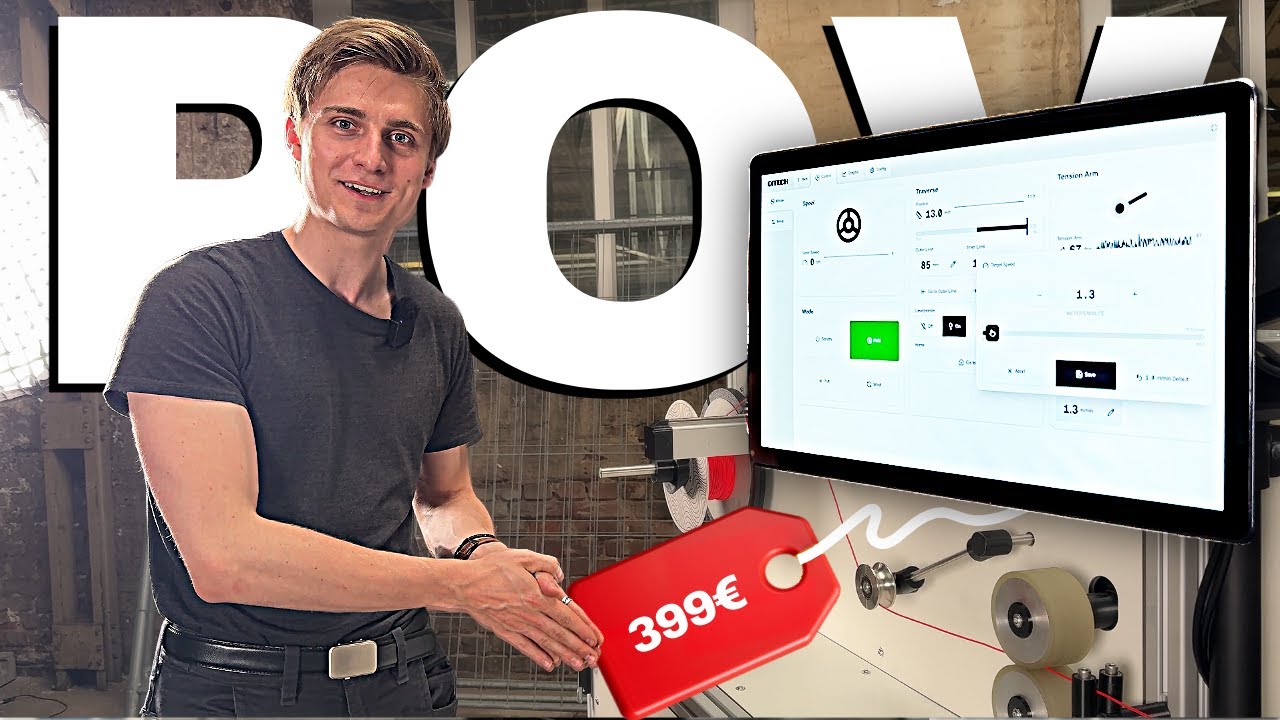](https://www.youtube.com/watch?v=KI3YeBwfV-s)
|
||||
*Click here to watch a video demo of our software.*
|
||||
@@ -40,7 +35,7 @@ Other
|
||||
|
||||
## Backend
|
||||
|
||||
To interface with Beckhoff and other EtherCAT devices we need an EtherCAT master software. Possibilities are [PySOEM](https://github.com/bnjmnp/pysoem) (Python), [SOEM](https://github.com/OpenEtherCATsociety/SOEM) (C) and [Ethercrab](https://github.com/ethercrab-rs/ethercrab) (Rust). For realtime operation only C and Rust are suitable. We chose Rust because of safety and confidence in the written code.
|
||||
To interface with Beckhoff and other EtherCAT devices we need an EtherCAT master stoftware. Possibilities are [PySOEM](https://github.com/bnjmnp/pysoem) (Python), [SOEM](https://github.com/OpenEtherCATsociety/SOEM) (C) and [Ethercrab](https://github.com/ethercrab-rs/ethercrab) (Rust). For realtime operation only C and Rust are suitable. We chose Rust because of safety and confidence in the written code.
|
||||
|
||||
[SocketIO](https://socket.io/) was chosen for performant event driven communication from the backend to the server. But we still use REST with [axum](https://docs.rs/axum/latest/axum/) for the communication thet benefits from the request/response model.
|
||||
|
||||
@@ -79,15 +74,6 @@ We could combine the code of the frontend and backend using [Doxius](https://dio
|
||||
| Laser | V1 | ??? | Diameter Measuring Laser | - | 1 (Qitech Industries GmbH) | 6 | Yes | |
|
||||
| Mock | - | ??? | Mock Machine for Testing | - | 1 (Qitech Industries GmbH) | 7 | Yes | - |
|
||||
|
||||
# Minimal Hardware Examples
|
||||
|
||||
For complete step-by-step tutorials on setting up your first hardware, including wiring diagrams and software configuration, see the [Getting Started Guide](./docs/developer-docs/getting-started.md#minimal-hardware-examples).
|
||||
|
||||
Available examples:
|
||||
- **LED Control with EL2004** - Digital output control (simplest setup)
|
||||
- **Analog Input with EL3021** - Reading analog current measurements
|
||||
|
||||
|
||||
# More Docs
|
||||
|
||||
- [x] [Architecture & Data Flow](./docs/architecture-overview.md)
|
||||
|
||||
@@ -1,67 +0,0 @@
|
||||
#!/usr/bin/env bash
|
||||
set -euo pipefail
|
||||
|
||||
BUILD_DIR="${BUILD_DIR:-target}"
|
||||
CSV_FILE="${CSV_FILE:-compile_metrics.csv}"
|
||||
DEFAULT_PKG="server"
|
||||
|
||||
if [ "$#" -eq 0 ]; then
|
||||
set -- cargo build
|
||||
fi
|
||||
|
||||
if [ "${1:-}" = "cargo" ] && [ "${2:-}" = "build" ]; then
|
||||
cargo clean
|
||||
BUILD_CMD=(cargo rustc -p "$DEFAULT_PKG")
|
||||
shift 2
|
||||
BUILD_CMD+=("$@")
|
||||
BUILD_CMD+=(-- --emit=llvm-ir -C debuginfo=0)
|
||||
else
|
||||
BUILD_CMD=("$@")
|
||||
fi
|
||||
|
||||
compile_start_ns=$(date +%s%N)
|
||||
"${BUILD_CMD[@]}"
|
||||
compile_end_ns=$(date +%s%N)
|
||||
compile_ms=$(( (compile_end_ns - compile_start_ns) / 1000000 ))
|
||||
|
||||
if [ -d "$BUILD_DIR" ]; then
|
||||
llvm_ir_lines=$(
|
||||
find "$BUILD_DIR" -type f -name '*.ll' -print0 \
|
||||
| xargs -0 cat \
|
||||
| wc -l
|
||||
)
|
||||
else
|
||||
llvm_ir_lines=0
|
||||
fi
|
||||
|
||||
bin_path=""
|
||||
|
||||
if [ -n "${BINARY_PATH:-}" ] && [ -f "$BINARY_PATH" ]; then
|
||||
bin_path="$BINARY_PATH"
|
||||
elif [ -f "./target/release/server" ]; then
|
||||
bin_path="./target/release/server"
|
||||
elif [ -f "./target/debug/server" ]; then
|
||||
bin_path="./target/debug/server"
|
||||
elif [ -f "./server/target/release/server" ]; then
|
||||
bin_path="./server/target/release/server"
|
||||
elif [ -f "./server/target/debug/server" ]; then
|
||||
bin_path="./server/target/debug/server"
|
||||
fi
|
||||
|
||||
if [ -n "$bin_path" ]; then
|
||||
binary_size_bytes=$(stat -c '%s' "$bin_path")
|
||||
else
|
||||
binary_size_bytes=0
|
||||
fi
|
||||
|
||||
finished_timestamp_ms=$(($(date +%s%N) / 1000000))
|
||||
finished_datetime=$(date -Iseconds)
|
||||
|
||||
if [ ! -f "$CSV_FILE" ]; then
|
||||
echo "datetime,finished_timestamp_ms,compile_ms,llvm_ir_lines,binary_size_bytes" > "$CSV_FILE"
|
||||
fi
|
||||
|
||||
echo "${finished_datetime},${finished_timestamp_ms},${compile_ms},${llvm_ir_lines},${binary_size_bytes}" \
|
||||
>> "$CSV_FILE"
|
||||
|
||||
echo "Metrics recorded in $CSV_FILE"
|
||||
@@ -12,16 +12,18 @@ anyhow = "1.0.100"
|
||||
axum = "0.8.6"
|
||||
|
||||
ethercat_hal = { path = "../ethercat-hal" }
|
||||
units = { path = "../units" }
|
||||
ethercrab = "0.6"
|
||||
interfaces = "0.0.9"
|
||||
serde = "1.0.219"
|
||||
serde_json = "1.0.143"
|
||||
serialport = "4.7.3"
|
||||
smol = "2.0.2"
|
||||
socketioxide = "0.17.2"
|
||||
uom = { version = "0.36.0", default-features = false, features = ["f64"] }
|
||||
bitvec = { version = "1.0.1", features = ["alloc"] }
|
||||
crc = "3.3.0"
|
||||
tracing = "0.1.44"
|
||||
serial = "0.4.0"
|
||||
tracing = "0.1.41"
|
||||
erased-serde = "0.4.8"
|
||||
core_affinity = "0.8.3"
|
||||
control_core_derive = { version = "0.1.0", path = "../control-core-derive" }
|
||||
|
||||
@@ -1,6 +1,6 @@
|
||||
use std::time::Instant;
|
||||
|
||||
use units::{
|
||||
use uom::si::{
|
||||
angular_acceleration::radian_per_second_squared,
|
||||
angular_velocity::radian_per_second,
|
||||
f64::{AngularAcceleration, AngularVelocity},
|
||||
|
||||
@@ -1,6 +1,6 @@
|
||||
use std::time::Instant;
|
||||
|
||||
use units::{
|
||||
use uom::si::{
|
||||
acceleration::meter_per_second_squared,
|
||||
f64::{Acceleration, Velocity},
|
||||
velocity::meter_per_second,
|
||||
|
||||
@@ -1,6 +1,6 @@
|
||||
use std::time::Instant;
|
||||
|
||||
use units::{
|
||||
use uom::si::{
|
||||
angle::radian,
|
||||
angular_acceleration::radian_per_second_squared,
|
||||
angular_velocity::radian_per_second,
|
||||
@@ -199,8 +199,8 @@ impl AngularAccelerationPositionController {
|
||||
/// # Example
|
||||
/// ```ignore
|
||||
/// use control_core::controllers::second_degree_motion::angular_acceleration_position_controller::AngularAccelerationPositionController;
|
||||
/// use units::f64::Angle;
|
||||
/// use units::angle::degree;
|
||||
/// use uom::si::f64::Angle;
|
||||
/// use uom::si::angle::degree;
|
||||
///
|
||||
/// let mut controller = AngularAccelerationPositionController::new_simple(
|
||||
/// Some(Angle::new::<degree>(180.0)),
|
||||
|
||||
@@ -1,6 +1,6 @@
|
||||
use std::time::Instant;
|
||||
|
||||
use units::{
|
||||
use uom::si::{
|
||||
angular_acceleration::radian_per_second_squared,
|
||||
angular_jerk::radian_per_second_cubed,
|
||||
angular_velocity::radian_per_second,
|
||||
@@ -23,7 +23,7 @@ use super::jerk_speed_controller::JerkSpeedController;
|
||||
///
|
||||
/// # Example
|
||||
/// ```ignore
|
||||
/// use units::{
|
||||
/// use uom::si::{
|
||||
/// angular_velocity::revolution_per_minute,
|
||||
/// angular_acceleration::revolution_per_minute_per_second,
|
||||
/// angular_jerk::revolution_per_minute_per_second_squared,
|
||||
@@ -65,7 +65,7 @@ impl AngularJerkSpeedController {
|
||||
///
|
||||
/// # Example
|
||||
/// ```ignore
|
||||
/// use units::{
|
||||
/// use uom::si::{
|
||||
/// angular_velocity::revolution_per_minute,
|
||||
/// angular_acceleration::revolution_per_minute_per_second,
|
||||
/// angular_jerk::revolution_per_minute_per_second_squared,
|
||||
@@ -127,7 +127,7 @@ impl AngularJerkSpeedController {
|
||||
///
|
||||
/// # Example
|
||||
/// ```ignore
|
||||
/// use units::{
|
||||
/// use uom::si::{
|
||||
/// angular_velocity::revolution_per_minute,
|
||||
/// angular_acceleration::revolution_per_minute_per_second,
|
||||
/// angular_jerk::revolution_per_minute_per_second_squared,
|
||||
@@ -185,7 +185,7 @@ impl AngularJerkSpeedController {
|
||||
/// # Example
|
||||
/// ```ignore
|
||||
/// use std::time::Instant;
|
||||
/// use units::{angular_velocity::revolution_per_minute, f64::AngularVelocity};
|
||||
/// use uom::si::{angular_velocity::revolution_per_minute, f64::AngularVelocity};
|
||||
///
|
||||
/// let mut controller = AngularJerkSpeedController::new_simple(/* ... */);
|
||||
/// let target = AngularVelocity::new::<revolution_per_minute>(1500.0);
|
||||
|
||||
@@ -1,6 +1,6 @@
|
||||
use std::time::Instant;
|
||||
|
||||
use units::{
|
||||
use uom::si::{
|
||||
acceleration::meter_per_second_squared,
|
||||
f64::{Acceleration, Length, Velocity},
|
||||
length::meter,
|
||||
@@ -22,8 +22,8 @@ use super::acceleration_position_controller::{
|
||||
///
|
||||
/// # Example
|
||||
/// ```ignore
|
||||
/// use units::{length::meter, velocity::meter_per_second, acceleration::meter_per_second_squared};
|
||||
/// use units::f64::{Length, Velocity, Acceleration};
|
||||
/// use uom::si::{length::meter, velocity::meter_per_second, acceleration::meter_per_second_squared};
|
||||
/// use uom::si::f64::{Length, Velocity, Acceleration};
|
||||
///
|
||||
/// let position_limit = Length::new::<meter>(10.0);
|
||||
/// let max_speed = Velocity::new::<meter_per_second>(2.0);
|
||||
@@ -101,8 +101,8 @@ impl LinearAccelerationPositionController {
|
||||
///
|
||||
/// # Example
|
||||
/// ```ignore
|
||||
/// use units::{length::meter, velocity::meter_per_second, acceleration::meter_per_second_squared};
|
||||
/// use units::f64::{Length, Velocity, Acceleration};
|
||||
/// use uom::si::{length::meter, velocity::meter_per_second, acceleration::meter_per_second_squared};
|
||||
/// use uom::si::f64::{Length, Velocity, Acceleration};
|
||||
///
|
||||
/// let position_limit = Length::new::<meter>(5.0); // Creates [-5.0, +5.0] meter range
|
||||
/// let max_speed = Velocity::new::<meter_per_second>(1.0); // Creates [-1.0, +1.0] m/s range
|
||||
@@ -150,7 +150,7 @@ impl LinearAccelerationPositionController {
|
||||
/// # Example
|
||||
/// ```ignore
|
||||
/// use std::time::Instant;
|
||||
/// use units::{length::meter, f64::Length};
|
||||
/// use uom::si::{length::meter, f64::Length};
|
||||
///
|
||||
/// let mut controller = LinearAccelerationPositionController::new_simple(
|
||||
/// Some(Length::new::<meter>(10.0)),
|
||||
@@ -375,7 +375,7 @@ impl LinearAccelerationPositionController {
|
||||
///
|
||||
/// # Example
|
||||
/// ```ignore
|
||||
/// use units::{length::meter, velocity::meter_per_second, f64::{Length, Velocity}};
|
||||
/// use uom::si::{length::meter, velocity::meter_per_second, f64::{Length, Velocity}};
|
||||
///
|
||||
/// let new_position = Length::new::<meter>(0.0);
|
||||
///
|
||||
|
||||
@@ -1,6 +1,6 @@
|
||||
use std::time::Instant;
|
||||
|
||||
use units::{
|
||||
use uom::si::{
|
||||
acceleration::meter_per_second_squared,
|
||||
f64::{Acceleration, Jerk, Velocity},
|
||||
jerk::meter_per_second_cubed,
|
||||
@@ -23,7 +23,7 @@ use super::jerk_speed_controller::JerkSpeedController;
|
||||
///
|
||||
/// # Example
|
||||
/// ```ignore
|
||||
/// use units::{
|
||||
/// use uom::si::{
|
||||
/// velocity::meter_per_second,
|
||||
/// acceleration::meter_per_second_squared,
|
||||
/// jerk::meter_per_second_cubed,
|
||||
@@ -65,7 +65,7 @@ impl LinearJerkSpeedController {
|
||||
///
|
||||
/// # Example
|
||||
/// ```ignore
|
||||
/// use units::{
|
||||
/// use uom::si::{
|
||||
/// velocity::meter_per_second,
|
||||
/// acceleration::meter_per_second_squared,
|
||||
/// jerk::meter_per_second_cubed,
|
||||
@@ -127,7 +127,7 @@ impl LinearJerkSpeedController {
|
||||
///
|
||||
/// # Example
|
||||
/// ```ignore
|
||||
/// use units::{
|
||||
/// use uom::si::{
|
||||
/// velocity::meter_per_second,
|
||||
/// acceleration::meter_per_second_squared,
|
||||
/// jerk::meter_per_second_cubed,
|
||||
|
||||
@@ -1,4 +1,4 @@
|
||||
use units::{angle::radian, f64::Angle};
|
||||
use uom::si::{angle::radian, f64::Angle};
|
||||
|
||||
#[derive(Debug, Clone, Copy, PartialEq, Eq)]
|
||||
pub struct AngleConverter {
|
||||
|
||||
@@ -1,4 +1,4 @@
|
||||
use units::{
|
||||
use uom::si::{
|
||||
angle::revolution,
|
||||
angular_acceleration::radian_per_second_squared,
|
||||
angular_velocity::revolution_per_second,
|
||||
@@ -90,7 +90,7 @@ mod tests {
|
||||
use super::*;
|
||||
use approx::assert_relative_eq;
|
||||
use std::f64::EPSILON;
|
||||
use units::{
|
||||
use uom::si::{
|
||||
angle::degree, angular_acceleration::degree_per_second_squared,
|
||||
angular_velocity::degree_per_second,
|
||||
};
|
||||
|
||||
@@ -14,14 +14,14 @@
|
||||
//!
|
||||
//! ```rust
|
||||
//! use control_core::converters::circular_converter::CircularConverter;
|
||||
//! use units::{f64::{Length, Velocity}, length::meter, velocity::meter_per_second};
|
||||
//! use uom::si::{f64::{Length, Velocity}, length::meter, velocity::meter_per_second};
|
||||
//!
|
||||
//! let converter = CircularConverter::from_radius(Length::new::<meter>(0.1));
|
||||
//! let velocity = Velocity::new::<meter_per_second>(1.0);
|
||||
//! let angular_velocity = converter.linear_to_angular_velocity(velocity);
|
||||
//! ```
|
||||
|
||||
use units::{
|
||||
use uom::si::{
|
||||
acceleration::meter_per_second_squared,
|
||||
angle::radian,
|
||||
angular_acceleration::radian_per_second_squared,
|
||||
@@ -199,7 +199,7 @@ impl CircularConverter {
|
||||
#[cfg(test)]
|
||||
mod tests {
|
||||
use super::*;
|
||||
use units::length::centimeter;
|
||||
use uom::si::length::centimeter;
|
||||
|
||||
#[test]
|
||||
fn test_constructors() {
|
||||
|
||||
@@ -1,4 +1,4 @@
|
||||
use units::{
|
||||
use uom::si::{
|
||||
angle::revolution,
|
||||
angular_velocity::revolution_per_second,
|
||||
f64::{Acceleration, Angle, AngularAcceleration, AngularVelocity, Length, Velocity},
|
||||
@@ -251,7 +251,7 @@ mod tests {
|
||||
use super::*;
|
||||
use approx::assert_relative_eq;
|
||||
use std::f64::EPSILON;
|
||||
use units::{
|
||||
use uom::si::{
|
||||
acceleration::meter_per_second_squared, angular_acceleration::radian_per_second_squared,
|
||||
length::meter, velocity::meter_per_second,
|
||||
};
|
||||
|
||||
@@ -1,119 +1,3 @@
|
||||
use std::fmt::Display;
|
||||
|
||||
use ethercat_hal::devices::wago_750_354::WAGO_750_354_IDENTITY_A;
|
||||
use ethercat_hal::devices::wago_modules::ip20_ec_di8_do8::IP20_EC_DI8_DO8_IDENTITY;
|
||||
use serde::Deserialize;
|
||||
use serde::Serialize;
|
||||
|
||||
/// Identifies a spacifi machine
|
||||
#[derive(Debug, Clone, Serialize, Deserialize, PartialEq, Eq, Hash)]
|
||||
pub struct MachineIdentificationUnique {
|
||||
pub machine_identification: MachineIdentification,
|
||||
pub serial: u16,
|
||||
}
|
||||
|
||||
impl MachineIdentificationUnique {
|
||||
/// Check if values are non-zero
|
||||
pub const fn is_valid(&self) -> bool {
|
||||
self.machine_identification.is_valid() && self.serial != 0
|
||||
}
|
||||
}
|
||||
|
||||
impl Display for MachineIdentificationUnique {
|
||||
fn fmt(&self, f: &mut std::fmt::Formatter<'_>) -> std::fmt::Result {
|
||||
write!(
|
||||
f,
|
||||
"{}/{}/{}",
|
||||
self.machine_identification.vendor, self.machine_identification.machine, self.serial
|
||||
)
|
||||
}
|
||||
}
|
||||
|
||||
/// Identifies a machine
|
||||
#[derive(Debug, Clone, Serialize, Deserialize, PartialEq, Eq, Hash)]
|
||||
pub struct MachineIdentification {
|
||||
pub vendor: u16,
|
||||
pub machine: u16,
|
||||
}
|
||||
|
||||
impl MachineIdentification {
|
||||
/// Check if values are non-zero
|
||||
pub const fn is_valid(&self) -> bool {
|
||||
self.vendor != 0 && self.machine != 0
|
||||
}
|
||||
}
|
||||
|
||||
#[derive(Debug, Clone, Serialize, Deserialize, PartialEq, Eq)]
|
||||
pub struct DeviceMachineIdentification {
|
||||
pub machine_identification_unique: MachineIdentificationUnique,
|
||||
pub role: u16,
|
||||
}
|
||||
|
||||
impl DeviceMachineIdentification {
|
||||
/// Check if values are non-zero
|
||||
pub const fn is_valid(&self) -> bool {
|
||||
self.machine_identification_unique.is_valid()
|
||||
&& self
|
||||
.machine_identification_unique
|
||||
.machine_identification
|
||||
.machine
|
||||
!= 0
|
||||
}
|
||||
}
|
||||
|
||||
#[derive(Debug, Clone, Serialize, Deserialize, PartialEq, Eq)]
|
||||
pub struct DeviceIdentification {
|
||||
pub device_machine_identification: Option<DeviceMachineIdentification>,
|
||||
pub device_hardware_identification: DeviceHardwareIdentification,
|
||||
}
|
||||
|
||||
impl From<DeviceIdentificationIdentified> for DeviceIdentification {
|
||||
fn from(value: DeviceIdentificationIdentified) -> Self {
|
||||
Self {
|
||||
device_machine_identification: Some(value.device_machine_identification),
|
||||
device_hardware_identification: value.device_hardware_identification,
|
||||
}
|
||||
}
|
||||
}
|
||||
|
||||
#[derive(Debug, Clone, Serialize, Deserialize, PartialEq, Eq)]
|
||||
pub struct DeviceIdentificationIdentified {
|
||||
pub device_machine_identification: DeviceMachineIdentification,
|
||||
pub device_hardware_identification: DeviceHardwareIdentification,
|
||||
}
|
||||
|
||||
impl TryFrom<DeviceIdentification> for DeviceIdentificationIdentified {
|
||||
type Error = anyhow::Error;
|
||||
|
||||
fn try_from(value: DeviceIdentification) -> Result<Self, Self::Error> {
|
||||
let device_machine_identification =
|
||||
value.device_machine_identification.ok_or(anyhow::anyhow!(
|
||||
"[{}::DeviceIdentificationIdentified::try_from] No device machine identification",
|
||||
module_path!()
|
||||
))?;
|
||||
|
||||
Ok(Self {
|
||||
device_machine_identification,
|
||||
device_hardware_identification: value.device_hardware_identification,
|
||||
})
|
||||
}
|
||||
}
|
||||
|
||||
#[derive(Debug, Clone, Serialize, Deserialize, PartialEq, Eq)]
|
||||
pub enum DeviceHardwareIdentification {
|
||||
Ethercat(DeviceHardwareIdentificationEthercat),
|
||||
Serial(DeviceHardwareIdentificationSerial),
|
||||
}
|
||||
|
||||
#[derive(Debug, Clone, Serialize, Deserialize, PartialEq, Eq)]
|
||||
pub struct DeviceHardwareIdentificationEthercat {
|
||||
pub subdevice_index: usize,
|
||||
}
|
||||
#[derive(Debug, Clone, Serialize, Deserialize, PartialEq, Eq)]
|
||||
pub struct DeviceHardwareIdentificationSerial {
|
||||
pub path: String,
|
||||
}
|
||||
|
||||
use anyhow::Error;
|
||||
use anyhow::anyhow;
|
||||
use ethercat_hal::devices::ek1100::EK1100_IDENTITY_A;
|
||||
@@ -143,12 +27,17 @@ use ethercat_hal::devices::el7031::{EL7031_IDENTITY_A, EL7031_IDENTITY_B};
|
||||
use ethercat_hal::devices::el7031_0030::EL7031_0030_IDENTITY_A;
|
||||
use ethercat_hal::devices::el7041_0052::EL7041_0052_IDENTITY_A;
|
||||
use ethercat_hal::devices::subdevice_identity_to_tuple;
|
||||
use ethercat_hal::devices::wago_750_354::WAGO_750_354_IDENTITY;
|
||||
use ethercat_hal::helpers::ethercrab_types::{
|
||||
EthercrabSubDeviceOperational, EthercrabSubDevicePreoperational,
|
||||
};
|
||||
use ethercrab::MainDevice;
|
||||
use ethercrab::SubDeviceIdentity;
|
||||
|
||||
use crate::machines::identification::DeviceMachineIdentification;
|
||||
use crate::machines::identification::MachineIdentification;
|
||||
use crate::machines::identification::MachineIdentificationUnique;
|
||||
|
||||
#[derive(Debug)]
|
||||
pub struct MachineIdentificationAddresses {
|
||||
pub vendor_word: u16,
|
||||
@@ -207,7 +96,7 @@ pub async fn machine_device_identification<'maindevice>(
|
||||
let addresses = match get_identification_addresses(&subdevice.identity(), subdevice.name()) {
|
||||
Ok(x) => x,
|
||||
Err(e) => {
|
||||
// u16dump(subdevice, maindevice, 0, 128).await?;
|
||||
u16dump(subdevice, maindevice, 0, 128).await?;
|
||||
return Err(e);
|
||||
}
|
||||
};
|
||||
@@ -347,8 +236,6 @@ pub fn get_identification_addresses(
|
||||
let identity_tuple = subdevice_identity_to_tuple(subdevice_identity);
|
||||
|
||||
Ok(match identity_tuple {
|
||||
WAGO_750_354_IDENTITY_A => MachineIdentificationAddresses::default(),
|
||||
IP20_EC_DI8_DO8_IDENTITY => MachineIdentificationAddresses::default(),
|
||||
EK1100_IDENTITY_A => MachineIdentificationAddresses::default(),
|
||||
EL1002_IDENTITY_A => MachineIdentificationAddresses::default(),
|
||||
EL1008_IDENTITY_A => MachineIdentificationAddresses::default(),
|
||||
@@ -372,6 +259,7 @@ pub fn get_identification_addresses(
|
||||
EL7031_IDENTITY_A | EL7031_IDENTITY_B => MachineIdentificationAddresses::default(),
|
||||
EL7031_0030_IDENTITY_A => MachineIdentificationAddresses::default(),
|
||||
EL7041_0052_IDENTITY_A => MachineIdentificationAddresses::default(),
|
||||
WAGO_750_354_IDENTITY => MachineIdentificationAddresses::default(),
|
||||
|
||||
_ => {
|
||||
// block_on(u16dump(&subdevice, maindevice, 0x00, 0xff))?;
|
||||
@@ -387,7 +275,61 @@ pub fn get_identification_addresses(
|
||||
})
|
||||
}
|
||||
|
||||
async fn u16dump<'maindevice>(
|
||||
subdevice: &'maindevice EthercrabSubDevicePreoperational<'maindevice>,
|
||||
maindevice: &MainDevice<'maindevice>,
|
||||
start_byte: u16,
|
||||
end_byte: u16,
|
||||
) -> Result<(), Error> {
|
||||
let mut words: Vec<u16> = Vec::new();
|
||||
for word in start_byte..end_byte {
|
||||
words.push(subdevice.eeprom_read(maindevice, word).await?);
|
||||
}
|
||||
|
||||
println!(
|
||||
"EEPROM dump for {} from 0x{:04x} to 0x{:04x}",
|
||||
subdevice.name(),
|
||||
start_byte / 2,
|
||||
end_byte / 2
|
||||
);
|
||||
|
||||
u16print(start_byte, end_byte, words);
|
||||
|
||||
Ok(())
|
||||
}
|
||||
|
||||
fn u16print(start_byte: u16, end_byte: u16, data: Vec<u16>) {
|
||||
let table_start_word = start_byte & 0xfff0;
|
||||
let table_end_word = (end_byte & 0xfff0_u16) + 0x10_u16;
|
||||
|
||||
let rows = (table_end_word - table_start_word) >> 4;
|
||||
|
||||
for row in 0..rows {
|
||||
print!("0x{:04x} | ", (table_start_word + row * 0x10) / 2);
|
||||
for word in 0..8 {
|
||||
let word_address = row * 8 + word;
|
||||
if word_address < start_byte {
|
||||
print!(" ");
|
||||
} else {
|
||||
let i = (word_address - start_byte) as usize;
|
||||
if i > data.len() - 1 {
|
||||
print!(" ");
|
||||
} else {
|
||||
print!("{:04x} ", data[i]);
|
||||
}
|
||||
}
|
||||
}
|
||||
println!();
|
||||
}
|
||||
}
|
||||
|
||||
#[cfg(test)]
|
||||
mod tests {
|
||||
use super::*;
|
||||
|
||||
#[test]
|
||||
fn test_hexprint() {
|
||||
let data = vec![0x0000, 0x1ced];
|
||||
u16print(0x01, 0x40, data);
|
||||
}
|
||||
}
|
||||
@@ -1,9 +1,10 @@
|
||||
use std::{process::Command, sync::Arc, time::Duration};
|
||||
|
||||
use ethercrab::{
|
||||
MainDevice, MainDeviceConfig, PduStorage, Timeouts,
|
||||
std::{ethercat_now, tx_rx_task},
|
||||
};
|
||||
use interfaces::Interface;
|
||||
use std::{process::Command, sync::Arc, time::Duration};
|
||||
|
||||
// Constants for EtherCAT configuration
|
||||
const IFACE_DISCOVERY_MAX_SUBDEVICES: usize = 16; // Must be power of 2 > 1
|
||||
@@ -91,6 +92,9 @@ pub async fn discover_ethercat_interface() -> Result<String, anyhow::Error> {
|
||||
let mut interface: Option<&str> = None;
|
||||
|
||||
for i in 0..interfaces.len() {
|
||||
// Avoid NetworkManager hangups
|
||||
set_interface_managed(&interfaces[i].name, false);
|
||||
|
||||
match test_interface(&interfaces[i].name) {
|
||||
Ok(_) => {
|
||||
// if interface found with ethercat Exit early, we expect only one interface with ethercat
|
||||
@@ -103,7 +107,7 @@ pub async fn discover_ethercat_interface() -> Result<String, anyhow::Error> {
|
||||
|
||||
for i in 0..interfaces.len() {
|
||||
if interface.is_some() && interface.unwrap() == &interfaces[i].name {
|
||||
set_interface_managed(&interfaces[i].name, false);
|
||||
continue;
|
||||
} else {
|
||||
set_interface_managed(&interfaces[i].name, true);
|
||||
}
|
||||
@@ -149,13 +153,13 @@ fn test_interface(interface: &str) -> Result<(), anyhow::Error> {
|
||||
// Default 0ms
|
||||
wait_loop_delay: Duration::from_millis(0),
|
||||
// Default 100ms
|
||||
mailbox_echo: Duration::from_millis(100),
|
||||
mailbox_echo: Duration::from_millis(1000),
|
||||
// Default 1000ms
|
||||
mailbox_response: Duration::from_millis(1000),
|
||||
mailbox_response: Duration::from_millis(2000),
|
||||
},
|
||||
MainDeviceConfig {
|
||||
// Default 10000
|
||||
dc_static_sync_iterations: 10000,
|
||||
dc_static_sync_iterations: 0,
|
||||
// Default None
|
||||
retry_behaviour: ethercrab::RetryBehaviour::Count(3),
|
||||
},
|
||||
|
||||
@@ -1 +1,2 @@
|
||||
pub mod eeprom_identification;
|
||||
pub mod interface_discovery;
|
||||
@@ -1,65 +0,0 @@
|
||||
use std::process::Command;
|
||||
|
||||
use anyhow::Result;
|
||||
use interfaces::Interface;
|
||||
|
||||
pub mod modbus_tcp_discovery;
|
||||
|
||||
/// Returns true if the given network interface is Ethernet.
|
||||
/// Prevents testing wlan,loopback and other non ethernet devices
|
||||
fn is_ethernet(interface: &str) -> std::io::Result<bool> {
|
||||
#[cfg(target_os = "linux")]
|
||||
{
|
||||
let base_path = format!("/sys/class/net/{}", interface);
|
||||
let type_path = std::path::Path::new(&base_path).join("type");
|
||||
let iface_type = std::fs::read_to_string(&type_path)?.trim().to_string();
|
||||
// 1 means Ethernet
|
||||
let reports_as_ethernet = iface_type == "1";
|
||||
// Double-check that it's not a wireless interface
|
||||
let uevent_path = std::path::Path::new(&base_path).join("uevent");
|
||||
let uevent = std::fs::read_to_string(&uevent_path).unwrap_or_default();
|
||||
// If "DEVTYPE=wlan" appears, it's lying
|
||||
let actually_wifi = uevent.contains("DEVTYPE=wlan");
|
||||
Ok(reports_as_ethernet && !actually_wifi)
|
||||
}
|
||||
#[cfg(not(target_os = "linux"))]
|
||||
return Ok(true);
|
||||
}
|
||||
|
||||
pub fn get_interfaces() -> Result<Vec<Interface>> {
|
||||
let vec = Interface::get_all()
|
||||
.map_err(|e| anyhow::anyhow!("Failed to get network interfaces: {}", e))?
|
||||
.into_iter()
|
||||
.filter(|iface| {
|
||||
iface.is_up()
|
||||
&& iface.is_running()
|
||||
&& !iface.is_loopback()
|
||||
&& is_ethernet(&iface.name).unwrap_or(false)
|
||||
&& !iface.name.starts_with("bridge")
|
||||
&& !iface.name.starts_with("utun") // Exclude tunnel interfaces
|
||||
&& !iface.name.starts_with("awdl") // Exclude Apple Wireless Direct Link
|
||||
&& !iface.name.starts_with("anpi") // Exclude Apple Network Privacy Interface
|
||||
&& !iface.name.starts_with("llw") // Exclude Apple low-latency WLAN
|
||||
})
|
||||
.collect::<Vec<_>>();
|
||||
Ok(vec)
|
||||
}
|
||||
|
||||
/// Sets a network interface to unmanaged by NetworkManager.
|
||||
/// Returns true if the command succeeded.
|
||||
pub fn set_interface_managed(interface: &str, managed: bool) -> bool {
|
||||
let managed_str = match managed {
|
||||
true => "yes",
|
||||
false => "no",
|
||||
};
|
||||
tracing::info!(
|
||||
"set_interface_managed for {} managed was set to: {}",
|
||||
interface,
|
||||
managed_str
|
||||
);
|
||||
let status = Command::new("nmcli")
|
||||
.args(["dev", "set", interface, "managed", managed_str])
|
||||
.status();
|
||||
|
||||
matches!(status, Ok(s) if s.success())
|
||||
}
|
||||
@@ -1,78 +0,0 @@
|
||||
use crate::ethernet::get_interfaces;
|
||||
use crate::{futures::FutureIteratorExt, modbus::tcp::ModbusTcpDevice};
|
||||
use anyhow::{Result, bail};
|
||||
use interfaces::Interface;
|
||||
use std::cmp::min;
|
||||
use std::net::{IpAddr, Ipv4Addr, SocketAddr};
|
||||
|
||||
pub struct ModbusTcpProbe {
|
||||
pub addr: SocketAddr,
|
||||
pub serial: u16,
|
||||
}
|
||||
|
||||
pub async fn probe_modbus_tcp() -> Vec<ModbusTcpProbe> {
|
||||
let interfaces = match get_interfaces() {
|
||||
Ok(x) => x,
|
||||
Err(_) => return vec![],
|
||||
};
|
||||
|
||||
interfaces
|
||||
.into_iter()
|
||||
.map(probe_modbus_tcp_addresses)
|
||||
.join_all()
|
||||
.await
|
||||
.into_iter()
|
||||
.flatten()
|
||||
.collect()
|
||||
}
|
||||
|
||||
async fn probe_modbus_tcp_addresses(interface: Interface) -> Vec<ModbusTcpProbe> {
|
||||
let out: Vec<ModbusTcpProbe> = interface
|
||||
.addresses
|
||||
.iter()
|
||||
.filter_map(|addr| {
|
||||
let a = addr.addr.map(|a| a.ip());
|
||||
let m = addr.mask.map(|a| a.ip());
|
||||
|
||||
match (a, m) {
|
||||
(Some(IpAddr::V4(addr)), Some(IpAddr::V4(mask))) => Some((addr, mask)),
|
||||
_ => None,
|
||||
}
|
||||
})
|
||||
.flat_map(|(addr, mask)| {
|
||||
let a = u32::from(addr);
|
||||
let m = u32::from(mask);
|
||||
let network = a & m;
|
||||
|
||||
let prefix = min(24, m.count_ones()); // mask → prefix length
|
||||
let size = 1u32 << (32 - prefix); // number of addresses
|
||||
|
||||
(200..size).map(move |i| SocketAddr::new(Ipv4Addr::from(network + i).into(), 502))
|
||||
})
|
||||
.map(|addr| smol::spawn(ping_modbus_device(addr)))
|
||||
.join_all()
|
||||
.await
|
||||
.into_iter()
|
||||
.filter_map(|x| x.ok())
|
||||
.collect();
|
||||
|
||||
out
|
||||
}
|
||||
|
||||
async fn ping_modbus_device(addr: SocketAddr) -> Result<ModbusTcpProbe> {
|
||||
let mut device = ModbusTcpDevice::new(addr).await?;
|
||||
|
||||
let module_number1 = device.get_u32(0x2).await?;
|
||||
let module_number2 = device.get_u32(0x4).await?;
|
||||
|
||||
if module_number1 != 0x2787_2144 || module_number2 != 0x0000_0000 {
|
||||
bail!("Unknown modbus tcp device!");
|
||||
}
|
||||
|
||||
let serial = device.get_u32(0x000A).await?;
|
||||
|
||||
Ok(ModbusTcpProbe {
|
||||
addr,
|
||||
serial: serial as u16,
|
||||
})
|
||||
}
|
||||
@@ -1,26 +0,0 @@
|
||||
use core::future::Future;
|
||||
|
||||
// Extension trait for iterators of futures
|
||||
pub trait FutureIteratorExt<F>: Iterator<Item = F> + Sized
|
||||
where
|
||||
F: Future,
|
||||
{
|
||||
/// Await all futures and return their outputs
|
||||
fn join_all(self) -> impl Future<Output = Vec<F::Output>>;
|
||||
}
|
||||
|
||||
impl<I, F> FutureIteratorExt<F> for I
|
||||
where
|
||||
I: Iterator<Item = F> + Sized,
|
||||
F: Future,
|
||||
{
|
||||
async fn join_all(self) -> Vec<F::Output> {
|
||||
let mut out = Vec::new();
|
||||
|
||||
for fut in self {
|
||||
out.push(fut.await);
|
||||
}
|
||||
|
||||
out
|
||||
}
|
||||
}
|
||||
@@ -2,15 +2,19 @@ pub mod controllers;
|
||||
pub mod converters;
|
||||
pub mod downcast;
|
||||
pub mod ethercat;
|
||||
pub mod ethernet;
|
||||
pub mod futures;
|
||||
pub mod helpers;
|
||||
pub mod irq_handling;
|
||||
pub mod machines;
|
||||
pub mod modbus;
|
||||
pub mod realtime;
|
||||
pub mod rest;
|
||||
pub mod serial;
|
||||
pub mod socketio;
|
||||
pub mod transmission;
|
||||
pub mod uom_extensions;
|
||||
|
||||
#[cfg(feature = "video-streaming")]
|
||||
pub mod video_streaming;
|
||||
|
||||
#[macro_use]
|
||||
extern crate uom;
|
||||
@@ -0,0 +1,27 @@
|
||||
use serde_json::Value;
|
||||
use smol::lock::Mutex;
|
||||
use std::sync::Arc;
|
||||
|
||||
use crate::socketio::namespace::Namespace;
|
||||
|
||||
pub trait MachineApi {
|
||||
fn api_mutate(&mut self, value: Value) -> Result<(), anyhow::Error>;
|
||||
fn api_event_namespace(&mut self) -> Arc<Mutex<Namespace>>;
|
||||
|
||||
/// Returns a list of available video stream identifiers for this machine
|
||||
#[cfg(feature = "video-streaming")]
|
||||
fn api_video_streams(&self) -> Vec<String> {
|
||||
Vec::new()
|
||||
}
|
||||
|
||||
/// Get a video stream receiver for the specified stream ID
|
||||
/// Returns None if the stream doesn't exist
|
||||
#[cfg(feature = "video-streaming")]
|
||||
fn api_get_video_stream(
|
||||
&mut self,
|
||||
stream_id: &str,
|
||||
) -> Option<tokio::sync::broadcast::Receiver<Vec<u8>>> {
|
||||
let _ = stream_id;
|
||||
None
|
||||
}
|
||||
}
|
||||
@@ -0,0 +1,208 @@
|
||||
use crate::downcast::Downcast;
|
||||
use crate::machines::identification::MachineIdentificationUnique;
|
||||
use crate::machines::manager::MachineManager;
|
||||
use crate::socketio::{event::GenericEvent, namespace::Namespace};
|
||||
use serde::Serialize;
|
||||
use smol::block_on;
|
||||
use smol::lock::RwLock;
|
||||
use std::sync::Arc;
|
||||
use std::sync::Weak;
|
||||
|
||||
use super::Machine;
|
||||
use anyhow::anyhow;
|
||||
use smol::{channel::Sender, lock::Mutex};
|
||||
use socketioxide::extract::SocketRef;
|
||||
|
||||
#[derive(Debug)]
|
||||
pub enum MachineConnection<M: Machine + ?Sized>
|
||||
where
|
||||
Self: Sized,
|
||||
{
|
||||
Error(anyhow::Error),
|
||||
Disconnected,
|
||||
Connected(Arc<Mutex<M>>),
|
||||
}
|
||||
|
||||
#[derive(Debug)]
|
||||
pub struct MachineSlot<M: Machine + ?Sized>
|
||||
where
|
||||
Self: Sized,
|
||||
{
|
||||
pub machine_connection: MachineConnection<M>,
|
||||
pub namespace: Arc<Mutex<Namespace>>,
|
||||
}
|
||||
|
||||
pub type MachineConnectionGeneric = MachineConnection<dyn Machine>;
|
||||
|
||||
pub type MachineSlotGeneric = MachineSlot<dyn Machine>;
|
||||
|
||||
impl<M: Machine> Clone for MachineConnection<M> {
|
||||
fn clone(&self) -> Self {
|
||||
match self {
|
||||
Self::Connected(m) => Self::Connected(m.clone()),
|
||||
Self::Error(e) => Self::Error(anyhow!(e.to_string())),
|
||||
Self::Disconnected => Self::Disconnected,
|
||||
}
|
||||
}
|
||||
}
|
||||
|
||||
impl<M: Machine + ?Sized> MachineConnection<M> {
|
||||
pub fn to_error(&self) -> Option<anyhow::Error> {
|
||||
match self {
|
||||
MachineConnection::Error(err) => Some(anyhow!(err.to_string())),
|
||||
Self::Disconnected => Some(anyhow!("Machine is disconnected")),
|
||||
_ => None,
|
||||
}
|
||||
}
|
||||
|
||||
pub fn to_machine(&self) -> Option<Arc<Mutex<M>>> {
|
||||
match self {
|
||||
Self::Connected(machine) => Some(machine.clone()),
|
||||
_ => None,
|
||||
}
|
||||
}
|
||||
}
|
||||
|
||||
impl<M: Machine + ?Sized> MachineSlot<M> {
|
||||
pub fn new(socket_queue_tx: Sender<(SocketRef, Arc<GenericEvent>)>) -> Self {
|
||||
let namespace = Namespace::new(socket_queue_tx);
|
||||
Self {
|
||||
machine_connection: MachineConnection::Disconnected,
|
||||
namespace: Arc::new(Mutex::new(namespace)),
|
||||
}
|
||||
}
|
||||
|
||||
pub const fn is_connected(&self) -> bool {
|
||||
matches!(self.machine_connection, MachineConnection::Connected(_))
|
||||
}
|
||||
}
|
||||
|
||||
pub trait CrossConnectableMachine<
|
||||
F: CrossConnectableMachine<F, T>,
|
||||
T: CrossConnectableMachine<T, F>,
|
||||
>: Machine
|
||||
{
|
||||
fn get_cross_connection(&mut self) -> &mut MachineCrossConnection<F, T>;
|
||||
}
|
||||
|
||||
#[derive(Debug)]
|
||||
pub struct MachineCrossConnection<
|
||||
F: CrossConnectableMachine<F, T>,
|
||||
T: CrossConnectableMachine<T, F>,
|
||||
> {
|
||||
machine_manager: Weak<RwLock<MachineManager>>,
|
||||
machine_identification_unique: MachineIdentificationUnique,
|
||||
connected_machine: Weak<Mutex<MachineSlot<T>>>,
|
||||
_make_compiler_happy: std::marker::PhantomData<F>, // This marks tells the typechecker, that we
|
||||
// need F in our type arguemnts. We are ok with
|
||||
// it being used only in a fake field. Without
|
||||
// F being fixed, we would not be anble to implement
|
||||
// reverse connecting and disconnecting properly,
|
||||
// as the type on the other side would decay
|
||||
// to an unknown type. See also https://github.com/qitechgmbh/control/pull/625#discussion_r2379566315
|
||||
}
|
||||
|
||||
#[derive(Serialize, Debug, Clone, Default)]
|
||||
pub struct MachineCrossConnectionState {
|
||||
/// Connected Machine
|
||||
pub machine_identification_unique: Option<MachineIdentificationUnique>,
|
||||
pub is_available: bool,
|
||||
}
|
||||
|
||||
impl<F: CrossConnectableMachine<F, T>, T: CrossConnectableMachine<T, F>>
|
||||
MachineCrossConnection<F, T>
|
||||
{
|
||||
pub fn new(
|
||||
manager: Weak<RwLock<MachineManager>>,
|
||||
machine_identification_unique: &MachineIdentificationUnique,
|
||||
) -> Self {
|
||||
Self {
|
||||
machine_manager: manager,
|
||||
connected_machine: Weak::new(),
|
||||
machine_identification_unique: machine_identification_unique.clone(),
|
||||
_make_compiler_happy: std::marker::PhantomData,
|
||||
}
|
||||
}
|
||||
|
||||
pub fn set_connected_machine(
|
||||
&mut self,
|
||||
machine_identification_unique: &MachineIdentificationUnique,
|
||||
) {
|
||||
if let Some(machine_manager) = self.machine_manager.upgrade() {
|
||||
let machine_manager = block_on(machine_manager.read());
|
||||
|
||||
let slot: Arc<Mutex<MachineSlotGeneric>> =
|
||||
match machine_manager.get(&machine_identification_unique) {
|
||||
Some(c) => c,
|
||||
None => return,
|
||||
};
|
||||
|
||||
let slot: Arc<Mutex<MachineSlot<T>>> = match Downcast::downcast(&slot) {
|
||||
Ok(s) => s,
|
||||
Err(_) => return,
|
||||
};
|
||||
|
||||
self.connected_machine = Arc::downgrade(&slot);
|
||||
} else {
|
||||
panic!("The machine manager has died, cannot do anything at this point");
|
||||
}
|
||||
}
|
||||
|
||||
pub fn reverse_connect(&self) {
|
||||
if let Some(slot) = self.connected_machine.upgrade() {
|
||||
let slot = &mut slot.lock_blocking();
|
||||
|
||||
if let MachineConnection::Connected(machine) = &slot.machine_connection {
|
||||
let mut machine = machine.lock_blocking();
|
||||
let cross_connection = machine.get_cross_connection();
|
||||
|
||||
if !cross_connection.is_connected() {
|
||||
cross_connection.set_connected_machine(&self.machine_identification_unique);
|
||||
}
|
||||
};
|
||||
}
|
||||
}
|
||||
|
||||
pub fn disconnect(&mut self) {
|
||||
self.connected_machine = Weak::new();
|
||||
}
|
||||
|
||||
pub fn reverse_disconnect(&mut self) {
|
||||
if let Some(slot) = self.connected_machine.upgrade() {
|
||||
let slot = slot.lock_blocking();
|
||||
|
||||
if let MachineConnection::Connected(machine) = &slot.machine_connection {
|
||||
let mut machine = machine.lock_blocking();
|
||||
let cross_connection = machine.get_cross_connection();
|
||||
cross_connection.disconnect();
|
||||
};
|
||||
}
|
||||
}
|
||||
|
||||
pub fn is_connected(&self) -> bool {
|
||||
let arc = self.connected_machine.upgrade();
|
||||
arc.is_some()
|
||||
}
|
||||
|
||||
pub fn to_state(&self) -> MachineCrossConnectionState {
|
||||
if let Some(slot) = self.connected_machine.upgrade() {
|
||||
let connection = &slot.lock_blocking().machine_connection;
|
||||
|
||||
if let MachineConnection::Connected(machine) = connection {
|
||||
let machine = machine.lock_blocking();
|
||||
|
||||
return MachineCrossConnectionState {
|
||||
machine_identification_unique: Some(
|
||||
machine.get_machine_identification_unique(),
|
||||
),
|
||||
is_available: true,
|
||||
};
|
||||
}
|
||||
}
|
||||
|
||||
MachineCrossConnectionState {
|
||||
machine_identification_unique: None,
|
||||
is_available: false,
|
||||
}
|
||||
}
|
||||
}
|
||||
@@ -0,0 +1,113 @@
|
||||
use std::fmt::Display;
|
||||
|
||||
use serde::Deserialize;
|
||||
use serde::Serialize;
|
||||
|
||||
/// Identifies a spacifi machine
|
||||
#[derive(Debug, Clone, Serialize, Deserialize, PartialEq, Eq, Hash)]
|
||||
pub struct MachineIdentificationUnique {
|
||||
pub machine_identification: MachineIdentification,
|
||||
pub serial: u16,
|
||||
}
|
||||
|
||||
impl MachineIdentificationUnique {
|
||||
/// Check if values are non-zero
|
||||
pub const fn is_valid(&self) -> bool {
|
||||
self.machine_identification.is_valid() && self.serial != 0
|
||||
}
|
||||
}
|
||||
|
||||
impl Display for MachineIdentificationUnique {
|
||||
fn fmt(&self, f: &mut std::fmt::Formatter<'_>) -> std::fmt::Result {
|
||||
write!(
|
||||
f,
|
||||
"{}/{}/{}",
|
||||
self.machine_identification.vendor, self.machine_identification.machine, self.serial
|
||||
)
|
||||
}
|
||||
}
|
||||
|
||||
/// Identifies a machine
|
||||
#[derive(Debug, Clone, Serialize, Deserialize, PartialEq, Eq, Hash)]
|
||||
pub struct MachineIdentification {
|
||||
pub vendor: u16,
|
||||
pub machine: u16,
|
||||
}
|
||||
|
||||
impl MachineIdentification {
|
||||
/// Check if values are non-zero
|
||||
pub const fn is_valid(&self) -> bool {
|
||||
self.vendor != 0 && self.machine != 0
|
||||
}
|
||||
}
|
||||
|
||||
#[derive(Debug, Clone, Serialize, Deserialize, PartialEq, Eq)]
|
||||
pub struct DeviceMachineIdentification {
|
||||
pub machine_identification_unique: MachineIdentificationUnique,
|
||||
pub role: u16,
|
||||
}
|
||||
|
||||
impl DeviceMachineIdentification {
|
||||
/// Check if values are non-zero
|
||||
pub const fn is_valid(&self) -> bool {
|
||||
self.machine_identification_unique.is_valid()
|
||||
&& self
|
||||
.machine_identification_unique
|
||||
.machine_identification
|
||||
.machine
|
||||
!= 0
|
||||
}
|
||||
}
|
||||
|
||||
#[derive(Debug, Clone, Serialize, Deserialize, PartialEq, Eq)]
|
||||
pub struct DeviceIdentification {
|
||||
pub device_machine_identification: Option<DeviceMachineIdentification>,
|
||||
pub device_hardware_identification: DeviceHardwareIdentification,
|
||||
}
|
||||
|
||||
impl From<DeviceIdentificationIdentified> for DeviceIdentification {
|
||||
fn from(value: DeviceIdentificationIdentified) -> Self {
|
||||
Self {
|
||||
device_machine_identification: Some(value.device_machine_identification),
|
||||
device_hardware_identification: value.device_hardware_identification,
|
||||
}
|
||||
}
|
||||
}
|
||||
|
||||
#[derive(Debug, Clone, Serialize, Deserialize, PartialEq, Eq)]
|
||||
pub struct DeviceIdentificationIdentified {
|
||||
pub device_machine_identification: DeviceMachineIdentification,
|
||||
pub device_hardware_identification: DeviceHardwareIdentification,
|
||||
}
|
||||
|
||||
impl TryFrom<DeviceIdentification> for DeviceIdentificationIdentified {
|
||||
type Error = anyhow::Error;
|
||||
|
||||
fn try_from(value: DeviceIdentification) -> Result<Self, Self::Error> {
|
||||
let device_machine_identification =
|
||||
value.device_machine_identification.ok_or(anyhow::anyhow!(
|
||||
"[{}::DeviceIdentificationIdentified::try_from] No device machine identification",
|
||||
module_path!()
|
||||
))?;
|
||||
|
||||
Ok(Self {
|
||||
device_machine_identification,
|
||||
device_hardware_identification: value.device_hardware_identification,
|
||||
})
|
||||
}
|
||||
}
|
||||
|
||||
#[derive(Debug, Clone, Serialize, Deserialize, PartialEq, Eq)]
|
||||
pub enum DeviceHardwareIdentification {
|
||||
Ethercat(DeviceHardwareIdentificationEthercat),
|
||||
Serial(DeviceHardwareIdentificationSerial),
|
||||
}
|
||||
|
||||
#[derive(Debug, Clone, Serialize, Deserialize, PartialEq, Eq)]
|
||||
pub struct DeviceHardwareIdentificationEthercat {
|
||||
pub subdevice_index: usize,
|
||||
}
|
||||
#[derive(Debug, Clone, Serialize, Deserialize, PartialEq, Eq)]
|
||||
pub struct DeviceHardwareIdentificationSerial {
|
||||
pub path: String,
|
||||
}
|
||||
@@ -0,0 +1,297 @@
|
||||
use super::{
|
||||
Machine,
|
||||
identification::{DeviceIdentification, DeviceIdentificationIdentified},
|
||||
new::MachineNewHardwareSerial,
|
||||
registry::MachineRegistry,
|
||||
};
|
||||
use smol::{
|
||||
channel::Sender,
|
||||
lock::{Mutex, RwLock},
|
||||
};
|
||||
use socketioxide::extract::SocketRef;
|
||||
|
||||
use crate::{
|
||||
machines::{
|
||||
connection::{
|
||||
MachineConnection, MachineConnectionGeneric, MachineSlot, MachineSlotGeneric,
|
||||
},
|
||||
identification::MachineIdentificationUnique,
|
||||
new::{MachineNewHardware, MachineNewHardwareEthercat, MachineNewParams},
|
||||
},
|
||||
serial::SerialDevice,
|
||||
socketio::event::GenericEvent,
|
||||
};
|
||||
use std::{
|
||||
collections::HashMap,
|
||||
sync::{Arc, Weak},
|
||||
};
|
||||
|
||||
#[derive(Debug)]
|
||||
pub struct MachineManager {
|
||||
pub ethercat_machines: HashMap<MachineIdentificationUnique, Arc<Mutex<MachineSlotGeneric>>>,
|
||||
pub serial_machines: HashMap<MachineIdentificationUnique, Arc<Mutex<MachineSlotGeneric>>>,
|
||||
}
|
||||
|
||||
impl Default for MachineManager {
|
||||
fn default() -> Self {
|
||||
Self::new()
|
||||
}
|
||||
}
|
||||
|
||||
impl MachineManager {
|
||||
pub fn new() -> Self {
|
||||
Self {
|
||||
ethercat_machines: HashMap::new(),
|
||||
serial_machines: HashMap::new(),
|
||||
}
|
||||
}
|
||||
|
||||
pub fn set_ethercat_devices<const MAX_SUBDEVICES: usize, const MAX_PDI: usize>(
|
||||
&mut self,
|
||||
device_identifications: &Vec<DeviceIdentification>,
|
||||
machine_registry: &MachineRegistry,
|
||||
hardware: &MachineNewHardwareEthercat,
|
||||
socket_queue_tx: Sender<(SocketRef, Arc<GenericEvent>)>,
|
||||
machine_manager: Weak<RwLock<Self>>,
|
||||
) {
|
||||
// group devices by machine device identification
|
||||
let device_grouping_result = group_devices_by_identification(device_identifications);
|
||||
|
||||
tracing::info!(
|
||||
"Device Groups {}",
|
||||
device_grouping_result.device_groups.len()
|
||||
);
|
||||
|
||||
let machine_new_hardware = MachineNewHardware::Ethercat(hardware);
|
||||
|
||||
// iterate over all identified device groups but ignore unaffected machines
|
||||
for device_group in device_grouping_result.device_groups.iter() {
|
||||
// get the machine identification
|
||||
let machine_identification_unique: MachineIdentificationUnique =
|
||||
match device_group.first() {
|
||||
Some(device_identification) => device_identification
|
||||
.device_machine_identification
|
||||
.machine_identification_unique
|
||||
.clone(),
|
||||
None => continue, // Skip this group if empty
|
||||
};
|
||||
|
||||
let slot =
|
||||
self.get_or_create_slot(socket_queue_tx.clone(), machine_identification_unique);
|
||||
let mut slot = slot.lock_blocking();
|
||||
|
||||
// create the machine
|
||||
let new_machine = machine_registry.new_machine(&MachineNewParams {
|
||||
device_group,
|
||||
hardware: &machine_new_hardware,
|
||||
socket_queue_tx: socket_queue_tx.clone(),
|
||||
machine_manager: machine_manager.clone(),
|
||||
namespace: slot.namespace.clone(),
|
||||
});
|
||||
|
||||
slot.machine_connection = match new_machine {
|
||||
Err(err) => MachineConnectionGeneric::Error(err),
|
||||
Ok(machine) => MachineConnectionGeneric::Connected(machine),
|
||||
};
|
||||
}
|
||||
}
|
||||
|
||||
fn get_or_create_slot(
|
||||
&mut self,
|
||||
socket_queue_tx: Sender<(SocketRef, Arc<GenericEvent>)>,
|
||||
machine_identification: MachineIdentificationUnique,
|
||||
) -> Arc<Mutex<MachineSlotGeneric>> {
|
||||
if let Some(slot) = self.get(&machine_identification) {
|
||||
return slot;
|
||||
}
|
||||
|
||||
let slot = Arc::new(Mutex::new(MachineSlot::new(socket_queue_tx)));
|
||||
self.ethercat_machines
|
||||
.insert(machine_identification, slot.clone());
|
||||
|
||||
return slot;
|
||||
}
|
||||
|
||||
pub fn get(
|
||||
&self,
|
||||
machine_identification: &MachineIdentificationUnique,
|
||||
) -> Option<Arc<Mutex<MachineSlotGeneric>>> {
|
||||
self.ethercat_machines
|
||||
.get(machine_identification)
|
||||
.or_else(|| self.serial_machines.get(machine_identification))
|
||||
.map(|x| x.clone())
|
||||
}
|
||||
|
||||
pub fn add_serial_device(
|
||||
&mut self,
|
||||
device_identification: &DeviceIdentification,
|
||||
device: Arc<RwLock<dyn SerialDevice>>,
|
||||
machine_registry: &MachineRegistry,
|
||||
socket_queue_tx: Sender<(SocketRef, Arc<GenericEvent>)>,
|
||||
machine_manager: Weak<RwLock<Self>>,
|
||||
) {
|
||||
let hardware = MachineNewHardwareSerial { device };
|
||||
|
||||
let device_identification_identified: DeviceIdentificationIdentified =
|
||||
device_identification
|
||||
.clone()
|
||||
.try_into()
|
||||
.expect("Serial devices always have machine identification");
|
||||
|
||||
let machine_identification: MachineIdentificationUnique = device_identification_identified
|
||||
.device_machine_identification
|
||||
.machine_identification_unique
|
||||
.clone();
|
||||
|
||||
let slot = self.get_or_create_slot(socket_queue_tx.clone(), machine_identification);
|
||||
let mut slot = slot.lock_blocking();
|
||||
|
||||
let new_machine = machine_registry.new_machine(&MachineNewParams {
|
||||
device_group: &vec![device_identification_identified.clone()],
|
||||
hardware: &MachineNewHardware::Serial(&hardware),
|
||||
socket_queue_tx,
|
||||
machine_manager: machine_manager.clone(),
|
||||
namespace: slot.namespace.clone(),
|
||||
});
|
||||
|
||||
slot.machine_connection = match new_machine {
|
||||
Err(err) => MachineConnectionGeneric::Error(err),
|
||||
Ok(machine) => MachineConnectionGeneric::Connected(machine),
|
||||
};
|
||||
|
||||
tracing::info!("Adding serial machine {:?}", slot);
|
||||
}
|
||||
|
||||
pub fn remove_serial_device(&mut self, device_identification: &DeviceIdentification) {
|
||||
let device_identification_identified: DeviceIdentificationIdentified =
|
||||
device_identification
|
||||
.clone()
|
||||
.try_into()
|
||||
.expect("Serial devices always have machine identification");
|
||||
|
||||
tracing::info!(
|
||||
"Removing serial machine {:?}",
|
||||
device_identification_identified
|
||||
);
|
||||
|
||||
let machine_identification_unique = &device_identification_identified
|
||||
.device_machine_identification
|
||||
.machine_identification_unique;
|
||||
|
||||
if let Some(slot) = self.serial_machines.get(machine_identification_unique) {
|
||||
let mut slot = slot.lock_blocking();
|
||||
slot.machine_connection = MachineConnection::Disconnected;
|
||||
}
|
||||
}
|
||||
|
||||
pub fn get_ethercat_weak(
|
||||
&self,
|
||||
machine_identification: &MachineIdentificationUnique,
|
||||
) -> Option<Weak<Mutex<dyn Machine>>> {
|
||||
self.get_weak(&self.ethercat_machines, machine_identification)
|
||||
}
|
||||
|
||||
pub fn get_serial_weak(
|
||||
&self,
|
||||
machine_identification: &MachineIdentificationUnique,
|
||||
) -> Option<Weak<Mutex<dyn Machine>>> {
|
||||
self.get_weak(&self.serial_machines, machine_identification)
|
||||
}
|
||||
|
||||
fn get_weak(
|
||||
&self,
|
||||
machines: &HashMap<MachineIdentificationUnique, Arc<Mutex<MachineSlotGeneric>>>,
|
||||
machine_identification: &MachineIdentificationUnique,
|
||||
) -> Option<Weak<Mutex<dyn Machine>>> {
|
||||
let slot = machines.get(machine_identification).clone();
|
||||
|
||||
return slot.and_then(|slot| {
|
||||
let connection = &slot.lock_blocking().machine_connection;
|
||||
match connection {
|
||||
MachineConnectionGeneric::Error(_) => None,
|
||||
MachineConnectionGeneric::Disconnected => None,
|
||||
MachineConnectionGeneric::Connected(machine) => Some(Arc::downgrade(&machine)),
|
||||
}
|
||||
});
|
||||
}
|
||||
}
|
||||
|
||||
/// Groups devices by machine identification
|
||||
///
|
||||
/// Returns a DeviceGroupingResult containing:
|
||||
/// - device_groups: a vector of devices grouped by machine identification
|
||||
/// - unidentified_devices: a vector of devices that could not be identified
|
||||
pub fn group_devices_by_identification(
|
||||
device_identifications: &Vec<DeviceIdentification>,
|
||||
) -> DeviceGroupingResult {
|
||||
let mut device_groups: Vec<Vec<DeviceIdentificationIdentified>> = Vec::new();
|
||||
let mut unidentified_devices: Vec<DeviceIdentification> = Vec::new();
|
||||
|
||||
for device_identification in device_identifications {
|
||||
// if vendor or serial or machine is 0, it is not a valid machine device
|
||||
if let Some(device_machine_identification) =
|
||||
device_identification.device_machine_identification.as_ref()
|
||||
{
|
||||
if !device_machine_identification.is_valid() {
|
||||
unidentified_devices.push(device_identification.clone());
|
||||
|
||||
continue;
|
||||
}
|
||||
} else {
|
||||
unidentified_devices.push(device_identification.clone());
|
||||
continue;
|
||||
}
|
||||
|
||||
// scan over all deice groups
|
||||
// get the first DeviceMachineIdentification
|
||||
// compare and append to the group
|
||||
let mut found = false;
|
||||
for check_group in device_groups.iter_mut() {
|
||||
// get first device in group
|
||||
let first_device = check_group.first().expect("group to not be empty");
|
||||
let first_device_machine_identification = &first_device
|
||||
.device_machine_identification
|
||||
.machine_identification_unique;
|
||||
|
||||
// chek if it has machine identification
|
||||
if let Some(device_machine_identification) =
|
||||
device_identification.device_machine_identification.as_ref()
|
||||
{
|
||||
// compare with the current device
|
||||
if first_device_machine_identification
|
||||
== &device_machine_identification.machine_identification_unique
|
||||
{
|
||||
let device_identification_identified = device_identification
|
||||
.clone()
|
||||
.try_into()
|
||||
.expect("should have Some(DeviceMachineIdentification)");
|
||||
check_group.push(device_identification_identified);
|
||||
found = true;
|
||||
break;
|
||||
}
|
||||
}
|
||||
}
|
||||
|
||||
if !found {
|
||||
let device_identification_identified = device_identification
|
||||
.clone()
|
||||
.try_into()
|
||||
.expect("should have Some(DeviceMachineIdentification)");
|
||||
device_groups.push(vec![device_identification_identified]);
|
||||
}
|
||||
}
|
||||
|
||||
DeviceGroupingResult {
|
||||
device_groups,
|
||||
unidentified_devices,
|
||||
}
|
||||
}
|
||||
|
||||
/// Structure to hold the result of grouping devices by identification
|
||||
#[derive(Debug)]
|
||||
pub struct DeviceGroupingResult {
|
||||
/// Devices grouped by machine identification
|
||||
pub device_groups: Vec<Vec<DeviceIdentificationIdentified>>,
|
||||
/// Devices that could not be identified
|
||||
pub unidentified_devices: Vec<DeviceIdentification>,
|
||||
}
|
||||
@@ -0,0 +1,84 @@
|
||||
use std::collections::HashMap;
|
||||
use std::sync::Arc;
|
||||
|
||||
use smol::lock::Mutex;
|
||||
|
||||
use crate::machines::connection::MachineSlotGeneric;
|
||||
|
||||
use super::{identification::MachineIdentificationUnique, manager::MachineManager};
|
||||
|
||||
pub enum MachineManagerIter<'a> {
|
||||
EthercatMachines {
|
||||
iter: std::collections::hash_map::Iter<
|
||||
'a,
|
||||
MachineIdentificationUnique,
|
||||
Arc<Mutex<MachineSlotGeneric>>,
|
||||
>,
|
||||
},
|
||||
SerialMachines {
|
||||
iter: std::collections::hash_map::Iter<
|
||||
'a,
|
||||
MachineIdentificationUnique,
|
||||
Arc<Mutex<MachineSlotGeneric>>,
|
||||
>,
|
||||
},
|
||||
Done,
|
||||
}
|
||||
|
||||
pub struct MachineManagerIterator<'a> {
|
||||
iter: MachineManagerIter<'a>,
|
||||
serial_machines: &'a HashMap<MachineIdentificationUnique, Arc<Mutex<MachineSlotGeneric>>>,
|
||||
}
|
||||
|
||||
impl<'a> Iterator for MachineManagerIterator<'a> {
|
||||
type Item = (
|
||||
&'a MachineIdentificationUnique,
|
||||
&'a Arc<Mutex<MachineSlotGeneric>>,
|
||||
);
|
||||
|
||||
fn next(&mut self) -> Option<Self::Item> {
|
||||
loop {
|
||||
match &mut self.iter {
|
||||
MachineManagerIter::EthercatMachines { iter } => {
|
||||
// Try to get the next item from ethercat_machines
|
||||
if let Some(item) = iter.next() {
|
||||
return Some(item);
|
||||
} else {
|
||||
// If ethercat_machines is exhausted, move to serial_machines
|
||||
self.iter = MachineManagerIter::SerialMachines {
|
||||
iter: self.serial_machines.iter(),
|
||||
};
|
||||
// Continue to the next iteration of the loop
|
||||
continue;
|
||||
}
|
||||
}
|
||||
MachineManagerIter::SerialMachines { iter } => {
|
||||
// Return the next item from serial_machines or None if exhausted
|
||||
if let Some(item) = iter.next() {
|
||||
return Some(item);
|
||||
} else {
|
||||
// If serial_machines is also exhausted, we're done
|
||||
self.iter = MachineManagerIter::Done;
|
||||
return None;
|
||||
}
|
||||
}
|
||||
MachineManagerIter::Done => {
|
||||
// We've exhausted both collections
|
||||
return None;
|
||||
}
|
||||
}
|
||||
}
|
||||
}
|
||||
}
|
||||
|
||||
impl MachineManager {
|
||||
// Returns an iterator over all machines (both ethercat and serial)
|
||||
pub fn iter(&self) -> MachineManagerIterator<'_> {
|
||||
MachineManagerIterator {
|
||||
iter: MachineManagerIter::EthercatMachines {
|
||||
iter: self.ethercat_machines.iter(),
|
||||
},
|
||||
serial_machines: &self.serial_machines,
|
||||
}
|
||||
}
|
||||
}
|
||||
@@ -0,0 +1,23 @@
|
||||
use new::MachineNewTrait;
|
||||
use std::any::Any;
|
||||
use std::fmt::Debug;
|
||||
|
||||
use crate::machines::{
|
||||
api::MachineApi, identification::MachineIdentificationUnique, new::MachineAct,
|
||||
};
|
||||
pub mod api;
|
||||
pub mod connection;
|
||||
pub mod identification;
|
||||
pub mod manager;
|
||||
pub mod manager_iter;
|
||||
pub mod new;
|
||||
pub mod registry;
|
||||
|
||||
pub trait Machine: MachineAct + MachineNewTrait + MachineApi + Any + Debug + Send + Sync {
|
||||
fn get_machine_identification_unique(&self) -> MachineIdentificationUnique;
|
||||
}
|
||||
|
||||
pub trait AnyGetters: Any {
|
||||
fn as_any(&self) -> &dyn Any;
|
||||
fn as_any_mut(&mut self) -> &mut dyn Any;
|
||||
}
|
||||
@@ -0,0 +1,279 @@
|
||||
use crate::{
|
||||
machines::{identification::MachineIdentificationUnique, manager::MachineManager},
|
||||
serial::SerialDevice,
|
||||
socketio::namespace::Namespace,
|
||||
};
|
||||
|
||||
use super::identification::DeviceIdentificationIdentified;
|
||||
use anyhow::Error;
|
||||
use ethercat_hal::{
|
||||
devices::EthercatDevice, helpers::ethercrab_types::EthercrabSubDevicePreoperational,
|
||||
};
|
||||
use ethercrab::{SubDevice, SubDeviceRef};
|
||||
use smol::{
|
||||
channel::Sender,
|
||||
lock::{Mutex, RwLock},
|
||||
};
|
||||
use socketioxide::extract::SocketRef;
|
||||
use std::{
|
||||
sync::{Arc, Weak},
|
||||
time::Instant,
|
||||
};
|
||||
|
||||
use crate::socketio::event::GenericEvent;
|
||||
|
||||
pub trait MachineNewTrait {
|
||||
fn new(params: &MachineNewParams<'_, '_, '_, '_, '_, '_, '_>) -> Result<Self, Error>
|
||||
where
|
||||
Self: Sized;
|
||||
}
|
||||
|
||||
pub trait MachineAct {
|
||||
fn act(&mut self, now: Instant);
|
||||
}
|
||||
|
||||
pub struct MachineNewParams<
|
||||
'maindevice,
|
||||
'subdevices,
|
||||
'device_identifications_identified,
|
||||
'ethercat_devices,
|
||||
'machine_new_hardware_etehrcat,
|
||||
'machine_new_hardware_serial,
|
||||
'machine_new_hardware,
|
||||
> where
|
||||
'maindevice: 'machine_new_hardware,
|
||||
'subdevices: 'machine_new_hardware,
|
||||
'ethercat_devices: 'machine_new_hardware,
|
||||
'machine_new_hardware_etehrcat: 'machine_new_hardware,
|
||||
{
|
||||
pub device_group: &'device_identifications_identified Vec<DeviceIdentificationIdentified>,
|
||||
pub hardware: &'machine_new_hardware MachineNewHardware<
|
||||
'maindevice,
|
||||
'subdevices,
|
||||
'ethercat_devices,
|
||||
'machine_new_hardware_etehrcat,
|
||||
'machine_new_hardware_serial,
|
||||
>,
|
||||
pub socket_queue_tx: Sender<(SocketRef, Arc<GenericEvent>)>,
|
||||
pub machine_manager: Weak<RwLock<MachineManager>>,
|
||||
|
||||
pub namespace: Arc<Mutex<Namespace>>,
|
||||
}
|
||||
|
||||
impl MachineNewParams<'_, '_, '_, '_, '_, '_, '_> {
|
||||
pub fn get_machine_identification_unique(&self) -> MachineIdentificationUnique {
|
||||
self.device_group
|
||||
.first()
|
||||
.expect("device group must have at least one device")
|
||||
.device_machine_identification
|
||||
.machine_identification_unique
|
||||
.clone()
|
||||
}
|
||||
}
|
||||
|
||||
pub enum MachineNewHardware<
|
||||
'maindevice,
|
||||
'subdevices,
|
||||
'ethercat_devices,
|
||||
'machine_new_hardware_etehrcat,
|
||||
'machine_new_hardware_serial,
|
||||
> where
|
||||
'maindevice: 'machine_new_hardware_etehrcat,
|
||||
'subdevices: 'machine_new_hardware_etehrcat,
|
||||
'ethercat_devices: 'machine_new_hardware_etehrcat,
|
||||
{
|
||||
Ethercat(
|
||||
&'machine_new_hardware_etehrcat MachineNewHardwareEthercat<
|
||||
'maindevice,
|
||||
'subdevices,
|
||||
'ethercat_devices,
|
||||
>,
|
||||
),
|
||||
Serial(&'machine_new_hardware_serial MachineNewHardwareSerial),
|
||||
}
|
||||
|
||||
pub struct MachineNewHardwareEthercat<'maindevice, 'subdevices, 'ethercat_devices> {
|
||||
pub subdevices:
|
||||
&'subdevices Vec<&'subdevices SubDeviceRef<'maindevice, &'subdevices SubDevice>>,
|
||||
pub ethercat_devices: &'ethercat_devices Vec<Arc<RwLock<dyn EthercatDevice>>>,
|
||||
}
|
||||
|
||||
pub struct MachineNewHardwareSerial {
|
||||
pub device: Arc<RwLock<dyn SerialDevice>>,
|
||||
}
|
||||
|
||||
// validates that all devices in the group have the same machine identification
|
||||
pub fn validate_same_machine_identification_unique(
|
||||
identified_device_group: &Vec<DeviceIdentificationIdentified>,
|
||||
) -> Result<(), Error> {
|
||||
let machine_identification_unique = &identified_device_group
|
||||
.first()
|
||||
.ok_or_else(|| {
|
||||
anyhow::anyhow!(
|
||||
"[{}::validate_same_machine_identification] No devices in group",
|
||||
module_path!()
|
||||
)
|
||||
})?
|
||||
.device_machine_identification
|
||||
.machine_identification_unique;
|
||||
for device in identified_device_group.iter() {
|
||||
if device
|
||||
.device_machine_identification
|
||||
.machine_identification_unique
|
||||
!= *machine_identification_unique
|
||||
{
|
||||
return Err(anyhow::anyhow!(
|
||||
"[{}::validate_same_machine_identification] Different machine identifications",
|
||||
module_path!()
|
||||
));
|
||||
}
|
||||
}
|
||||
Ok(())
|
||||
}
|
||||
|
||||
/// validates that every role is unique
|
||||
pub fn validate_no_role_dublicates(
|
||||
identified_device_group: &Vec<DeviceIdentificationIdentified>,
|
||||
) -> Result<(), Error> {
|
||||
let mut roles = vec![];
|
||||
for device in identified_device_group.iter() {
|
||||
if roles.contains(&device.device_machine_identification.role) {
|
||||
return Err(anyhow::anyhow!(
|
||||
"[{}::validate_no_role_dublicates] Role dublicate",
|
||||
module_path!(),
|
||||
));
|
||||
}
|
||||
roles.push(device.device_machine_identification.role);
|
||||
}
|
||||
Ok(())
|
||||
}
|
||||
|
||||
// Inside control_core::machines::new module:
|
||||
pub fn get_device_identification_by_role(
|
||||
identified_device_group: &Vec<DeviceIdentificationIdentified>,
|
||||
role: u16,
|
||||
) -> Result<&DeviceIdentificationIdentified, Error> {
|
||||
for device in identified_device_group.iter() {
|
||||
if device.device_machine_identification.role == role {
|
||||
return Ok(device);
|
||||
}
|
||||
}
|
||||
Err(anyhow::anyhow!(
|
||||
"[{}::get_device_identification_by_role] Role {} not found",
|
||||
module_path!(),
|
||||
role
|
||||
))
|
||||
}
|
||||
|
||||
pub fn get_device_by_index<'maindevice>(
|
||||
devices: &Vec<Arc<RwLock<dyn EthercatDevice>>>,
|
||||
subdevice_index: usize,
|
||||
) -> Result<Arc<RwLock<dyn EthercatDevice>>, Error> {
|
||||
Ok(devices
|
||||
.get(subdevice_index)
|
||||
.ok_or(anyhow::anyhow!(
|
||||
"[{}::get_device_by_index] Index {} out of bounds for devices",
|
||||
module_path!(),
|
||||
subdevice_index
|
||||
))?
|
||||
.clone())
|
||||
}
|
||||
|
||||
pub fn get_subdevice_by_index<'subdevices, 'maindevice>(
|
||||
subdevices: &'subdevices Vec<&EthercrabSubDevicePreoperational<'maindevice>>,
|
||||
subdevice_index: usize,
|
||||
) -> Result<&'subdevices EthercrabSubDevicePreoperational<'maindevice>, Error> {
|
||||
Ok(subdevices.get(subdevice_index).ok_or(anyhow::anyhow!(
|
||||
"Index {} out of bounds for subdevices",
|
||||
subdevice_index
|
||||
))?)
|
||||
}
|
||||
|
||||
pub fn get_ethercat_device_by_index<'maindevice>(
|
||||
ethercat_devices: &Vec<Arc<RwLock<dyn EthercatDevice>>>,
|
||||
subdevice_index: usize,
|
||||
) -> Result<Arc<RwLock<dyn EthercatDevice>>, Error> {
|
||||
Ok(ethercat_devices
|
||||
.get(subdevice_index)
|
||||
.ok_or(anyhow::anyhow!(
|
||||
"[{}::get_ethercat_device_by_index] Index {} out of bounds for ethercat devices",
|
||||
module_path!(),
|
||||
subdevice_index
|
||||
))?
|
||||
.clone())
|
||||
}
|
||||
|
||||
#[cfg(test)]
|
||||
mod tests {
|
||||
use crate::machines::identification::{
|
||||
DeviceHardwareIdentification, DeviceHardwareIdentificationEthercat,
|
||||
DeviceMachineIdentification, MachineIdentification, MachineIdentificationUnique,
|
||||
};
|
||||
|
||||
pub use super::*;
|
||||
|
||||
#[test]
|
||||
fn test_get_device_identification_by_role() {
|
||||
let device_identifications = vec![
|
||||
// role 0
|
||||
DeviceIdentificationIdentified {
|
||||
device_machine_identification: DeviceMachineIdentification {
|
||||
machine_identification_unique: MachineIdentificationUnique {
|
||||
machine_identification: MachineIdentification {
|
||||
vendor: 1,
|
||||
machine: 1,
|
||||
},
|
||||
serial: 1,
|
||||
},
|
||||
role: 0,
|
||||
},
|
||||
device_hardware_identification: DeviceHardwareIdentification::Ethercat(
|
||||
DeviceHardwareIdentificationEthercat { subdevice_index: 0 },
|
||||
),
|
||||
},
|
||||
// role 1
|
||||
DeviceIdentificationIdentified {
|
||||
device_machine_identification: DeviceMachineIdentification {
|
||||
machine_identification_unique: MachineIdentificationUnique {
|
||||
machine_identification: MachineIdentification {
|
||||
vendor: 2,
|
||||
machine: 2,
|
||||
},
|
||||
serial: 2,
|
||||
},
|
||||
role: 2,
|
||||
},
|
||||
device_hardware_identification: DeviceHardwareIdentification::Ethercat(
|
||||
DeviceHardwareIdentificationEthercat { subdevice_index: 1 },
|
||||
),
|
||||
},
|
||||
// role 2
|
||||
DeviceIdentificationIdentified {
|
||||
device_machine_identification: DeviceMachineIdentification {
|
||||
machine_identification_unique: MachineIdentificationUnique {
|
||||
machine_identification: MachineIdentification {
|
||||
vendor: 3,
|
||||
machine: 3,
|
||||
},
|
||||
serial: 3,
|
||||
},
|
||||
role: 1,
|
||||
},
|
||||
device_hardware_identification: DeviceHardwareIdentification::Ethercat(
|
||||
DeviceHardwareIdentificationEthercat { subdevice_index: 2 },
|
||||
),
|
||||
},
|
||||
];
|
||||
|
||||
// search for role 0
|
||||
let result = get_device_identification_by_role(&device_identifications, 0);
|
||||
assert_eq!(result.unwrap().device_machine_identification.role, 0,);
|
||||
|
||||
// search for role 1
|
||||
let result = get_device_identification_by_role(&device_identifications, 1);
|
||||
assert_eq!(result.unwrap().device_machine_identification.role, 1,);
|
||||
// search for role 2
|
||||
let result = get_device_identification_by_role(&device_identifications, 2);
|
||||
assert_eq!(result.unwrap().device_machine_identification.role, 2,);
|
||||
}
|
||||
}
|
||||
@@ -0,0 +1,74 @@
|
||||
use super::{Machine, identification::MachineIdentification, new::MachineNewParams};
|
||||
use anyhow::Error;
|
||||
use smol::lock::Mutex;
|
||||
use std::{any::TypeId, collections::HashMap, sync::Arc};
|
||||
|
||||
pub type MachineNewClosure =
|
||||
Box<dyn Fn(&MachineNewParams) -> Result<Arc<Mutex<dyn Machine>>, Error> + Send + Sync>;
|
||||
|
||||
pub struct MachineRegistry {
|
||||
type_map: HashMap<TypeId, (MachineIdentification, MachineNewClosure)>,
|
||||
}
|
||||
|
||||
impl Default for MachineRegistry {
|
||||
fn default() -> Self {
|
||||
Self::new()
|
||||
}
|
||||
}
|
||||
|
||||
impl MachineRegistry {
|
||||
pub fn new() -> Self {
|
||||
Self {
|
||||
type_map: HashMap::new(),
|
||||
}
|
||||
}
|
||||
|
||||
pub fn register<T: Machine + 'static>(
|
||||
&mut self,
|
||||
machine_identficiation: MachineIdentification,
|
||||
) {
|
||||
self.type_map.insert(
|
||||
TypeId::of::<T>(),
|
||||
(
|
||||
machine_identficiation.clone(),
|
||||
// create a machine construction closure
|
||||
Box::new(|machine_new_params| {
|
||||
Ok(Arc::new(Mutex::new(T::new(machine_new_params)?)))
|
||||
}),
|
||||
),
|
||||
);
|
||||
}
|
||||
|
||||
pub fn new_machine(
|
||||
&self,
|
||||
machine_new_params: &MachineNewParams,
|
||||
) -> Result<Arc<Mutex<dyn Machine>>, anyhow::Error> {
|
||||
// get machiine identification
|
||||
let device_identification =
|
||||
&machine_new_params
|
||||
.device_group
|
||||
.first()
|
||||
.ok_or(anyhow::anyhow!(
|
||||
"[{}::MachineConstructor::new_machine] No device in group",
|
||||
module_path!()
|
||||
))?;
|
||||
|
||||
// find machine new function by comparing MachineIdentification
|
||||
let (_, machine_new_closure) = self
|
||||
.type_map
|
||||
.values()
|
||||
.find(|(mi, _)| {
|
||||
mi == &device_identification
|
||||
.device_machine_identification
|
||||
.machine_identification_unique
|
||||
.machine_identification
|
||||
})
|
||||
.ok_or(anyhow::anyhow!(
|
||||
"[{}::MachineConstructor::new_machine] Machine not found",
|
||||
module_path!()
|
||||
))?;
|
||||
|
||||
// call machine new function by reference
|
||||
(machine_new_closure)(machine_new_params)
|
||||
}
|
||||
}
|
||||
@@ -1,5 +1,4 @@
|
||||
pub mod modbus_serial_interface;
|
||||
pub mod tcp;
|
||||
|
||||
use anyhow::Error;
|
||||
use crc::{CRC_16_MODBUS, Crc};
|
||||
|
||||
@@ -1,263 +0,0 @@
|
||||
use std::fmt::Debug;
|
||||
use std::io::ErrorKind;
|
||||
use std::net::SocketAddr;
|
||||
use std::time::Duration;
|
||||
|
||||
use anyhow::Context;
|
||||
use anyhow::Result;
|
||||
use anyhow::bail;
|
||||
use smol::Timer;
|
||||
use smol::future::FutureExt;
|
||||
use smol::io;
|
||||
use smol::io::AsyncReadExt;
|
||||
use smol::io::AsyncWriteExt;
|
||||
use smol::net::TcpStream;
|
||||
|
||||
const PROTOCOL_ID: u16 = 0;
|
||||
const UNIT_ID: u8 = 0;
|
||||
const READ_HOLDING_FUNCTION_CODE: u8 = 3;
|
||||
const WRITE_HOLDING_FUNCTION_CODE: u8 = 16;
|
||||
const READ_HOLDING_LENGTH: u16 = 6; // Unit ID 00 + Func Code 03 + Start Address XXXX + Quantity XXXX = 6 bytes
|
||||
const WRITE_HOLDING_LENGTH_WITHOUT_DATA: u16 = 7; // Unit ID 00 + Func Code 16 + Start Address XXXX + Quantity XXXX + Num Data Bytes XX = 7 bytes
|
||||
|
||||
struct Packet {
|
||||
buf: Vec<u8>,
|
||||
}
|
||||
|
||||
impl Packet {
|
||||
pub const fn new() -> Self {
|
||||
Self { buf: Vec::new() }
|
||||
}
|
||||
|
||||
pub fn add_u8(&mut self, x: u8) {
|
||||
self.buf.push(x);
|
||||
}
|
||||
|
||||
pub fn add_u16(&mut self, x: u16) {
|
||||
let buf = x.to_be_bytes();
|
||||
self.buf.push(buf[0]);
|
||||
self.buf.push(buf[1]);
|
||||
}
|
||||
|
||||
pub fn as_bytes(&self) -> &[u8] {
|
||||
&self.buf
|
||||
}
|
||||
}
|
||||
|
||||
pub struct ModbusTcpDevice {
|
||||
stream: TcpStream,
|
||||
transactions: u16,
|
||||
}
|
||||
|
||||
impl Debug for ModbusTcpDevice {
|
||||
fn fmt(&self, f: &mut std::fmt::Formatter<'_>) -> std::fmt::Result {
|
||||
match self.stream.peer_addr() {
|
||||
Ok(addr) => write!(f, "ModbusTcpDevice({:?})", addr),
|
||||
Err(_) => std::fmt::Result::Err(std::fmt::Error),
|
||||
}
|
||||
}
|
||||
}
|
||||
|
||||
impl ModbusTcpDevice {
|
||||
pub async fn new(addr: SocketAddr) -> Result<Self> {
|
||||
let timeout = async {
|
||||
Timer::after(Duration::from_millis(10)).await;
|
||||
Err(io::Error::from(ErrorKind::TimedOut))
|
||||
};
|
||||
|
||||
let stream = TcpStream::connect(addr)
|
||||
.or(timeout)
|
||||
.await
|
||||
.context("Could not connect to modbus device!")?;
|
||||
|
||||
Ok(Self {
|
||||
stream,
|
||||
transactions: 0,
|
||||
})
|
||||
}
|
||||
|
||||
async fn read_and_check_responce_header(&mut self, func_code: u8) -> Result<()> {
|
||||
if self.read_u16().await? != self.transactions {
|
||||
bail!("Modbus device sent unexpected transaction id!");
|
||||
}
|
||||
|
||||
if self.read_u16().await? != PROTOCOL_ID {
|
||||
bail!("Modbus device sent unexpected protocol id!");
|
||||
}
|
||||
|
||||
let length = self.read_u16().await?;
|
||||
if length < 2 {
|
||||
bail!("Modbus device will send too few bytes to understand the response!");
|
||||
}
|
||||
|
||||
if self.read_u8().await? != UNIT_ID {
|
||||
bail!("Modbus device sent unexpected unit id!");
|
||||
}
|
||||
|
||||
let func_code_res = self.read_u8().await?;
|
||||
if func_code != func_code_res {
|
||||
let error_code = self.read_u8().await?;
|
||||
bail!(
|
||||
"Modbus device sent unexpected function code 0x{:x}! It probably encountered an error. Error code: 0x{:x}",
|
||||
func_code_res,
|
||||
error_code
|
||||
);
|
||||
}
|
||||
|
||||
Ok(())
|
||||
}
|
||||
|
||||
async fn send_read_holding_request(&mut self, addr: u16, count: u16) -> Result<u16> {
|
||||
let mut packet = Packet::new();
|
||||
|
||||
self.transactions += 1;
|
||||
packet.add_u16(self.transactions);
|
||||
packet.add_u16(PROTOCOL_ID);
|
||||
packet.add_u16(READ_HOLDING_LENGTH);
|
||||
|
||||
packet.add_u8(UNIT_ID);
|
||||
packet.add_u8(READ_HOLDING_FUNCTION_CODE);
|
||||
|
||||
packet.add_u16(addr);
|
||||
packet.add_u16(count);
|
||||
|
||||
self.send(packet).await?;
|
||||
self.read_and_check_responce_header(READ_HOLDING_FUNCTION_CODE)
|
||||
.await?;
|
||||
|
||||
let num_data_bytes = self.read_u8().await? as u16;
|
||||
if count * 2 != num_data_bytes {
|
||||
bail!(
|
||||
"Modbus device wants to send only a portion of the requested range - UNIMPLEMENTED!"
|
||||
);
|
||||
}
|
||||
|
||||
Ok(num_data_bytes)
|
||||
}
|
||||
|
||||
pub async fn get_holding_registers(&mut self, addr: u16, count: u16) -> Result<Vec<u16>> {
|
||||
self.send_read_holding_request(addr, count).await?;
|
||||
|
||||
let mut res: Vec<u16> = Vec::new();
|
||||
while res.len() < count as usize {
|
||||
res.push(self.read_u16().await?);
|
||||
}
|
||||
|
||||
Ok(res)
|
||||
}
|
||||
|
||||
pub async fn set_holding_registers(&mut self, addr: u16, values: &[u16]) -> Result<()> {
|
||||
let count = values.len();
|
||||
let num_bytes = count * 2;
|
||||
assert!(
|
||||
count <= 128,
|
||||
"Cannot send that many bytes to modbus device in one go! Trying to send {} bytes of data.",
|
||||
num_bytes
|
||||
);
|
||||
|
||||
let mut packet = Packet::new();
|
||||
|
||||
self.transactions += 1;
|
||||
packet.add_u16(self.transactions);
|
||||
packet.add_u16(PROTOCOL_ID);
|
||||
packet.add_u16(WRITE_HOLDING_LENGTH_WITHOUT_DATA + num_bytes as u16);
|
||||
|
||||
packet.add_u8(UNIT_ID);
|
||||
packet.add_u8(WRITE_HOLDING_FUNCTION_CODE);
|
||||
|
||||
packet.add_u16(addr);
|
||||
packet.add_u16(count as u16);
|
||||
|
||||
packet.add_u8(num_bytes as u8);
|
||||
|
||||
for value in values {
|
||||
packet.add_u16(value.to_owned());
|
||||
}
|
||||
|
||||
self.send(packet).await?;
|
||||
self.read_and_check_responce_header(WRITE_HOLDING_FUNCTION_CODE)
|
||||
.await?;
|
||||
|
||||
if self.read_u16().await? != addr {
|
||||
bail!("Modbus device wrote to wrong register address!");
|
||||
}
|
||||
|
||||
if self.read_u16().await? != count as u16 {
|
||||
bail!("Modbus device wrote wrong number of registers!");
|
||||
}
|
||||
|
||||
Ok(())
|
||||
}
|
||||
|
||||
pub async fn get_string<const N: usize>(&mut self, addr: u16) -> Result<String> {
|
||||
assert!(N % 2 == 0, "Strings are always of even length!");
|
||||
assert!(N <= 256, "Cannot read long strings in a single swoop!");
|
||||
let count = N / 2;
|
||||
|
||||
self.send_read_holding_request(addr, count as u16).await?;
|
||||
let buf = self.read_bytes::<N>().await?;
|
||||
|
||||
let s = String::from_utf8_lossy(&buf);
|
||||
let s = match s.split_once('\0') {
|
||||
None => s.to_string(),
|
||||
Some((l, _)) => l.to_string(),
|
||||
};
|
||||
|
||||
Ok(s)
|
||||
}
|
||||
|
||||
pub async fn set_string<const N: usize>(&mut self, _addr: u16, s: &str) -> Result<()> {
|
||||
assert!(s.len() <= N, "String is too long to fit!");
|
||||
|
||||
todo!()
|
||||
}
|
||||
|
||||
pub async fn get_u16(&mut self, addr: u16) -> Result<u16> {
|
||||
let length = self.send_read_holding_request(addr, 1).await?;
|
||||
assert_eq!(
|
||||
length, 2,
|
||||
"Expected modbus device to send exactly 2 bytes of data!"
|
||||
);
|
||||
|
||||
self.read_u16().await
|
||||
}
|
||||
|
||||
pub async fn get_u32(&mut self, addr: u16) -> Result<u32> {
|
||||
let length = self.send_read_holding_request(addr, 2).await?;
|
||||
assert_eq!(
|
||||
length, 4,
|
||||
"Expected modbus device to send exactly 4 bytes of data!"
|
||||
);
|
||||
|
||||
let buf = self.read_bytes::<4>().await?;
|
||||
Ok(u32::from_be_bytes(buf))
|
||||
}
|
||||
|
||||
// We have to send the request in a single packet,
|
||||
// otherwise the device may fail to respond correctly.
|
||||
async fn send(&mut self, packet: Packet) -> Result<()> {
|
||||
self.stream
|
||||
.write_all(packet.as_bytes())
|
||||
.await
|
||||
.context("Could write to modbus device!")
|
||||
}
|
||||
|
||||
async fn read_u8(&mut self) -> Result<u8> {
|
||||
let buf = self.read_bytes::<1>().await?;
|
||||
Ok(u8::from_be_bytes(buf))
|
||||
}
|
||||
|
||||
async fn read_u16(&mut self) -> Result<u16> {
|
||||
let buf = self.read_bytes::<2>().await?;
|
||||
Ok(u16::from_be_bytes(buf))
|
||||
}
|
||||
|
||||
async fn read_bytes<const N: usize>(&mut self) -> Result<[u8; N]> {
|
||||
let mut buf = [0; N];
|
||||
self.stream
|
||||
.read_exact(&mut buf)
|
||||
.await
|
||||
.context("Could not read from modbus device!")?;
|
||||
Ok(buf)
|
||||
}
|
||||
}
|
||||
@@ -52,7 +52,7 @@ pub fn set_realtime_priority() -> Result<(), anyhow::Error> {
|
||||
use anyhow::anyhow;
|
||||
use libc::{SCHED_FIFO, pthread_setschedparam, sched_param};
|
||||
use std::mem;
|
||||
|
||||
/*
|
||||
unsafe {
|
||||
// Get the pthread_t of the current thread using pthread_self()
|
||||
let pthread_self = libc::pthread_self();
|
||||
@@ -80,7 +80,7 @@ pub fn set_realtime_priority() -> Result<(), anyhow::Error> {
|
||||
std::thread::current().name().unwrap_or("unknown")
|
||||
);
|
||||
}
|
||||
}
|
||||
}*/
|
||||
Ok(())
|
||||
}
|
||||
|
||||
|
||||
@@ -0,0 +1 @@
|
||||
pub mod mutation;
|
||||
@@ -2,7 +2,7 @@ use std::fmt::Debug;
|
||||
|
||||
use serde::Serialize;
|
||||
|
||||
use machines::machine_identification::MachineIdentificationUnique;
|
||||
use crate::machines::identification::MachineIdentificationUnique;
|
||||
|
||||
#[derive(Debug, Serialize, Clone)]
|
||||
pub struct MutationResponse {
|
||||
@@ -1,10 +1,11 @@
|
||||
/*use std::{any::Any, sync::Arc};
|
||||
use std::{any::Any, sync::Arc};
|
||||
|
||||
use smol::lock::RwLock;
|
||||
use std::fmt::Debug;
|
||||
|
||||
use crate::machines::identification::DeviceIdentification;
|
||||
|
||||
pub mod registry;
|
||||
pub mod serial_detection;
|
||||
|
||||
pub trait SerialDevice: Any + Send + Sync + SerialDeviceNew + Debug {}
|
||||
@@ -30,4 +31,3 @@ pub struct SerialDeviceIdentification {
|
||||
pub vendor_id: u16,
|
||||
pub product_id: u16,
|
||||
}
|
||||
*/
|
||||
@@ -1,14 +1,8 @@
|
||||
use lazy_static::lazy_static;
|
||||
|
||||
use super::SerialDeviceNewParams;
|
||||
use crate::{
|
||||
SerialDevice, SerialDeviceIdentification, machine_identification::DeviceIdentification,
|
||||
serial::devices::laser::Laser,
|
||||
machines::identification::DeviceIdentification,
|
||||
serial::{SerialDevice, SerialDeviceIdentification},
|
||||
};
|
||||
|
||||
#[cfg(feature = "mock-machine")]
|
||||
use crate::serial::devices::mock::MockSerialDevice;
|
||||
|
||||
use crate::SerialDeviceNewParams;
|
||||
use anyhow::{Error, Result};
|
||||
use smol::lock::RwLock;
|
||||
use std::{any::TypeId, collections::HashMap, sync::Arc};
|
||||
@@ -100,22 +94,3 @@ impl SerialDeviceRegistry {
|
||||
}
|
||||
}
|
||||
}
|
||||
|
||||
lazy_static! {
|
||||
pub static ref SERIAL_DEVICE_REGISTRY: SerialDeviceRegistry = {
|
||||
let mut sdr = SerialDeviceRegistry::new();
|
||||
sdr.register::<Laser>(SerialDeviceIdentification {
|
||||
vendor_id: 0x0403,
|
||||
product_id: 0x6001,
|
||||
});
|
||||
|
||||
// Register MockSerialDevice when mock-machine feature is enabled
|
||||
#[cfg(feature = "mock-machine")]
|
||||
sdr.register::<MockSerialDevice>(SerialDeviceIdentification {
|
||||
vendor_id: 0x0001, // VENDOR_QITECH
|
||||
product_id: 0x0007, // MACHINE_MOCK
|
||||
});
|
||||
|
||||
sdr
|
||||
};
|
||||
}
|
||||
@@ -1,2 +1,3 @@
|
||||
pub mod event;
|
||||
pub mod namespace;
|
||||
pub mod namespace_id;
|
||||
@@ -4,7 +4,7 @@ use socketioxide::extract::SocketRef;
|
||||
use std::{collections::HashMap, sync::Arc, time::Duration};
|
||||
use tracing::instrument;
|
||||
|
||||
#[derive(Debug, Clone)]
|
||||
#[derive(Debug)]
|
||||
pub struct Namespace {
|
||||
pub sockets: Vec<SocketRef>,
|
||||
pub events: HashMap<String, Vec<Arc<GenericEvent>>>,
|
||||
@@ -167,7 +167,7 @@ impl Namespace {
|
||||
|
||||
impl Drop for Namespace {
|
||||
fn drop(&mut self) {
|
||||
//self.disconnect_all();
|
||||
self.disconnect_all();
|
||||
}
|
||||
}
|
||||
|
||||
|
||||
@@ -3,7 +3,7 @@ use serde::{Deserialize, Deserializer, Serialize, Serializer};
|
||||
use std::fmt;
|
||||
use std::str::FromStr;
|
||||
|
||||
use machines::machine_identification::{MachineIdentification, MachineIdentificationUnique};
|
||||
use crate::machines::identification::{MachineIdentification, MachineIdentificationUnique};
|
||||
|
||||
#[derive(Debug, PartialEq, Eq, Hash, Clone)]
|
||||
pub enum NamespaceId {
|
||||
@@ -1,4 +1,4 @@
|
||||
use units::{
|
||||
use uom::si::{
|
||||
angle::radian,
|
||||
angular_velocity::radian_per_second,
|
||||
f64::{Angle, AngularVelocity, Length, Velocity},
|
||||
|
||||
@@ -0,0 +1,7 @@
|
||||
unit! {
|
||||
system: uom::si;
|
||||
quantity: uom::si::acceleration;
|
||||
|
||||
@meter_per_minute_per_second: 0.016_666_666_666_666_67; "m/min/s", "meters per minute per second",
|
||||
"meters per minute per second";
|
||||
}
|
||||
@@ -0,0 +1,7 @@
|
||||
unit! {
|
||||
system: uom::si;
|
||||
quantity: uom::si::angular_acceleration;
|
||||
|
||||
@revolution_per_minute_per_second: 0.104_719_755_119_659_77; "rev/min/s", "revolutions per minute per second",
|
||||
"revolutions per minute per second";
|
||||
}
|
||||
@@ -0,0 +1,7 @@
|
||||
unit! {
|
||||
system: uom::si;
|
||||
quantity: uom::si::angular_jerk;
|
||||
|
||||
@revolution_per_minute_per_second_squared: 0.104_719_755_119_659_77; "rev/min/s²", "revolution per minute per second squared",
|
||||
"revolution per minute per second squared";
|
||||
}
|
||||
@@ -0,0 +1,7 @@
|
||||
unit! {
|
||||
system: uom::si;
|
||||
quantity: uom::si::jerk;
|
||||
|
||||
@meter_per_minute_per_second_squared: 0.016_666_666_666_666_666_67; "m/min/s²", "meters per minute per second squared",
|
||||
"meters per minute per second squared";
|
||||
}
|
||||
@@ -0,0 +1,5 @@
|
||||
pub mod acceleration;
|
||||
pub mod angular_acceleration;
|
||||
pub mod angular_jerk;
|
||||
pub mod jerk;
|
||||
pub mod velocity;
|
||||
@@ -0,0 +1,7 @@
|
||||
unit! {
|
||||
system: uom::si;
|
||||
quantity: uom::si::velocity;
|
||||
|
||||
@meter_per_minute: 0.016_666_666_666_666_67; "m/min", "meters per minute",
|
||||
"meters per minute";
|
||||
}
|
||||

|
Before Width: | Height: | Size: 4.2 MiB |

|
Before Width: | Height: | Size: 557 KiB |

|
Before Width: | Height: | Size: 110 KiB |

|
Before Width: | Height: | Size: 108 KiB |

|
Before Width: | Height: | Size: 51 KiB |

|
Before Width: | Height: | Size: 102 KiB |

|
Before Width: | Height: | Size: 4.2 MiB |

|
Before Width: | Height: | Size: 212 KiB |

|
Before Width: | Height: | Size: 1.3 MiB |

|
Before Width: | Height: | Size: 2.2 MiB |

|
Before Width: | Height: | Size: 66 KiB |

|
Before Width: | Height: | Size: 2.3 MiB |

|
Before Width: | Height: | Size: 2.0 MiB |

|
Before Width: | Height: | Size: 47 KiB |

|
Before Width: | Height: | Size: 40 KiB |

|
Before Width: | Height: | Size: 2.5 MiB |

|
Before Width: | Height: | Size: 206 KiB |

|
Before Width: | Height: | Size: 38 KiB |

|
Before Width: | Height: | Size: 39 KiB |

|
Before Width: | Height: | Size: 74 KiB |
@@ -1,139 +0,0 @@
|
||||
# XTREM Communication Protocol
|
||||
|
||||
**Version:** 3.007
|
||||
**Device:** XTREM / XTREM-S Weighing Module
|
||||
**Standard:** OIML R76:2006 / EN45501:2015 compliant
|
||||
|
||||
---
|
||||
|
||||
## Overview
|
||||
|
||||
The **XTREM communication protocol** allows a terminal or host controller to exchange data and commands with the XTREM weighing module.
|
||||
The device transmits and receives ASCII-coded frames over a serial interface (RS232, RS485, Wi-Fi, or Ethernet, depending on configuration).
|
||||
|
||||
Since we are using the Ethernet interface we need to provide some kind of DHCP to assign an IP - Address to each XTREM Device.
|
||||
They then may be addressed via a **broadcast** IP (e.g.: 192.168.4.255/24).
|
||||
A **Unicast** communication is applied through the device ID inside the XTREM Frame.
|
||||
|
||||
---
|
||||
|
||||
## Frame Structure
|
||||
|
||||
Each message—both query and response—has the same format:
|
||||
|
||||
```
|
||||
STX ID_O ID_D F D_ADDRESS D_L DATA LRC ETX
|
||||
```
|
||||
|
||||
| Field | Description | Length (bytes) |
|
||||
| :------------ | :------------------------------------------------ | :------------: |
|
||||
| **STX** | Start of message (ASCII `02h`) | 1 |
|
||||
| **ID_O** | Sender address (2 ASCII hex chars) | 2 |
|
||||
| **ID_D** | Destination address (2 ASCII hex chars) | 2 |
|
||||
| **F** | Function code (`R`, `W`, `E`, etc.) | 1 |
|
||||
| **D_ADDRESS** | Data address (register, 4 ASCII hex chars) | 4 |
|
||||
| **D_L** | Data length (2 ASCII hex chars) | 2 |
|
||||
| **DATA** | Optional data field | Variable |
|
||||
| **LRC** | Longitudinal Redundancy Check (2 ASCII hex chars) | 2 |
|
||||
| **ETX** | End of message (ASCII `03h`) | 1 |
|
||||
|
||||
In the default configuration the Frame also requires a CRLF at the end.
|
||||
|
||||
**Example:**
|
||||
|
||||
```
|
||||
STX ‘1’ ‘7’ ‘0’ ‘1’ ‘R’ ‘0’ ‘1’ ‘0’ ‘1’ ‘0’ ‘0’ LRC ETX CR LF
|
||||
```
|
||||
|
||||
---
|
||||
|
||||
## Function Codes
|
||||
|
||||
| Function | ASCII | Hex | Description |
|
||||
| :------- | :---- | :---| :-------------- |
|
||||
| **R** | R | 52h | Read request |
|
||||
| **r** | r | 72h | Read response |
|
||||
| **W** | W | 57h | Write request |
|
||||
| **w** | w | 77h | Write response |
|
||||
| **E** | E | 45h | Execute command |
|
||||
| **e** | e | 65h | Execute response|
|
||||
|
||||
### Write response codes
|
||||
|
||||
* `'0'` – OK
|
||||
* `'1'` – Write denied (sealed)
|
||||
* `'2'` – Read-only register
|
||||
* `'3'` – Invalid value / out of range
|
||||
|
||||
### Execute response codes
|
||||
|
||||
* `'0'` – Executed successfully
|
||||
* `'1'` – Blocked by seal switch
|
||||
|
||||
---
|
||||
|
||||
## LRC Calculation
|
||||
|
||||
The **Longitudinal Redundancy Check** is a one-byte XOR of all message bytes, excluding:
|
||||
|
||||
* `STX`
|
||||
* `ETX`
|
||||
* The LRC itself
|
||||
|
||||
Example C function:
|
||||
|
||||
```c
|
||||
unsigned char LRC(unsigned char* s) {
|
||||
unsigned char lrc = 0;
|
||||
while (*s) {
|
||||
lrc ^= *(s++);
|
||||
}
|
||||
return lrc;
|
||||
}
|
||||
```
|
||||
|
||||
Example Rust function:
|
||||
```rust
|
||||
pub fn compute_lrc(data: &[u8]) -> u8 {
|
||||
data.iter().fold(0u8, |acc, &b| acc ^ b)
|
||||
}
|
||||
|
||||
```
|
||||
|
||||
---
|
||||
|
||||
## Key Data Registers
|
||||
|
||||
| Address (hex) | Description | Type | Notes |
|
||||
| :------------ | :------------------------- | :--: | :------------------------------------ |
|
||||
| **0000h** | Serial number | R | Factory-set |
|
||||
| **0001h** | Device ID | RW | Network address |
|
||||
| **0007h** | Hardware version | R | Read-only |
|
||||
| **0008h** | Software version | R | Read-only |
|
||||
| **0009h** | Sealing switch status | R | `0=UNLOCK`, `1=LOCK` |
|
||||
| **0010h** | Baud rate | RW | `0–4` → 9600–115200 baud |
|
||||
| **0013h** | Stream mode output rate | RW | Time in ms |
|
||||
| **0100h** | Device state | R | Status bits (power, Wi-Fi, ADC, etc.) |
|
||||
| **0101h** | Weight value | R | Gross weight |
|
||||
| **0102h** | Tare value | RE | Read/Execute |
|
||||
| **0103h** | Net weight | R | Gross − Tare |
|
||||
| **0110h** | ADC counts (instant) | R | Raw ADC data |
|
||||
| **0111h** | ADC counts (filtered) | R | Post-filter data |
|
||||
| **1010h** | Stop stream mode | E | Execute |
|
||||
| **1011h** | Start stream mode (weight) | E | Continuous output |
|
||||
| **9999h** | Device reset | E | Software reset |
|
||||
| **EEEEh** | Factory reset | E | Restores defaults |
|
||||
|
||||
---
|
||||
|
||||
## Post-Factory Reset Configuration
|
||||
|
||||
After performing a factory reset, several registers must be configured to ensure proper operation of the device.
|
||||
|
||||
Note: The unit may remain set to 'g' after a factory reset, but the values received may be in 'kg' depending on the device configuration.
|
||||
|
||||
The following registers should be reviewed and set as required:
|
||||
1. **Address: 0022 | Max (Max1) (scale maximum capacity)**
|
||||
The default value for this register may vary between devices (e.g., 60000 or 6000). Set this value to 6000 to ensure correct operation.
|
||||
2. **Address: 0023 | e (e1) (scale interval)**
|
||||
3. **Address: 0026 | Decimal position**
|
||||
@@ -82,12 +82,3 @@ git push
|
||||
# Recommended Editor Setup
|
||||
|
||||
We recommend you to use an Editor with rust-analyzer support like VSCode to speed up development and detect errors before compiling.
|
||||
|
||||
# Minimal Hardware Examples
|
||||
|
||||
To get started with actual hardware, check out these step-by-step tutorials:
|
||||
|
||||
- **[LED Control with EL2004](./minimal-example-el2004.md)** - Digital output control, the simplest possible hardware setup
|
||||
- **[Analog Input with EL3021](./minimal-example-el3021.md)** - Reading analog current measurements
|
||||
|
||||
These examples provide complete hardware wiring diagrams and software setup instructions.
|
||||
@@ -1,224 +0,0 @@
|
||||
# Minimal Example — LED Control on the EL2004
|
||||
A complete hardware + software walkthrough
|
||||
|
||||
---
|
||||
|
||||
## Table of Contents
|
||||
1. [Introduction](#1-introduction)
|
||||
2. [Requirements](#2-requirements)
|
||||
3. [Hardware Setup](#3-hardware-setup)
|
||||
4. [Software Setup](#4-software-setup)
|
||||
5. [Demo](#5-demo)
|
||||
6. [References](#6-references)
|
||||
7. [Acknowledgements](#7-acknowledgements)
|
||||
|
||||
---
|
||||
|
||||
## 1. Introduction
|
||||
|
||||
The EL2004 LED Toggle Example is a minimal demonstration showing how to control digital outputs on a **Beckhoff EL2004 EtherCAT terminal** using the QiTech machine framework.
|
||||
It represents the simplest possible hardware interaction in the system:
|
||||
**toggling LED outputs using the QiTech Control Dashboard.**
|
||||
|
||||
---
|
||||
|
||||
## 2. Requirements
|
||||
|
||||
### Hardware
|
||||
- Beckhoff **EL2004 EtherCAT Terminal** (4-channel digital output)
|
||||
- Beckhoff **EK1100 EtherCAT Coupler**
|
||||
- **24 V DC power supply** (AC/DC adapter + DC hollow plug)
|
||||
- Jumper / bridge wires (0.5–1.5 mm² recommended)
|
||||
- A **Linux PC** (Ubuntu/Debian recommended)
|
||||
- Standard Ethernet cable
|
||||
- Flat screwdriver
|
||||
|
||||
### Software
|
||||
*(Installation steps in Section 4)*
|
||||
- Rust toolchain
|
||||
- Node.js + npm
|
||||
- Git
|
||||
- QiTech Control repository
|
||||
- EtherCAT HAL (included inside repo)
|
||||
|
||||
---
|
||||
|
||||
## 3. Hardware Setup
|
||||
|
||||
### 3.1 Schematic
|
||||
|
||||

|
||||
|
||||
---
|
||||
|
||||
### 3.2 EK1100 Wiring
|
||||
|
||||
This wiring configuration powers the EL2004 and prepares it for LED control.
|
||||
It is not the only possible wiring but is the **simplest functional setup**.
|
||||
|
||||
#### ⚠️ Safety Warning
|
||||
Always disconnect power before wiring.
|
||||
Working on live EtherCAT terminals can cause serious damage or electrical shock.
|
||||
|
||||
---
|
||||
|
||||
#### 3.2.1 Safe Wiring Procedure (Beckhoff Recommended)
|
||||
|
||||
1. Insert a screwdriver **straight** into the square release hole.
|
||||
2. Insert the stripped wire into the round opening.
|
||||
3. Remove the screwdriver — the spring clamp locks the wire.
|
||||
|
||||

|
||||
|
||||
---
|
||||
|
||||
#### 3.2.2 Wiring Steps (Used in This Example)
|
||||
|
||||
We supply power using a **DC hollow-plug adapter**, like this one:
|
||||
https://www.amazon.de/dp/B093FTFZ8Q
|
||||
|
||||
Perform the following wiring on the EK1100:
|
||||
|
||||
1. Red wire **(+24 V)** → Terminal **2**
|
||||
2. Black wire **(0 V)** → Terminal **3**
|
||||
3. Jumper wire from **Terminal 1 → Terminal 6**
|
||||
4. Jumper wire from **Terminal 5 → Terminal 7**
|
||||
|
||||
After wiring, your module should look like **Figure 1**.
|
||||
|
||||
---
|
||||
|
||||
#### **Figure 1 — EK1100 Minimal Wiring**
|
||||
<img src="../assets/ek1100.jpeg" width="400">
|
||||
|
||||
|
||||
---
|
||||
|
||||
### 3.3 EL2004 Integration
|
||||
|
||||
Slide the EL2004 onto the **right side of the EK1100** until it locks.
|
||||
The EtherCAT E-Bus and power contacts connect automatically — **no wiring required**.
|
||||
|
||||
#### **Figure 2 — EL2004 Terminal**
|
||||
<img src="../assets/el2004.jpeg" width="400">
|
||||
|
||||
---
|
||||
|
||||
### 3.4 Final Assembled Setup
|
||||
|
||||
#### **Figure 3 — EK1100 + EL2004 Connected**
|
||||
<img src="../assets/complete.jpeg" width="400">
|
||||
|
||||
---
|
||||
|
||||
### 3.5 Power & Ethernet
|
||||
|
||||
#### Power
|
||||
Connect the 24 V adapter to the hollow plug used earlier.
|
||||
**Example AC/DC Adapter (Figure 4):**
|
||||
|
||||
<img src="../assets/adapter.jpeg" width="400">
|
||||
|
||||
|
||||
#### Ethernet
|
||||
Use a standard LAN cable to connect your PC → EK1100.
|
||||
The final powered up and connected setup should look like this:
|
||||
|
||||
<img src="../assets/power.jpeg" width="400">
|
||||
|
||||
---
|
||||
|
||||
## 4. Software Setup
|
||||
|
||||
### 4.1 Installing on Ubuntu/Debian
|
||||
|
||||
Paste this into your terminal:
|
||||
|
||||
```bash
|
||||
# Press Enter when prompted
|
||||
curl --proto '=https' --tlsv1.2 -sSf https://sh.rustup.rs | sh
|
||||
|
||||
sudo apt update
|
||||
sudo apt install -y npm nodejs git
|
||||
|
||||
git clone git@github.com:qitechgmbh/control.git
|
||||
cd control/electron
|
||||
npm install
|
||||
```
|
||||
### 4.2 Running the Backend
|
||||
```bash
|
||||
./cargo_run_linux.sh
|
||||
```
|
||||
This script:
|
||||
|
||||
- Builds the backend
|
||||
|
||||
- Grants required system capabilities (raw sockets)
|
||||
|
||||
- Starts EtherCAT communication
|
||||
|
||||
Ensure the EK1100 is connected.
|
||||
|
||||
### 4.3 Running the Frontend
|
||||
```bash
|
||||
cd electron
|
||||
npm run start
|
||||
```
|
||||
This launches the QiTech Control dashboard.
|
||||
|
||||
## 5. Demo
|
||||
|
||||
### 5.1 Assigning Devices in the Dashboard
|
||||
|
||||
Once the backend + frontend are running, you should see:
|
||||
|
||||
- EK1100 Coupler
|
||||
|
||||
- EL2004 Digital Output Terminal
|
||||

|
||||
|
||||
Steps:
|
||||
|
||||
- Click Assign on the EK1100
|
||||
|
||||
- Select TestMachine V1
|
||||
|
||||

|
||||
|
||||
|
||||
- Enter a serial number (use the same for EK1100 + EL2004)
|
||||
|
||||

|
||||
|
||||
- Click Write
|
||||
|
||||
- Repeat for the EL2004
|
||||
|
||||
### 5.2 Testing LED Control
|
||||
Navigate to:
|
||||
|
||||
Machines → TestMachine
|
||||

|
||||
You will see this interface:
|
||||
|
||||

|
||||
|
||||
**You can now toggle the four digital outputs of the EL2004.**
|
||||
|
||||
## 6. References
|
||||
|
||||
This guide incorporates information from official Beckhoff documentation.
|
||||
All diagrams, product names, and figures belong to Beckhoff Automation GmbH & Co. KG and are used here solely for educational purposes.
|
||||
|
||||
Referenced Manuals
|
||||
|
||||
[Beckhoff EK1100 Documentation](https://download.beckhoff.com/download/Document/io/ethercat-terminals/ek110x_ek15xx_en.pdf)
|
||||
|
||||
[Beckhoff EL2004 Documentation](https://download.beckhoff.com/download/Document/io/ethercat-terminals/el20xx_el2124_de.pdf)
|
||||
|
||||
## 7. Acknowledgements
|
||||
|
||||
This tutorial is inspired by the clarity and educational quality of Beckhoff manuals.
|
||||
All wiring illustrations and hardware descriptions in this guide are provided for demonstration purposes only and do not replace official Beckhoff installation guidelines.
|
||||
|
||||
Special thanks to the QiTech engineering team for providing the backend architecture, EtherCAT HAL abstraction, and the TestMachine framework that makes this example possible.
|
||||
@@ -1,178 +0,0 @@
|
||||
# Minimal Example — Analog Input EL3021
|
||||
|
||||
## Table of Contents
|
||||
1. [Introduction](#1-introduction)
|
||||
2. [Requirements](#2-requirements)
|
||||
3. [Hardware Setup](#3-hardware-setup)
|
||||
4. [Software Setup](#4-software-setup)
|
||||
5. [Demo](#5-demo)
|
||||
6. [References](#6-references)
|
||||
|
||||
## 1. Introduction
|
||||
The EL3021 Analog Input example demonstrates how to measure analog current on a **Beckhoff EL3021 EtherCAT terminal** using the QiTech machine framework.
|
||||
|
||||
## 2. Requirements
|
||||
|
||||
### Hardware
|
||||
- Beckhoff **EL3021 EtherCAT Terminal** (1-channel analog input)
|
||||
- Beckhoff **EK1100 EtherCAT Coupler**
|
||||
- **24 V DC power supply** (AC/DC adapter + DC hollow plug)
|
||||
- **Adjustable DC power supply** (or any other means of producing 4-20mA DC @ <10V )
|
||||
- Jumper / bridge wires (0.5–1.5 mm² recommended)
|
||||
- A **Linux PC** (Ubuntu/Debian recommended)
|
||||
- Standard Ethernet cable
|
||||
- Flat screwdriver
|
||||
|
||||
## 3. Hardware Setup
|
||||
|
||||
### 3.1 Schematic
|
||||

|
||||
The 24V supply powers the EL2004, while the adjustable power supply generates the analog input signal for the EL3021.
|
||||
|
||||
#### ⚠️ Safety Warning
|
||||
Always disconnect power before wiring.
|
||||
Working on live EtherCAT terminals can cause serious damage or electrical shock.
|
||||
|
||||
### 3.2.1 Safe Wiring Procedure (Beckhoff Recommended)
|
||||
|
||||
1. Insert a screwdriver **straight** into the square release hole.
|
||||
2. Insert the stripped wire into the round opening.
|
||||
3. Remove the screwdriver — the spring clamp locks the wire.
|
||||
|
||||

|
||||
|
||||
---
|
||||
|
||||
### 3.2.2 Wiring Steps (Used in This Example)
|
||||
|
||||
We supply power using a **DC hollow-plug adapter**, like this one:
|
||||
https://www.amazon.de/dp/B093FTFZ8Q
|
||||
|
||||
Perform the following wiring on the EK1100:
|
||||
|
||||
1. Red wire **(+24 V)** → Terminal **2**
|
||||
2. Black wire **(0 V)** → Terminal **3**
|
||||
3. Jumper wire from **Terminal 1 → Terminal 6**
|
||||
4. Jumper wire from **Terminal 5 → Terminal 7**
|
||||
|
||||
After wiring, your module should look like **Figure 1**.
|
||||
|
||||
---
|
||||
|
||||
#### **Figure 1 — EK1100 Minimal Wiring**
|
||||
<img src="../assets/ek1100.jpeg" width="400">
|
||||
|
||||
|
||||
---
|
||||
|
||||
### 3.3 EL3021 Integration
|
||||
|
||||
Slide the EL3021 onto the **right side of the EK1100** until it locks.
|
||||
The EtherCAT E-Bus and power contacts connect automatically.
|
||||
Then you need to wire the adjustable power supply to the EL3021.
|
||||
|
||||
#### **Figure 2 — EL3021 Terminal**
|
||||
<img src="../assets/EL3021.jpg" width="400">
|
||||
|
||||
1. Wire ⊕ to **Terminal 1**
|
||||
2. Wire ⊖ to **Terminal 2**
|
||||
---
|
||||
|
||||
### 3.4 Final Assembled Setup
|
||||
|
||||
#### **Figure 3 — EK1100 + EL3021 Connected**
|
||||
<img src="../assets/EK1100+EL3021.jpg" width="400">
|
||||
|
||||
---
|
||||
|
||||
## 3.5 Power & Ethernet
|
||||
|
||||
### 3.5.1 Power
|
||||
Connect the 24 V adapter to the hollow plug used earlier.
|
||||
|
||||
#### Example AC/DC Adapter (Figure 4):
|
||||
|
||||
<img src="../assets/adapter.jpeg" width="400">
|
||||
|
||||
|
||||
### 3.5.2 Ethernet
|
||||
Use a standard LAN cable to connect your PC → EK1100.
|
||||
The final powered up and connected setup should look like this:
|
||||
|
||||
<img src="../assets/EL3021_power+eth.jpg" width="400">
|
||||
|
||||
---
|
||||
|
||||
## 4. Software Setup
|
||||
|
||||
### 4.1 Installing on Ubuntu/Debian
|
||||
|
||||
Paste this into your terminal:
|
||||
|
||||
```bash
|
||||
# Press Enter when prompted
|
||||
curl --proto '=https' --tlsv1.2 -sSf https://sh.rustup.rs | sh
|
||||
|
||||
sudo apt update
|
||||
sudo apt install -y npm nodejs git
|
||||
|
||||
git clone git@github.com:qitechgmbh/control.git
|
||||
cd control/electron
|
||||
npm install
|
||||
```
|
||||
### 4.2 Running the Backend
|
||||
```bash
|
||||
./cargo_run_linux.sh
|
||||
```
|
||||
This script:
|
||||
|
||||
- Builds the backend
|
||||
|
||||
- Grants required system capabilities (raw sockets)
|
||||
|
||||
- Starts EtherCAT communication
|
||||
|
||||
Ensure the EK1100 is connected.
|
||||
|
||||
### 4.3 Running the Frontend
|
||||
```bash
|
||||
cd electron
|
||||
npm run start
|
||||
```
|
||||
This launches the QiTech Control dashboard.
|
||||
|
||||
## 5. Demo
|
||||
|
||||
### 5.1 Assigning Devices in the Dashboard
|
||||
Once both backend and frontend are running, the Setup -> EtherCat page should look something like this:
|
||||

|
||||
Listing the EK1100 and the EL3021.
|
||||
|
||||
To assign the two devices to a machine, click "Assign" on both devices. This should open the following pop-up modal:
|
||||
|
||||
**EK1100**
|
||||

|
||||
1. Select "AnalogTest V1" under "Machine"
|
||||
2. Choose a serial number to uniquely identify the machine (1 in this example)
|
||||
3. Under "Device Role" select "0 - Bus Coupler"
|
||||
|
||||
**EL3021**
|
||||

|
||||
1. Select "AnalogTest V1" under "Machine"
|
||||
2. Use the same serial number you chose for the EK1100
|
||||
3. Under "Device Role" select "1 - EL3021"
|
||||
---
|
||||
The machine is now configured.
|
||||
A new Tab "AnalogTest" should appear in the right sidebar. Clicking that tab should show the machine control interface:
|
||||

|
||||
Results should show the current measured by the analog input - the current set on the adjustable power supply.
|
||||
|
||||
|
||||
## 6. References
|
||||
This guide incorporates information from official Beckhoff documentation.
|
||||
All diagrams, product names, and figures belong to Beckhoff Automation GmbH & Co. KG and are used here solely for educational purposes.
|
||||
|
||||
Referenced Manuals
|
||||
|
||||
[Beckhoff EK1100 Documentation](https://download.beckhoff.com/download/Document/io/ethercat-terminals/ek110x_ek15xx_en.pdf)
|
||||
[Beckhoff EL3021 Documentation](https://download.beckhoff.com/download/Document/io/ethercat-terminals/el30xx_de.pdf)
|
||||
@@ -1,69 +0,0 @@
|
||||
# Laser DRE Device Documentation
|
||||
|
||||
## Overview
|
||||
The **Laser DRE** is a precision measurement device designed for real-time diameter measurement of rotating objects. It communicates over a **USB Serial interface** using the **Modbus RTU** protocol.
|
||||
|
||||
Key features include:
|
||||
|
||||
- High-speed diameter measurement
|
||||
- Dual-axis capability
|
||||
- USB Serial communication
|
||||
- Modbus RTU protocol support
|
||||
|
||||
---
|
||||
|
||||
## Technical Specifications
|
||||
|
||||
- **Communication Interface:** USB Serial
|
||||
- **Protocol:** Modbus RTU
|
||||
- **Axes:** 2-axis measurement
|
||||
- **Polling Rate:** Every 16 ms
|
||||
- **Measurement Rate:** 320 measurements per second (manufacturer specification)
|
||||
- **Measurement Type:** Diameter measurement | X/Y Axis width
|
||||
|
||||
---
|
||||
|
||||
## Operation
|
||||
|
||||
### Polling
|
||||
The device **polls the diameter every 16 milliseconds**, ensuring near real-time data acquisition for precise monitoring.
|
||||
|
||||
### Measurement
|
||||
According to the manufacturer, the Laser DRE can measure the diameter **320 times per second**, providing high-resolution data for process control and analysis.
|
||||
|
||||
### Axes
|
||||
The device is capable of measuring across **two axes**, allowing for comprehensive profiling of the object’s diameter and shape.
|
||||
|
||||
---
|
||||
|
||||
## Communication Protocol
|
||||
|
||||
The device uses **Modbus RTU** over the USB Serial connection. Key points for communication:
|
||||
|
||||
- **Master/Slave Model:** The Laser DRE acts as a Modbus slave device.
|
||||
- **Function Codes:** Supports standard Modbus RTU function codes for reading measurements.
|
||||
- **Data Format:** Diameter measurements are transmitted in the format specified by the manufacturer (consult the device manual for exact register addresses and scaling).
|
||||
|
||||
---
|
||||
|
||||
## Settings
|
||||
|
||||
The device includes a small display that allows changing several operational settings:
|
||||
|
||||
- **Unit:**
|
||||
The laser can operate in **millimeters (mm)** or **inches (in)**.
|
||||
Our software uses **millimeters**.
|
||||
|
||||
- **Alarm:**
|
||||
The laser can emit an audible alarm if the measured diameter is out of tolerance.
|
||||
⚠️ **Note:** The tolerance settings on the laser may differ from the tolerance configured in our software.
|
||||
|
||||
- **Communication:**
|
||||
Several communication parameters can be configured:
|
||||
- **Set UART:** Configure **parity (8N1)** and **baud rate (38400)**.
|
||||
- **Set Protocol:** Choose the communication protocol. *(We use **Modbus RTU**.)*
|
||||
- **Set Slave Address:** The slave address of our laser is **1**.
|
||||
|
||||
- **Calibration:**
|
||||
The laser can be calibrated using **4 mm** and **8 mm** reference rods.
|
||||
|
||||
@@ -10,7 +10,7 @@ This is why we chose nixos
|
||||
# How we do updates
|
||||
1. The user selects a version (commit/branch/tag) of the software they want to install
|
||||
2. The repo is cloned to the local machine
|
||||
3. Information like the commit hash, branch, tag, timestamp etc. is passed to the nix build process as environment variables `QITECH_OS...`
|
||||
3. the `installInfo.nix` is created and commited locally. It contains infos like the commit hash, branch, tag, timestamp etc. These are later available as environment variables `QITECH_OS...`
|
||||
4. The `nixos-switch` command is run. After rebuilding & compiling the software the system reboots.
|
||||
- The nixos-switch command does the following:
|
||||
1. The system is built with the new configuration
|
||||
@@ -21,4 +21,4 @@ This is why we chose nixos
|
||||
|
||||
# More Docs
|
||||
- [Implementation Details](./details.md)
|
||||
- [Fresh Installation Quick Start guide](./quick-start.md)
|
||||
- [Fresh Installation Quick Start guide](./quick-start.md)
|
||||
@@ -73,7 +73,7 @@ typings/
|
||||
# vuepress build output
|
||||
.vuepress/dist
|
||||
|
||||
# Serverless directoriesProcessMetrics
|
||||
# Serverless directories
|
||||
.serverless/
|
||||
|
||||
# FuseBox cache
|
||||
@@ -88,7 +88,6 @@ typings/
|
||||
# Vite
|
||||
.vite/
|
||||
dist/
|
||||
dist-electron/
|
||||
|
||||
# Electron-Forge
|
||||
out/
|
||||
|
||||
@@ -0,0 +1,59 @@
|
||||
import type { ForgeConfig } from "@electron-forge/shared-types";
|
||||
import { MakerSquirrel } from "@electron-forge/maker-squirrel";
|
||||
import { MakerZIP } from "@electron-forge/maker-zip";
|
||||
import { MakerDeb } from "@electron-forge/maker-deb";
|
||||
import { MakerRpm } from "@electron-forge/maker-rpm";
|
||||
import { VitePlugin } from "@electron-forge/plugin-vite";
|
||||
import { FusesPlugin } from "@electron-forge/plugin-fuses";
|
||||
import { FuseV1Options, FuseVersion } from "@electron/fuses";
|
||||
|
||||
const config: ForgeConfig = {
|
||||
packagerConfig: {
|
||||
executableName: "electron-shadcn",
|
||||
asar: true,
|
||||
icon: "src/assets/icon",
|
||||
},
|
||||
rebuildConfig: {},
|
||||
makers: [
|
||||
new MakerSquirrel({}),
|
||||
new MakerZIP({}, ["darwin"]),
|
||||
new MakerRpm({}),
|
||||
new MakerDeb({}),
|
||||
],
|
||||
plugins: [
|
||||
new VitePlugin({
|
||||
// `build` can specify multiple entry builds, which can be Main process, Preload scripts, Worker process, etc.
|
||||
// If you are familiar with Vite configuration, it will look really familiar.
|
||||
build: [
|
||||
{
|
||||
// `entry` is just an alias for `build.lib.entry` in the corresponding file of `config`.
|
||||
entry: "src/main.ts",
|
||||
config: "vite.main.config.ts",
|
||||
},
|
||||
{
|
||||
entry: "src/preload.ts",
|
||||
config: "vite.preload.config.ts",
|
||||
},
|
||||
],
|
||||
renderer: [
|
||||
{
|
||||
name: "main_window",
|
||||
config: "vite.renderer.config.ts",
|
||||
},
|
||||
],
|
||||
}),
|
||||
// Fuses are used to enable/disable various Electron functionality
|
||||
// at package time, before code signing the application
|
||||
new FusesPlugin({
|
||||
version: FuseVersion.V1,
|
||||
[FuseV1Options.RunAsNode]: false,
|
||||
[FuseV1Options.EnableCookieEncryption]: true,
|
||||
[FuseV1Options.EnableNodeOptionsEnvironmentVariable]: false,
|
||||
[FuseV1Options.EnableNodeCliInspectArguments]: false,
|
||||
[FuseV1Options.EnableEmbeddedAsarIntegrityValidation]: true,
|
||||
[FuseV1Options.OnlyLoadAppFromAsar]: true,
|
||||
}),
|
||||
],
|
||||
};
|
||||
|
||||
export default config;
|
||||
@@ -0,0 +1,35 @@
|
||||
export {}; // Make this a module
|
||||
|
||||
declare global {
|
||||
// This allows TypeScript to pick up the magic constants that's auto-generated by Forge's Vite
|
||||
// plugin that tells the Electron app where to look for the Vite-bundled app code (depending on
|
||||
// whether you're running in development or production).
|
||||
const MAIN_WINDOW_VITE_DEV_SERVER_URL: string;
|
||||
const MAIN_WINDOW_VITE_NAME: string;
|
||||
|
||||
namespace NodeJS {
|
||||
interface Process {
|
||||
// Used for hot reload after preload scripts.
|
||||
viteDevServers: Record<string, import("vite").ViteDevServer>;
|
||||
}
|
||||
}
|
||||
|
||||
type VitePluginConfig = ConstructorParameters<
|
||||
typeof import("@electron-forge/plugin-vite").VitePlugin
|
||||
>[0];
|
||||
|
||||
interface VitePluginRuntimeKeys {
|
||||
VITE_DEV_SERVER_URL: `${string}_VITE_DEV_SERVER_URL`;
|
||||
VITE_NAME: `${string}_VITE_NAME`;
|
||||
}
|
||||
}
|
||||
|
||||
declare module "vite" {
|
||||
interface ConfigEnv<
|
||||
K extends keyof VitePluginConfig = keyof VitePluginConfig,
|
||||
> {
|
||||
root: string;
|
||||
forgeConfig: VitePluginConfig;
|
||||
forgeConfigSelf: VitePluginConfig[K][number];
|
||||
}
|
||||
}
|
||||
@@ -6,8 +6,10 @@
|
||||
"main": ".vite/build/main.js",
|
||||
"private": true,
|
||||
"scripts": {
|
||||
"start": "vite",
|
||||
"build": "vite build",
|
||||
"start": "electron-forge start",
|
||||
"package": "electron-forge package",
|
||||
"make": "electron-forge make",
|
||||
"publish": "electron-forge publish",
|
||||
"lint": "eslint .",
|
||||
"lint:write": "eslint . --fix",
|
||||
"format": "prettier --check .",
|
||||
@@ -20,7 +22,16 @@
|
||||
},
|
||||
"author": "",
|
||||
"devDependencies": {
|
||||
"@electron/fuses": "^1.8.0",
|
||||
"@electron-forge/cli": "^7.6.1",
|
||||
"@electron-forge/maker-deb": "^7.8.0",
|
||||
"@electron-forge/maker-rpm": "^7.8.3",
|
||||
"@electron-forge/maker-squirrel": "^7.6.1",
|
||||
"@electron-forge/maker-zip": "^7.6.1",
|
||||
"@electron-forge/plugin-auto-unpack-natives": "^7.6.1",
|
||||
"@electron-forge/plugin-fuses": "^7.8.0",
|
||||
"@electron-forge/plugin-vite": "^7.6.1",
|
||||
"@electron-forge/shared-types": "^7.4.0",
|
||||
"@electron/fuses": "^2.0.0",
|
||||
"@eslint/compat": "^1.2.6",
|
||||
"@eslint/js": "^9.18.0",
|
||||
"@playwright/test": "^1.56.1",
|
||||
@@ -44,19 +55,17 @@
|
||||
"globals": "^16.2.0",
|
||||
"jsdom": "^26.0.0",
|
||||
"postcss": "^8.5.2",
|
||||
"prettier": "^3.7.3",
|
||||
"prettier": "^3.6.2",
|
||||
"prettier-plugin-tailwindcss": "^0.6.14",
|
||||
"tailwindcss": "^4.1.4",
|
||||
"ts-node": "^10.9.2",
|
||||
"typescript": "^5.7.3",
|
||||
"typescript-eslint": "^8.24.1",
|
||||
"vite": "^6.4.1",
|
||||
"vite-plugin-electron": "^0.29.0",
|
||||
"vite-plugin-electron-renderer": "^0.14.6",
|
||||
"vitest": "^3.0.6"
|
||||
},
|
||||
"dependencies": {
|
||||
"@hookform/resolvers": "^5.2.2",
|
||||
"@hookform/resolvers": "^4.1.2",
|
||||
"@icons-pack/react-simple-icons": "^11.2.0",
|
||||
"@jub3i/tree-kill": "^0.0.15",
|
||||
"@radix-ui/react-collapsible": "^1.1.12",
|
||||
|
||||

|
Before Width: | Height: | Size: 74 KiB |
@@ -9,7 +9,6 @@ import { RouterProvider } from "@tanstack/react-router";
|
||||
import { Toaster } from "./components/ui/sonner";
|
||||
import { enableMapSet } from "immer";
|
||||
import { useGlobalLogStreaming } from "./hooks/useGlobalLogStreaming";
|
||||
import { GlobalLaserToastManager } from "./setup/GlobalLaserToastManager";
|
||||
|
||||
export default function App() {
|
||||
const { i18n } = useTranslation();
|
||||
@@ -22,12 +21,7 @@ export default function App() {
|
||||
updateAppLanguage(i18n);
|
||||
}, [i18n]);
|
||||
|
||||
return (
|
||||
<>
|
||||
<GlobalLaserToastManager />
|
||||
<RouterProvider router={router} />
|
||||
</>
|
||||
);
|
||||
return <RouterProvider router={router} />;
|
||||
}
|
||||
|
||||
// enable immer MapSet plugin
|
||||
|
||||
@@ -720,7 +720,3 @@ The following persons must not work on the machine:
|
||||

|
||||
|
||||

|
||||
|
||||
## Mechanical Diagrams
|
||||
|
||||

|
||||
@@ -145,17 +145,8 @@ export function mainMessageHandler(
|
||||
};
|
||||
}
|
||||
|
||||
// Create the store instance once and export it
|
||||
export const mainNamespaceStore: StoreApi<MainNamespaceStore> =
|
||||
createMainNamespaceStore();
|
||||
|
||||
// Message handler stays the same
|
||||
export const mainMessageHandlerInstance: EventHandler =
|
||||
mainMessageHandler(mainNamespaceStore);
|
||||
|
||||
// Hook that uses the exported store
|
||||
const mainRoomImplementation = createNamespaceHookImplementation({
|
||||
createStore: () => mainNamespaceStore, // use the exported store
|
||||
createStore: createMainNamespaceStore,
|
||||
createEventHandler: mainMessageHandler,
|
||||
});
|
||||
|
||||
|
||||
@@ -8,7 +8,6 @@ import { z } from "zod";
|
||||
import { toastError, toastZodError } from "@/components/Toast";
|
||||
import { MachineIdentificationUnique } from "@/machines/types";
|
||||
import { FPS_30 } from "@/lib/constants";
|
||||
import { mainNamespaceStore } from "./mainNamespace";
|
||||
|
||||
/**
|
||||
* Simple buffer-based store updater to limit React re-renders to ~30 FPS
|
||||
@@ -306,13 +305,27 @@ const useSocketioStore = create<SocketioStore>()((set, get) => ({
|
||||
// add handlers
|
||||
socket.on("connect", () => {
|
||||
console.log(`Connected to ${namespace_path}`);
|
||||
|
||||
// reset the store
|
||||
resetStore(set);
|
||||
});
|
||||
socket.on("disconnect", (reason) => {
|
||||
socket.disconnect();
|
||||
console.warn(`Disconnected from ${namespace_path}, reason: ${reason}`);
|
||||
|
||||
// reset the store
|
||||
resetStore(set);
|
||||
// Its hacky but i do not care, electron + react is annoying ...
|
||||
window.location.reload();
|
||||
|
||||
// Attempt to reconnect after a short delay for any disconnect reason
|
||||
console.log(
|
||||
`Disconnected from ${namespace_path}, attempting reconnect in 1s...`,
|
||||
);
|
||||
setTimeout(() => {
|
||||
if (get().hasNamespace(namespaceId) && !socket.connected) {
|
||||
console.log(`Reconnecting to ${namespace_path}...`);
|
||||
socket.connect();
|
||||
}
|
||||
}, 1000);
|
||||
});
|
||||
|
||||
socket.on("event", (event: unknown) => {
|
||||
@@ -321,9 +334,11 @@ const useSocketioStore = create<SocketioStore>()((set, get) => ({
|
||||
if (!event_parsed.success) {
|
||||
toastZodError(event_parsed.error, "Invalid event");
|
||||
return;
|
||||
} // handle the event
|
||||
}
|
||||
// handle the event
|
||||
get().namespaces[namespace_path].handler(event_parsed.data);
|
||||
});
|
||||
|
||||
// store the namespace initally
|
||||
set(
|
||||
produce((state: SocketioStore) => {
|
||||
@@ -341,25 +356,8 @@ const useSocketioStore = create<SocketioStore>()((set, get) => ({
|
||||
}),
|
||||
);
|
||||
|
||||
if (namespace_path !== "/main") {
|
||||
const intervalId = setInterval(() => {
|
||||
const mainState = mainNamespaceStore.getState();
|
||||
const machineExists =
|
||||
namespaceId.type === "machine" &&
|
||||
mainState.machines?.data?.machines.some(
|
||||
(m) =>
|
||||
m.machine_identification_unique.serial ===
|
||||
namespaceId.machine_identification_unique.serial,
|
||||
);
|
||||
//console.log(machineExists);
|
||||
if (machineExists && !socket.connected) {
|
||||
socket.connect();
|
||||
clearInterval(intervalId); // stop polling
|
||||
}
|
||||
}, 500);
|
||||
} else {
|
||||
socket.connect();
|
||||
}
|
||||
// finally connect
|
||||
socket.connect();
|
||||
},
|
||||
incrementNamespace: (namespaceId: NamespaceId) => {
|
||||
const namespace_path = serializeNamespaceId(namespaceId);
|
||||
@@ -384,11 +382,11 @@ const useSocketioStore = create<SocketioStore>()((set, get) => ({
|
||||
},
|
||||
|
||||
decrementNamespace: (namespaceId: NamespaceId) => {
|
||||
/*const namespace_path = serializeNamespaceId(namespaceId);
|
||||
const namespace_path = serializeNamespaceId(namespaceId);
|
||||
|
||||
// check if the namespace exists
|
||||
const namespace = get().namespaces[namespace_path];
|
||||
if (namespace) {
|
||||
/*if (namespace) {
|
||||
set(
|
||||
produce((state: SocketioStore) => {
|
||||
// decrement the count
|
||||
|
||||
@@ -1,17 +0,0 @@
|
||||
import { mainNamespaceStore, mainMessageHandler } from "./mainNamespace";
|
||||
|
||||
// Soft reset function
|
||||
export function softReloadMainNamespaceStore() {
|
||||
// 1️⃣ Reset the store to initial state
|
||||
mainNamespaceStore.setState({
|
||||
ethercatDevices: null,
|
||||
machines: null,
|
||||
ethercatInterfaceDiscovery: null,
|
||||
});
|
||||
|
||||
// 2️⃣ Re-attach the message handler if needed
|
||||
// This ensures future socket events still update the store
|
||||
mainMessageHandler(mainNamespaceStore);
|
||||
|
||||
console.log("MainNamespaceStore soft reloaded");
|
||||
}
|
||||
@@ -1,16 +1,10 @@
|
||||
import { OutsideCorner } from "@/components/OutsideCorner";
|
||||
import { useMachines } from "@/client/useMachines";
|
||||
import { useOnSubpath } from "@/lib/useOnSubpath";
|
||||
import {
|
||||
Link,
|
||||
Outlet,
|
||||
useRouter,
|
||||
useRouterState,
|
||||
} from "@tanstack/react-router";
|
||||
import { Fragment, useEffect } from "react";
|
||||
import { Link, Outlet } from "@tanstack/react-router";
|
||||
import { Fragment } from "react";
|
||||
import React from "react";
|
||||
import { Icon, IconName } from "./Icon";
|
||||
import { useMainNamespace } from "@/client/mainNamespace";
|
||||
|
||||
type SidebarItemContent = {
|
||||
link: string;
|
||||
@@ -63,51 +57,7 @@ export function useSidebarlessWidth() {
|
||||
|
||||
export function SidebarLayout() {
|
||||
const machines = useMachines();
|
||||
const router = useRouter();
|
||||
const routerState = useRouterState();
|
||||
const { machines: machinesEvent } = useMainNamespace();
|
||||
const [contentWidth, setContentWidth] = React.useState<number>(0);
|
||||
|
||||
// Machine connection guard: redirect to setup if selected machine disconnects
|
||||
useEffect(() => {
|
||||
// Wait for machines data to be loaded
|
||||
if (!machinesEvent?.data) return;
|
||||
|
||||
// Extract serial from current path (e.g., /machines/laser1/12345/control)
|
||||
const pathMatch = routerState.location.pathname.match(
|
||||
/\/machines\/[^/]+\/(\d+)/,
|
||||
);
|
||||
if (!pathMatch) return; // Not on a machine page
|
||||
|
||||
// Safety check: ensure pathMatch has at least 2 elements (full match + capture group)
|
||||
if (pathMatch.length < 2) {
|
||||
console.warn("[ConnectionGuard] Invalid pathMatch structure:", pathMatch);
|
||||
return;
|
||||
}
|
||||
|
||||
// Parse serial number with error handling
|
||||
const serialString = pathMatch[1];
|
||||
const serialNumber = parseInt(serialString, 10);
|
||||
|
||||
// Check if parseInt succeeded (NaN means parsing failed)
|
||||
if (isNaN(serialNumber)) {
|
||||
console.warn(
|
||||
`[ConnectionGuard] Failed to parse serial number from "${serialString}"`,
|
||||
{ pathname: routerState.location.pathname },
|
||||
);
|
||||
return;
|
||||
}
|
||||
|
||||
// Check if machine still exists in the raw machines data
|
||||
const machineExists = machinesEvent.data.machines.some(
|
||||
(m) => m.machine_identification_unique.serial === serialNumber,
|
||||
);
|
||||
|
||||
if (!machineExists) {
|
||||
router.navigate({ to: "/_sidebar/setup/machines" });
|
||||
}
|
||||
}, [machines, machinesEvent, routerState.location.pathname, router]);
|
||||
|
||||
const items: SidebarItemContent[] = [
|
||||
...machines.map((machine) => ({
|
||||
link: `/_sidebar/machines/${machine.slug}/${machine.machine_identification_unique.serial}/control`,
|
||||
|
||||
@@ -1,137 +0,0 @@
|
||||
import React from "react";
|
||||
import { Icon } from "./Icon";
|
||||
import { cn } from "@/lib/utils";
|
||||
import type { UpdateStep } from "@/stores/updateStore";
|
||||
|
||||
interface UpdateProgressBarProps {
|
||||
steps: UpdateStep[];
|
||||
overallProgress: number;
|
||||
className?: string;
|
||||
}
|
||||
|
||||
export function UpdateProgressBar({
|
||||
steps,
|
||||
overallProgress,
|
||||
className,
|
||||
}: UpdateProgressBarProps) {
|
||||
return (
|
||||
<div className={cn("space-y-4", className)}>
|
||||
{/* Overall Progress Bar */}
|
||||
<div className="space-y-2">
|
||||
<div className="flex items-center justify-between">
|
||||
<span className="text-sm font-medium">Overall Progress</span>
|
||||
<span className="text-sm font-semibold tabular-nums">
|
||||
{overallProgress}%
|
||||
</span>
|
||||
</div>
|
||||
<div className="relative h-2.5 w-full overflow-hidden rounded-full bg-gray-200 dark:bg-gray-800">
|
||||
<div
|
||||
className="h-full rounded-full bg-gray-900 transition-all duration-500 ease-out dark:bg-gray-100"
|
||||
style={{ width: `${overallProgress}%` }}
|
||||
/>
|
||||
</div>
|
||||
</div>
|
||||
|
||||
{/* Steps List */}
|
||||
<div className="space-y-2">
|
||||
{steps.map((step) => (
|
||||
<div
|
||||
key={step.id}
|
||||
className={cn(
|
||||
"flex items-center gap-3 rounded border px-3 py-2.5 transition-all duration-200",
|
||||
step.status === "in-progress" &&
|
||||
"border-gray-400 bg-gray-50 dark:border-gray-600 dark:bg-gray-900",
|
||||
step.status === "completed" &&
|
||||
"border-gray-300 bg-white dark:border-gray-700 dark:bg-gray-950",
|
||||
step.status === "error" &&
|
||||
"border-red-300 bg-red-50 dark:border-red-800 dark:bg-red-950/30",
|
||||
step.status === "pending" &&
|
||||
"border-gray-200 bg-white dark:border-gray-800 dark:bg-gray-950",
|
||||
)}
|
||||
>
|
||||
{/* Status Icon */}
|
||||
<div className="flex-shrink-0">
|
||||
{step.status === "pending" && (
|
||||
<div className="size-5 rounded-full border-2 border-gray-300 dark:border-gray-700" />
|
||||
)}
|
||||
{step.status === "in-progress" && (
|
||||
<Icon
|
||||
name="lu:Loader"
|
||||
className="size-5 animate-spin text-gray-600 dark:text-gray-400"
|
||||
/>
|
||||
)}
|
||||
{step.status === "completed" && (
|
||||
<div className="flex size-5 items-center justify-center rounded-full bg-gray-700 dark:bg-gray-300">
|
||||
<Icon
|
||||
name="lu:Check"
|
||||
className="size-3 text-white dark:text-gray-900"
|
||||
/>
|
||||
</div>
|
||||
)}
|
||||
{step.status === "error" && (
|
||||
<div className="flex size-5 items-center justify-center rounded-full bg-red-600 dark:bg-red-500">
|
||||
<Icon name="lu:X" className="size-3 text-white" />
|
||||
</div>
|
||||
)}
|
||||
</div>
|
||||
|
||||
{/* Step Content */}
|
||||
<div className="min-w-0 flex-1">
|
||||
<div className="flex items-center justify-between gap-2">
|
||||
<div className="flex items-center gap-2">
|
||||
<span
|
||||
className={cn(
|
||||
"text-sm",
|
||||
step.status === "completed" &&
|
||||
"text-gray-600 dark:text-gray-400",
|
||||
step.status === "error" &&
|
||||
"font-medium text-red-700 dark:text-red-400",
|
||||
step.status === "in-progress" &&
|
||||
"font-medium text-gray-900 dark:text-gray-100",
|
||||
step.status === "pending" &&
|
||||
"text-gray-500 dark:text-gray-500",
|
||||
)}
|
||||
>
|
||||
{step.label}
|
||||
</span>
|
||||
{/* Subsector Badge - minimal inline display */}
|
||||
<span
|
||||
className={cn("text-xs text-gray-400 dark:text-gray-600")}
|
||||
>
|
||||
(
|
||||
{step.id === "rust-build"
|
||||
? "rust & electron"
|
||||
: step.subsector}
|
||||
)
|
||||
</span>
|
||||
</div>
|
||||
{/* Progress percentage for in-progress steps */}
|
||||
{step.status === "in-progress" &&
|
||||
step.progress !== undefined &&
|
||||
step.progress > 0 && (
|
||||
<span className="text-xs font-medium text-gray-600 tabular-nums dark:text-gray-400">
|
||||
{Math.round(step.progress)}%
|
||||
</span>
|
||||
)}
|
||||
</div>
|
||||
|
||||
{/* Progress bar for steps with detailed tracking */}
|
||||
{step.status === "in-progress" &&
|
||||
step.progress !== undefined &&
|
||||
step.progress > 0 && (
|
||||
<div className="mt-2">
|
||||
<div className="h-1.5 w-full overflow-hidden rounded-full bg-gray-200 dark:bg-gray-700">
|
||||
<div
|
||||
className="h-full rounded-full bg-gray-700 transition-all duration-500 dark:bg-gray-300"
|
||||
style={{ width: `${step.progress}%` }}
|
||||
/>
|
||||
</div>
|
||||
</div>
|
||||
)}
|
||||
</div>
|
||||
</div>
|
||||
))}
|
||||
</div>
|
||||
</div>
|
||||
);
|
||||
}
|
||||
@@ -63,11 +63,7 @@ export type DataSeries = SeriesData | SeriesData[];
|
||||
export type BigGraphProps = {
|
||||
newData: DataSeries;
|
||||
unit?: Unit;
|
||||
renderValue?: (
|
||||
value: number,
|
||||
seriesIndex?: number,
|
||||
seriesTitle?: string,
|
||||
) => string;
|
||||
renderValue?: (value: number) => string;
|
||||
config: GraphConfig;
|
||||
graphId: string;
|
||||
syncGraph?: PropGraphSync;
|
||||
|
||||
@@ -109,7 +109,7 @@ export function EditValue({
|
||||
type FormSchema = z.infer<typeof formSchema>;
|
||||
|
||||
const form = useForm<FormSchema>({
|
||||
resolver: zodResolver(formSchema),
|
||||
resolver: zodResolver<FormSchema>(formSchema),
|
||||
values: { value: value ?? defaultOrZero },
|
||||
defaultValues: { value: defaultValue },
|
||||
mode: "all",
|
||||
|
||||
@@ -1,173 +0,0 @@
|
||||
import { Icon, IconName } from "@/components/Icon";
|
||||
import React, { useState, useMemo } from "react";
|
||||
import {
|
||||
getUnitIcon,
|
||||
renderValueToReactNode,
|
||||
renderUnitSymbol,
|
||||
Unit,
|
||||
} from "./units";
|
||||
import { Label } from "./Label";
|
||||
import { TimeSeries, TimeSeriesValue } from "@/lib/timeseries";
|
||||
|
||||
type TimeframeOption = {
|
||||
label: string;
|
||||
value: number; // in milliseconds
|
||||
};
|
||||
|
||||
export const TIMEFRAME_OPTIONS: TimeframeOption[] = [
|
||||
{ label: "1 min", value: 1 * 60 * 1000 },
|
||||
{ label: "5 min", value: 5 * 60 * 1000 },
|
||||
{ label: "10 min", value: 10 * 60 * 1000 },
|
||||
{ label: "30 min", value: 30 * 60 * 1000 },
|
||||
{ label: "1 hour", value: 60 * 60 * 1000 },
|
||||
];
|
||||
|
||||
type Props = {
|
||||
label: string;
|
||||
unit?: Unit;
|
||||
timeseries: TimeSeries;
|
||||
icon?: IconName;
|
||||
renderValue?: (value: number) => string;
|
||||
defaultTimeframe?: number; // in milliseconds, defaults to 5 minutes
|
||||
/** Optional externally-controlled timeframe (ms). When provided, component becomes controlled. */
|
||||
timeframe?: number;
|
||||
/** Optional callback when timeframe is changed via this component's selector */
|
||||
onTimeframeChange?: (t: number) => void;
|
||||
/** When true, hide the built-in timeframe selector (useful when sharing a selector outside) */
|
||||
hideSelector?: boolean;
|
||||
};
|
||||
|
||||
export function MinMaxValue({
|
||||
unit,
|
||||
timeseries,
|
||||
icon,
|
||||
label,
|
||||
renderValue,
|
||||
defaultTimeframe = 5 * 60 * 1000, // 5 minutes default
|
||||
timeframe,
|
||||
onTimeframeChange,
|
||||
hideSelector = false,
|
||||
}: Props) {
|
||||
const [internalTimeframe, setInternalTimeframe] = useState(defaultTimeframe);
|
||||
const selectedTimeframe = timeframe ?? internalTimeframe;
|
||||
|
||||
// Calculate min/max from the timeseries using the selected timeframe
|
||||
const { min, max, hasData } = useMemo(() => {
|
||||
// Use short series for timeframes <= 5 seconds, otherwise use long series
|
||||
// Short series typically has ~5 second retention with high resolution
|
||||
// Long series typically has ~1 hour retention with lower resolution
|
||||
const series =
|
||||
selectedTimeframe <= 5000 ? timeseries.short : timeseries.long;
|
||||
|
||||
// Manually calculate min/max to exclude zero values (which might be invalid readings)
|
||||
const cutoffTime = series.lastTimestamp - selectedTimeframe;
|
||||
let min = Number.POSITIVE_INFINITY;
|
||||
let max = Number.NEGATIVE_INFINITY;
|
||||
let hasValidData = false;
|
||||
let dataCount = 0;
|
||||
|
||||
const { values: raw, index, size, validCount } = series;
|
||||
|
||||
const startIdx = validCount < size ? 0 : index;
|
||||
|
||||
for (let i = 0; i < validCount; i++) {
|
||||
const idx = (startIdx + i) % size;
|
||||
const val = raw[idx];
|
||||
|
||||
if (
|
||||
val &&
|
||||
val.timestamp > 0 &&
|
||||
val.timestamp >= cutoffTime &&
|
||||
val.value > 0
|
||||
) {
|
||||
hasValidData = true;
|
||||
dataCount++;
|
||||
if (val.value < min) min = val.value;
|
||||
if (val.value > max) max = val.value;
|
||||
}
|
||||
}
|
||||
|
||||
if (!hasValidData) {
|
||||
return { min: 0, max: 0, hasData: false };
|
||||
}
|
||||
|
||||
return { min, max, hasData: true };
|
||||
}, [
|
||||
timeseries.short,
|
||||
timeseries.long,
|
||||
timeseries.current,
|
||||
selectedTimeframe,
|
||||
]);
|
||||
|
||||
return (
|
||||
<div className="flex w-full flex-col gap-3">
|
||||
<Label label={label}>
|
||||
<div className="flex flex-row items-center gap-6">
|
||||
{/* Min Value */}
|
||||
<div className="flex flex-row items-center gap-2">
|
||||
<Icon
|
||||
name={icon ?? (unit ? getUnitIcon(unit) : undefined)}
|
||||
className="size-5 text-blue-500"
|
||||
/>
|
||||
<div className="flex flex-col">
|
||||
<span className="text-xs text-gray-500">Min</span>
|
||||
<div className="flex flex-row items-center gap-1">
|
||||
<span className="font-mono text-xl font-bold">
|
||||
{hasData
|
||||
? renderValueToReactNode(min, unit, renderValue)
|
||||
: "-"}
|
||||
</span>
|
||||
{hasData && (
|
||||
<span className="text-sm">{renderUnitSymbol(unit)}</span>
|
||||
)}
|
||||
</div>
|
||||
</div>
|
||||
</div>
|
||||
|
||||
{/* Max Value */}
|
||||
<div className="flex flex-row items-center gap-2">
|
||||
<Icon
|
||||
name={icon ?? (unit ? getUnitIcon(unit) : undefined)}
|
||||
className="size-5 text-red-500"
|
||||
/>
|
||||
<div className="flex flex-col">
|
||||
<span className="text-xs text-gray-500">Max</span>
|
||||
<div className="flex flex-row items-center gap-1">
|
||||
<span className="font-mono text-xl font-bold">
|
||||
{hasData
|
||||
? renderValueToReactNode(max, unit, renderValue)
|
||||
: "-"}
|
||||
</span>
|
||||
{hasData && (
|
||||
<span className="text-sm">{renderUnitSymbol(unit)}</span>
|
||||
)}
|
||||
</div>
|
||||
</div>
|
||||
</div>
|
||||
</div>
|
||||
</Label>
|
||||
|
||||
{/* Timeframe Selector (hidden when sharing selector externally) */}
|
||||
{!hideSelector && (
|
||||
<div className="flex flex-row flex-wrap gap-2">
|
||||
{TIMEFRAME_OPTIONS.map((option) => (
|
||||
<button
|
||||
key={option.value}
|
||||
onClick={() => {
|
||||
if (onTimeframeChange) onTimeframeChange(option.value);
|
||||
else setInternalTimeframe(option.value);
|
||||
}}
|
||||
className={`rounded-md px-3 py-1 text-sm transition-colors ${
|
||||
selectedTimeframe === option.value
|
||||
? "bg-blue-500 text-white"
|
||||
: "bg-gray-200 text-gray-700 hover:bg-gray-300"
|
||||
}`}
|
||||
>
|
||||
{option.label}
|
||||
</button>
|
||||
))}
|
||||
</div>
|
||||
)}
|
||||
</div>
|
||||
);
|
||||
}
|
||||
@@ -25,29 +25,16 @@ export function getUnitIcon(unit: Unit): IconName {
|
||||
return "lu:Gauge";
|
||||
case "mHz":
|
||||
return "lu:AudioWaveform";
|
||||
case "Hz":
|
||||
return "lu:AudioWaveform";
|
||||
case "W":
|
||||
return "lu:Zap";
|
||||
case "V":
|
||||
return "lu:Zap";
|
||||
case "A":
|
||||
case "mA":
|
||||
return "lu:Zap";
|
||||
case "kWh":
|
||||
return "lu:BatteryFull";
|
||||
case "l/min":
|
||||
return "lu:Waves";
|
||||
case "%":
|
||||
return "lu:ChartNoAxesColumn";
|
||||
case "µs":
|
||||
return "lu:RefreshCcw";
|
||||
case "s":
|
||||
return "lu:Clock";
|
||||
case "MiB":
|
||||
return "lu:MemoryStick";
|
||||
case "Mbit/s":
|
||||
return "lu:Network";
|
||||
case "/s":
|
||||
return "lu:Gauge";
|
||||
default:
|
||||
return "lu:ChartNoAxesColumn";
|
||||
}
|
||||
@@ -75,42 +62,26 @@ export function renderUnitSymbol(unit: Unit | undefined): string {
|
||||
return "m/min";
|
||||
case "mHz":
|
||||
return "mHz";
|
||||
case "Hz":
|
||||
return "Hz";
|
||||
case "W":
|
||||
return "W";
|
||||
case "V":
|
||||
return "V";
|
||||
case "mA":
|
||||
return "mA";
|
||||
case "A":
|
||||
return "A";
|
||||
case "kWh":
|
||||
return "kWh";
|
||||
case "l/min":
|
||||
return "l/min";
|
||||
case "%":
|
||||
return "%";
|
||||
case "µs":
|
||||
return "µs";
|
||||
case "s":
|
||||
return "s";
|
||||
case "MiB":
|
||||
return "MiB";
|
||||
case "Mbit/s":
|
||||
return "Mbit/s";
|
||||
case "/s":
|
||||
return "/s";
|
||||
default:
|
||||
return "";
|
||||
}
|
||||
}
|
||||
|
||||
// this function will add prefix/suffix to the valueString but without unit symbol.
|
||||
// example
|
||||
// const f = 3.1415;
|
||||
// renderUnitSyntax(f.toFixed(2), "deg")
|
||||
// result: "3.14°"
|
||||
// value: 10.0
|
||||
// -> valueString: "10" (custom input)
|
||||
// this function will add prefix/suffix to the valueString but without unit symbol
|
||||
// -> "10°"
|
||||
export function renderUnitSyntax(
|
||||
valueString: string | undefined,
|
||||
unit: Unit | undefined,
|
||||
@@ -150,32 +121,16 @@ export function renderUnitSymbolLong(unit: Unit): string {
|
||||
return "meters/minute";
|
||||
case "mHz":
|
||||
return "millihertz";
|
||||
case "Hz":
|
||||
return "hertz";
|
||||
case "W":
|
||||
return "watts";
|
||||
case "V":
|
||||
return "volts";
|
||||
case "mA":
|
||||
return "milliamperes";
|
||||
case "A":
|
||||
return "amperes";
|
||||
case "kWh":
|
||||
return "kilowatt-hours";
|
||||
case "l/min":
|
||||
return "liters/minute";
|
||||
case "%":
|
||||
return "percent";
|
||||
case "µs":
|
||||
return "microseconds";
|
||||
case "s":
|
||||
return "seconds";
|
||||
case "MiB":
|
||||
return "mebibytes";
|
||||
case "Mbit/s":
|
||||
return "megabits/second";
|
||||
case "/s":
|
||||
return "per second";
|
||||
default:
|
||||
return "";
|
||||
}
|
||||
@@ -192,19 +147,11 @@ export const units = [
|
||||
"bar",
|
||||
"m/min",
|
||||
"mHz",
|
||||
"Hz",
|
||||
"W",
|
||||
"V",
|
||||
"mA",
|
||||
"A",
|
||||
"kWh",
|
||||
"l/min",
|
||||
"%",
|
||||
"µs",
|
||||
"s",
|
||||
"MiB",
|
||||
"Mbit/s",
|
||||
"/s",
|
||||
] as const;
|
||||
|
||||
export type Unit = (typeof units)[number];
|
||||
|
||||
@@ -2,4 +2,3 @@ export const UPDATE_EXECUTE = "update:execute";
|
||||
export const UPDATE_LOG = "update:log";
|
||||
export const UPDATE_END = "update:end";
|
||||
export const UPDATE_CANCEL = "update:cancel";
|
||||
export const UPDATE_STEP = "update:step";
|
||||
@@ -3,7 +3,6 @@ import {
|
||||
UPDATE_END,
|
||||
UPDATE_EXECUTE,
|
||||
UPDATE_LOG,
|
||||
UPDATE_STEP,
|
||||
} from "./update-channels";
|
||||
|
||||
type UpdateExecuteInvokeParams = {
|
||||
@@ -17,20 +16,11 @@ type UpdateExecuteInvokeParams = {
|
||||
};
|
||||
};
|
||||
|
||||
type UpdateStepParams = {
|
||||
stepId: string;
|
||||
status: "pending" | "in-progress" | "completed" | "error";
|
||||
progress?: number;
|
||||
};
|
||||
|
||||
export function exposeUpdateContext() {
|
||||
const { contextBridge, ipcRenderer } = window.require("electron");
|
||||
|
||||
let currentLogListener: ((event: any, log: string) => void) | null = null;
|
||||
let currentEndListener: ((event: any, params: any) => void) | null = null;
|
||||
let currentStepListener:
|
||||
| ((event: any, params: UpdateStepParams) => void)
|
||||
| null = null;
|
||||
|
||||
contextBridge.exposeInMainWorld("update", {
|
||||
execute: (params: UpdateExecuteInvokeParams) =>
|
||||
@@ -62,17 +52,5 @@ export function exposeUpdateContext() {
|
||||
|
||||
ipcRenderer.on(UPDATE_END, currentEndListener);
|
||||
},
|
||||
|
||||
onStep: (callback: (params: UpdateStepParams) => void) => {
|
||||
if (currentStepListener) {
|
||||
ipcRenderer.removeListener(UPDATE_STEP, currentStepListener);
|
||||
}
|
||||
|
||||
currentStepListener = (_event, params) => {
|
||||
callback(params);
|
||||
};
|
||||
|
||||
ipcRenderer.on(UPDATE_STEP, currentStepListener);
|
||||
},
|
||||
});
|
||||
}
|
||||
@@ -4,7 +4,6 @@ import {
|
||||
UPDATE_END,
|
||||
UPDATE_EXECUTE,
|
||||
UPDATE_LOG,
|
||||
UPDATE_STEP,
|
||||
} from "./update-channels";
|
||||
import { spawn, ChildProcess } from "child_process";
|
||||
import tkill from "@jub3i/tree-kill";
|
||||
@@ -117,13 +116,6 @@ async function update(
|
||||
commit,
|
||||
});
|
||||
|
||||
// Reset Rust build progress tracking
|
||||
rustBuildProgress = {
|
||||
totalDerivations: 0,
|
||||
builtDerivations: 0,
|
||||
maxPercent: 0,
|
||||
};
|
||||
|
||||
const qitechControlEnv = process.env.QITECH_CONTROL_ENV;
|
||||
const homeDir =
|
||||
qitechControlEnv === "control-os" ? "/home/qitech" : process.env.HOME;
|
||||
@@ -137,8 +129,6 @@ async function update(
|
||||
|
||||
// 1. first make sure the clone path is empty by deleting it if it containsa .git folder
|
||||
const repoDir = `${homeDir}/${githubRepoName}`;
|
||||
|
||||
// Clear repo (not tracked in progress UI)
|
||||
const clearResult = await clearRepoDirectory(
|
||||
`${homeDir}/${githubRepoName}`,
|
||||
event,
|
||||
@@ -149,10 +139,6 @@ async function update(
|
||||
}
|
||||
|
||||
// 2. clone the repository
|
||||
event.sender.send(UPDATE_STEP, {
|
||||
stepId: "clone-repo",
|
||||
status: "in-progress",
|
||||
});
|
||||
const cloneResult = await cloneRepository(
|
||||
{
|
||||
githubRepoOwner,
|
||||
@@ -165,19 +151,11 @@ async function update(
|
||||
event,
|
||||
);
|
||||
if (!cloneResult.success) {
|
||||
event.sender.send(UPDATE_STEP, {
|
||||
stepId: "clone-repo",
|
||||
status: "error",
|
||||
});
|
||||
event.sender.send(UPDATE_LOG, cloneResult.error);
|
||||
return;
|
||||
}
|
||||
event.sender.send(UPDATE_STEP, {
|
||||
stepId: "clone-repo",
|
||||
status: "completed",
|
||||
});
|
||||
|
||||
// 3. make the nixos-install.sh script executable (not tracked in progress UI)
|
||||
// 3. make the nixos-install.sh script executable
|
||||
const chmodResult = await runCommand(
|
||||
"chmod",
|
||||
["+x", "nixos-install.sh"],
|
||||
@@ -190,35 +168,17 @@ async function update(
|
||||
}
|
||||
|
||||
// 4. run the nixos-install.sh script
|
||||
// This script will handle rust-build, electron-build, and system-install
|
||||
// Start with rust-build (cargo builds)
|
||||
event.sender.send(UPDATE_STEP, {
|
||||
stepId: "rust-build",
|
||||
status: "in-progress",
|
||||
});
|
||||
|
||||
const installResult = await runCommandWithStepTracking(
|
||||
const installResult = await runCommand(
|
||||
"./nixos-install.sh",
|
||||
[],
|
||||
repoDir,
|
||||
event,
|
||||
);
|
||||
|
||||
if (!installResult.success) {
|
||||
// Mark current and remaining steps as error
|
||||
event.sender.send(UPDATE_STEP, {
|
||||
stepId: "rust-build",
|
||||
status: "error",
|
||||
});
|
||||
event.sender.send(UPDATE_STEP, {
|
||||
stepId: "system-install",
|
||||
status: "error",
|
||||
});
|
||||
event.sender.send(UPDATE_LOG, installResult.error);
|
||||
return;
|
||||
}
|
||||
|
||||
// Success - steps are already marked as completed by runCommandWithStepTracking
|
||||
resolve();
|
||||
} catch (error: any) {
|
||||
reject(error);
|
||||
@@ -284,7 +244,7 @@ async function cloneRepository(
|
||||
: `https://github.com/${githubRepoOwner}/${githubRepoName}.git`;
|
||||
|
||||
// Determine clone arguments based on whether tag, branch, or commit is specified
|
||||
const cloneArgs = ["clone", "--progress", repoUrl];
|
||||
const cloneArgs = ["clone", repoUrl];
|
||||
|
||||
if (tag) {
|
||||
// Clone a specific tag
|
||||
@@ -373,11 +333,6 @@ async function runCommand(
|
||||
const log = data.toString();
|
||||
console.error(log);
|
||||
event.sender.send(UPDATE_LOG, log);
|
||||
|
||||
// Git outputs progress to stderr
|
||||
if (cmd === "git" && args.includes("--progress")) {
|
||||
parseGitProgress(log, event);
|
||||
}
|
||||
});
|
||||
|
||||
// Handle process completion
|
||||
@@ -431,249 +386,6 @@ async function runCommand(
|
||||
}
|
||||
}
|
||||
|
||||
// Parse Git clone progress
|
||||
function parseGitProgress(
|
||||
log: string,
|
||||
event: Electron.IpcMainInvokeEvent,
|
||||
): void {
|
||||
// Git progress format: "Receiving objects: 45% (234/520)"
|
||||
// or "Resolving deltas: 100% (150/150)"
|
||||
const receivingMatch = log.match(/Receiving objects:\s*(\d+)%/);
|
||||
const resolvingMatch = log.match(/Resolving deltas:\s*(\d+)%/);
|
||||
|
||||
if (receivingMatch) {
|
||||
const percent = parseInt(receivingMatch[1], 10);
|
||||
event.sender.send(UPDATE_STEP, {
|
||||
stepId: "clone-repo",
|
||||
status: "in-progress",
|
||||
progress: Math.floor(percent * 0.8), // Receiving is 80% of clone
|
||||
});
|
||||
} else if (resolvingMatch) {
|
||||
const percent = parseInt(resolvingMatch[1], 10);
|
||||
event.sender.send(UPDATE_STEP, {
|
||||
stepId: "clone-repo",
|
||||
status: "in-progress",
|
||||
progress: Math.floor(80 + percent * 0.2), // Resolving is last 20%
|
||||
});
|
||||
}
|
||||
}
|
||||
|
||||
// Track Rust build progress
|
||||
let rustBuildProgress = {
|
||||
totalDerivations: 0,
|
||||
builtDerivations: 0,
|
||||
maxPercent: 0, // Track max to prevent backward movement
|
||||
};
|
||||
|
||||
// Parse Rust build output for progress
|
||||
function parseRustBuildOutput(
|
||||
log: string,
|
||||
event: Electron.IpcMainInvokeEvent,
|
||||
): void {
|
||||
// Track derivations to build
|
||||
const derivationsMatch = log.match(/these (\d+) derivations? will be built/i);
|
||||
if (derivationsMatch) {
|
||||
rustBuildProgress.totalDerivations = parseInt(derivationsMatch[1], 10);
|
||||
rustBuildProgress.builtDerivations = 0;
|
||||
rustBuildProgress.maxPercent = 0;
|
||||
event.sender.send(UPDATE_STEP, {
|
||||
stepId: "rust-build",
|
||||
status: "in-progress",
|
||||
progress: 0,
|
||||
});
|
||||
return;
|
||||
}
|
||||
|
||||
// Track building packages
|
||||
if (
|
||||
log.includes("building '/nix/store/") ||
|
||||
log.includes("building /nix/store/")
|
||||
) {
|
||||
rustBuildProgress.builtDerivations++;
|
||||
|
||||
// Check if this is the server-deps package (one of the last builds)
|
||||
const isServerDeps = log.includes("-server-deps");
|
||||
|
||||
let percent = 15;
|
||||
if (isServerDeps) {
|
||||
// server-deps indicates we're at 85%
|
||||
percent = 85;
|
||||
} else if (rustBuildProgress.totalDerivations > 0) {
|
||||
const derivationProgress =
|
||||
rustBuildProgress.builtDerivations / rustBuildProgress.totalDerivations;
|
||||
percent = 15 + Math.floor(derivationProgress * 70); // Map to 15-85%
|
||||
}
|
||||
|
||||
// Only move forward
|
||||
percent = Math.max(percent, rustBuildProgress.maxPercent);
|
||||
rustBuildProgress.maxPercent = percent;
|
||||
|
||||
event.sender.send(UPDATE_STEP, {
|
||||
stepId: "rust-build",
|
||||
status: "in-progress",
|
||||
progress: percent,
|
||||
});
|
||||
}
|
||||
|
||||
// Track installing phase - go up to 90%
|
||||
if (log.includes("installing") || log.includes("Installing")) {
|
||||
const percent = Math.max(90, rustBuildProgress.maxPercent);
|
||||
rustBuildProgress.maxPercent = percent;
|
||||
event.sender.send(UPDATE_STEP, {
|
||||
stepId: "rust-build",
|
||||
status: "in-progress",
|
||||
progress: percent,
|
||||
});
|
||||
}
|
||||
}
|
||||
|
||||
// Enhanced version of runCommand that tracks build steps based on log output
|
||||
async function runCommandWithStepTracking(
|
||||
cmd: string,
|
||||
args: string[],
|
||||
workingDir: string,
|
||||
event: Electron.IpcMainInvokeEvent,
|
||||
): Promise<{ success: boolean; error?: string }> {
|
||||
try {
|
||||
const completeCommand = `${cmd} ${args.join(" ")}`;
|
||||
const workingDirText = terminalGray(workingDir);
|
||||
event.sender.send(
|
||||
UPDATE_LOG,
|
||||
`🚀 ${workingDirText} ${terminalColor("blue", completeCommand)}`,
|
||||
);
|
||||
|
||||
const childProcess = spawn(cmd, args, {
|
||||
cwd: workingDir,
|
||||
});
|
||||
|
||||
// Store reference to current process for cancellation
|
||||
currentUpdateProcess = childProcess;
|
||||
|
||||
// Track which steps have been marked as in-progress
|
||||
// Note: rust-build is already marked as in-progress before calling this function
|
||||
let systemInstallStarted = false;
|
||||
|
||||
// Function to process log output and update steps
|
||||
const processLogForSteps = (log: string) => {
|
||||
const logLower = log.toLowerCase();
|
||||
|
||||
// Parse Rust build progress
|
||||
parseRustBuildOutput(log, event);
|
||||
|
||||
// Check for system install indicators
|
||||
// System install happens after Rust build completes (at ~90%)
|
||||
// Look for bootloader/activation messages that indicate final system installation
|
||||
if (
|
||||
!systemInstallStarted &&
|
||||
rustBuildProgress.maxPercent >= 90 &&
|
||||
(logLower.includes("updating grub") ||
|
||||
logLower.includes("installing bootloader") ||
|
||||
logLower.includes("updating bootloader") ||
|
||||
logLower.includes("activating the configuration") ||
|
||||
logLower.includes("building the system configuration") ||
|
||||
logLower.includes("these 0 derivations"))
|
||||
) {
|
||||
console.log("🟢 Detected system install start:", log.substring(0, 100));
|
||||
// Mark rust as complete, start system install
|
||||
event.sender.send(UPDATE_STEP, {
|
||||
stepId: "rust-build",
|
||||
status: "completed",
|
||||
});
|
||||
event.sender.send(UPDATE_STEP, {
|
||||
stepId: "system-install",
|
||||
status: "in-progress",
|
||||
});
|
||||
systemInstallStarted = true;
|
||||
}
|
||||
};
|
||||
|
||||
// Stream stdout logs back to renderer
|
||||
childProcess.stdout.on("data", (data) => {
|
||||
const log = data.toString();
|
||||
console.log(log);
|
||||
event.sender.send(UPDATE_LOG, log);
|
||||
processLogForSteps(log);
|
||||
});
|
||||
|
||||
// Stream stderr logs back to renderer
|
||||
childProcess.stderr.on("data", (data) => {
|
||||
const log = data.toString();
|
||||
console.error(log);
|
||||
event.sender.send(UPDATE_LOG, log);
|
||||
processLogForSteps(log);
|
||||
});
|
||||
|
||||
// Handle process completion
|
||||
return new Promise((resolve, reject) => {
|
||||
childProcess.on("close", (code, signal) => {
|
||||
// Clear process reference when completed
|
||||
if (currentUpdateProcess === childProcess) {
|
||||
currentUpdateProcess = null;
|
||||
}
|
||||
|
||||
if (signal === "SIGTERM" || signal === "SIGKILL") {
|
||||
event.sender.send(UPDATE_LOG, terminalInfo("Command was cancelled"));
|
||||
reject({
|
||||
success: false,
|
||||
error: "Command was cancelled",
|
||||
});
|
||||
} else if (code === 0) {
|
||||
// Mark all remaining steps as completed on success
|
||||
if (!systemInstallStarted) {
|
||||
event.sender.send(UPDATE_STEP, {
|
||||
stepId: "rust-build",
|
||||
status: "completed",
|
||||
});
|
||||
event.sender.send(UPDATE_STEP, {
|
||||
stepId: "system-install",
|
||||
status: "completed",
|
||||
});
|
||||
} else {
|
||||
event.sender.send(UPDATE_STEP, {
|
||||
stepId: "system-install",
|
||||
status: "completed",
|
||||
});
|
||||
}
|
||||
|
||||
event.sender.send(
|
||||
UPDATE_LOG,
|
||||
terminalSuccess("Command completed successfully"),
|
||||
);
|
||||
resolve({ success: true, error: undefined });
|
||||
} else {
|
||||
event.sender.send(
|
||||
UPDATE_LOG,
|
||||
terminalError(`Command failed with code ${code}`),
|
||||
);
|
||||
reject({
|
||||
success: false,
|
||||
error: terminalError(code?.toString() ?? "NO_CODE"),
|
||||
});
|
||||
}
|
||||
});
|
||||
|
||||
childProcess.on("error", (err) => {
|
||||
// Clear process reference on error
|
||||
if (currentUpdateProcess === childProcess) {
|
||||
currentUpdateProcess = null;
|
||||
}
|
||||
|
||||
event.sender.send(
|
||||
UPDATE_LOG,
|
||||
terminalError(`Command error: ${err.message}`),
|
||||
);
|
||||
reject({
|
||||
success: false,
|
||||
error: terminalError(err.message),
|
||||
});
|
||||
});
|
||||
});
|
||||
} catch (error: any) {
|
||||
event.sender.send(UPDATE_LOG, terminalError(`Error: ${error.toString()}`));
|
||||
return { success: false, error: error.toString() };
|
||||
}
|
||||
}
|
||||
|
||||
function terminalColor(
|
||||
color: "blue" | "green" | "red" | "cyan" | "gray",
|
||||
text: string,
|
||||
|
||||
@@ -2,13 +2,6 @@ import type { UpdateInfo } from "@/stores/updateStore";
|
||||
import { useUpdateStore } from "@/stores/updateStore";
|
||||
|
||||
let currentLogListener: ((line: string) => void) | null = null;
|
||||
let currentStepListener:
|
||||
| ((params: {
|
||||
stepId: string;
|
||||
status: "pending" | "in-progress" | "completed" | "error";
|
||||
progress?: number;
|
||||
}) => void)
|
||||
| null = null;
|
||||
|
||||
export async function updateExecute(
|
||||
source: UpdateInfo,
|
||||
@@ -21,32 +14,15 @@ export async function updateExecute(
|
||||
currentLogListener = null;
|
||||
}
|
||||
|
||||
if (currentStepListener) {
|
||||
window.update.onStep(() => {}); // clear previous
|
||||
currentStepListener = null;
|
||||
}
|
||||
|
||||
currentLogListener = onLog;
|
||||
window.update.onLog(currentLogListener);
|
||||
|
||||
// Set up step listener
|
||||
currentStepListener = (params) => {
|
||||
const { setStepStatus, setStepProgress } = useUpdateStore.getState();
|
||||
setStepStatus(params.stepId, params.status);
|
||||
if (params.progress !== undefined) {
|
||||
setStepProgress(params.stepId, params.progress);
|
||||
}
|
||||
};
|
||||
window.update.onStep(currentStepListener);
|
||||
|
||||
window.update.execute(source);
|
||||
|
||||
window.update.onEnd((params) => {
|
||||
window.update.onLog(() => {}); // remove listener
|
||||
window.update.onEnd(() => {});
|
||||
window.update.onStep(() => {}); // remove step listener
|
||||
currentLogListener = null;
|
||||
currentStepListener = null;
|
||||
resolve(params);
|
||||
});
|
||||
});
|
||||
@@ -79,7 +55,6 @@ export async function updateCancel(): Promise<{
|
||||
const result = await window.update.cancel();
|
||||
window.update.onLog(() => {}); // remove listener
|
||||
window.update.onEnd(() => {}); // remove listener
|
||||
window.update.onStep(() => {}); // remove step listener
|
||||
return result;
|
||||
}
|
||||
|
||||
|
||||